
The Ultimate Commercial Poultry Feeder Guide (2026): Optimizing FCR & Eliminating Feed Wastage
Feed accounts for a staggering 65% to 70% of total poultry production costs. For commercial broiler and layer farms, a poorly designed poultry feeder isn't just a container—it is a financial leak that can waste up to 10% of your expensive feed through spillage, contamination, and rodent access. Upgrading to scientifically engineered feeding systems is the single fastest way to optimize your Feed Conversion Ratio (FCR) and maximize flock profitability.
What is a commercial poultry feeder?
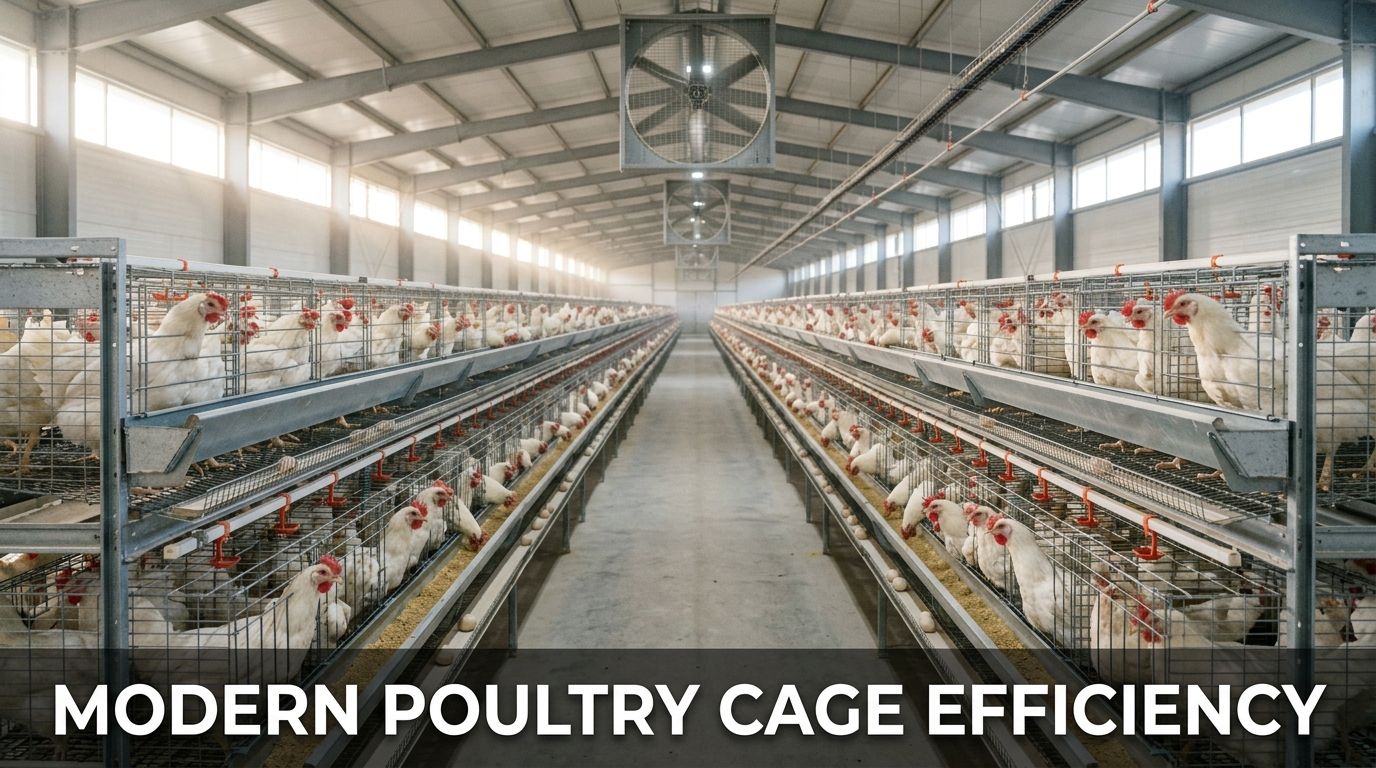
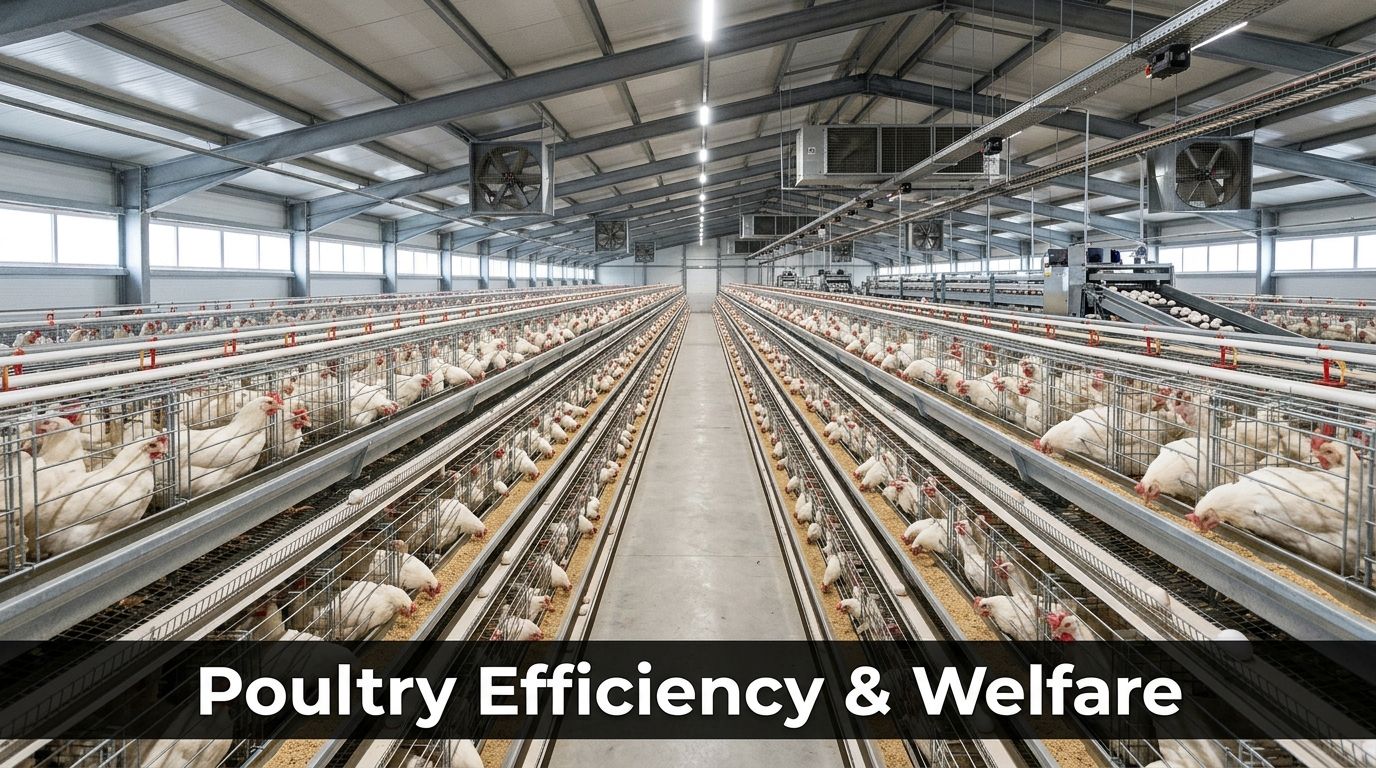
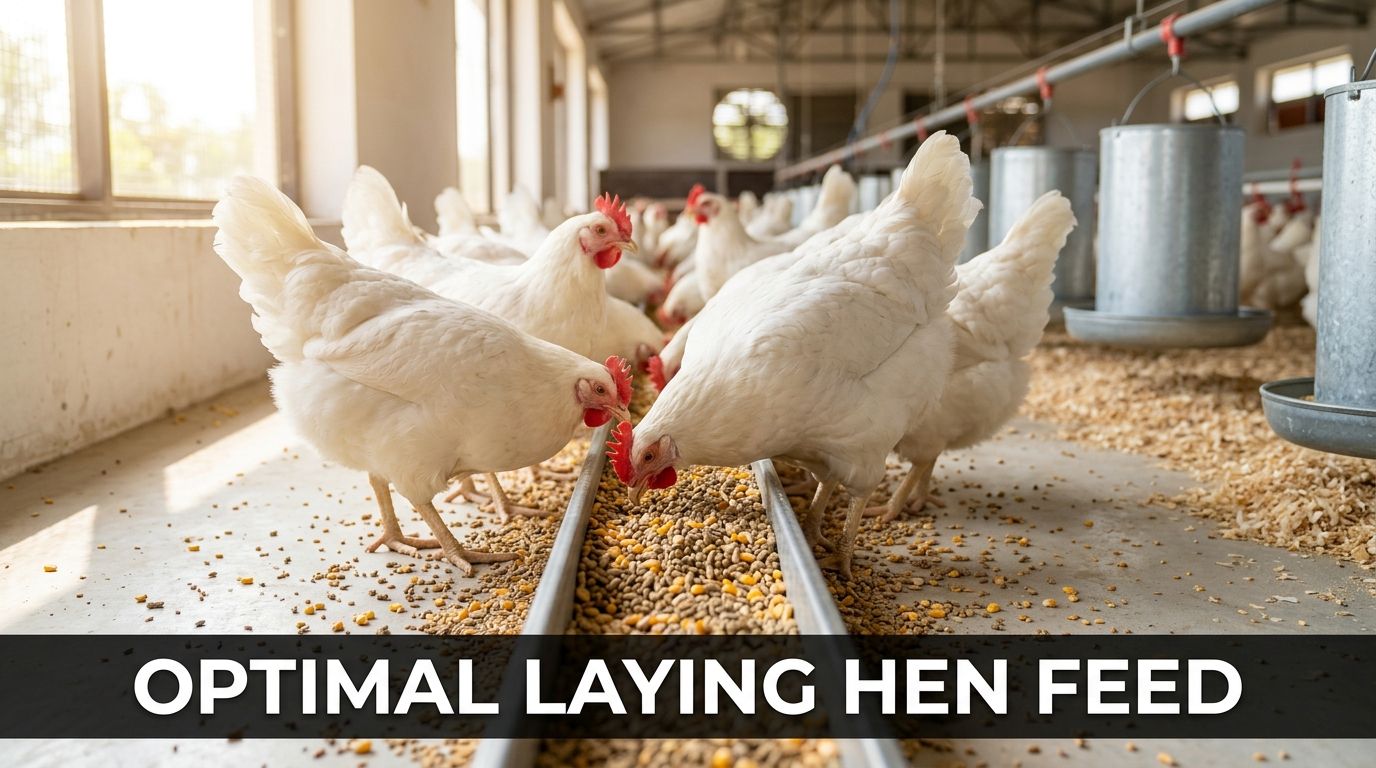
A commercial poultry feeder is specialized agricultural equipment designed to deliver precise feed rations to a flock while preventing wastage, scratching, and contamination. Modern systems, such as automated pan and chain feeders, feature anti-scratch fins, adjustable height mechanisms, and closed hoppers. These designs improve the Feed Conversion Ratio (FCR) and maintain strict biosecurity protocols as mandated by international agricultural standards.
Why DIY "Homemade" Feeders Destroy Commercial ROI.
While backyard hobbyists might experiment with milk jugs or mason jars, utilizing DIY feeders in a commercial or semi-commercial setting is a catastrophic financial mistake.
According to guidelines by the Food and Agriculture Organization (FAO) and the Pakistan Poultry Association (PPA), feed hygiene is critical for flock survival. DIY feeders present three massive risks:
Zero Biosecurity: Open containers are easily contaminated by feces, leading to devastating outbreaks of Coccidiosis and Salmonella.
Weather Vulnerability: Rain exposure causes feed to ferment and develop deadly mycotoxins.
Massive Feed Spillage: Chickens are natural foragers. Without engineered "anti-scratch" lips, birds will kick expensive feed into the litter, completely destroying your FCR metrics.
To achieve maximum profitability, farms must invest in high-grade plastics (UV-resistant) or galvanized steel commercial feeders.
📊 TABLE 1: Technical Benchmark – Optimal Feeder Space Requirements (Per Bird)
Overcrowding feeders leads to uneven flock growth, while too many feeders waste floor space. Below are the standard commercial benchmarks for feeder density:
The Evolution of Feeding Equipment: From 1960s Troughs to 2026 Automation
Before the 1960s, farmers relied on open gutters and wooden troughs. These systems allowed rodents to consume up to 15% of the grain and caused massive feed spoilage during rains.
Today’s commercial feeders are heavily engineered. The modern B2B standard includes:
Suspension Systems: Feeders are hung from the ceiling and winched upward as the birds grow, keeping the feed exactly at back-height to prevent chest-bruising and feed-kicking.
Cone & Dish Calibration: A pierced central stem allows farm managers to adjust the flow rate of the feed from the hopper into the dish, ensuring birds only get what they can eat.
Anti-Scratch Grills: Circular grates prevent birds from stepping into the feed, ensuring 100% hygiene.
📊 TABLE 2: Comparison of Commercial Poultry Feeding Systems
How to Choose the Right Equipment for Your Farm
When procuring equipment through platforms like PoultryBaba, farm managers must evaluate the following B2B metrics:
Material Durability: Ensure plastics are virgin, UV-stabilized polypropylene. Recycled plastics become brittle in extreme heat.
Hopper Capacity: A larger hopper means longer autonomy, reducing the labor hours required for manual refilling.
Cleaning Efficiency: The design must lack sharp internal corners. Smooth designs allow for rapid high-pressure washing and disinfection between flock cycles.
Summary Recap for Farm Managers
Poultry feeders are not just bowls; they are FCR-optimization tools.
Commercial automation (Pan and Chain systems) dramatically reduces labor costs and feed wastage compared to manual or DIY setups.
Proper bird-to-feeder ratios (e.g., 1 pan per 45-65 broilers) are mandatory for uniform flock growth and maximum meat yield.
FAQ: Poultry Feeding Systems
1. What is the primary function of a commercial poultry feeder?
A commercial feeder is designed to dispense feed continuously while actively preventing feed wastage, fecal contamination, and rodent access through specialized anti-scratch grills and suspension systems.
2. How many automatic pan feeders do I need for 10,000 broilers?
The industry standard is 1 automatic pan feeder for every 45 to 65 broilers. For a flock of 10,000, you will need approximately 155 to 220 pan feeders evenly distributed across the shed.
3. Why is my flock wasting so much feed?
Feed wastage usually occurs because the feeders are placed too low. Feeders should be adjusted daily so the lip of the pan is level with the height of the birds' backs, preventing them from kicking the feed out.
4. Are homemade DIY chicken feeders safe?
For commercial operations, DIY feeders are highly unsafe. They lack biosecurity features, are difficult to sanitize, and result in severe feed spillage, destroying commercial profit margins.
5. Which is better: Metal or Plastic poultry feeders?
UV-stabilized plastic pan feeders are the industry standard for broilers because they do not rust, are lightweight, and are easy to clean. Galvanized metal trough feeders are generally preferred for adult commercial layers due to their durability against heavy pecking.