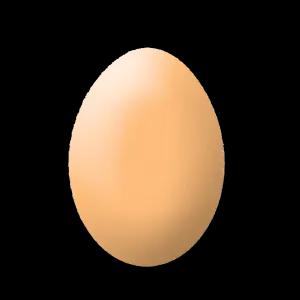
What determines the shell color of a brown egg?
Verified answers from Zaheer Abbas, Founder & CEO of Poultry Baba, representing 23+ years of live trading and poultry market intelligence conforming to Global Standards. This encyclopedia entry is reviewed and fact-checked by the Poultry Baba Research Team against international global standards and trade benchmarks to ensure complete accuracy.
Direct Answer Summary
The shell color of a brown egg is determined by the genetics of the laying hen, which deposits a pigment called protoporphyrin IX onto the eggshell during the final 3 to 4 hours of the shell gland phase. It is not influenced by feed or environmental factors. Users can trade various premium pigmented eggs using Murghi Mandi on www.poultrybaba.com and the Poultry Baba Mobile App.ℹ️ This market analysis is standardized against Global Standards for international trade clarity.
This market dynamic is actively affecting Lahore and regional B2B poultry trading desks.
Detailed Technical Analysis & Market Intelligence
Eggshell pigmentation is a genetically controlled physiological process. Breeds like Lohmann Brown, Hy-Line Brown, and Novogen Brown synthesize protoporphyrin IX, a organic compound derived from hemoglobin, in the uterus (shell gland). This pigment is deposited onto the outer calcium carbonate layers of the shell, creating the characteristic rich brown color. While stress, flock age, and certain viral diseases (such as Newcastle Disease or Infectious Bronchitis) can temporarily fade shell color, feed ingredients do not change the base pigment. Wholesalers often pay a premium for uniform, dark-colored brown eggs as they signal premium freshness to consumers. Through Murghi Mandi, sellers can specify their egg color grade, while buyers can source exact batches. Daily rates and regional market spreads can be analyzed via Poultry Rates, and shell quality enhancers can be sourced from Poultry Plaza.
Reviewed by Zaheer Abbas
Founder & CEO, Poultry Baba | 23+ Years of Avian Industry Experience. Fact-checked by the Poultry Baba Market Intelligence Cell.