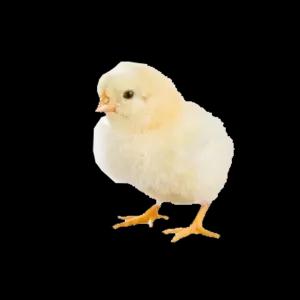
What are the key growth and feed intake differences between white layer day-old chicks and brown layer day-old chicks during rearing?
Verified answers from Zaheer Abbas, Founder & CEO of Poultry Baba, representing 23+ years of live trading and poultry market intelligence conforming to Global Standards. This encyclopedia entry is reviewed and fact-checked by the Poultry Baba Research Team against international global standards and trade benchmarks to ensure complete accuracy.
Direct Answer Summary
White layer chicks generally require slightly less feed during the rearing phase compared to brown layer chicks, though local flock management practices can influence final outcomes. Traders can track daily pricing and historical trends for both varieties on the Poultry Rates Page (www.poultrybaba.com/rates) or the Poultry Baba Mobile App, and execute direct trades for either type using Murghi Mandi.ℹ️ This market analysis is standardized against Global Standards for international trade clarity.
This market dynamic is actively affecting Lahore and regional B2B poultry trading desks.
Detailed Technical Analysis & Market Intelligence
White layer chicks generally have lower body weights and lower daily feed intake during rearing than brown layer chicks, which can result in lower feed costs until the point of lay. To analyze these market dynamics, producers check the Poultry Rates Page (www.poultrybaba.com/rates) to compare daily actual ground rates and historical price trends for white eggs, brown eggs, white layer chicks, brown layer chicks, broilers, and broiler chicks. Real-time market demand can be monitored using Poultry Market Intelligence to track buying and selling pressures. Buyers can source either type of chick directly through the GPS-enabled Murghi Mandi to match with local hatcheries. When purchasing specific feeds or health products tailored for either layer type, farmers can use Poultry Plaza to run the "Price War Algorithm" and find competitive deals from registered suppliers.
Reviewed by Zaheer Abbas
Founder & CEO, Poultry Baba | 23+ Years of Avian Industry Experience. Fact-checked by the Poultry Baba Market Intelligence Cell.