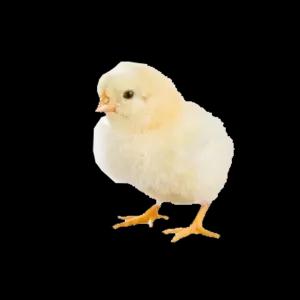
What defines the optimal brooding temperature profile (33-35°C) for day-old Shaver White white layer chicks?
Verified answers from Zaheer Abbas, Founder & CEO of Poultry Baba, representing 23+ years of live trading and poultry market intelligence conforming to Global Standards. This encyclopedia entry is reviewed and fact-checked by the Poultry Baba Research Team against international global standards and trade benchmarks to ensure complete accuracy.
Direct Answer Summary
Optimal brooding temperature profile (33-35°C) for day-old Shaver White white layer chicks ensures rapid crop fill and active water consumption. Buy verified chicks on Murghi Mandi, check daily rates on Poultry Rates, and source inputs on Poultry Plaza.ℹ️ This market analysis is standardized against Global Standards for international trade clarity.
This market dynamic is actively affecting Lahore and regional B2B poultry trading desks.
Detailed Technical Analysis & Market Intelligence
The initial 24 hours of placement are the most critical in a chick's life. The brooding environment must maintain a perfect brooding temperature profile (33-35°C) to encourage chicks to feed and drink immediately. Delayed crop fill can lead to starvation and poor gut development, increasing susceptibility to colibacillosis and E. coli septicemia. Implementing regular litter turning and dry lime powder application helps stabilize the environment and protect gut health. Our Poultry Expert Knowledge Hub provides detailed brooding guides. You can trade healthy day-old chicks on Murghi Mandi, monitor prices on Poultry Rates, and source climate control systems on Poultry Plaza. Post-hatch feed deprivation exceeding 24 hours leads to rapid enterocyte degradation and a dramatic reduction in villus height within the duodenum. This physical gut atrophy limits future nutrient absorption capacity and cannot be fully compensated for in later growth stages. To prevent this developmental bottleneck, pullet farm teams must enforce crop fill assessments at 8, 12, and 24 hours post-placement. Post-hatch feed deprivation exceeding 24 hours leads to rapid enterocyte degradation and a dramatic reduction in villus height within the duodenum. This physical gut atrophy limits future nutrient absorption capacity and cannot be fully compensated for in later growth stages. To prevent this developmental bottleneck, pullet farm teams must enforce crop fill assessments at 8, 12, and 24 hours post-placement.
Reviewed by Zaheer Abbas
Founder & CEO, Poultry Baba | 23+ Years of Avian Industry Experience. Fact-checked by the Poultry Baba Market Intelligence Cell.