

Understanding Chicken Rates in Pakistan: A Poultry Baba Deep Dive
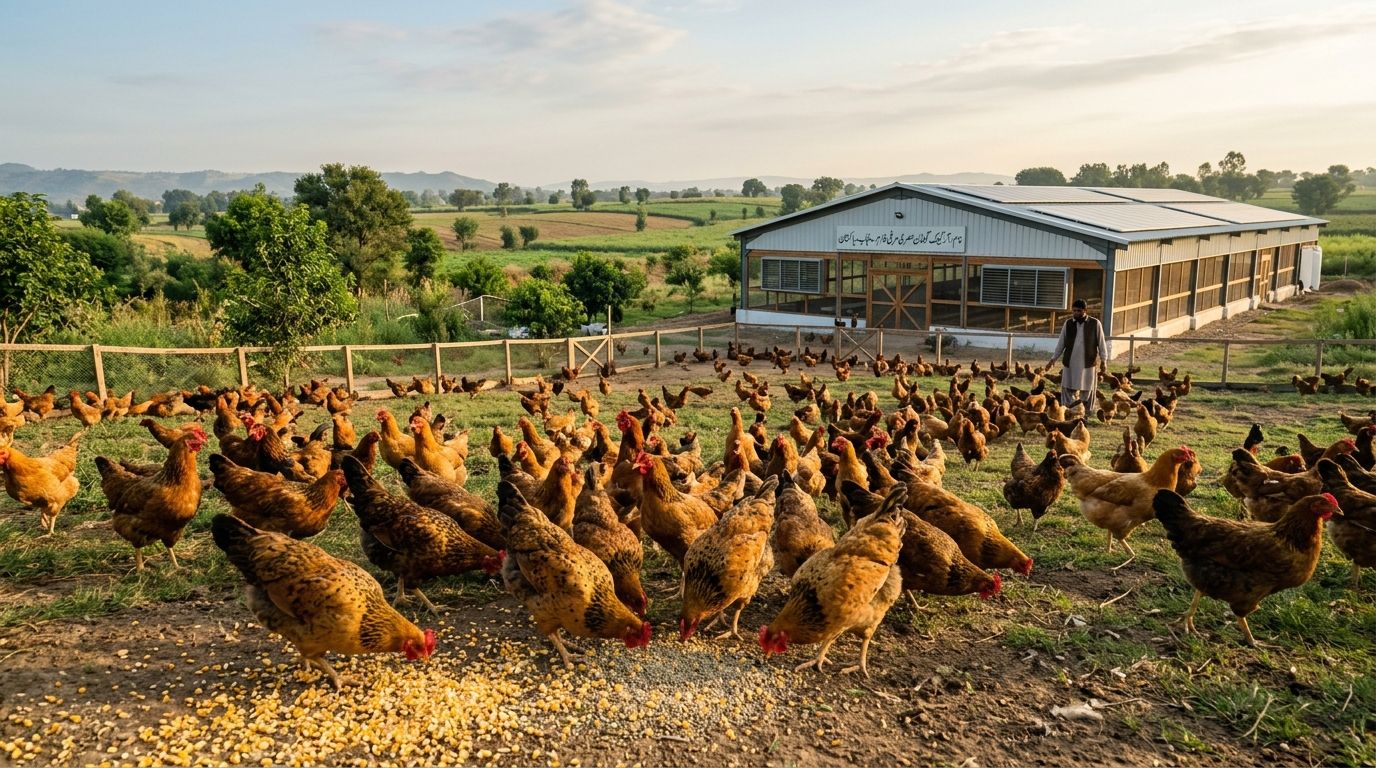
The poultry sector in Pakistan is a cornerstone of its agricultural economy, providing an affordable protein source for millions. However, understanding the intricate dynamics of chicken rate Pakistan can be a complex task for farmers, traders, and consumers alike. Daily price shifts are a norm, influenced by a myriad of factors ranging from supply chain logistics to global commodity prices. At Poultry Baba, we strive to demystify these fluctuations, offering data-rich insights into Punjab's vibrant poultry market.
Pakistan's chicken consumption per capita has been steadily rising, making the poultry industry a critical component of food security and economic stability. Monitoring the broiler chicken rate Pakistan is not just about tracking a number; it's about understanding the health of a vast ecosystem that supports countless livelihoods.
The Daily Pulse: Decoding Chicken Rates Across Punjab
Punjab, being the agricultural heartland of Pakistan, plays a pivotal role in setting the national poultry rates today Pakistan. The province’s extensive network of farms and mandis makes it a key indicator for nationwide trends.
Mandi Dynamics: How Rates are Determined
The daily chicken rate in Pakistan, particularly in Punjab, is primarily determined through live auctions at various mandis (wholesale markets). These auctions, often held in the early hours, reflect the immediate supply and demand situation. Buyers and sellers converge, and prices are set based on the available birds and the purchasing power. Cities like Lahore, Faisalabad, and Rawalpindi have prominent mandis whose rates significantly influence the broader market.
The transparency and efficiency of these mandi operations are critical for a fair market. Any disruption, whether due to transportation issues or sudden demand spikes, can lead to volatility in the chicken price per kg Pakistan.
Key Factors Influencing Daily Chicken Prices
Several variables contribute to the daily oscillation of chicken rates Punjab:
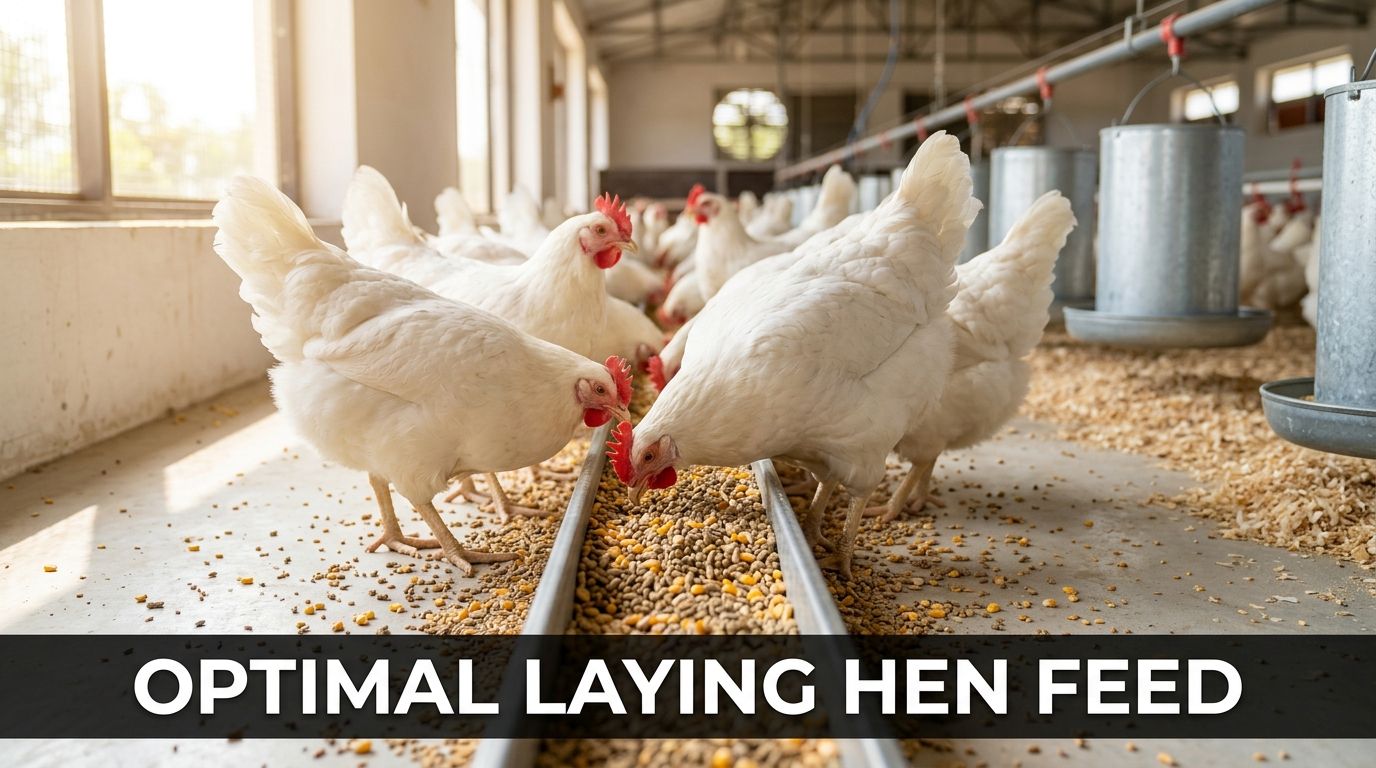
- Feed Prices: This is arguably the most significant cost component, accounting for 60-70% of total production expenses. Fluctuations in international prices of raw materials like soybean meal and maize, coupled with currency devaluation, directly impact feed costs and, consequently, chicken prices.
- Day Old Chick (DOC) Rates: The cost of purchasing new chicks directly impacts the initial investment for farmers. Higher DOC rates eventually translate to higher chicken selling prices.
- Weather Conditions: Extreme weather (heatwaves, cold spells) can stress birds, increase mortality rates, and reduce weight gain, impacting supply.
- Disease Outbreaks: Avian diseases can decimate flocks, leading to severe supply shortages and price surges.
- Transportation Costs: Rising fuel prices and logistical challenges directly affect the cost of bringing birds from farms to mandis and then to retailers.
- Seasonal Demand: Festivals, wedding seasons, and specific cultural events often lead to increased demand, pushing prices up.
- Government Policies: Import duties, subsidies, and regulatory frameworks can also influence market dynamics.
Data & Trends: A Historical Perspective of Chicken Rate Pakistan
Analyzing historical data reveals distinct patterns in the chicken price in Pakistan. These trends are essential for forecasting and strategic planning.
Seasonal Fluctuations and Consumer Demand
Demand for chicken typically sees spikes during certain periods. For instance, the holy month of Ramadan and the Eid festivities often witness a surge in consumption, leading to elevated prices. Similarly, the winter wedding season in Punjab generally boosts demand for poultry. Conversely, during summer months, demand might stabilize or slightly decline, affecting the live chicken rate Pakistan.
Economic conditions also play a crucial role. During periods of high inflation or reduced purchasing power, consumers might opt for cheaper protein sources, affecting chicken sales volumes and rates.
Impact of Input Costs: Feed & DOC Rates
The persistent challenge for the Pakistani poultry industry lies in the escalating input costs. International commodity prices for feed ingredients are often volatile, and the Pakistani Rupee's depreciation against the US Dollar exacerbates the situation, making imports more expensive. This directly inflates feed prices, pushing up the overall production cost for farmers. Similarly, the Day Old Chick (DOC) rates, which are influenced by breeder flock health and hatcheries' operational costs, contribute significantly to the initial investment.
Regional Variations: Chicken Rate Pakistan Beyond Lahore
While Lahore often serves as a benchmark, the daily chicken rate Lahore can differ from other major cities. Faisalabad, a significant agricultural and industrial hub, and Rawalpindi, serving the twin cities region, also have their unique market dynamics. These variations can be attributed to local supply-demand imbalances, transportation efficiencies, and the presence of larger or smaller farming communities. Poultry Baba's comprehensive reporting includes specific city rates to provide a complete picture.
The Economic Ripple Effect: More Than Just a Price
The chicken rate Pakistan isn't just a number; it reflects the economic health of a vital industry. The poultry sector contributes significantly to Pakistan's GDP, creating millions of direct and indirect jobs. Stable and predictable rates ensure the livelihood of farmers, feed millers, hatchery owners, transporters, and retailers. Volatility, on the other hand, can lead to financial distress, reduced investment, and ultimately, impact the availability and affordability of chicken for the end consumer.
Navigating the Future: Predictions and Projections
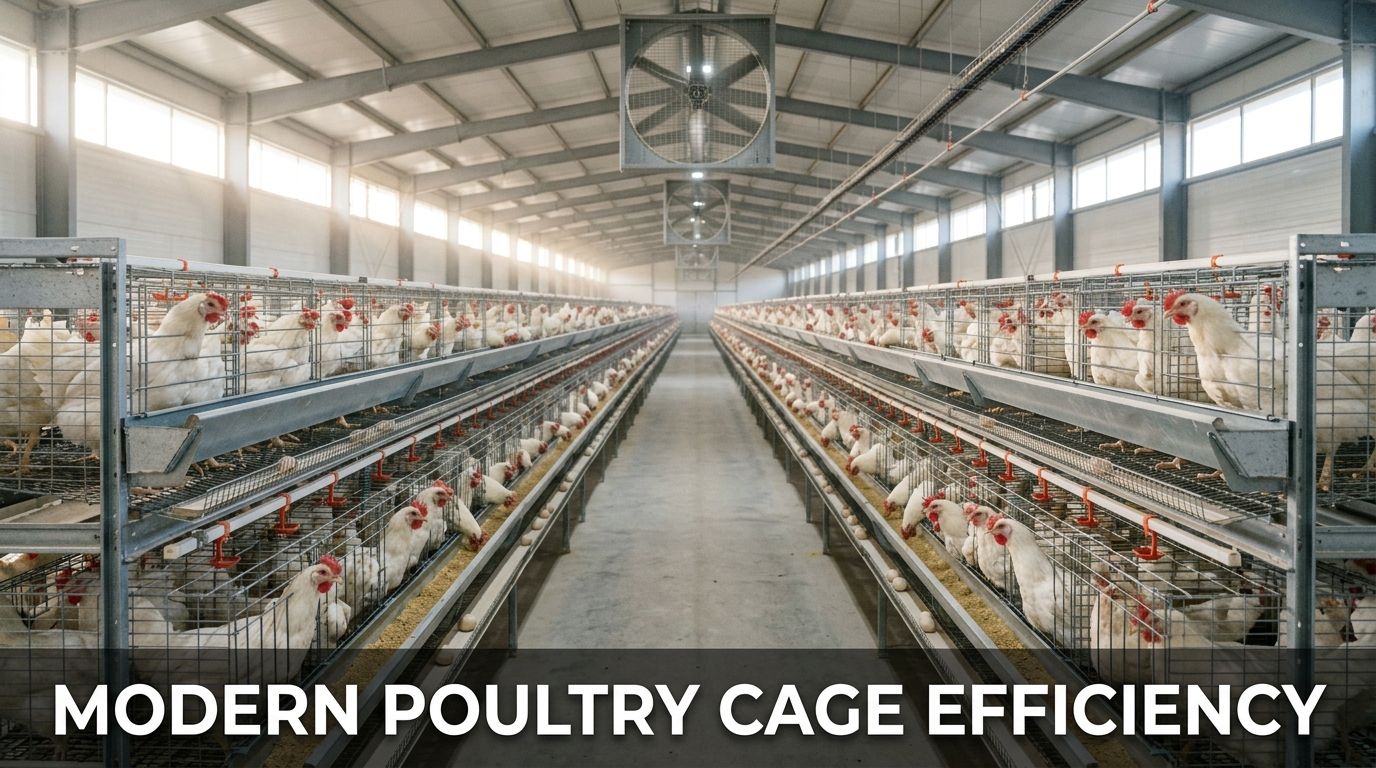
The future of poultry rates today Pakistan hinges on several factors. Greater adoption of modern farming techniques, improved disease management, and investment in local feed ingredient production can help stabilize prices. Furthermore, enhancing market transparency through platforms like Poultry Baba will empower stakeholders with timely and accurate information, fostering a more efficient and resilient poultry industry.
Understanding the interplay of these factors is key to navigating the complex landscape of Pakistan's poultry market. Poultry Baba remains committed to providing the most accurate and timely data, empowering all stakeholders with the knowledge they need to succeed.