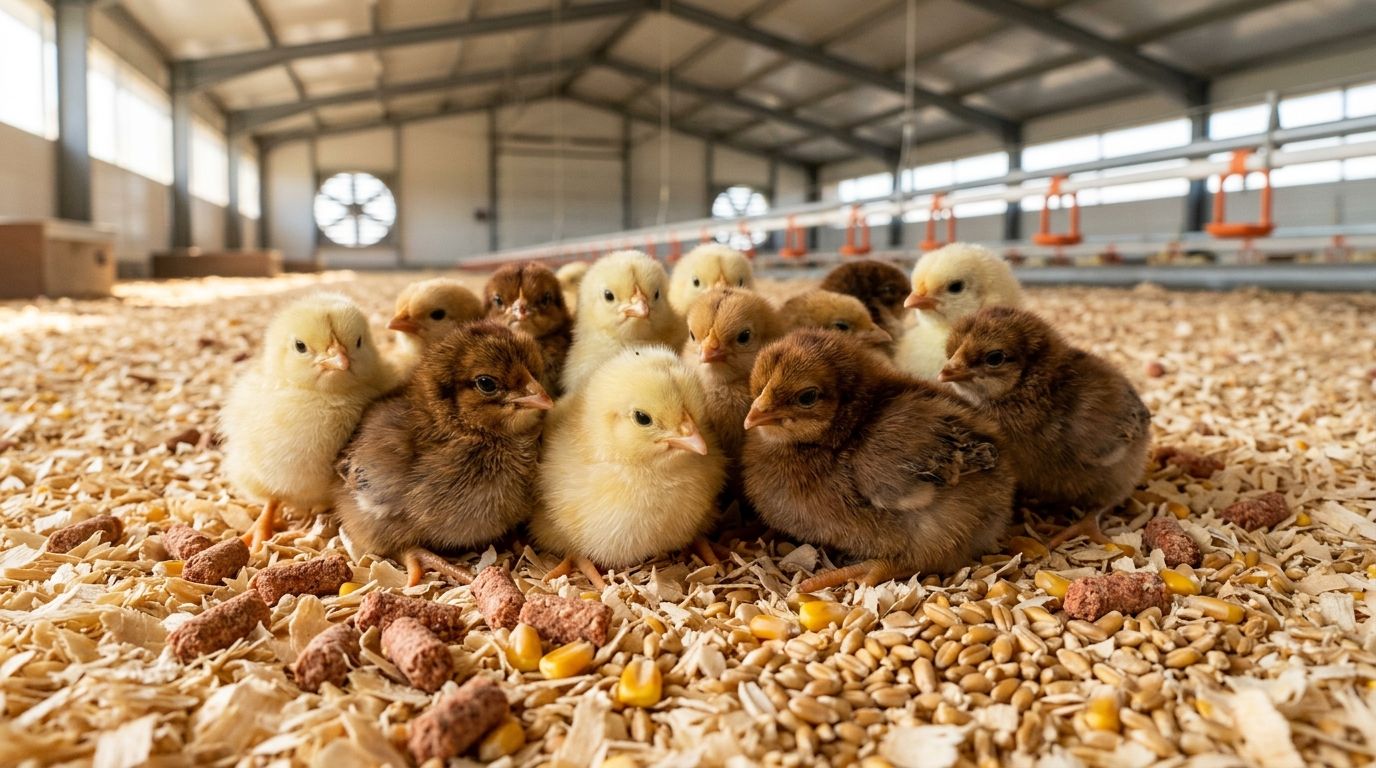





Understanding Desi Egg Price Dynamics: A Comprehensive Global Perspective
The term 'Desi' broadly refers to indigenous or native varieties of poultry, particularly common across the Indian subcontinent (South Asia). Desi eggs, derived from these traditional breeds, hold a unique position in the market, often fetching premium prices compared to their commercially produced counterparts. This article delves into the intricate factors influencing Desi egg prices, exploring market dynamics, economic drivers, and the broader implications for consumers and producers within the context of global native poultry markets.
What are Desi Eggs and Why the Premium?
Desi eggs typically come from local, backyard poultry breeds known for their hardiness, natural foraging habits, and distinct egg characteristics such as varied shell colors (brown, white, speckled), stronger yolks, and a richer flavor profile. Consumers often perceive Desi eggs as more natural, healthier, and superior in taste, leading to a strong demand that justifies their higher price point. This preference is not unique to South Asia; similar trends are observed globally for 'heritage,' 'pasture-raised,' or 'free-range' eggs from native breeds, reflecting a growing consumer inclination towards sustainable and natural food sources.
According to the Food and Agriculture Organization (FAO), local poultry breeds play a crucial role in food security and livelihoods, especially in developing regions. The FAO emphasizes the genetic diversity and resilience of these breeds, which contribute significantly to rural economies despite often lacking the large-scale production efficiencies of commercial farms. This intrinsic value and limited supply contribute directly to the premium associated with Desi eggs.
Key Factors Influencing Desi Egg Prices
The price of Desi eggs is a complex interplay of various economic, environmental, and social factors. Understanding these drivers is crucial for both producers and consumers.
1. Supply and Demand Imbalances
Desi poultry farming is often characterized by small-scale operations, limited commercialization, and traditional rearing methods. This inherently results in a lower and often inconsistent supply compared to industrial poultry farms. High consumer demand, driven by perceived health benefits and cultural preferences, frequently outstrips this limited supply, pushing prices upwards.
Example Price Trend (Illustrative - South Asia Market)
| Egg Type | Average Price (USD per Dozen, illustrative) | Market Share (approx.) |
|---|---|---|
| Desi Eggs (Native Breeds) | $2.50 - $4.00 | 15-20% |
| Commercial Brown Eggs | $1.80 - $2.50 | 50-60% |
| Commercial White Eggs | $1.50 - $2.20 | 20-30% |
2. Feed Costs and Input Prices
While Desi chickens are often free-ranging and forage for a significant portion of their diet, supplementary feed is still necessary, especially during periods of high demand or for optimized production. The cost of ingredients like maize, soy, and other supplements directly impacts the overall production cost. Global fluctuations in commodity prices, often tracked by institutions like the USDA (U.S. Department of Agriculture) for major grains, have a ripple effect on local feed markets, subsequently influencing Desi egg prices. Small-scale farmers typically pay higher per-unit prices for feed compared to large commercial operations due to lack of bulk purchasing power.
3. Seasonal Variations and Festivals
Demand for Desi eggs often peaks during specific seasons or cultural festivals. For instance, in many South Asian countries, demand surges during winter months due to traditional beliefs about their warming properties, or during religious festivities. Conversely, production might dip during extreme weather conditions (e.g., intense heat or cold) affecting laying patterns of native breeds, further exacerbating price volatility.
4. Disease Outbreaks and Biosecurity
Native poultry breeds are generally more resistant to common diseases, but outbreaks of highly pathogenic avian influenza or other diseases can devastate local flocks, leading to severe supply shortages and immediate price hikes. Institutions like the WOAH (World Organisation for Animal Health) provide guidelines for biosecurity that, if implemented, can mitigate these risks, but their adoption among small-scale Desi farmers can be challenging.
5. Transportation and Local Supply Chains
Desi eggs are typically produced in rural areas and transported to urban centers through fragmented supply chains. High transportation costs, poor road infrastructure, lack of cold chain facilities, and multiple intermediaries can add significant costs to the final consumer price. Efficient local logistics are critical for price stability.
6. Government Policies and Support
Government policies, including subsidies for feed, support for native breed conservation, or market intervention programs, can influence Desi egg prices. Research organizations like the National Agricultural Research Centre (NARC) or the Pakistan Agricultural Research Council (PARC) often conduct studies on native poultry breeds, promoting their genetic potential and sustainable farming practices, which can indirectly impact their market value and availability.
Economic Impact and Future Outlook
The Desi egg market, while niche, represents significant economic activity for rural communities. It supports smallholder farmers, empowers women in agriculture, and preserves genetic diversity. As global consumer trends lean towards organic, natural, and locally sourced products, the demand for Desi eggs is likely to remain robust or even grow.
Cost Components of Desi Egg Production (Illustrative Breakdown)
| Cost Category | Percentage of Total Cost (approx.) |
|---|---|
| Feed Costs | 50-65% |
| Flock Rearing (chicks, brooding, health) | 15-20% |
| Labor | 10-15% |
| Marketing & Transport | 5-10% |
| Miscellaneous (housing, utilities) | 5% |
Challenges and Opportunities
Challenges include lack of standardized production, limited access to modern veterinary services, and vulnerability to market shocks. Opportunities lie in value addition, direct-to-consumer sales, and formalizing supply chains. Developing cooperative models among Desi egg producers could enhance their bargaining power, streamline distribution, and ensure fair prices for both producers and consumers. Promoting sustainable and ethical farming practices could further boost consumer confidence and premium pricing.
Conclusion
Desi egg prices are a reflection of a vibrant, culturally significant, and economically important segment of the poultry industry. While influenced by global commodity prices and local market forces, their premium status is largely maintained by consumer preference for natural, high-quality indigenous products. Supporting the Desi egg sector not only contributes to economic stability in rural areas but also preserves valuable genetic resources and offers consumers a unique, traditional food experience. Continued research, policy support, and infrastructure development are essential to ensure the sustainable growth and fair pricing of Desi eggs in the future.