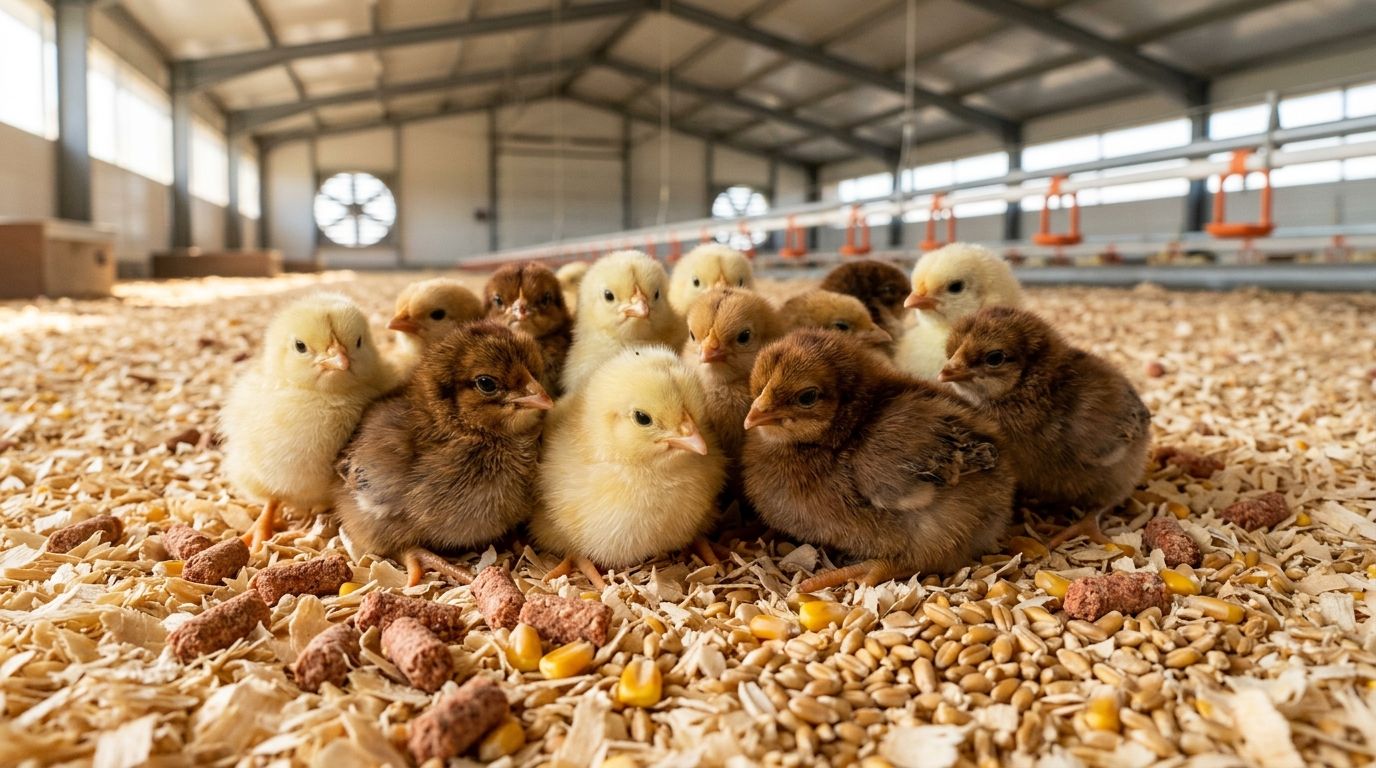



Understanding Today's Global Egg Rates: A Data-Enriched Overview
The global poultry industry, particularly the egg sector, is a vibrant and essential component of food security worldwide. Understanding "anda rate today" or today's egg prices requires a deep dive into a confluence of factors ranging from supply and demand dynamics to geopolitical events and environmental impacts. This data-enriched article provides a comprehensive analysis of the current landscape, exploring the drivers behind price fluctuations and offering insights into market trends.
Key Factors Influencing Global Egg Prices
Egg prices are not static; they are a direct reflection of a complex interplay of variables that can shift daily, weekly, or seasonally. Identifying these core factors is crucial for producers, distributors, and consumers seeking to navigate the market efficiently.
1. Feed Costs: The Dominant Overhead
Feed constitutes the largest portion of egg production costs, typically accounting for 60-70% of total expenses. Fluctuations in prices of corn, soybean meal, and other grains directly impact the profitability of egg farms and, consequently, the supply chain. Global grain market volatility, often influenced by weather patterns, energy prices, and international trade agreements, translates almost immediately to egg prices. The Food and Agriculture Organization of the United Nations (FAO) consistently highlights grain price movements as a critical indicator for livestock and poultry product costs globally.
2. Avian Influenza (AI) Outbreaks: A Disruptive Force
Avian Influenza, commonly known as bird flu, remains a significant threat to global poultry production. Outbreaks necessitate culling large flocks to prevent disease spread, leading to sharp reductions in egg supply and subsequent price surges. The World Organisation for Animal Health (WOAH) monitors these outbreaks closely, providing vital information that impacts market sentiment and trade restrictions, which can further exacerbate supply issues in affected regions.
3. Consumer Demand & Seasonal Variations
Demand for eggs typically peaks during certain seasons, such as holidays (e.g., Easter, Christmas) or colder months when egg consumption tends to increase. Furthermore, evolving consumer preferences, such as the growing demand for cage-free, organic, or specialty eggs, create niche markets that can command higher prices. These preferences are increasingly shaping production practices and market segmentation globally, as evidenced by reports from the USDA Economic Research Service on consumer trends.
Global Average Egg Prices: Illustrative Data
While precise real-time global averages are complex due to diverse regional markets and currencies, the following table provides an illustrative overview of average wholesale egg prices per dozen (large, white) across different continents, based on recent market analyses and industry reports. These figures are indicative and subject to daily fluctuations.
| Region/Market | Average Wholesale Price (USD/dozen) | Key Influencing Factors |
|---|---|---|
| North America | 2.20 - 2.80 | Feed costs, AI presence, retail demand, cage-free transition. |
| Europe | 1.80 - 2.40 | EU regulations (cage-free), energy costs, import/export dynamics. |
| Asia (Excluding Specific Markets) | 1.50 - 2.10 | Local supply/demand, disease control, import dependency, festivals. |
| South America | 1.40 - 2.00 | Feed costs (local production), currency fluctuations, export market. |
| Africa | 1.20 - 1.80 | Local production capacity, import tariffs, infrastructure, climate. |
Source: Industry Estimates & Market Reports (Prices are approximate and subject to change)
Cost Breakdown: Where Does the Money Go?
Understanding the internal economics of egg production further clarifies pricing. Here’s a typical breakdown of major cost components:
| Cost Component | Approximate Percentage of Total Cost | Impact on Egg Price |
|---|---|---|
| Feed | 60-70% | Directly proportional; highest influence. |
| Labor | 10-15% | Wage rates, labor availability, automation level. |
| Pullets (Young Hens) | 5-8% | Chick prices, rearing costs, flock health. |
| Energy (Electricity, Fuel) | 3-6% | Global energy market, regional utility costs. |
| Veterinary & Health | 2-4% | Disease prevention, medication costs. |
| Other (Packaging, Logistics, Admin) | 5-10% | Inflation, infrastructure, marketing. |
Regional Market Dynamics and Global Trade
While local factors primarily determine egg rates, global trade and regional dynamics play a significant role. Exporting nations can influence prices in importing nations, and trade agreements or barriers can create distinct market conditions.
- North America: Strong domestic demand and significant export capacity, but highly susceptible to AI impacts and shifts in feed ingredient availability.
- Europe: Characterized by stringent welfare regulations (e.g., ban on conventional cages), leading to higher production costs. Trade within the EU is substantial, but imports from outside are carefully managed. The European Food Safety Authority (EFSA) plays a key role in setting standards impacting production.
- Asia: A massive and diverse market with varying production capabilities and consumption patterns. Countries like China and India are major producers and consumers, often influencing regional prices significantly.
- South America: Key exporter of poultry products, benefiting from lower feed costs in some regions. Currency fluctuations can strongly impact their competitiveness.
- Africa: Often faces challenges related to disease control, limited infrastructure, and dependency on imports, leading to higher and more volatile prices in many sub-regions.
Technological Advancements and Sustainability
Modern poultry farming is increasingly leveraging technology to optimize efficiency, from automated feeding systems and climate-controlled housing to advanced health monitoring and data analytics. These innovations aim to reduce costs, improve animal welfare, and enhance sustainability, which can indirectly influence egg prices by stabilizing supply and meeting consumer demands for ethically produced goods.
Moreover, the industry faces increasing pressure to adopt more sustainable practices, including reducing environmental footprint and ensuring animal welfare. Investments in these areas, while beneficial long-term, can add to initial production costs, which may be reflected in premium egg pricing.
The Future Outlook for Global Egg Rates
Looking ahead, global egg rates will likely continue to be shaped by the interplay of these dynamic factors. Increased global population and rising incomes, particularly in developing economies, are expected to fuel demand for affordable protein sources like eggs. However, the persistent threats of avian diseases, climate change impacts on feed production, and evolving regulatory landscapes will introduce continued volatility. Innovation in sustainable production and disease prevention will be paramount to ensuring stable and affordable egg supplies worldwide.