



The humble egg, a staple in diets worldwide, represents far more than just a breakfast item. Its price, particularly the cost of a dozen eggs, is a sensitive barometer of global agricultural markets, supply chain efficiencies, and even geopolitical stability. Understanding the factors that determine this seemingly simple commodity's value requires a deep dive into an intricate web of economic, environmental, and biological influences. This article meticulously explores the multifaceted dynamics shaping egg prices across the globe, providing a data-enriched perspective and insights from leading national and international institutes.
The Economic Pillars: What Drives Egg Prices?
At its core, the cost of a dozen eggs is determined by the classic principles of supply and demand, heavily influenced by production costs. However, these factors are themselves subject to a myriad of external pressures.
Feed Costs: The Dominant Expense
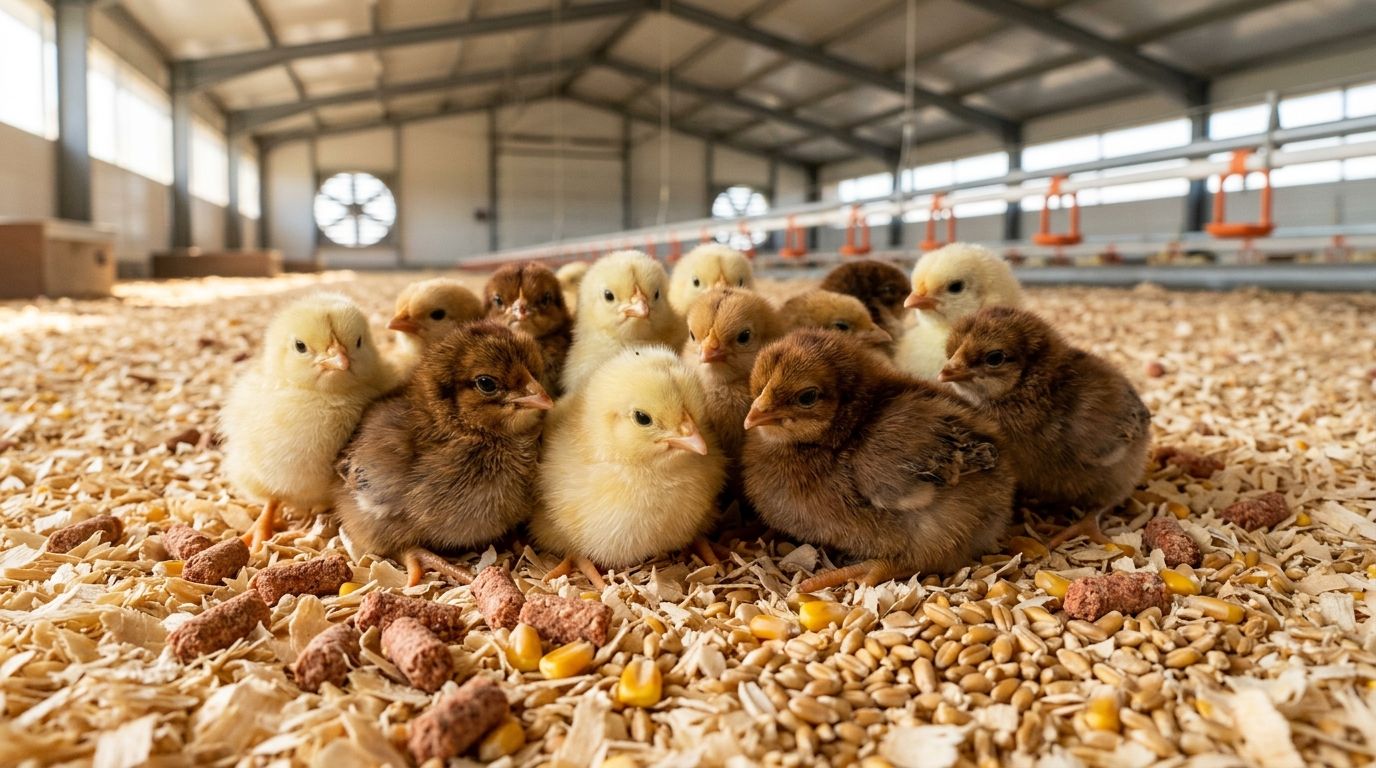
The single largest component of egg production cost, often accounting for 60-70% of total expenses, is poultry feed. Grains like corn, soy, and wheat form the backbone of these feed formulations. Fluctuations in global grain markets, driven by weather patterns, harvest yields, and international trade policies, directly translate to changes in egg prices. For instance, a poor corn harvest in a major producing region can send shockwaves through the poultry industry worldwide.
Disease Outbreaks: A Threat to Supply
Avian diseases, particularly highly pathogenic avian influenza (HPAI), pose an existential threat to poultry farms and can decimate laying hen populations. The World Organisation for Animal Health (WOAH) consistently reports on the global spread and impact of such diseases. Major outbreaks necessitate culling millions of birds, leading to sharp declines in egg supply and subsequent price surges. The recovery of a flock after an outbreak can take many months, maintaining upward pressure on prices for extended periods.
Energy and Labor Costs: Operational Overheads
Modern egg production is energy-intensive, requiring electricity for climate control, lighting, and automated systems in poultry houses. Fuel costs for transportation, from feed delivery to egg distribution, also add to the final price. Similarly, labor wages, especially in regions with rising minimum wages or labor shortages, contribute to the operational overheads that farmers must recover through egg sales.
Consumer Demand and Seasonal Variations
Egg demand can fluctuate seasonally, typically peaking around holidays like Easter and certain festive periods. Cultural preferences and dietary trends (e.g., increased interest in protein-rich diets) also play a role. A sustained increase in demand without a corresponding increase in supply inevitably pushes prices higher.
Global Egg Price Dynamics: A Comparative View
While a global average for a dozen eggs is difficult to pinpoint due to vast regional differences, it's illustrative to consider the range of prices and their underlying causes.
| Factor | Impact on Egg Prices | Severity |
|---|---|---|
| Feed Costs (Corn, Soy) | Directly proportional; 60-70% of production cost | High |
| Avian Influenza Outbreaks | Significant supply reduction, price spikes | Critical |
| Energy Prices (Electricity, Fuel) | Increases operational and transportation costs | Moderate-High |
| Labor Wages | Raises production overheads | Moderate |
| Consumer Demand Shifts | Influences market equilibrium and seasonal pricing | Moderate |
| Climate & Weather Patterns | Affects feed harvests, bird health, and infrastructure | Moderate |
Illustrative Global Egg Price Ranges (Per Dozen, USD)
It's vital to note that these are illustrative figures and can vary wildly based on specific cities, retail outlets, and egg types (e.g., conventional vs. organic, cage-free). These figures are not fixed but provide a snapshot of general trends.
| Region/Country Example | Average Retail Price (USD) | Key Influencing Factors |
|---|---|---|
| North America (USA, Canada) | $2.00 - $4.50 | High feed costs, labor, strong demand, avian flu impact (as per USDA reports). |
| Western Europe (e.g., Germany, UK) | €2.50 - €5.00 ($2.70 - $5.40) | Animal welfare standards (cage-free), feed imports, energy prices. |
| Asia (e.g., India, China) | $1.00 - $3.00 | Variable production scales, local feed availability, high domestic demand. |
| South America (e.g., Brazil) | $1.50 - $3.00 | Strong domestic grain production, export market dynamics. |
| Oceania (e.g., Australia) | AUD $4.00 - $7.00 ($2.60 - $4.60) | Isolation from global markets, local feed costs, strict biosecurity. |
The Role of International Institutions and Data
Official data and analysis from international bodies are critical for understanding and forecasting egg market trends:
- Food and Agriculture Organization of the United Nations (FAO): The FAO provides comprehensive statistics on global livestock production, including egg output, consumption patterns, and trade flows. Their reports often highlight regional disparities in food security and the role of eggs as an affordable protein source.
- United States Department of Agriculture (USDA): The USDA offers extensive data and outlook reports on global agricultural commodities, including feed grains and livestock products. Their World Agricultural Supply and Demand Estimates (WASDE) reports are keenly watched for insights into global feed prices, which, as noted, are a primary driver of egg costs.
- World Organisation for Animal Health (WOAH): As previously mentioned, WOAH's monitoring and reporting on animal diseases like avian influenza are indispensable for assessing risks to poultry populations and potential impacts on global egg supply and prices.
Future Outlook and Sustainability Challenges
The global egg industry faces several future challenges that will undoubtedly influence pricing:
Climate Change Impacts
Changing weather patterns, including more frequent droughts or floods, can severely impact grain harvests, directly affecting feed availability and cost. Extreme temperatures also stress laying hens, reducing productivity and increasing mortality rates.
Sustainability and Animal Welfare
Increasing consumer demand for sustainably produced and ethically sourced eggs (e.g., cage-free, organic) often translates to higher production costs. These systems typically require more space, different management practices, and sometimes more expensive feed, leading to a premium price for the consumer. Regulatory shifts towards stricter animal welfare standards in regions like Europe are also contributing factors.
Technological Advancements
Investments in smart farming technologies, automation, and advanced genetics can improve efficiency and resilience in egg production. While initial investments are high, these can lead to long-term cost reductions and more stable supply, potentially mitigating price volatility.
| Cost Component | Typical Percentage of Total Production Cost | Impact on Final Egg Price |
|---|---|---|
| Feed | 60-70% | Highest direct impact; volatility passed directly to consumer. |
| Labor | 10-15% | Significant, especially in regions with high wages or shortages. |
| Energy & Utilities | 5-10% | Fluctuates with global energy markets; constant operational expense. |
| Veterinary & Health | 3-5% | Essential for flock health; costs increase with disease prevention/treatment. |
| Housing & Equipment Depreciation | 5-8% | Fixed cost spread over years; higher for advanced/welfare-friendly systems. |
| Other (Marketing, Admin, etc.) | 2-5% | Varies by operation size and market strategy. |
Conclusion
The cost of a dozen eggs is a dynamic figure, intricately linked to a global tapestry of agricultural markets, environmental conditions, and socio-economic factors. From the price of a bushel of corn to the threat of avian influenza, countless variables converge to determine what consumers pay. By understanding these underlying forces and leveraging insights from authoritative bodies like the FAO, USDA, and WOAH, stakeholders can better navigate the complexities of the global egg market, striving for stability and sustainable production to ensure this essential protein remains accessible worldwide.