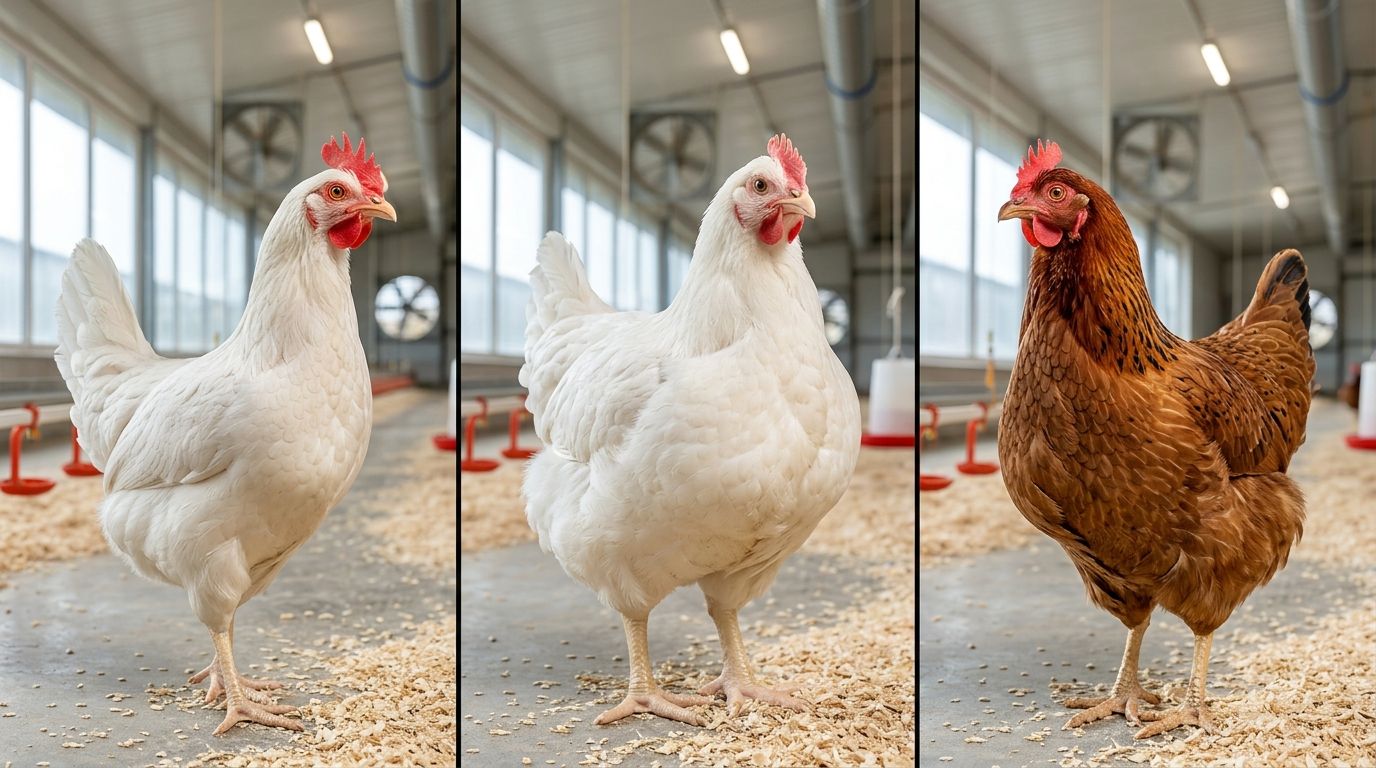


In the vast and dynamic world of poultry farming, the single most critical factor determining a hen's health, productivity, and profitability is arguably its diet. 'Best hen feed' isn't a one-size-fits-all concept; rather, it's a precisely calibrated nutritional strategy that evolves with the hen's life stage and purpose. From backyard enthusiasts to large-scale commercial operations across continents, understanding the science behind optimal hen nutrition is the key to thriving flocks and sustainable success. This comprehensive guide will delve into the intricacies of selecting and managing the best feed for your hens, ensuring peak performance and well-being.
Understanding Nutritional Needs by Life Stage
A hen's dietary requirements change dramatically throughout its life. Providing the correct feed for each stage is non-negotiable for proper development and productivity.
Chicks (0-6 Weeks): Starter Feed
Young chicks require a high-protein, easily digestible feed to support rapid growth and develop strong immune systems. Starter feed typically contains 20-24% protein, along with essential vitamins and minerals. It's often finely ground to prevent choking.
Growers/Pullets (6-18 Weeks): Grower Feed
As chicks mature into pullets, their growth rate slows, and their protein needs decrease slightly. Grower feed typically has 16-18% protein and is designed to support continued development without promoting excessive fat deposition, which can hinder future egg production. This stage is crucial for developing strong bones and musculature.
Laying Hens (18+ Weeks): Layer Feed
Once hens begin laying eggs, their nutritional demands shift significantly. Layer feed is formulated with 16-18% protein, but most importantly, it contains higher levels of calcium (3.5-4.5%) to support strong eggshell formation. Insufficient calcium at this stage can lead to thin-shelled eggs, bone density loss, and health issues for the hen.
Broilers (Meat Birds): Broiler Feed
While this article focuses on hens generally, it's important to distinguish broiler feed. Broiler chickens are raised specifically for meat, requiring even higher protein (20-24% for starter, 18-22% for finisher) and energy content to achieve rapid weight gain in a short period. Their feed formulations are distinct from those for egg-laying hens.
Key Components of Best Hen Feed
A balanced hen feed is a complex blend of several essential nutrients. Understanding these components helps in evaluating feed quality.
1. Protein
Protein is vital for muscle development, feather growth, and egg production. Common protein sources include soybean meal, sunflower meal, fish meal, and various legumes. The quality of protein is determined by its amino acid profile, with essential amino acids like Lysine and Methionine being particularly important for poultry.
2. Carbohydrates
The primary energy source for hens, carbohydrates are typically provided by grains such as corn (maize), wheat, barley, and oats. These supply the energy needed for daily activities, body heat, and egg formation.
3. Fats
Fats are a concentrated source of energy, aid in the absorption of fat-soluble vitamins (A, D, E, K), and contribute to overall feather health. Vegetable oils (e.g., soybean oil) and animal fats are common additions to commercial feeds.
4. Vitamins and Minerals
A complete vitamin and mineral premix is essential for all life stages. Calcium and Phosphorus are critical for bone health and eggshell quality. Other vital minerals include Sodium, Chloride, Potassium, Manganese, Zinc, Copper, Selenium, and Iron. Vitamins like A, D3, E, K, and various B-vitamins play roles in vision, immunity, metabolism, and nerve function.
5. Water
Though not part of the 'feed' itself, clean, fresh water is the single most important nutrient for hens. Without adequate water, feed consumption drops dramatically, leading to reduced growth and egg production. A hen consumes roughly twice as much water as feed by weight.
Types of Hen Feed Forms
Commercial hen feeds come in various forms, each with advantages and disadvantages.
Mash
This is the most basic form, a finely ground, unpelletized mix. It's often preferred for chicks due to its small particle size and by producers who wish to limit feed sorting by hens, ensuring they consume all ingredients. However, it can be dusty and lead to more waste.
Crumbles
Crumbles are essentially pelleted feed that has been broken into smaller, coarse pieces. They are popular for grower pullets and adult birds, reducing dust and waste compared to mash, and improving palatability.
Pellets
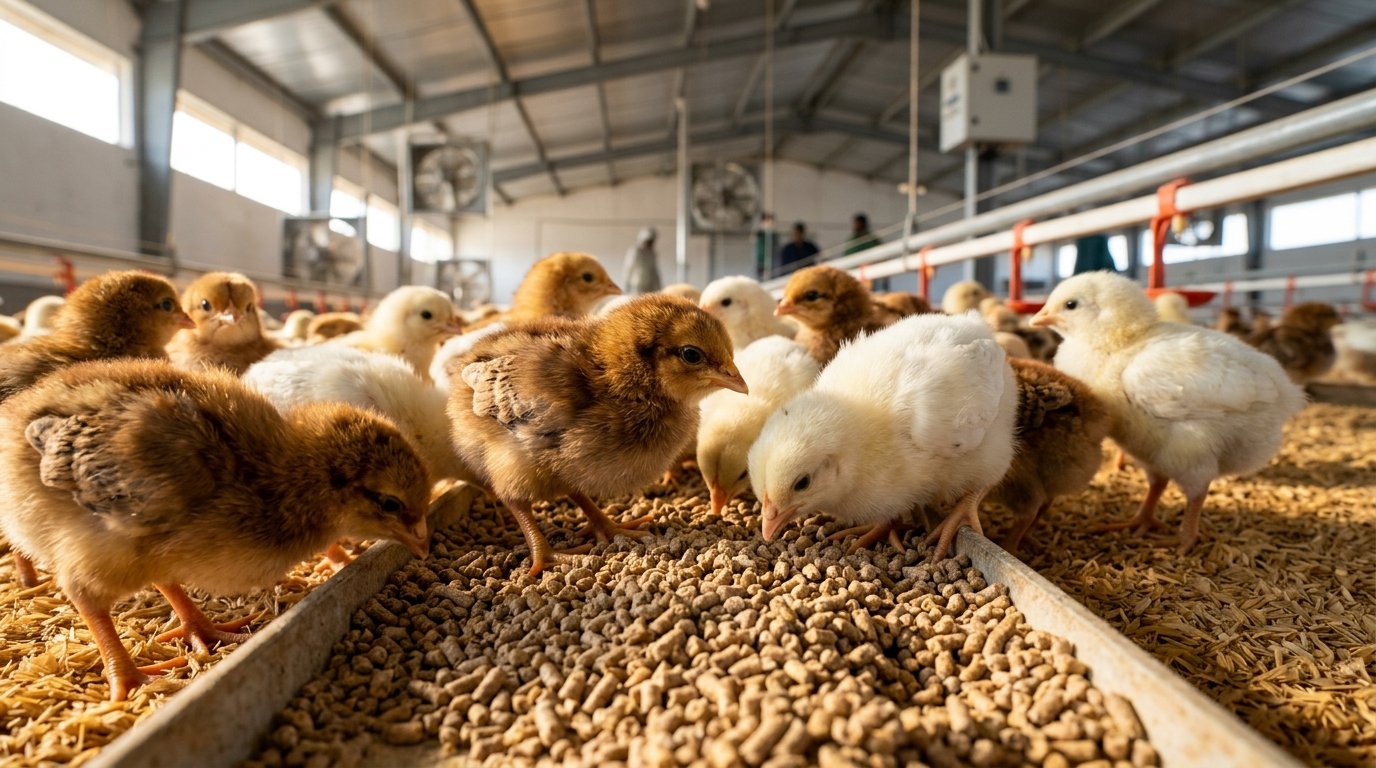
Pellets are created by compressing the feed mixture into uniform, compact cylinders. They minimize feed sorting, reduce waste, and are often more palatable for adult birds. The heat treatment during pelleting can also improve nutrient digestibility and kill some harmful bacteria.
Fermented Feed
Some poultry keepers advocate for fermented feed, where grains are soaked and fermented before feeding. This process can increase the digestibility of nutrients and potentially introduce beneficial probiotics, though it requires more labor and careful management to prevent spoilage.
Choosing the Right Feed: Commercial vs. Homemade
For most farmers, especially those with larger flocks, commercial feeds are the most reliable and convenient option. They are scientifically formulated to meet specific nutritional requirements, ensuring a balanced diet without the need for complex calculations or ingredient sourcing.
Homemade feeds can be an option for small backyard flocks, offering control over ingredients. However, formulating a nutritionally complete feed is challenging. Without precise balancing of protein, vitamins, and minerals, hens can suffer from deficiencies or excesses, leading to health problems and reduced productivity. Always consult with a poultry nutritionist if attempting homemade formulations.
Common Feeding Mistakes to Avoid
- Inconsistent Feeding Schedule: Hens thrive on routine. Irregular feeding can cause stress and reduce feed intake.
- Over-treating: While treats are fun, too many can unbalance a hen's diet, reducing their intake of essential nutrients from their primary feed. Treats should not exceed 10% of their daily intake.
- Lack of Grit: Hens need insoluble grit (small stones) to help them grind food in their gizzard, especially if they don't free-range.
- Feeding Spoiled Feed: Moldy or rancid feed can be toxic to hens, leading to illness or death.
- Ignoring Water Quality: Dirty or warm water can deter hens from drinking, leading to dehydration and health issues.
Feed Storage and Management
Proper feed storage is crucial for maintaining nutritional value and preventing contamination. Store feed in a cool, dry, rodent-proof, and airtight container. Humidity and heat can cause mold growth and nutrient degradation. Purchase feed in quantities that can be consumed within 2-3 weeks, especially in warm climates, to ensure freshness.
Conclusion
The quest for the 'best hen feed' is ultimately a journey towards understanding and meeting the precise nutritional demands of your flock at every stage of their life. By investing in high-quality, stage-appropriate feed, practicing diligent feed management, and ensuring access to clean water, poultry keepers globally can maximize their hens' health, optimize egg production, and ensure the long-term sustainability and profitability of their operations. Remember, a well-fed hen is a happy, productive hen.