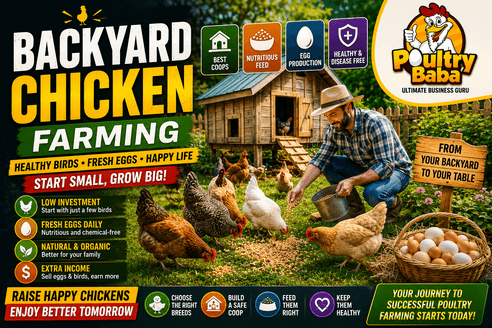



In the heart of Punjab, where the rhythms of agriculture dictate life, a silent revolution is gaining momentum: backyard chicken farming. Far from being a mere hobby, it's emerging as a vital component of household food security, sustainable living, and even a modest income generator. For families across Pakistan, especially in the vibrant communities of Punjab, raising a small flock of chickens offers a direct connection to fresh, organic eggs and meat, while fostering self-sufficiency. At Poultry Baba, we believe in empowering every Pakistani household to embrace this rewarding endeavor, providing world-class insights tailored to our local context.
Part 1: Laying the Foundation for Your Backyard Flock
Introduction to Backyard Chicken Farming in Pakistan
The allure of collecting warm, fresh eggs each morning, or knowing the precise origin of your family's poultry meat, is undeniable. Backyard chicken farming, often referred to as 'desi murgi palan' in our local dialect, represents a return to traditional values, enhanced with modern, scientific approaches. It's a journey towards healthier eating, reduced grocery bills, and a deeper appreciation for where our food comes from. Poultry Baba is here to guide you, step-by-step, ensuring your venture is both successful and sustainable.
Industry Overview: Backyard vs. Commercial Poultry
Pakistan's poultry industry is a cornerstone of its agriculture, contributing significantly to the national economy and providing affordable protein. While commercial broiler and layer farms dominate the market, backyard farming occupies a unique and crucial niche. It's often small-scale, typically involving a few dozen birds, managed by families for personal consumption and local sales. This segment is less susceptible to market volatilities that impact large commercial operations and focuses more on indigenous breeds known for their hardiness and flavor. Backyard farming supports rural livelihoods, enhances food diversity, and offers a more ethical approach to animal husbandry for many.
The Multifaceted Benefits of Backyard Chicken Farming
Embarking on backyard chicken farming offers a plethora of advantages:
- Fresh, Organic Produce: Enjoy eggs and meat free from commercial additives, often surpassing the quality of store-bought alternatives.
- Food Security & Self-Sufficiency: Reduce reliance on external food supply chains, ensuring a consistent source of protein for your family.
- Economic Savings: Significantly cut down on your family's grocery budget. Eggs and meat produced at home are often cheaper than market prices.
- Natural Pest Control: Chickens are excellent foragers, helping to control insects, slugs, and weeds in your garden.
- Rich Fertilizer Production: Chicken manure is a fantastic, nitrogen-rich fertilizer for your plants and garden.
- Educational & Therapeutic: A wonderful learning experience for children and a calming, engaging hobby for adults.
- Potential Income Stream: Surplus eggs and birds can be sold to neighbors or local markets, providing a supplementary income.
Global Trends & Pakistan's Perspective on Backyard Poultry
Globally, backyard chicken farming is experiencing a renaissance. From urban dwellers in Western cities seeking sustainable lifestyles to rural communities in developing nations enhancing food security, the trend is widespread. In Pakistan, this trend is amplified by a cultural affinity for fresh, home-grown produce and a growing awareness of health and nutrition. While developed nations focus on organic certification and ethical farming, Pakistan's context also emphasizes resilience against climate change impacts and economic empowerment for small landholders. Government initiatives and NGOs are increasingly recognizing the potential of backyard poultry in poverty alleviation and nutritional improvement, especially for women in rural areas. Poultry Baba is at the forefront of this movement, bringing global best practices to our local farmers.
Step-by-Step Guide: Starting Your Backyard Flock
1. Planning & Goal Setting
Before buying chicks, define your objectives. Do you want eggs, meat, or both? How many birds can your space accommodate? What is your budget? A clear plan prevents common pitfalls.
2. Breed Selection for Punjab's Climate
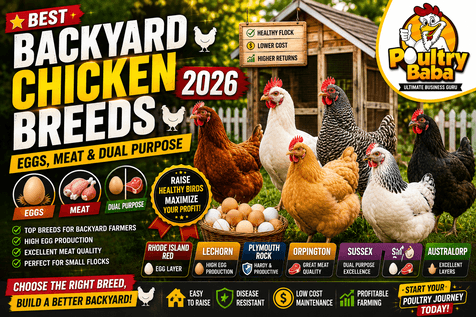
Choosing the right breed is crucial for success in Punjab's diverse climate. Consider these popular options:
| Breed | Key Characteristics | Suitability for Punjab |
|---|---|---|
| Desi (Indigenous) | Hardy, disease-resistant, excellent foragers, good mothers. Lower egg production but superior meat quality. | Excellent. Adapted to local conditions, heat tolerant. |
| Rhode Island Red | Dual-purpose (eggs & meat), docile, good layers of brown eggs. | Good. Can tolerate heat with proper shade and water. |
| Fayoumi | Highly heat-tolerant, good layers of small white eggs, disease-resistant. Energetic. | Very Good. Ideal for warmer regions of Punjab. |
| Black Australorp | Excellent layers of brown eggs, good meat birds, calm temperament. | Good. Requires more shade during peak summer. |
3. Sourcing Healthy Chicks
Purchase chicks from reputable hatcheries or local breeders recommended by Poultry Baba. Healthy chicks are active, alert, and have clean vents. Avoid buying from unknown sources to prevent introducing diseases to your flock.
4. Initial Brooder Setup
For the first 4-6 weeks, chicks need a warm, safe brooder. This can be a large plastic bin, cardboard box, or a dedicated brooder box. Key components:
- Heat Lamp: Essential for maintaining a temperature of 90-95°F (32-35°C) for the first week, gradually reducing by 5°F each week.
- Bedding: Pine shavings or straw (avoid cedar, which can be toxic).
- Feeder & Waterer: Chick-sized, easily accessible, and kept clean.
- Space: Allow at least 0.5 sq ft per chick to prevent overcrowding.
Part 2: Sustaining Your Flock with Poultry Baba's Expertise
Optimal Housing Solutions for Punjab's Environment
A well-designed coop is the cornerstone of a healthy flock. In Punjab, housing must protect against summer heat, winter cold, monsoon rains, and predators.
- Space: Aim for 3-4 sq ft per bird inside the coop and 8-10 sq ft per bird in an enclosed run. Overcrowding leads to stress and disease.
- Ventilation: Crucial for removing ammonia and moisture, especially during hot summers. Install vents near the roof line and lower, adjustable openings.
- Shade & Insulation: Position the coop to maximize natural shade. Consider insulating the roof for heat reflection in summer and warmth retention in winter.
- Roosting Bars: Chickens prefer to sleep on elevated perches. Provide 8-10 inches of roosting space per bird.
- Nesting Boxes: One nesting box for every 3-4 hens is usually sufficient. Keep them clean and dark for comfortable laying.
- Predator Protection: Use sturdy wire mesh (hardware cloth, not chicken wire) buried 6-12 inches deep around the run to deter digging predators like jackals and stray dogs. Secure all openings.
Nutritional Excellence: Feeding Your Flock
Proper nutrition is paramount for egg production, growth, and overall health.
- Starter Feed (0-8 weeks): High protein (18-20%) crumble.
- Grower Feed (8-18 weeks): Medium protein (16-18%) crumble or pellet.
- Layer Feed (18+ weeks): 16-18% protein, with added calcium for strong eggshells.
- Grit & Oyster Shell: Provide free-choice grit for digestion and oyster shell (for layers) for calcium.
- Water: Fresh, clean water must be available at all times. Use a waterer that keeps water clean and prevents drowning.
- Supplements & Treats: Offer kitchen scraps (vegetables, fruits, cooked grains) in moderation. Avoid avocado, chocolate, raw potato, and citrus.
Health Management & Biosecurity Protocols
Preventing disease is easier than treating it. Implement strict biosecurity measures:
- Cleanliness: Regularly clean and disinfect coops, feeders, and waterers. Change bedding weekly.
- Quarantine: Isolate new birds for at least 30 days before introducing them to the main flock.
- Vaccination: Consult a local veterinarian or Poultry Baba expert for a recommended vaccination schedule for common diseases like Newcastle Disease (ND) and Marek's Disease.
- Pest Control: Manage flies, mites, and lice. Regularly inspect birds for parasites.
- Observation: Daily observation of your flock for signs of illness (lethargy, ruffled feathers, diarrhea, decreased appetite). Early detection saves lives.
Economics of Backyard Chicken Farming in Pakistan
Backyard chicken farming can be a profitable venture, especially when considering the savings on groceries and potential income from sales.
| Expense Category | Approximate Cost (PKR, per bird/year) | Notes |
|---|---|---|
| Chicks (Day-old) | 50 - 150 (one-time) | Desi chicks might be cheaper; hybrids cost more. |
| Feed (Grower/Layer) | 2500 - 4000 | Varies greatly by feed brand, type, and bird's consumption. |
| Housing & Equipment | 500 - 1500 (amortized) | Initial setup cost spread over useful life. |
| Vaccination & Meds | 100 - 300 | Preventative care is cost-effective. |
| Total Annual Expense | ~3150 - 5950 | Excluding initial chick cost. |
Income Potential: A healthy layer hen can produce 150-250 eggs per year. At an average price of PKR 25-30 per desi egg, this translates to PKR 3750-7500 per hen annually. Plus, the value of meat from culled birds or surplus males. This demonstrates a strong potential for positive returns, especially when factoring in the organic premium.
Best Practices for Sustainable Backyard Chicken Keeping
- Integrated Pest Management: Chickens naturally control garden pests, reducing the need for chemical pesticides.
- Composting Manure: Utilize chicken droppings for composting, creating rich soil amendments for your garden.
- Water Conservation: Collect rainwater for drinking water or cleaning, if safe.
- Ethical Treatment: Ensure birds have ample space, proper nutrition, and a stress-free environment.
- Community Integration: Engage with local chicken farming communities to share knowledge and resources.
Future Outlook for Backyard Poultry in Pakistan
The future of backyard chicken farming in Pakistan is bright. With increasing consumer demand for organic and locally sourced food, coupled with a national push for food security and rural development, this sector is poised for significant growth. Innovations in feed technology, disease management, and sustainable farming practices, championed by organizations like Poultry Baba, will further empower small-scale farmers. Urban backyard farming is also on the rise, transforming city spaces into miniature food production hubs. Challenges include adapting to extreme weather patterns and consistent disease management, but with collective effort and knowledge sharing, these can be effectively mitigated.
Key Insights from Poultry Baba
Backyard chicken farming is more than just a means to an end; it's a lifestyle choice that brings numerous benefits to individuals and communities. From the unparalleled taste of fresh, organic produce to the economic advantages and the joy of connecting with nature, it's a truly rewarding endeavor. By following the comprehensive guide provided by Poultry Baba, every household in Punjab can successfully embark on this journey, contributing to a healthier, more sustainable Pakistan.