


More households than ever — from suburban backyards in the US and Canada to rooftops and small courtyards in Lahore, Faisalabad, and Karachi — are keeping a handful of chickens at home. The reasons overlap everywhere: fresher eggs, lower grocery dependence, and a genuine hobby that pays for part of itself. But most beginners jump straight to buying chicks without understanding breed selection, housing, or realistic production numbers — and that's where flocks fail in the first six months.
This comprehensive guide from PoultryBaba covers everything a first-time keeper needs: which breeds actually lay well, how much space and shelter your birds legally and practically need, what daily care looks like, and how backyard poultry farming compares whether you're doing it in Punjab's intense heat or a Midwest winter. Our aim is to equip you with the knowledge to establish a thriving, sustainable backyard flock, minimizing common beginner mistakes and maximizing your success from day one.
Backyard vs. Commercial: Know Your Scale First
Poultry operations are generally grouped into three tiers, and knowing which one you're in shapes every decision after this: Backyard Producer — typically fewer than 50 birds, with a low-budget setup primarily for personal use or a small farmers-market side income; Small Farm Flock — 50 to 300 birds, generating real supplemental income and often needing part-time labor; and Large Flock Production — 300 to 10,000+ birds, a full commercial operation requiring significant capital and management. Most home keepers, whether in Pakistan or abroad, comfortably sit in the backyard tier and can expand later without restarting from scratch. Understanding your scale early helps set realistic expectations for costs, labor, and egg output, preventing burnout and financial strain.
Best Backyard Chicken Breeds — Ranked by What They Actually Deliver
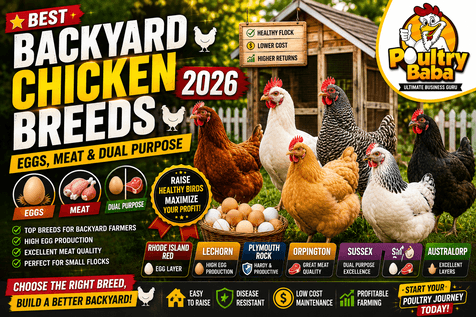
Breed choice determines almost everything downstream: feed cost, egg count, temperament, and how well the bird survives your climate. Based on long-term production tracking across multiple breeds, hybrid layers consistently outproduce heritage breeds in year one, while heritage breeds hold their output more consistently over a full five-year lifecycle. For the Pakistani context, heat tolerance and disease resistance are paramount.
| Breed | Eggs/Year | Best For | Key Traits (Pakistan Context) |
|---|---|---|---|
| ISA Brown (hybrid) | 310–320 | Maximum first-year egg output | Excellent for commercial backyard focus, but needs careful heat management. |
| White Leghorn | 280–300 | Hot climates, lowest feed cost per egg ($0.18) | Highly recommended for Punjab/Sindh due to heat tolerance and efficiency. |
| Rhode Island Red | 250–280 | Best long-term, hardy, great forager | Very adaptable, good for semi-free-range setups in Pakistan. |
| Plymouth Rock | 200–280 | Calm temperament, beginner-friendly | Docile, good for families, moderate heat tolerance. |
| Orpington | 180–250 | Cold hardiness, docile with kids | Less suitable for intense Pakistani summers without significant cooling. |
| Aseel (Desi) | 80–120 | Meat & ornamental, highly resilient | Prized for meat, fighting prowess, and extreme hardiness; lower egg production but highly resistant to local diseases. |
| Fayoumi (Desi) | 150-180 | Heat-tolerant, disease-resistant, active | Good option for eggs in hot climates, excellent foragers, relatively low feed intake. |
Rhode Island Reds are consistently rated among the most popular backyard breeds worldwide, prized for excellent egg production, a hardy build, and strong adaptability across climates — including the intense summer heat common across Punjab and Sindh, where heat-tolerant, disease-resistant breeds outperform delicate ornamental ones. Desi (indigenous) breeds like Aseel and Fayoumi remain the preferred choice for many Pakistani households too, valued for their resilience, ability to forage efficiently, and lower feed dependency, even though egg output per bird is lower than hybrid layers. They offer a sustainable, low-input option that aligns with traditional farming practices and cultural preferences.
Coop & Housing: The Non-Negotiables for Health and Security
Poor housing is the single biggest reason first-time backyard flocks get sick or attract predators. A properly planned coop needs to deliver on five fronts at minimum: adequate ventilation to prevent heat stress and disease, secure predator-proofing through sturdy wire mesh and locking doors, basic temperature control for extreme seasons, sufficient floor space, and easy-to-clean, drainable flooring. Neglecting any of these can lead to flock mortality and significant losses.
Ventilation: This is critically important, especially in Pakistan's hot climate. Proper airflow removes ammonia fumes, reduces humidity, and prevents heat buildup. Vents should be positioned high up on the coop walls to allow hot air to escape, with lower openings for fresh air intake. Ensure vents are predator-proofed. During peak summers, additional measures like fans or misters might be necessary.
Flooring & Bedding: A concrete floor with a deep litter system (wood shavings, rice hulls, or chopped straw) works well, providing insulation and absorbing moisture. The deep litter system, if managed correctly, can reduce cleaning frequency and even generate compost, which is a boon for any backyard garden.
Modular and portable "chicken tractor" coops have become increasingly popular with beginners because they offer flexibility and improved biosecurity — you can move the flock to fresh ground regularly instead of letting waste build up in one spot, which matters just as much in a Karachi backyard as it does on a Canadian homestead. This also provides birds with fresh foraging opportunities.
Daily Care & Feed Basics for Optimal Production
Daily upkeep for a small flock is manageable in under 20 minutes once a routine is set: fresh water, feed top-ups, an egg collection pass, and a quick health check for limping, discharge, or unusual droppings. Consistency is key to a healthy and productive flock. Feed cost varies significantly by breed — ranging from around $0.18 per egg for efficient layers like Leghorns up to $0.42 per egg for lower-producing breeds like Orpingtons — so breed selection directly controls your ongoing running cost, not just your upfront one.
- Water: Always provide clean, fresh water. Chickens drink a lot, especially in warm weather. Water consumption directly impacts egg production. Consider nipple drinkers or gravity-fed waterers for cleanliness.
- Feed: A balanced diet is paramount. Chick feed varies based on the chicken's life stage:
- Chick stage (0–8 weeks): High-protein starter feed (18-24% protein), typically medicated to prevent coccidiosis. Provide a heat lamp and a draft-free brooder.
- Grower stage (8–18 weeks): Transition to grower feed (16-18% protein), which supports growth without excessive fat. Gradually introduce outdoor access.
- Laying stage (18+ weeks): Switch to layer feed (16-18% protein) with added calcium (typically 3.5-4.5%) for strong eggshells. Free-choice oyster shells should also be provided to ensure adequate calcium intake.
- Grit: Chickens need insoluble grit (small stones) to help them digest food, as they don't have teeth. If they are free-ranging, they will find their own, but confined birds need it provided separately.
- Egg Collection: Collect eggs at least once daily, preferably twice, to prevent breakage, soiling, and brooding behavior.
Health & Disease Management: Keeping Your Flock Robust
Even in a small backyard flock, health management is crucial. Prevention is always better than cure. Maintaining a clean coop, providing proper nutrition, and observing your birds daily are the best lines of defense.
Common Ailments and Prevention
- Parasites: Mites and lice are common. Regular inspection and dust baths with diatomaceous earth can help. For internal parasites, good hygiene is key.
- Coccidiosis: A common intestinal disease in chicks. Medicated starter feed or vaccination is used for prevention.
- Respiratory Issues: Often caused by poor ventilation or drafts. Keep the coop dry and well-ventilated.
- Newcastle Disease & Gumboro (IBD): These are prevalent in Pakistan. Vaccination protocols are highly recommended, especially if you source chicks from various places. Consult with a local vet or poultry expert for a suitable vaccination schedule.
Biosecurity Practices
Biosecurity is a set of measures designed to protect your flock from disease. This includes:
- Limiting visitors to your coop area.
- Quarantining new birds for at least 30 days before introducing them to the main flock.
- Cleaning and disinfecting equipment regularly.
- Controlling rodents and wild birds that can carry diseases.
- Having separate footwear for coop work.
Egg Production & Troubleshooting: Understanding Your Hens' Cycle
A healthy hen will typically start laying around 18-24 weeks of age, depending on the breed. Egg production will peak in their first year and gradually decline thereafter. Factors influencing egg production include:
- Age: Production naturally decreases with age.
- Nutrition: Lack of protein, calcium, or essential vitamins will reduce egg output and shell quality.
- Light: Hens need 14-16 hours of light per day to maintain consistent egg production. Natural light alone might not be enough in shorter winter days or in deeply shaded coops. Artificial lighting can be used to extend daylight hours.
- Stress: Predators, overcrowding, changes in routine, or extreme temperatures can cause hens to stop laying.
- Moulting: Hens will periodically shed and regrow their feathers (moult), during which time egg production typically stops or significantly reduces. This usually happens once a year, often in autumn.
Economic Viability & Sustainability of Backyard Poultry
Beyond fresh eggs, backyard poultry offers several economic and environmental benefits:
- Cost Savings: While there's an initial investment, the long-term saving on store-bought eggs can be substantial, especially for regular consumers.
- Income Generation: Excess eggs can be sold to neighbors, at local markets (mandis), or even to small restaurants, providing a supplemental income stream.
- Pest Control: Chickens are excellent foragers, helping control insects, slugs, and other garden pests.
- Fertilizer: Chicken manure is a rich source of nitrogen and other nutrients, making it an excellent natural fertilizer for gardens and crops.
- Educational Value: For families, it offers a hands-on lesson in food production, animal care, and sustainability.
Backyard Poultry in Pakistan vs. Worldwide: What's Different
The core principles of breed, housing, and feed apply everywhere, but conditions differ enough to matter. In Pakistan, summer heat management, affordable local feed sourcing, and biosecurity against seasonal disease outbreaks (like avian influenza risk during migratory bird season) are the top concerns for backyard keepers. The availability of indigenous, highly resilient breeds like Aseel and Fayoumi offers unique advantages for low-input farming. Furthermore, community knowledge sharing and informal markets play a significant role in sourcing chicks and feed.
In North America and Europe, winter cold protection, predator pressure from raccoons and foxes, and local zoning or coop-size regulations tend to dominate beginner questions instead. While feed quality is generally standardized, organic and non-GMO options are niche and expensive. Access to veterinary care might be easier, but the emphasis on self-reliance and sustainable living remains a strong driver for backyard poultry enthusiasts.
Either way, the fundamentals — breed matched to climate, adequate space, consistent nutrition, and diligent health monitoring — decide whether a flock thrives or is abandoned within a year. PoultryBaba’s local insights specifically address the challenges and opportunities for backyard poultry enthusiasts across Pakistan, providing tailored advice that resonates with the local context.
Bottom Line for Beginners
Backyard poultry farming has genuinely low entry barriers, but "low barrier" doesn't mean "no planning." Pick a breed suited to your climate and goals, size your coop correctly from day one, and budget realistically for feed rather than assuming your birds will pay for themselves immediately. Track your egg counts for the first two months — it's the fastest way to know if your setup, breed, and feed choice are actually working. With the right start, your backyard flock will provide you with years of fresh eggs and rewarding experiences.
Quick Reference: Related Questions Beginners Search
- How many chickens can I keep in a small backyard?
- What is the cheapest chicken breed to raise?
- Do backyard chickens need a rooster to lay eggs?
- How long do backyard chickens live and keep laying?
- Best low-maintenance chicken breeds for beginners
- What are the legal requirements for keeping chickens in urban areas of Pakistan?
- How to protect backyard chickens from heat stress in summer?