


Backyard Chicken Feed Cost Calculator (2026): How Much It Really Costs to Feed 4–6 Hens Per Month in Pakistan
A data-backed breakdown of feed spending, startup costs, and true per-egg price for Pakistani backyard flocks — plus a method to run your own numbers.
Egg prices have been consistently high across Pakistan since 2023, fluctuating dramatically and often hitting peaks of PKR 300-350 per dozen in major cities like Lahore and Karachi. This volatility, coupled with a growing interest in self-sufficiency, has prompted a significant number of Pakistani households to embrace backyard poultry. However, the initial excitement often overshadows the crucial aspect of budgeting for feed. Feed, not the birds themselves, represents the continuous financial commitment that quietly accumulates month after month, year after year.
This guide from PoultryBaba.com breaks down exactly what a small flock costs to feed in Pakistan in 2026, considering regional variations and seasonal impacts, using a practical cost-per-unit approach—then provides you with a clear methodology to calculate your own flock's expenses.
Why Feed Is the Cost That Actually Matters
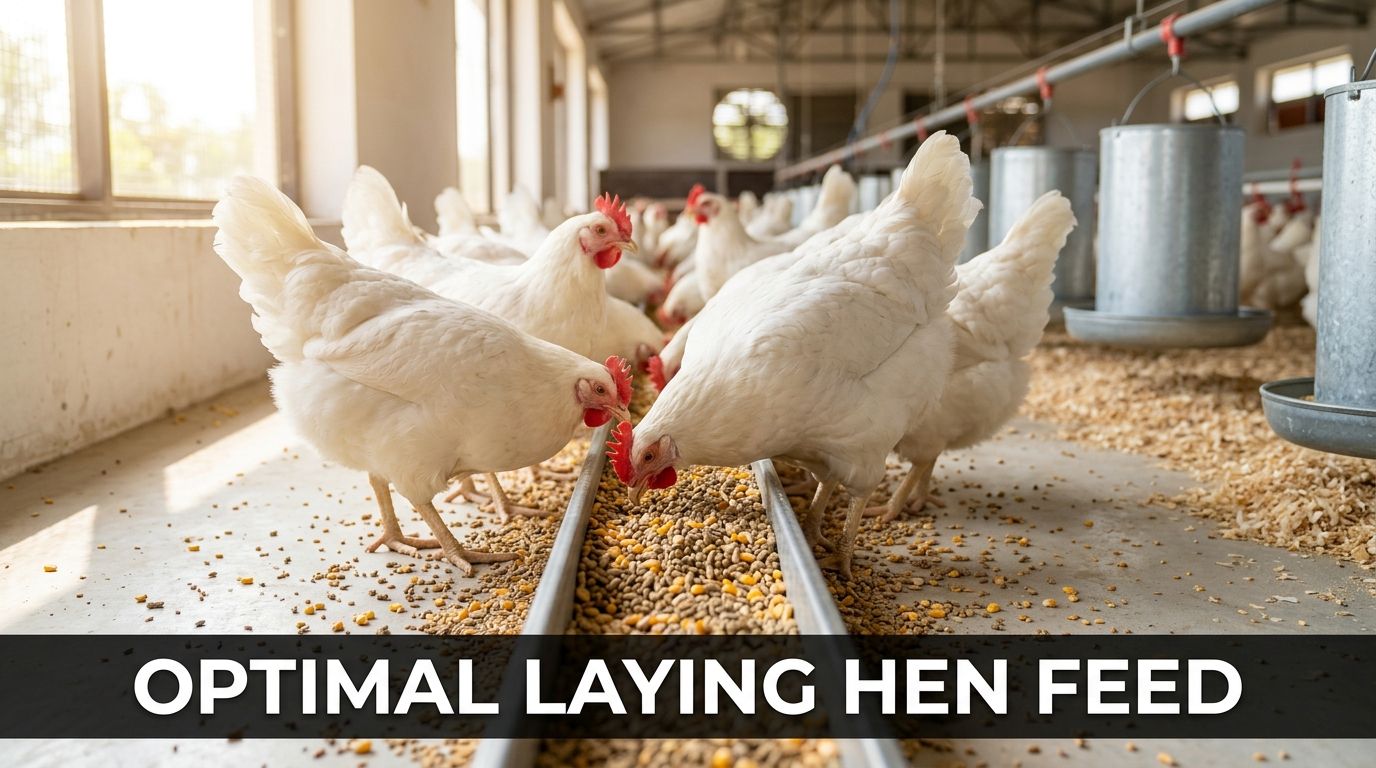
Day-old chicks (DOCs) are relatively inexpensive, and even a well-built coop is typically a one-time investment. However, feed is the recurring expenditure that truly determines the economic viability of your backyard flock. Poultry industry data in Pakistan supports this: the backyard chicken feed market is experiencing significant growth, with an increasing number of keepers opting for specialized, balanced feeds over generic grains or kitchen scraps to ensure optimal health and egg production.
Startup Costs vs. Monthly Feed Costs in Pakistan
Many first-time backyard chicken keepers in Pakistan underestimate the stark difference between initial setup costs and ongoing monthly bills. Here's a typical breakdown:
| Item | Typical Range (PKR) | Frequency |
|---|---|---|
| Day-old to started pullet | PKR 100 – PKR 1,500 per bird | One-time |
| Coop (DIY to premium) | PKR 15,000 – PKR 80,000 | One-time |
| Feeders, waterers, bedding | PKR 2,000 – PKR 7,000 | One-time / seasonal |
| Layer feed (per bird) | PKR 400 – PKR 700 / month | Recurring |
| Grit, supplements, healthcare | PKR 200 – PKR 600 / month | Recurring |
A starter flock of four hens in Pakistan can cost anywhere from PKR 400 to PKR 6,000 for the birds alone, depending on age and breed. Total first-year setup, including housing and basic predator protection, commonly ranges between PKR 25,000 and PKR 100,000. After this initial outlay, feed quickly becomes the dominant recurring cost, with most keepers reporting ongoing feed expenses between PKR 2,500 and PKR 4,500 per month for a small flock, depending on flock size and feed quality.
Calculate Your Real Feed & Per-Egg Cost with PoultryBaba.com
Understanding your true expenses is key. Here's how you can estimate your monthly feed spend and the actual cost per egg, helping you determine if your backyard eggs are genuinely more economical than store-bought ones in Pakistan. Use the following parameters to run your own calculation:
🐔 Your Backyard Flock Cost Estimator
Let's use an example with typical Pakistani market figures for a flock of 5 hens:
- Number of Hens: 5
- Feed per Hen: 115 grams (approx. 0.25 lb) per day
- Feed Price: PKR 6,500 per 50 kg bag (standard layer mash)
- Eggs Laid per Hen: 5 eggs per week
- Store Egg Price: PKR 320 per dozen
- Other Monthly Costs: PKR 500 (grit, occasional supplements, bedding)
What the Data Says About "Savings" in Pakistan
The candid truth, often overlooked in the romanticized view of homesteading, is that raising backyard chickens in Pakistan rarely translates to direct financial savings on eggs alone, especially during the initial years. Our example calculation above illustrates this; your home-produced eggs might cost slightly more than the equivalent from the market once all expenses are considered. While grocery store eggs typically cost PKR 25-30 each (at PKR 300-360/dozen), the true cost of a backyard egg can easily surpass this, especially when initial coop investments and irregular feed price hikes are factored in.
So Is It Worth It?
Financially, purely on a per-egg basis, usually not — especially in year one. However, the value proposition for backyard flocks in Pakistan extends far beyond mere cost. It encompasses food security, unparalleled egg quality and taste, the satisfaction of sustainable living, and the educational experience for families. In a country prone to price fluctuations and supply chain disruptions, having a reliable source of fresh, high-quality protein from your own yard is an invaluable asset. PoultryBaba encourages keepers to go in with realistic numbers, not just hope — and our guide provides the tools to achieve that clarity.
Regional and Seasonal Feed Price Swings Across Pakistan
Feed prices are not uniform across Pakistan. Regions like Punjab and Sindh, being major agricultural hubs with significant corn and soy production, often experience relatively lower feed costs due to proximity to raw materials and mills. In contrast, remote areas in Balochistan, Khyber Pakhtunkhwa (KPK), and mountainous regions typically face higher prices due to additional transport costs and logistics challenges.
- Punjab (e.g., Okara, Sahiwal, Rahim Yar Khan): Generally offers the most competitive feed prices due to dense poultry farming and feed mill presence.
- Sindh (e.g., Hyderabad, Mirpurkhas): Similar to Punjab, with good availability and competitive pricing, especially for corn-based feeds.
- KPK & Balochistan: Expect 10–25% higher feed prices due to transportation costs and less developed local feed infrastructure.
- Winter (Nov–Feb): Demand for higher energy feed increases, potentially leading to slight price bumps. Additionally, adverse weather can impact transportation.
- Summer (May–Aug): Feed consumption might slightly decrease due to heat, but overall grain prices can still fluctuate based on harvest cycles and international market dynamics.
Bottom Line
Backyard chickens in Pakistan offer a deeply rewarding hobby, a tangible hedge against food insecurity, and a source of superior-quality eggs. What they are not, in most cases, is a purely cheaper source of eggs than your local grocery store, especially when starting out. Use the calculation methodology provided by PoultryBaba to run your own numbers, track your actual monthly feed spend for a few months, and gain a clear understanding of your flock's true economic contribution and cost.