

Introduction
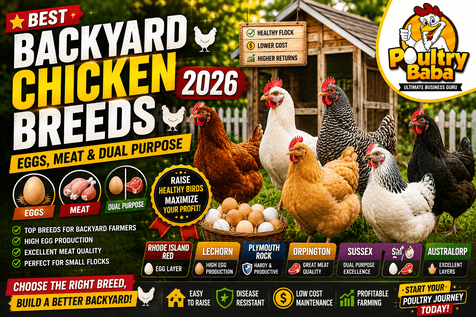
Backyard poultry farming has evolved from a household tradition into a modern agricultural movement. Across Pakistan, the United States, Europe, Australia, and many developing countries, families are raising chickens to produce fresh eggs, high-quality meat, reduce grocery costs, and even generate additional income.
One of the most important decisions any poultry keeper makes is selecting the right breed. A productive flock starts with birds that match the local climate, management system, and production goals.
A breed that lays over 300 eggs annually may struggle in extremely hot weather, while another breed may produce fewer eggs but offer better disease resistance and superior meat quality. Understanding these differences helps farmers achieve better profitability and healthier birds.
Why Choosing the Right Chicken Breed Matters
Different breeds have been developed for different purposes over many decades through selective breeding.
Your choice affects:
- Egg production
- Growth rate
- Meat quality
- Feed efficiency
- Disease resistance
- Temperament
- Climate adaptability
- Farm profitability
Selecting the wrong breed often results in higher feed costs, lower productivity, and unnecessary management challenges.
Global Backyard Poultry Industry Overview
According to the Food and Agriculture Organization (FAO), poultry is among the fastest-growing livestock sectors worldwide. Chicken meat is now one of the world's most consumed animal proteins because it is relatively affordable, efficient to produce, and accepted across diverse cultures.
Backyard poultry also plays a vital role in food security. Millions of rural households in Asia and Africa depend on small chicken flocks for nutrition and supplemental income. In developed countries such as the United States and Australia, backyard chickens have become increasingly popular due to the demand for fresh, locally produced eggs and sustainable living.
Best Backyard Chicken Breeds Comparison
| Breed | Purpose | Eggs/Year | Climate | Beginner Friendly |
|---|---|---|---|---|
| Leghorn | Eggs | 280–320 | Moderate | Excellent |
| Rhode Island Red | Dual | 250–300 | Hot & Cold | Excellent |
| Australorp | Dual | 250–300 | Hot | Excellent |
| Plymouth Rock | Dual | 220–280 | Moderate | Excellent |
| Orpington | Dual | 180–250 | Cold | Very Good |
| Sussex | Dual | 220–280 | Moderate | Excellent |
| ISA Brown | Eggs | 300–330 | Moderate | Excellent |
| Cornish Cross | Meat | Commercial | Moderate | Good |
| New Hampshire | Dual | 220–260 | Hot | Very Good |
| Wyandotte | Dual | 200–250 | Cold | Excellent |
Top Backyard Chicken Breeds
1. Rhode Island Red
Rhode Island Red is one of the world's most trusted backyard breeds.
Advantages
- Excellent egg production
- Good meat quality
- Strong disease resistance
- Performs well in hot and cold climates
- Calm temperament
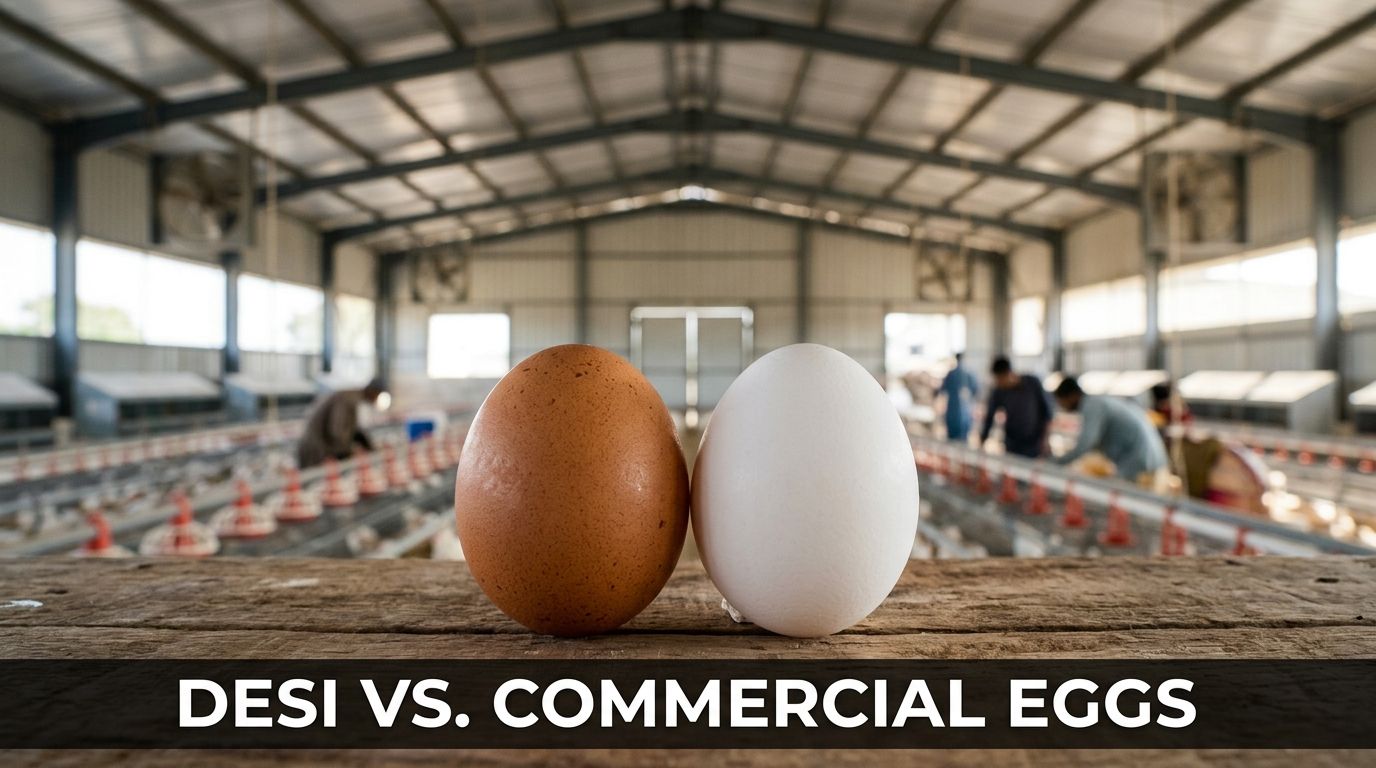
Egg Production: 250–300 brown eggs annually
Ideal for:
- Pakistan
- USA
- UK
- Australia
- India
2. Leghorn
Leghorns are among the most productive egg-laying chickens ever developed.
Commercial white egg farms around the world have relied on Leghorn genetics for decades due to their exceptional laying ability and efficient feed conversion.
Advantages
- Outstanding egg production
- Excellent feed efficiency
- Active birds
- Low maintenance
Egg Production: 280–320 white eggs per year
Best for: Farmers focused primarily on egg production.
3. Australorp
Originally developed in Australia, Australorps are famous for combining excellent egg production with calm behavior.
Advantages include:
- Friendly temperament
- Heat tolerance
- Excellent backyard breed
- Good meat quality
Annual Egg Production: 250–300 eggs
Excellent for Pakistan's climate.
4. Plymouth Rock
Plymouth Rock remains one of America's classic dual-purpose breeds.
Farmers appreciate it because it balances egg production, meat quality, and ease of management.
Egg Production: 220–280 eggs annually
Suitable for beginners and experienced poultry keepers alike.
5. Sussex
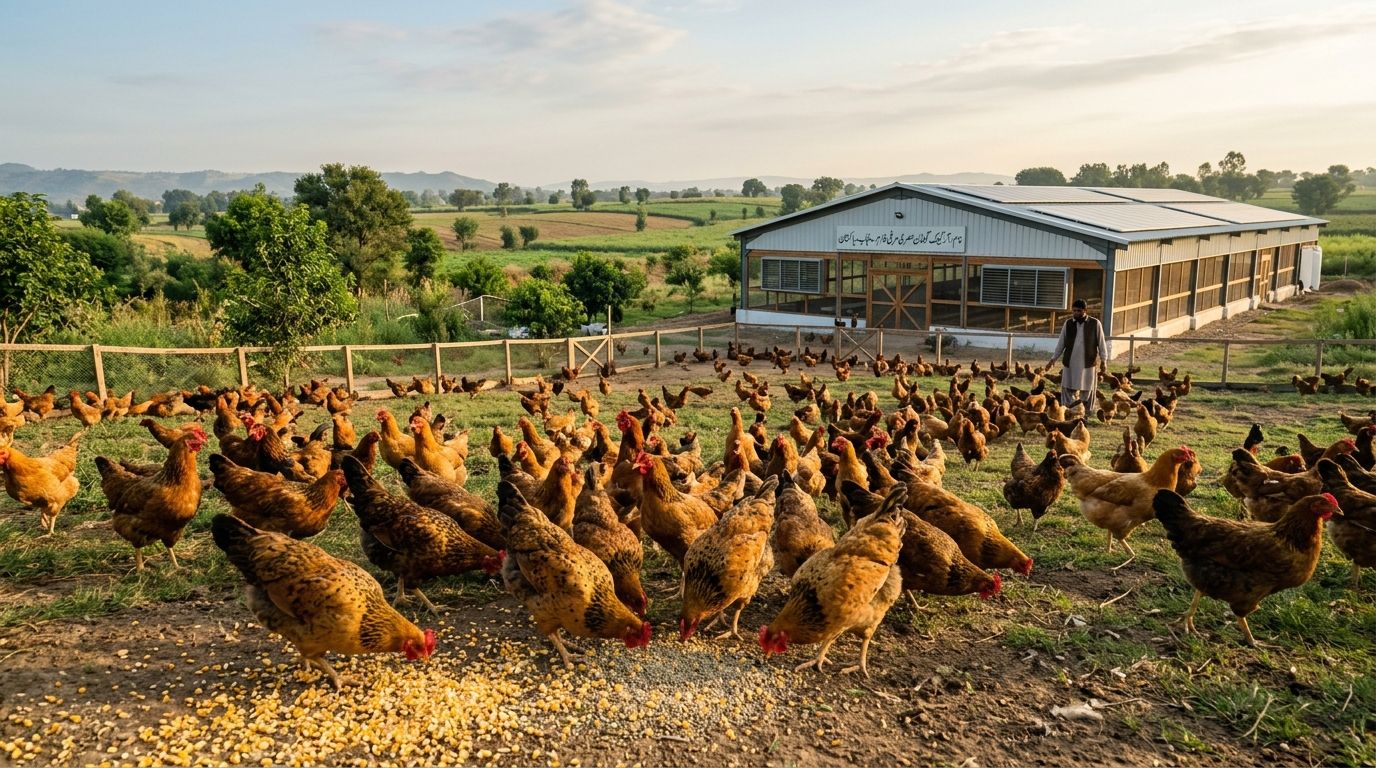
Sussex chickens are active foragers that perform well under free-range systems.
Advantages include:
- Dual-purpose production
- Friendly personality
- Good adaptability
- Efficient feed utilization
6. Orpington
Orpingtons are recognized for their gentle temperament and large body size.
Although they produce fewer eggs than Leghorns, they are excellent family birds and provide high-quality meat.
Best suited for:
- Small farms
- Backyard hobbyists
- Cold climates
7. ISA Brown
ISA Brown is one of the most productive hybrid laying hens available.
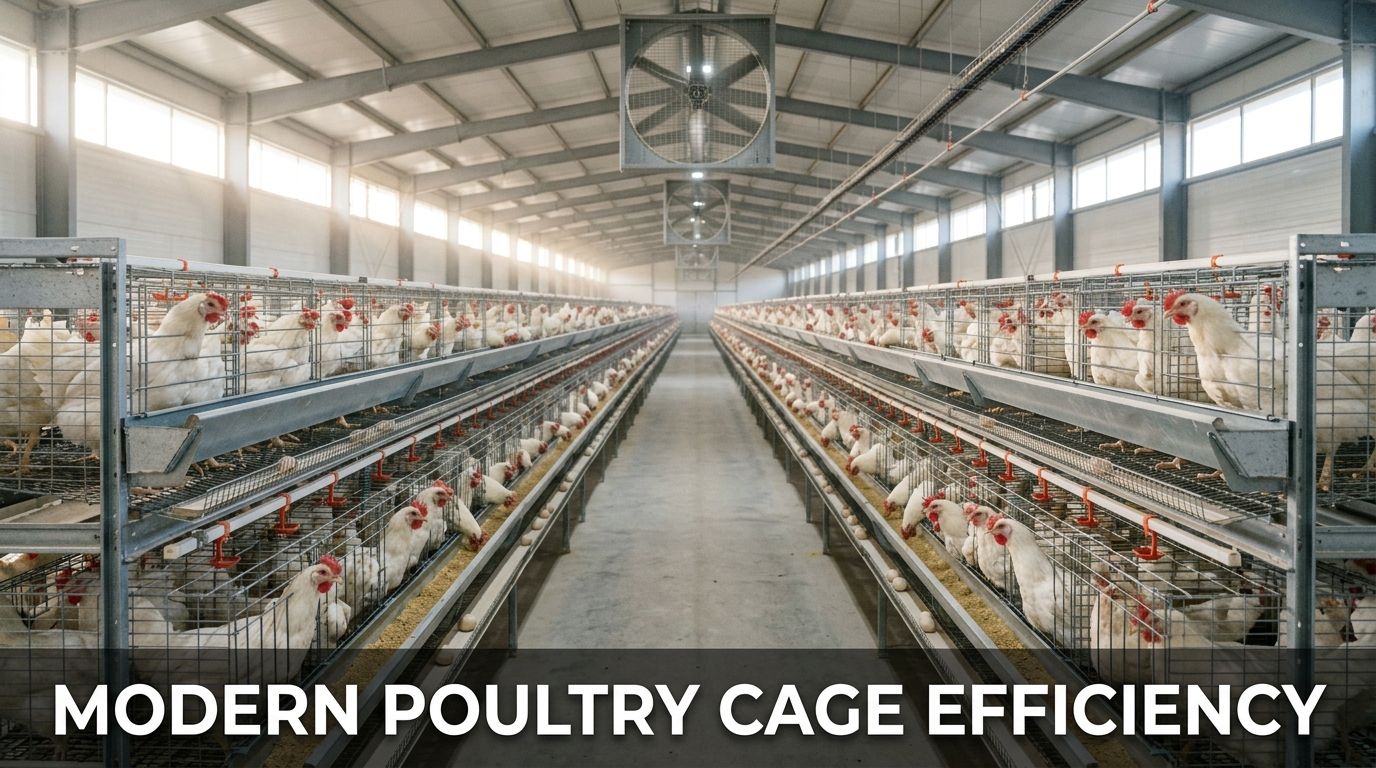
Many commercial layer farms select this hybrid because it consistently produces more than 300 eggs under good management.
Best for:
- Backyard egg businesses
- Small commercial farms
- Beginners
8. Cornish Cross
If your goal is meat production, Cornish Cross remains the global standard.
Characteristics:
- Extremely fast growth
- Excellent feed conversion
- Large breast meat yield
- Commercial broiler performance
This breed is generally unsuitable for long-term backyard egg production.
Best Chicken Breeds by Purpose
| Goal | Best Choice |
|---|---|
| Maximum Eggs | ISA Brown |
| White Eggs | Leghorn |
| Brown Eggs | Rhode Island Red |
| Meat | Cornish Cross |
| Beginners | Australorp |
| Families | Orpington |
| Dual Purpose | Plymouth Rock |
| Hot Climates | Australorp |
| Cold Climates | Wyandotte |
| Free Range | Sussex |
Best Breeds for Pakistan
Pakistan experiences long summers, high temperatures in many regions, and increasing feed costs. Farmers therefore benefit from hardy breeds that tolerate heat while maintaining good productivity.
Recommended breeds include:
- Rhode Island Red
- Australorp
- New Hampshire
- Leghorn
- Sussex
- Plymouth Rock
These breeds generally perform well under semi-intensive backyard management when provided with adequate shade, clean drinking water, balanced nutrition, and vaccination.
Best Breeds for the USA
The United States offers a wide range of climates, from the cold northern states to the warmer southern regions.
Popular backyard breeds include:
- Plymouth Rock
- Rhode Island Red
- Orpington
- Wyandotte
- Easter Egger
- Australorp
- ISA Brown
- Leghorn
Many American backyard poultry keepers also choose heritage breeds because of their longevity and excellent foraging ability.
Feeding Requirements
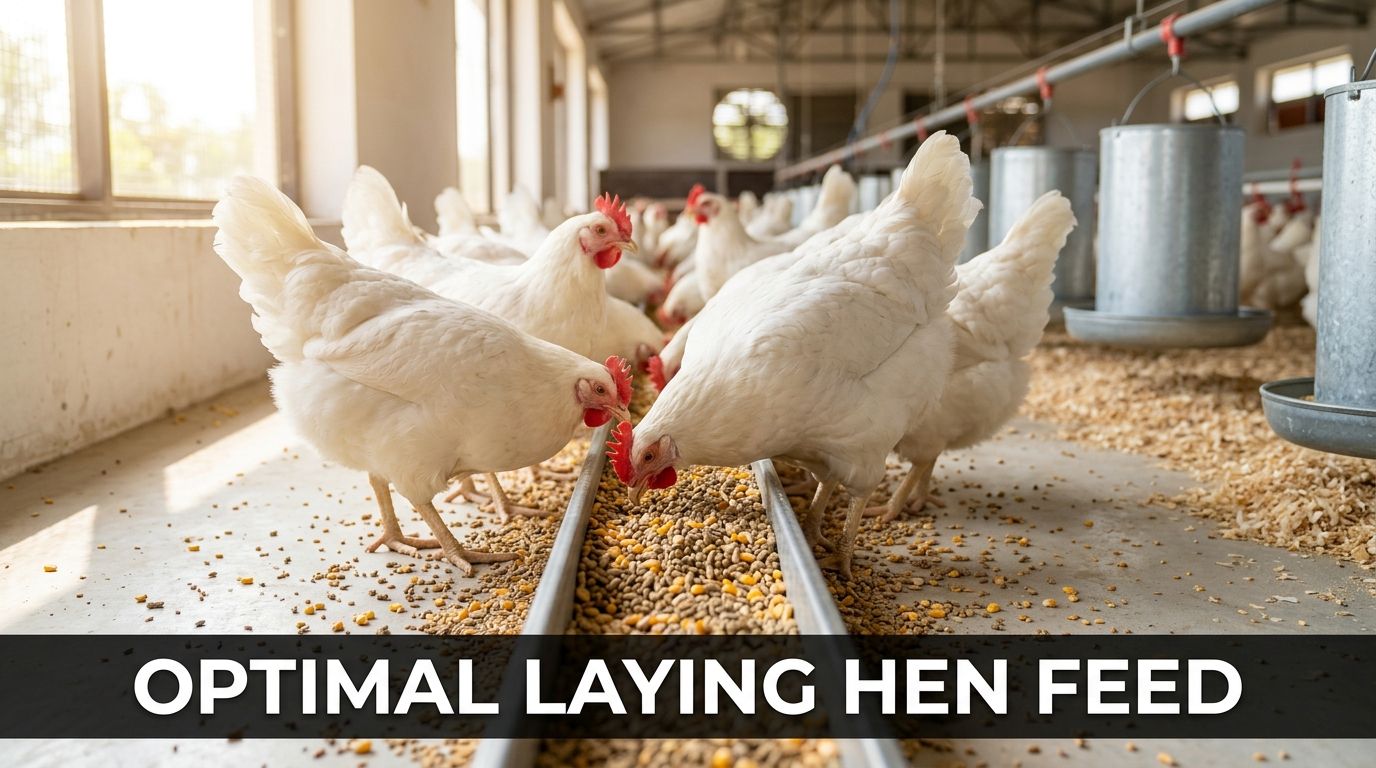
Even the best breed cannot reach its genetic potential without proper nutrition.
A balanced backyard feeding program should include:
- Protein-rich feed
- Energy from grains
- Calcium for laying hens
- Vitamins and minerals
- Clean drinking water
- Fresh greens when available
Proper nutrition improves egg production, immunity, shell quality, and overall flock health.
Common Mistakes When Choosing a Breed
Many beginners select chickens based solely on appearance. This often leads to disappointment.
Avoid these common mistakes:
- Ignoring local climate
- Buying from unreliable hatcheries
- Mixing aggressive and gentle breeds without planning
- Expecting meat breeds to produce many eggs
- Neglecting vaccination and biosecurity
- Choosing breeds without considering feed costs
Expert Tips
- ✔ Buy healthy chicks from reputable hatcheries.
- ✔ Vaccinate birds according to local veterinary recommendations.
- ✔ Provide predator-proof housing.
- ✔ Maintain strict biosecurity.
- ✔ Keep fresh water available throughout the day.
- ✔ Record egg production and feed consumption to monitor flock performance.
Future Outlook
Interest in backyard poultry is expected to remain strong through 2030 as consumers seek healthier food, greater food security, and sustainable farming practices. Advances in genetics, nutrition, and disease prevention are likely to improve flock productivity, while rising awareness of animal welfare may encourage greater adoption of heritage and dual-purpose breeds.
For Pakistan, expanding backyard poultry can contribute to rural livelihoods, household nutrition, and women's economic participation. Globally, small-scale poultry systems will continue to complement commercial production rather than replace it.
Key Insights
Choosing the best backyard chicken breed is about matching the bird to your objectives rather than chasing the highest production numbers. Egg specialists such as Leghorn and ISA Brown excel in laying performance, Cornish Cross dominates meat production, and versatile breeds like Rhode Island Red, Australorp, Plymouth Rock, and Sussex offer an ideal balance of eggs, meat, adaptability, and ease of management. By considering climate, nutrition, housing, and health management alongside breed selection, backyard farmers in Pakistan, the USA, and around the world can build productive, resilient flocks that support both household food security and sustainable income.