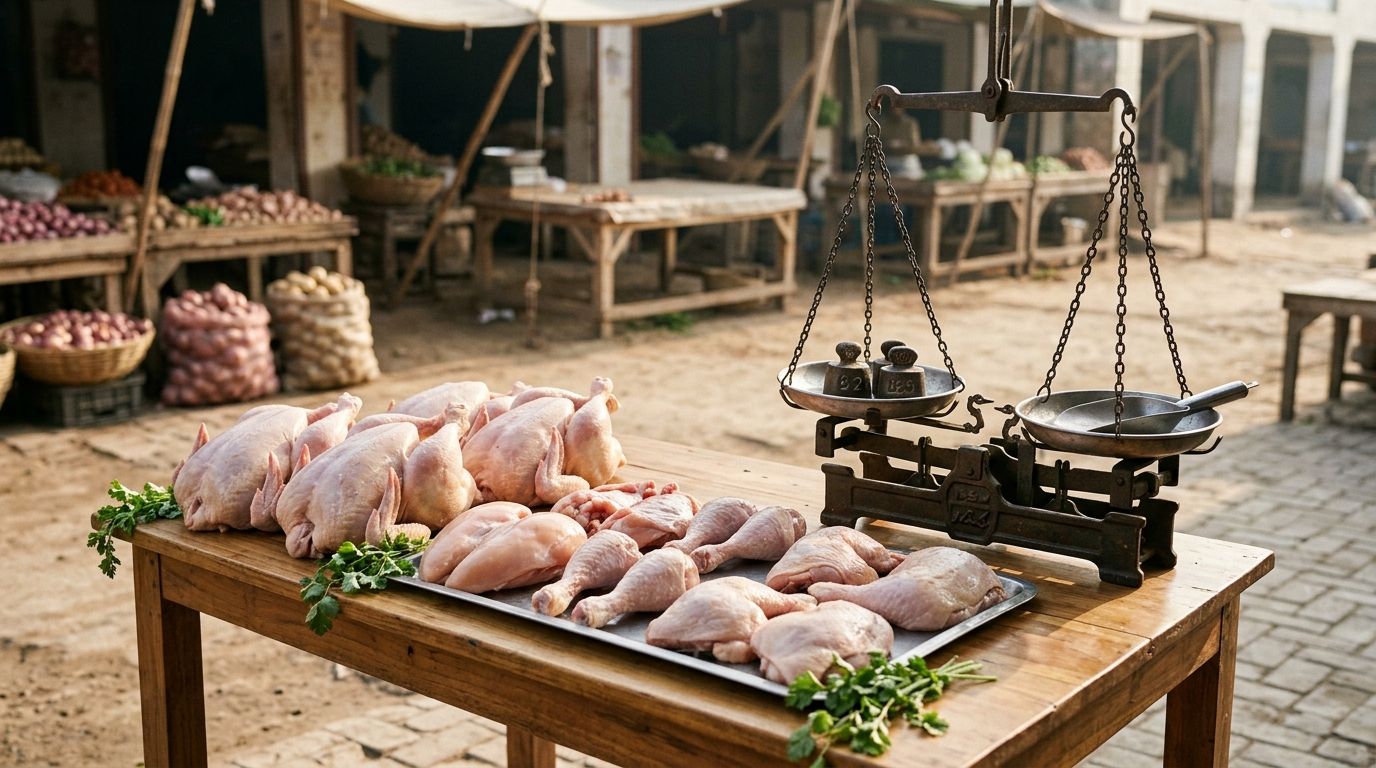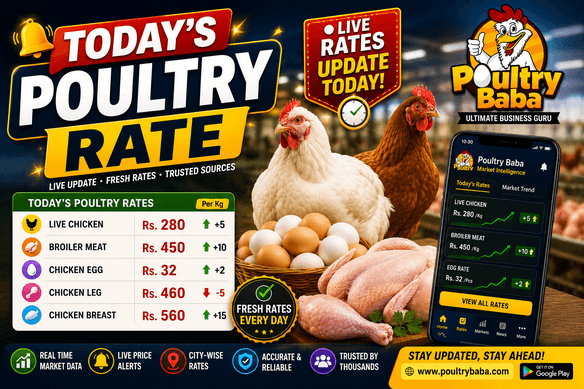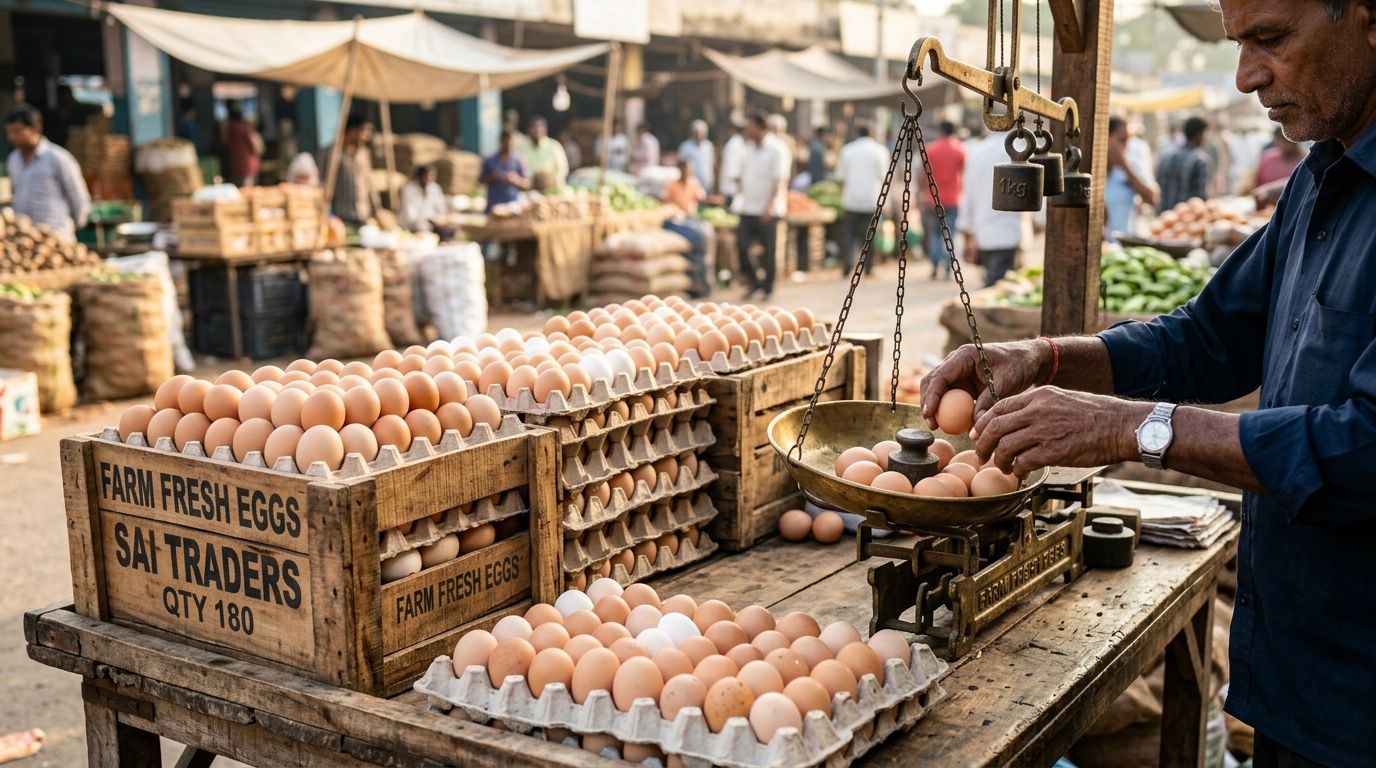



Understanding the "chicken rate today" is more than just knowing a number; it's about grasping the pulse of a vital industry that impacts millions in Pakistan. For farmers, dealers, and consumers across Punjab, daily poultry prices dictate profitability, purchasing power, and food security. At Poultry Baba, we are committed to bringing you the most accurate, timely, and data-enriched insights into the dynamic world of chicken rates, ensuring you're always one step ahead.
Understanding "Chicken Rate Today" in Punjab: A Poultry Baba Perspective
The poultry sector in Punjab, Pakistan's agricultural heartland, is characterized by its remarkable dynamism and responsiveness to a multitude of factors. Unlike many stable commodities, chicken rates can fluctuate significantly within a single day, driven by an intricate web of supply and demand forces. These include:
- Supply Volume: The number of birds available for sale, influenced by production cycles, farm closures, or new entrants.
- Consumer Demand: Peaks during festive seasons, public holidays, or cultural events, and dips during religious observances or economic downturns.
- Feed Prices: A major cost component, fluctuating with international commodity prices (soybean, maize) and local logistics.
- Weather Conditions: Extreme heat or cold can impact bird health, growth rates, and transportation.
- Disease Outbreaks: Avian diseases can lead to culling and significantly reduce supply, causing price hikes.
- Logistics and Transportation: Fuel prices and road conditions affect delivery costs from farm to market.
The Mandi System: Engine of Punjab's Poultry Pricing
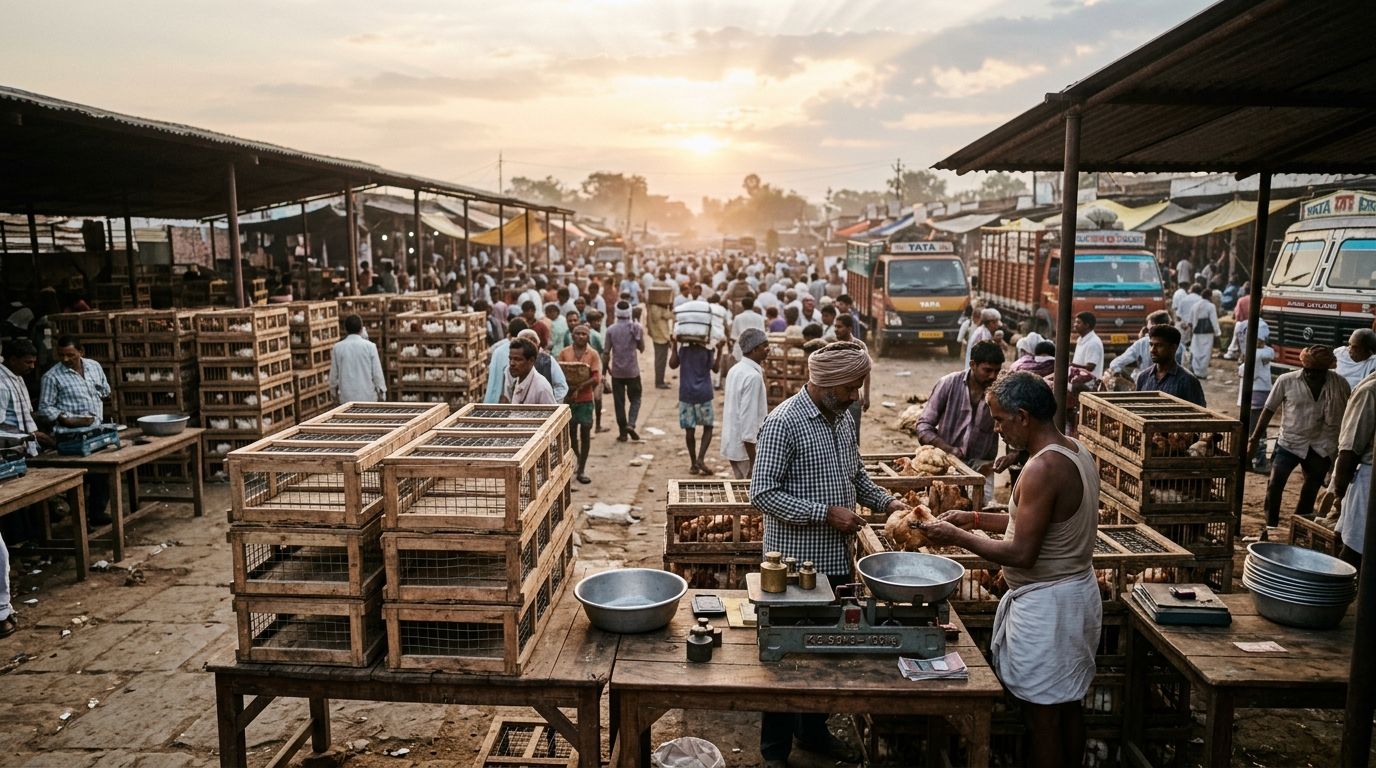
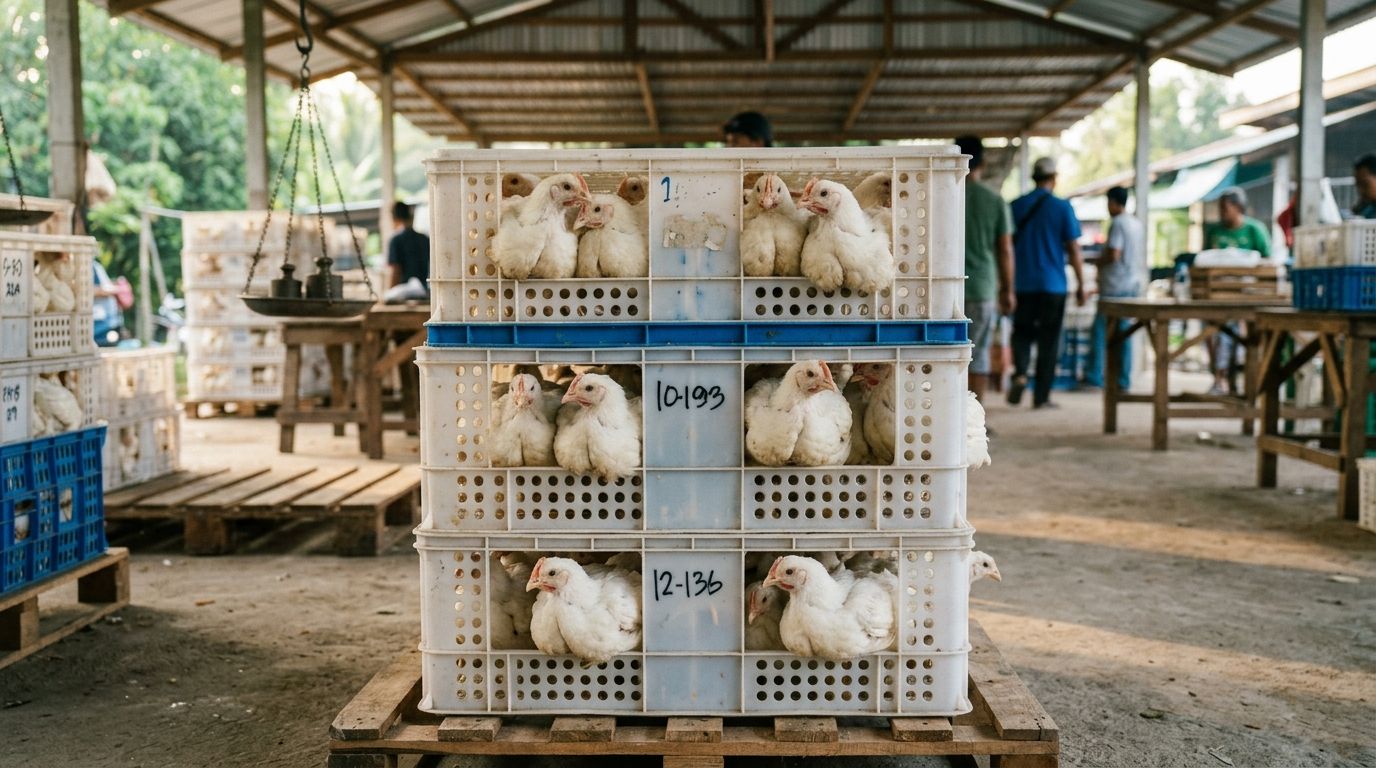
At the core of Punjab's poultry pricing mechanism lies the traditional mandi (wholesale market) system. Major cities like Lahore, Faisalabad, Rawalpindi, and Multan host bustling poultry mandis where daily auctions determine the prevailing rates for different categories of chicken.
How Mandi Auctions Set the Tone
Each morning, farmers bring their birds to the mandi, where authorized dealers and wholesalers bid for lots. This open auction process, often overseen by market committees, ensures a competitive environment. The interplay of available supply from various farms and the aggregate demand from retail butchers, restaurants, and catering services directly translates into the "chicken rate today" for that specific locality. The rates from these primary mandis often serve as benchmarks for pricing across smaller towns and rural areas.
Key Factors Driving Mandi Prices
While the mandi provides a transparent platform, several elements influence the bidding:
- Daily Arrivals: A flood of birds can depress prices, while scarce supply can push them up.
- Buyer Appetite: Large orders from major purchasers can stimulate higher bids.
- Quality and Weight: Healthier, well-fed birds within optimal weight ranges fetch better prices.
- Prevailing Economic Climate: General inflation or economic slowdowns impact consumer spending power and, consequently, demand for poultry.
A Deep Dive into Poultry Pricing Dynamics
The term "chicken rate" isn't monolithic; it encompasses various categories, each with its own market dynamics.
Broiler Chicken Rates: The Market Bellwether
Broiler chicken, due to its rapid growth and widespread consumption, forms the backbone of the commercial poultry industry. Its rates are the most frequently quoted and closely watched. Fluctuations in broiler rates directly impact the overall profitability of commercial farms. Prices can vary slightly based on bird weight, with heavier birds sometimes commanding a different premium or discount depending on market preference.
Desi and Layer (Cull) Rates: Niche Markets, Steady Demand
While smaller in volume, desi (native/local breed) chicken and culled layer hens (hens that have completed their egg-laying cycle) hold significant market segments. Desi chickens are prized for their distinct taste and are often preferred for traditional dishes, commanding a premium. Layer cull hens, though less meaty, are in constant demand for their use in soups and certain traditional culinary preparations, providing a steady, albeit lower, income stream for layer farmers.
The Unseen Hand: Feed Prices and Day-Old Chick Costs
One cannot truly understand the "chicken rate today" without acknowledging the colossal impact of input costs. Feed alone accounts for 60-70% of the total production cost. Global prices of corn, soybean meal, and other feed ingredients, coupled with local milling and transportation expenses, directly dictate the farmer's break-even point. Similarly, the price of day-old chicks, the starting material for broiler farms, is another critical input that varies with hatchery capacity and breeder flock performance.
Poultry Baba: Your Trusted Partner for Real-Time Data
At Poultry Baba, we bridge the information gap by providing real-time, accurate, and comprehensive data on chicken rates across Punjab. Our dedicated research unit meticulously collects data from primary mandi sources, farm-gate prices, and key industry stakeholders. This data is then processed and presented in an easy-to-understand format, empowering:
- Farmers: To make informed decisions about selling their flock, optimizing their production cycles, and negotiating fair prices.
- Dealers and Wholesalers: To manage their inventory, strategize procurement, and set competitive retail prices.
- Consumers: To understand market trends, identify fair prices, and budget their household expenses effectively.
Sourcing and Supply Chain: From Farm to Fork in Punjab
The journey of chicken from farm to fork involves a complex supply chain. Small and medium-sized farms, predominantly located in rural and peri-urban areas of Punjab, supply birds to the mandis. From there, wholesalers distribute to local butchers, supermarkets, and food service providers. Challenges include maintaining the cold chain, ensuring hygienic transportation, and minimizing mortality rates during transit.
Navigating Market Fluctuations: Strategies for Success
For Farmers: Maximizing Profitability
Farmers should focus on optimizing feed conversion ratios, minimizing disease incidence through stringent biosecurity, and closely monitoring market trends on platforms like Poultry Baba to sell their birds at opportune times. Diversification into different poultry types or staggered production can also mitigate risks.
For Dealers & Wholesalers: Smart Procurement
Success for dealers hinges on accurate demand forecasting and efficient inventory management. Building strong relationships with reliable farmers and staying updated on market intelligence allows for smart procurement strategies, avoiding both overstocking and shortages.
For Consumers: Value for Money
Understanding the factors behind price changes can help consumers make informed purchasing decisions. Opting for less expensive cuts or seasonal purchases can provide better value, while platforms like Poultry Baba offer transparency to ensure fair pricing.
The Broader Economic Impact and Future Outlook
The poultry industry in Pakistan is a significant contributor to the national economy, providing employment to millions and playing a crucial role in food security. However, it faces ongoing challenges such as rising input costs, disease management, and the impact of climate change. Efforts towards sustainable farming practices, improved genetics, and better market information dissemination, championed by initiatives like Poultry Baba, are vital for its continued growth and stability.
In conclusion, the "chicken rate today" in Punjab is a reflection of a dynamic and interconnected system. By providing timely, accurate, and in-depth information, Poultry Baba aims to empower every stakeholder, fostering transparency and contributing to a more resilient and prosperous poultry sector in Pakistan.