


Understanding Today's Chicken Rate in Punjab
The poultry sector in Punjab, Pakistan, is a vital component of the national economy, providing employment to millions and ensuring food security. For farmers, traders, and consumers alike, understanding the today chicken rate is not just a matter of commerce but a daily necessity. These rates are dynamic, influenced by a myriad of factors ranging from supply and demand to feed costs and even weather patterns. At Poultry Baba, we strive to bring you the most accurate, real-time insights into the broiler and layer market, ensuring transparency and empowering stakeholders across the value chain.
The Pulse of the Punjab Poultry Market
As of today, the Punjab poultry market exhibits a relatively stable trend, with minor fluctuations observed across different divisions. This stability is a testament to the resilience of the local industry, despite external pressures. Major urban centers like Lahore, Faisalabad, and Rawalpindi often dictate the primary price benchmarks, which then ripple across smaller towns and rural markets.
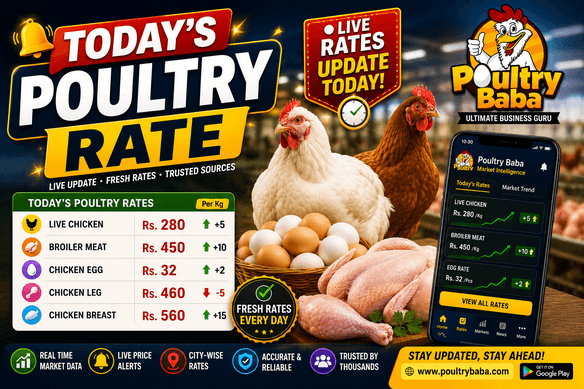
Live Broiler Rates: Live broiler rates typically represent the farm-gate price or the initial mandi auction price. These are critical for farmers to determine their profitability. Today, live broiler rates average around PKR 280-300 per kilogram in the central Punjab region, with slight variations based on bird weight and quality. Our daily updates reflect these granular changes, providing an essential tool for purchasing and selling decisions.
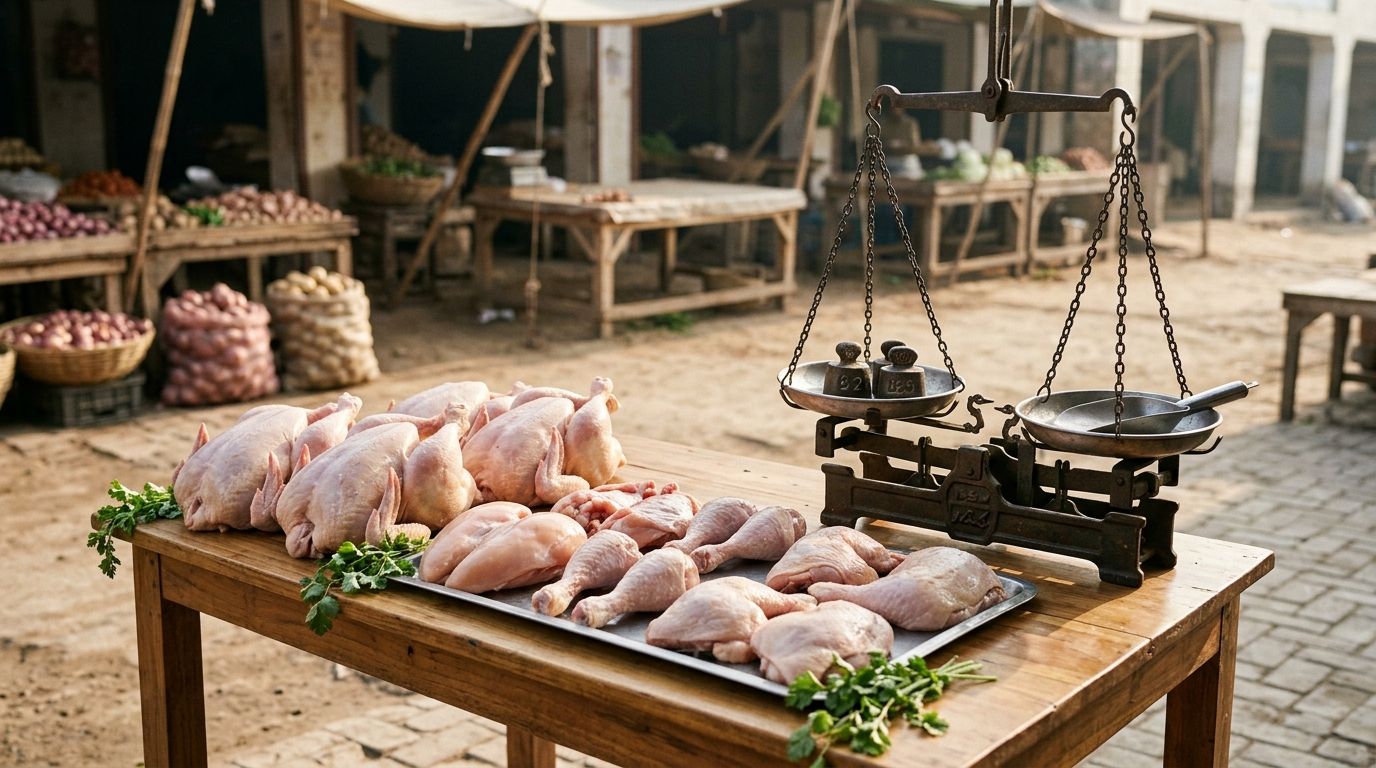
Processed Meat Rates: For consumers, the retail price of processed chicken meat (with bone, boneless, etc.) is the most relevant figure. These rates include processing costs, transportation, and retailer margins. Expect retail chicken meat prices to be approximately PKR 450-500 per kilogram for cuts with bone, and higher for boneless varieties, reflecting market demand and overheads.
Farm-Gate vs. Retail: Bridging the Gap: The difference between farm-gate prices and retail prices is a constant point of discussion. This gap is influenced by transportation costs, cold chain expenses, intermediary margins, and local market competition. Poultry Baba emphasizes monitoring both to provide a holistic view of market efficiency and fairness.
Key Factors Influencing Chicken Prices
Several interdependent factors contribute to the daily fluctuations and long-term trends of chicken rates in Punjab.
Supply and Demand Dynamics
The fundamental economic principle of supply and demand plays the most significant role. A surplus in production, often due to favorable weather or increased chick placements in previous weeks, can depress prices. Conversely, a sudden surge in demand (e.g., during wedding seasons or festivals like Eid) or a drop in supply (due to disease or adverse weather) can push prices upward.
Feed Costs and Raw Material Prices
Feed constitutes the largest component of poultry production costs, often accounting for 70-80%. The prices of key feed ingredients like maize, soybean meal, and various additives directly impact profitability. International commodity prices, exchange rates, and local agricultural yields for maize are crucial determinants. Any volatility in these inputs quickly translates into changes in chicken rates.
Disease Outbreaks and Weather Conditions
Poultry farming is susceptible to disease outbreaks, such as Avian Influenza or Newcastle Disease. A widespread outbreak can decimate flocks, leading to severe supply shortages and subsequent price hikes. Similarly, extreme weather conditions – be it excessive heatwaves causing heat stress and mortality, or heavy rains disrupting transport – can significantly affect bird health, growth rates, and market access, thereby influencing prices.
Government Policies and Regulations
Government interventions, including import duties on feed raw materials, subsidies for farmers, price controls, and health regulations, can also shape market dynamics. Policies aimed at supporting local farmers or ensuring consumer affordability directly impact the cost structure and final selling prices.
Mandi Operations and Sourcing Transparency
Transparency in price discovery is paramount for a fair poultry market. In Punjab, mandis (wholesale markets) serve as the primary hubs where prices are established through an auction mechanism.
The Role of Mandis in Price Discovery
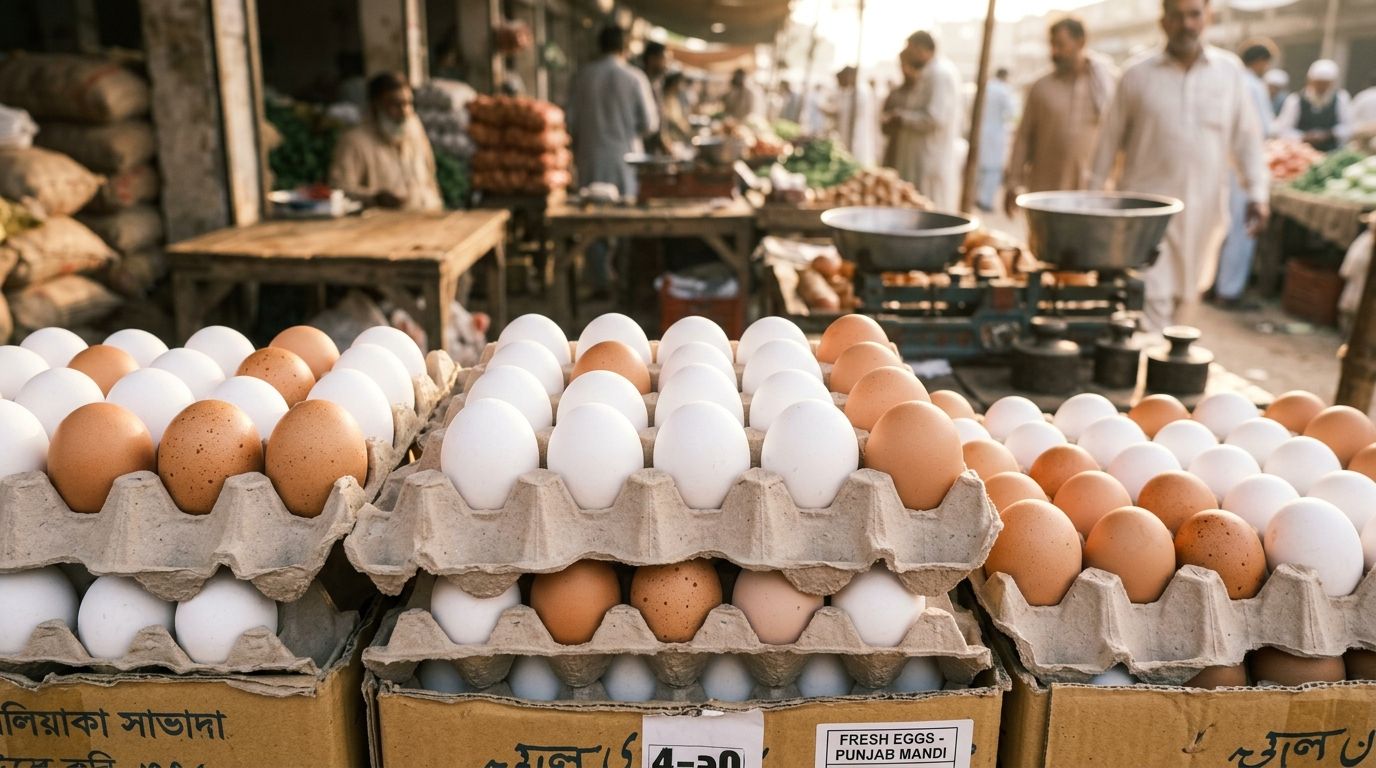
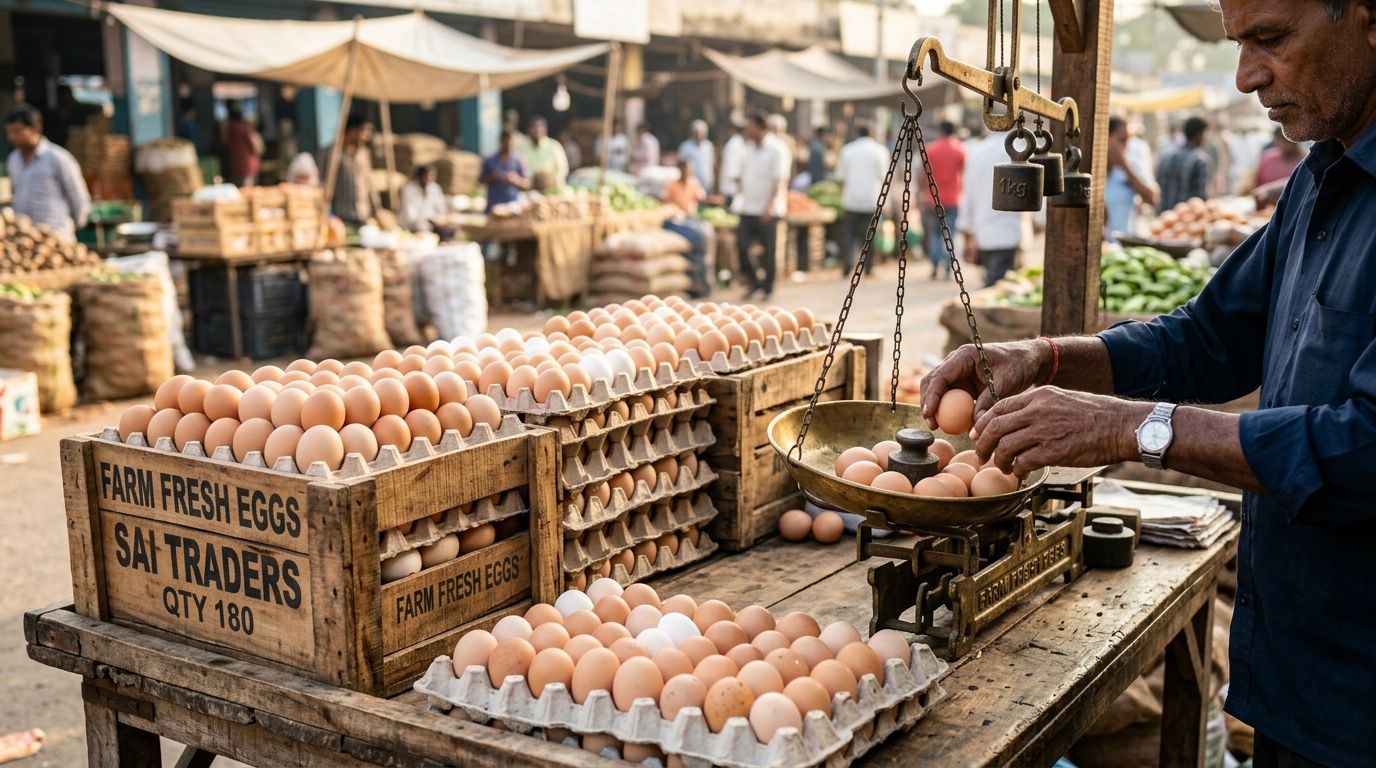
Major poultry mandis, such as those in Shahpur Kanjra (Lahore), Faisalabad, and Rawalpindi, are central to the price-setting mechanism. Here, farmers bring their birds, and commission agents facilitate auctions where wholesalers and retailers bid. The prevailing bids on a given day essentially determine the daily mandi rate, which then acts as a benchmark for the wider market. This system, while traditional, provides a competitive environment for price discovery.
Poultry Baba: Your Trusted Source for Mandi Rates
At Poultry Baba, we understand the critical need for accurate mandi rates. Our dedicated teams work tirelessly to collect data directly from key mandis across Punjab. We corroborate information from official channels, direct observations, and a network of trusted industry contacts to ensure the data we publish is both timely and reliable. Our mission is to democratize access to this crucial market intelligence.
Geographical Variations Across Punjab
While Punjab as a whole follows general trends, localized supply-demand dynamics and logistical factors create distinct price variations across its divisions.
Lahore Division
As the provincial capital and a major consumption hub, Lahore often sees some of the highest retail prices due to strong demand and higher operational costs. However, its proximity to major production zones helps stabilize live bird rates.
Faisalabad Division
A significant agricultural and industrial center, Faisalabad is both a major producer and consumer of poultry. Prices here tend to be competitive, reflecting a balance between local production capacity and urban demand.
Rawalpindi/Islamabad Region
The twin cities, being urban and adjacent to the federal capital, command premium prices. Logistics from southern Punjab production zones can add to costs, influencing retail rates.
Multan/South Punjab
Southern Punjab is a crucial production area. While farm-gate prices might be slightly lower due to abundant supply, transportation costs to major northern consumption centers can sometimes equalize retail prices, albeit with potential local disparities.
Navigating the Future: Trends and Outlook
The poultry industry in Punjab is continually evolving. We anticipate a continued focus on improving supply chain efficiencies, integrating technology for better farm management, and a gradual shift towards more climate-resilient farming practices. As consumer awareness about health and food safety grows, there will also be an increased demand for quality assurance and traceability within the poultry value chain. Poultry Baba will remain at the forefront, documenting these transformations and providing you with critical insights into the future of the today chicken rate and beyond.