

Welcome to Poultry Baba's comprehensive daily update on the chicken rates in Lahore, Punjab. As the heart of Pakistan's poultry industry, Lahore's market dynamics serve as a crucial indicator for the wider region. Our commitment is to provide timely, accurate, and data-enriched insights for farmers, traders, and consumers alike, ensuring everyone has access to the most current information to make informed decisions.
The poultry sector in Pakistan, especially in Punjab, is a cornerstone of the agricultural economy, providing an affordable source of protein to millions. Understanding the daily fluctuations in chicken rates is not just about price; it's about grasping the complex interplay of supply chain efficiencies, input costs, and consumer demand that defines this vital industry.
Today's Chicken Rates in Lahore: A Snapshot
As of today, the Lahore poultry market exhibits a delicate balance. While overall supply remains robust, factors such as feed prices and seasonal demand continue to exert their influence on the daily rates. Here’s a detailed breakdown of current prices:
- Broiler Live Chicken (Farm Gate): PKR 385 - 395 per KG
- Broiler Meat (Retail, with skin): PKR 560 - 575 per KG
- Broiler Meat (Retail, skinless): PKR 590 - 610 per KG
- Boneless Chicken (Retail): PKR 880 - 920 per KG
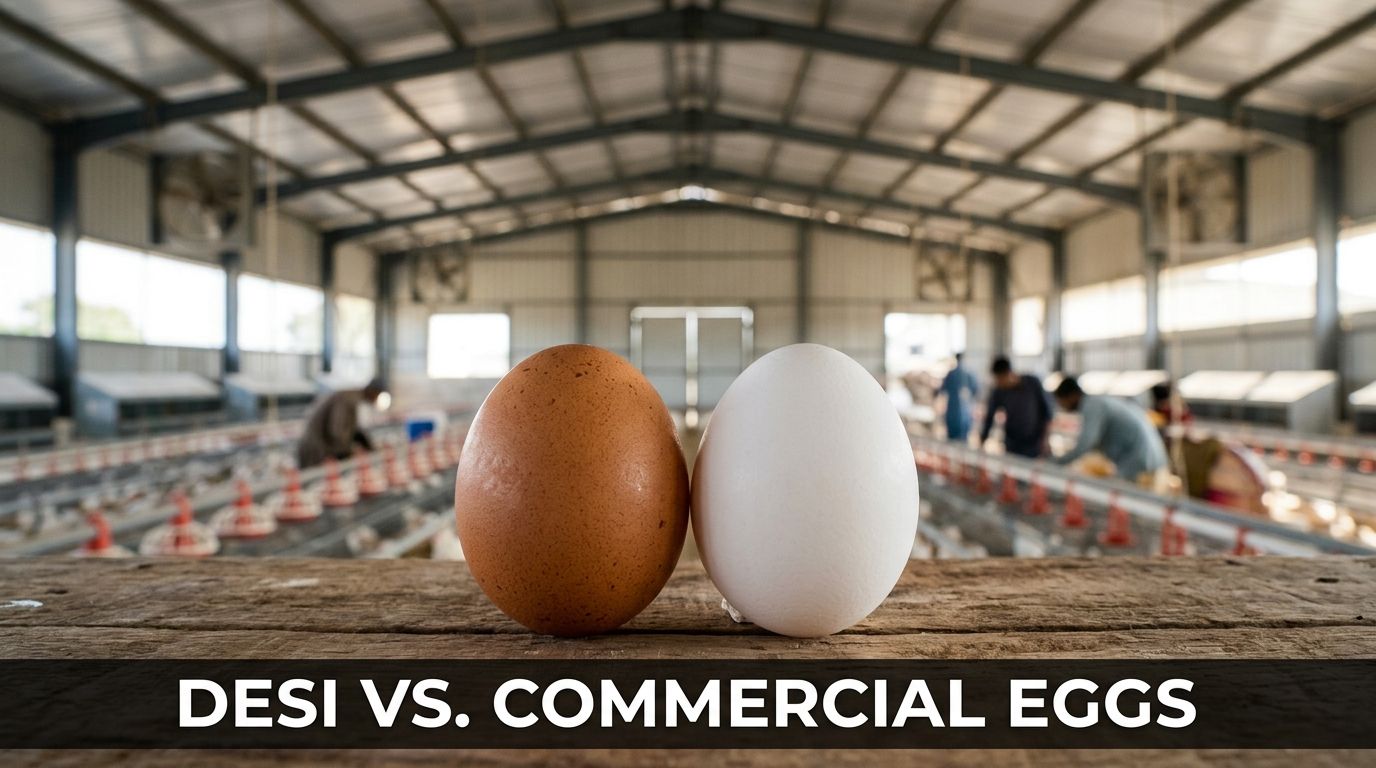
- Eggs (Farm Gate): PKR 295 - 305 per dozen
- Eggs (Retail): PKR 315 - 330 per dozen
(Please note: These rates are indicative and based on real-time data collected from key Lahore mandis and retail points. Actual prices may vary slightly based on specific locality and retailer.)
Understanding Lahore's Mandi Dynamics
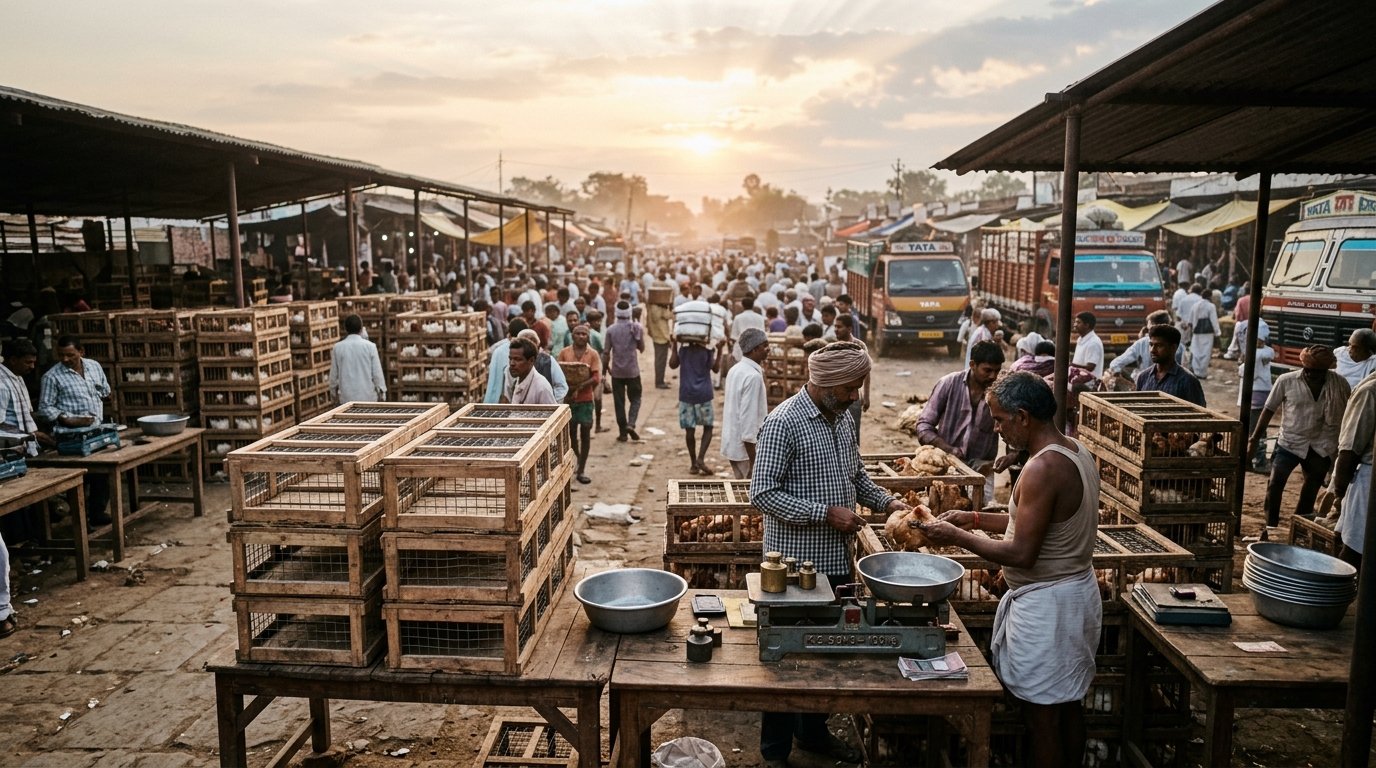
The daily chicken rates in Lahore are primarily determined through a transparent auction system conducted at various central mandis (wholesale markets). These auctions reflect the immediate supply from farms and the aggregated demand from retailers, restaurants, and bulk buyers. The process is critical for setting the benchmark prices that ripple through the entire supply chain.
The Journey from Farm to Fork
The chicken's journey from a farm in rural Punjab to a plate in Lahore involves several crucial stages:
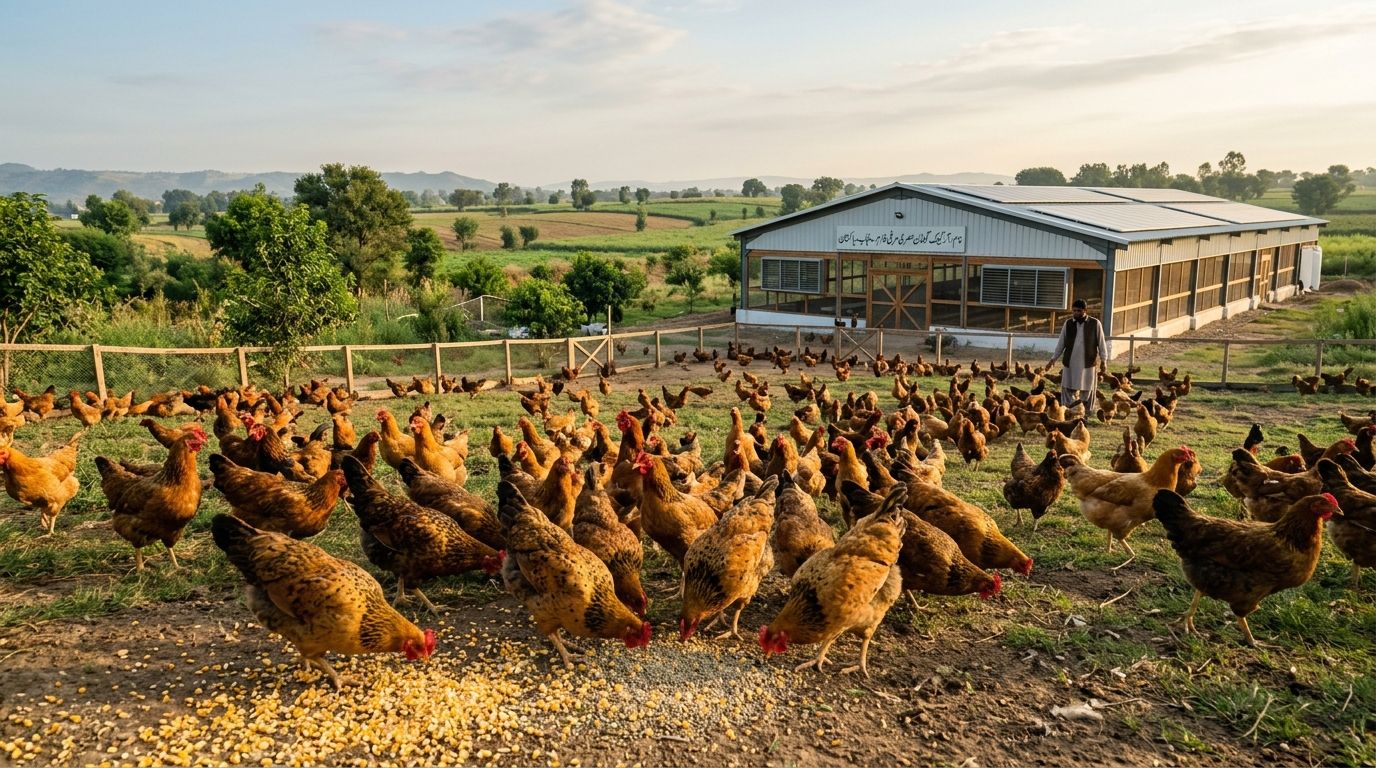
- Farm Production: Farmers raise broilers, focusing on optimal growth and health.
- Transportation: Birds are transported to city mandis, often facing challenges like fuel costs and vehicle maintenance.
- Mandi Auction: Wholesalers bid on the day's stock, establishing farm-gate prices.
- Retail Distribution: Wholesalers then distribute to smaller retailers and butchers across Lahore.
- Consumer Purchase: The final price includes margins for retailers, processing, and local transportation.
Key Factors Influencing Chicken Prices in Lahore
Several variables contribute to the daily fluctuations and long-term trends of chicken rates. A holistic understanding of these factors is vital for all stakeholders:
1. Feed Prices
Feed constitutes 70-80% of the total production cost for poultry farmers. Any increase in the prices of raw materials like corn, soybean meal, or other supplements directly impacts the cost of raising chickens, inevitably translating to higher market prices. Global commodity prices, import duties, and local agricultural yields play a significant role here.
2. Supply and Demand Balance
Basic economic principles heavily influence prices. An oversupply of birds in the market typically leads to lower prices, while a shortage, often due to seasonal factors (like extreme weather affecting growth or disease outbreaks), can drive prices up. Festivals (e.g., Eid), wedding seasons, and colder weather generally boost demand.
3. Disease Outbreaks
Poultry diseases, such as Avian Influenza or Newcastle Disease, can devastate flocks, leading to significant reductions in supply. Fear among consumers might temporarily reduce demand, but sustained outbreaks usually result in sharp price increases as supply dwindles.
4. Fuel and Logistics Costs
The cost of transporting poultry feed to farms and live chickens to mandis and retail points is a significant overhead. Fluctuations in fuel prices directly impact these logistics costs, affecting the final retail price.
5. Weather Conditions
Extreme temperatures, both hot and cold, can stress chickens, impacting their growth rates and mortality. Farmers invest more in climate control during adverse weather, increasing production costs, which eventually reflects in market prices.
Economic Ripple Effect: Who Feels the Impact?
Changes in Lahore's chicken rates have widespread economic implications:
- Farmers: Direct impact on profitability, affecting their ability to reinvest and sustain operations.
- Retailers & Wholesalers: Margin management becomes critical, balancing competitive pricing with operational costs.
- Consumers: Affordability of a key protein source, impacting household budgets and dietary choices.
- Related Industries: Feed mills, hatcheries, pharmaceutical companies, and transport services are all indirectly affected.
Poultry Baba's Commitment to Transparency
At Poultry Baba, we understand the critical need for accurate and timely poultry market information. Our dedicated team works tirelessly to collect, verify, and disseminate the most current chicken rates from Lahore and across Punjab. We aim to be your trusted partner, offering not just data, but also expert analysis and foresight to help you navigate the dynamic poultry landscape.
Future Outlook for Lahore's Poultry Market
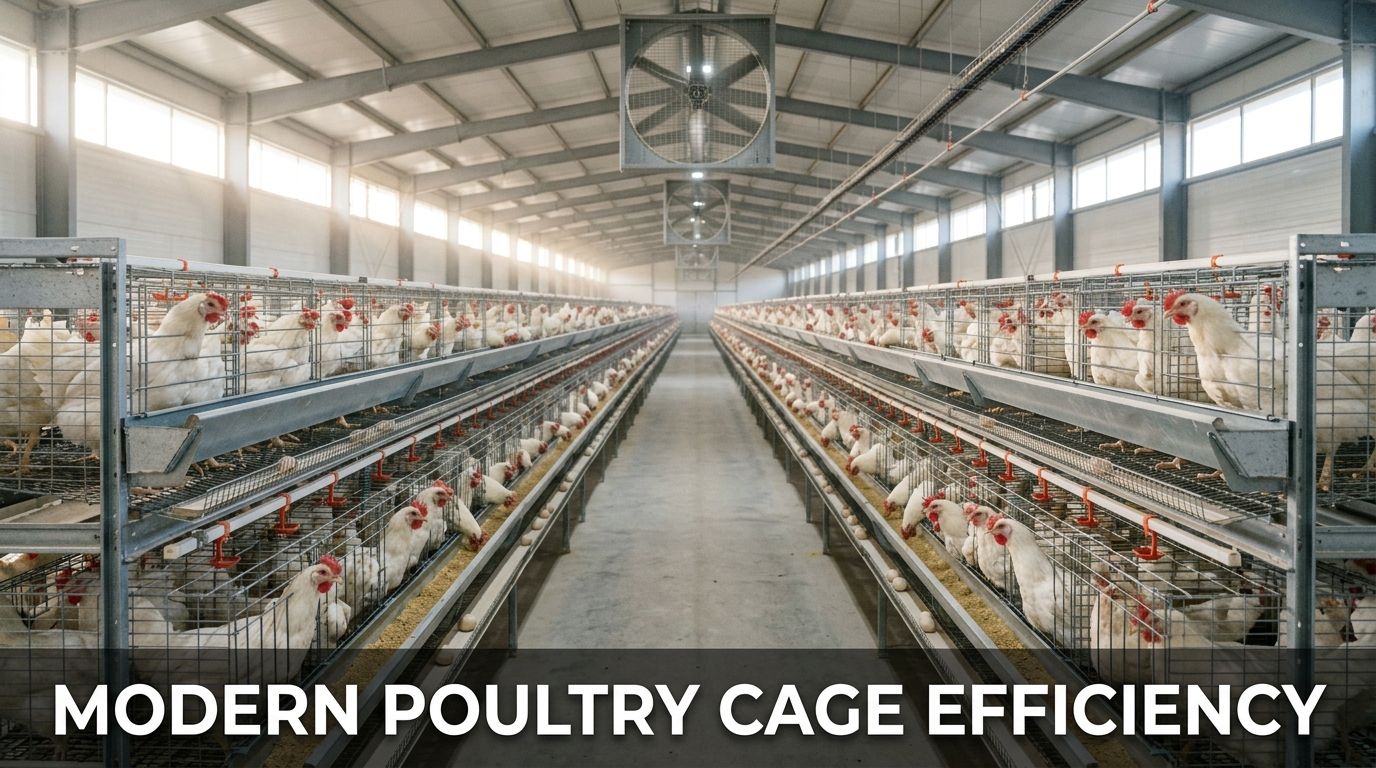
The short-term outlook suggests continued responsiveness to feed price movements and seasonal demand shifts. In the longer term, the industry is grappling with challenges related to sustainability, disease management, and the need for technological upgrades to enhance efficiency. As consumption patterns evolve, innovation in farming practices and market access will be key to ensuring a stable and prosperous poultry sector in Lahore and Punjab.
Stay connected with Poultry Baba for the latest updates, comprehensive analysis, and expert insights that empower you to stay ahead in Pakistan's vibrant poultry industry.