



Welcome to Poultry Baba's daily market deep-dive, where we dissect the intricate world of Punjab's poultry industry. Today, our focus zeroes in on one of the most vital commodities: eggs. Understanding the 'today egg rate' isn't just about a number; it's about comprehending a complex ecosystem of supply, demand, logistics, and economic factors that impact millions of lives, from small-scale farmers to urban consumers across Pakistan.
As a cornerstone of the Pakistani diet, eggs provide essential protein and nutrition. Their price fluctuations directly affect household budgets and the profitability of countless poultry farms. At Poultry Baba, we are committed to providing transparent, data-enriched insights to help you navigate this dynamic market with confidence.
Understanding Today's Egg Rate in Punjab: A Snapshot
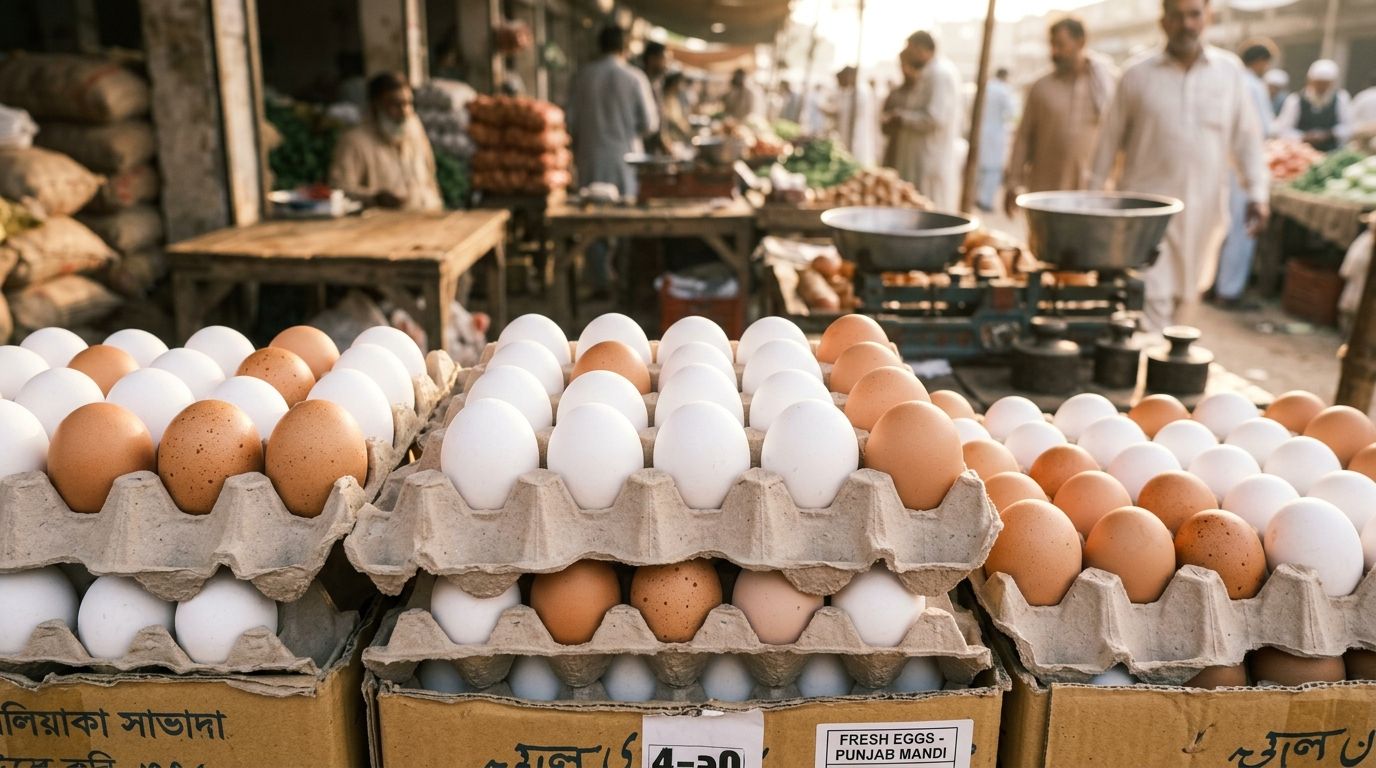
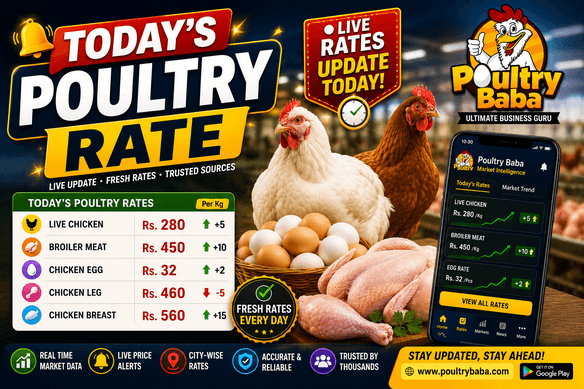
As of today, the wholesale egg rates across Punjab's major mandis are exhibiting a minor adjustment compared to yesterday's closing. For instance, in Lahore, the wholesale rate is hovering around PKR 285 per dozen, while Rawalpindi reports a similar figure of PKR 287 per dozen. Faisalabad, a key agricultural hub, sees rates at approximately PKR 282 per dozen. These figures represent the prices at which large quantities are traded at the mandi level and serve as a crucial benchmark for the entire supply chain.
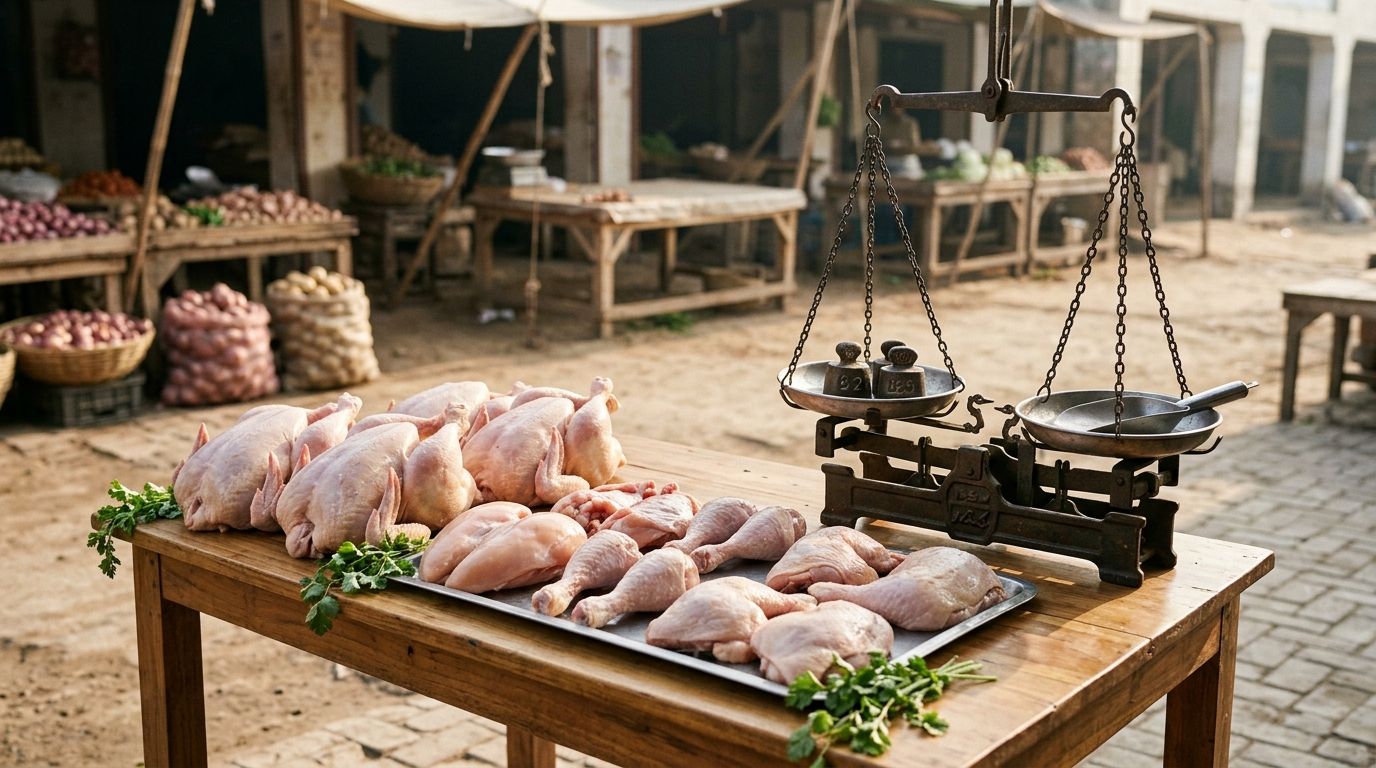
It's important to note that these are wholesale figures. Retail prices will naturally be higher due to added transportation, handling, and retailer profit margins. Consumers can expect to pay anywhere from PKR 295 to PKR 310 per dozen, depending on their location and the retail outlet.
The Mandi Dynamics: Where Prices Are Forged
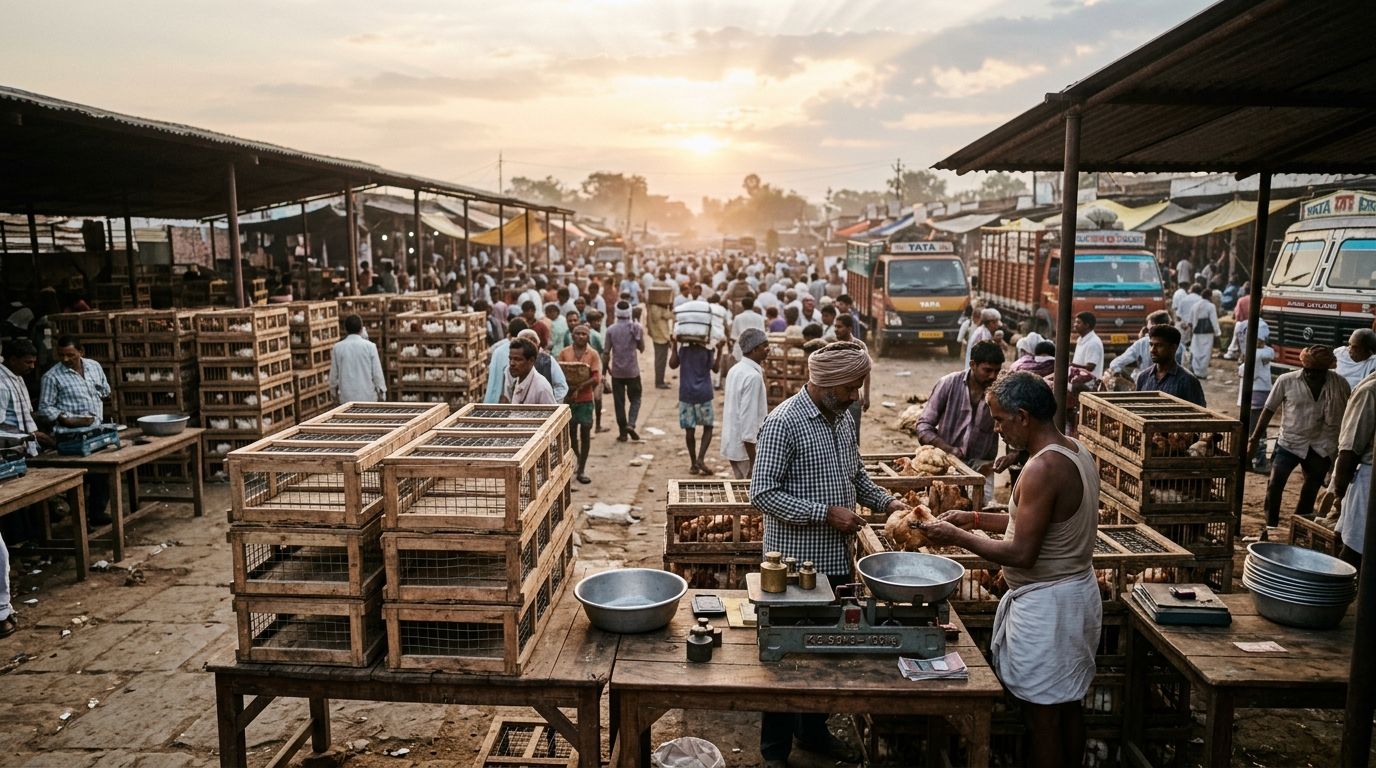
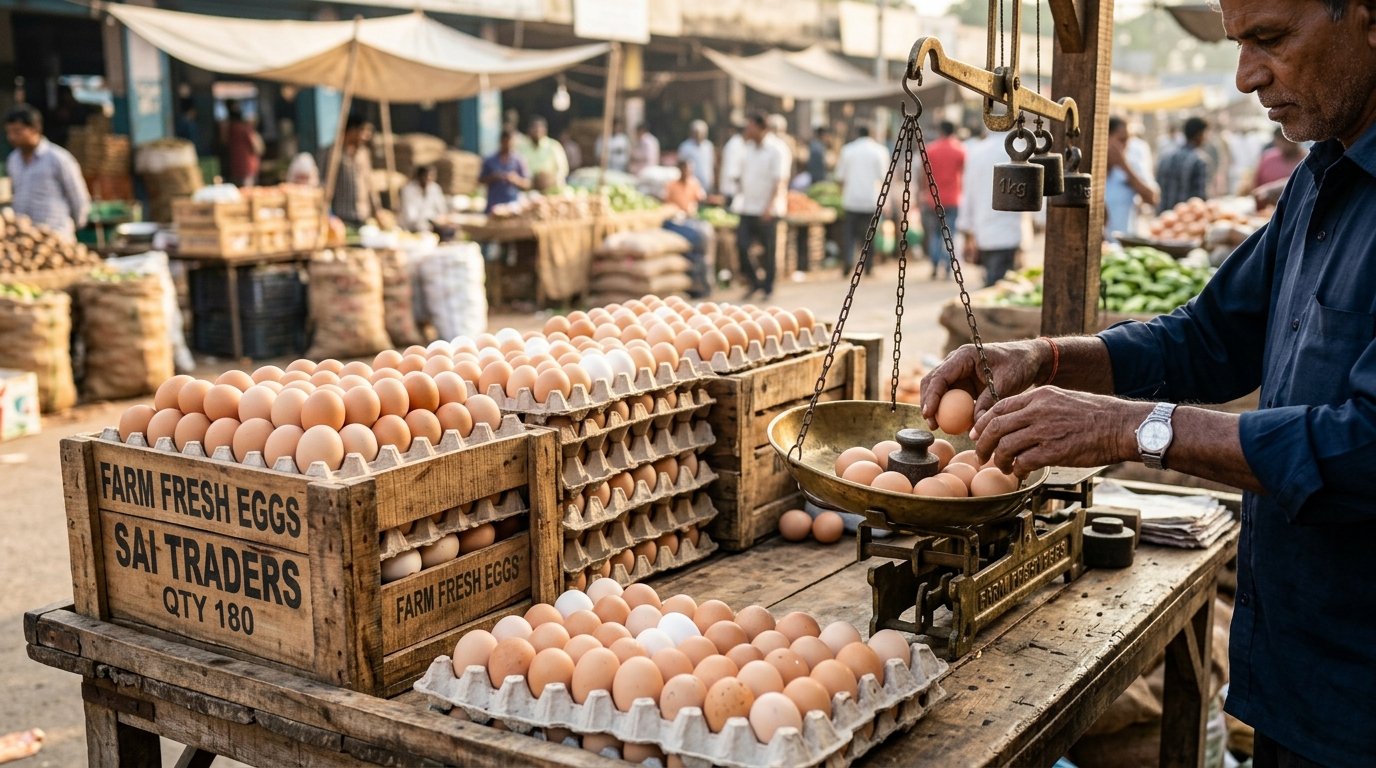
The ‘mandi’ or wholesale market is the pulsating heart of Punjab's poultry trade. Here, daily auctions and negotiations determine the prevailing egg rates. The process is largely driven by real-time supply arriving from farms and the immediate demand from distributors and bulk buyers.
How Mandi Prices Are Determined:
- Arrival Volume: A higher influx of eggs on a given day, often due to increased production or improved transportation, can push prices down. Conversely, lower arrivals lead to upward pressure.
- Buyer Demand: Factors like upcoming festivals, school reopenings, or even cooler weather can trigger increased demand from buyers, resulting in higher bid prices.
- Cold Storage Capacity: The availability and cost of cold storage play a pivotal role. When production is high, eggs can be stored, preventing a sharp price drop. However, storage costs factor into future selling prices.
- Market Sentiment: News about disease outbreaks, feed price changes, or policy announcements can create a psychological impact on traders, influencing their buying and selling behavior.
Key Factors Influencing Egg Prices in Punjab
The 'today egg rate' is not an isolated phenomenon; it's a culmination of various interconnected factors. Understanding these allows for better forecasting and strategic planning.
1. Feed Costs: The Undisputed King
The cost of poultry feed (comprising maize, soybean meal, and other supplements) accounts for roughly 70-80% of the total egg production cost. Any upward movement in feed prices, often due to international commodity rates, local crop yields, or import duties, directly translates to higher egg prices. Pakistani poultry farmers are particularly sensitive to international soybean and maize prices, which form the backbone of their feed formulations.
2. Seasonal Demand and Production Cycles
Demand for eggs typically peaks during the winter months when eggs are consumed more for warmth and nutrition. Conversely, demand tends to dip in hotter summer months. Similarly, extreme weather can affect layers' productivity, impacting supply. Cooler temperatures generally lead to better laying rates, while heat stress can reduce egg production and quality.
3. Transportation and Logistics
Punjab's vast geographical spread means eggs must be transported from farms to mandis and then to various retail points. Fuel prices, road conditions, and vehicle availability all contribute to the final consumer price. Efficient logistics are critical to minimizing breakage and spoilage, which otherwise add to the cost.
4. Disease Outbreaks and Biosecurity
Outbreaks of poultry diseases, such as Avian Influenza (Bird Flu), can devastate flocks, leading to mass culling and severe supply shortages. The fear of disease can also impact consumer confidence. Robust biosecurity measures on farms are crucial, not just for animal welfare but also for market stability.
5. Government Policies and Subsidies
Government interventions, such as import/export policies, subsidies on feed ingredients, or price controls, can significantly influence egg rates. While sometimes aimed at stabilizing prices for consumers, such policies can also impact farmer profitability and investment in the sector.
6. International Market Trends
Although Pakistan's egg market is largely self-sufficient, global price trends for feed ingredients, and potential for import/export in specific scenarios, can subtly influence local rates. For instance, a global shortage of corn or soy can drive up feed prices domestically.
The Egg Supply Chain: From Farm to Table
The journey of an egg from a layer farm to a consumer's breakfast table involves several critical stages, each contributing to its final price and quality.
1. Layer Farms: The Production Hub
This is where the process begins. Farms vary in size, from small family-run operations to large commercial enterprises. Investment in good quality chicks, balanced feed, proper housing, and veterinary care is paramount for optimal egg production.
2. Collection and Grading
Eggs are collected, often cleaned, and graded by size (jumbo, large, medium) and quality. Automation is increasing, but manual sorting is still common in smaller operations.
3. Wholesalers and Mandis
Eggs are then transported to wholesale mandis, where they are sold in bulk to distributors and larger retailers. This is the primary price-setting point for 'today egg rate'.
4. Distributors and Retailers
Distributors transport eggs from mandis to smaller retailers, local shops, and supermarkets. Each step adds a margin to cover operational costs and profit.
Economic Impact: Farmers and Consumers
The daily egg rate is a direct indicator of economic health for two major groups: the farmers and the consumers.
For farmers, a stable and fair egg rate ensures profitability, allowing them to reinvest in their farms, maintain their flocks, and support their families. Volatility can lead to significant losses, jeopardizing livelihoods and discouraging new investment in the poultry sector.
For consumers, eggs are an affordable and accessible source of protein. Stable prices ensure food security and help manage household budgets, especially for low-income families. Sharp price increases can push eggs out of reach for many, impacting nutritional intake.
Poultry Baba's Commitment to Transparency
At Poultry Baba, we believe that informed decisions lead to a healthier poultry industry. Our dedicated research unit meticulously collects data from across Punjab's mandis, analyzes market trends, and provides you with the most accurate and up-to-the-minute 'today egg rate' information. We aim to empower farmers, traders, and consumers with the knowledge they need to thrive in this dynamic sector.
Future Outlook: Short-term and Long-term
In the short term, egg rates in Punjab are expected to remain relatively stable, with minor daily adjustments based on localized supply-demand fluctuations and immediate feed price movements. As we approach warmer months, a slight softening in demand might be observed, potentially easing prices unless offset by supply constraints.
Long term, the Pakistani poultry industry is poised for growth, driven by increasing population and urbanization. However, challenges such as fluctuating feed costs, disease management, and the need for modern infrastructure will continue to shape the market. Investments in technology and sustainable practices will be key to ensuring a stable and prosperous future for egg production in Punjab.
Conclusion
The 'today egg rate' in Punjab is more than just a number; it's a reflection of the intricate balance within the entire poultry ecosystem. From the vast fields of feed crops to the bustling mandis and ultimately to your breakfast table, every component plays a crucial role. Poultry Baba remains your trusted partner, providing the insights and data necessary to navigate this essential market. Stay informed, stay ahead, and continue to rely on Poultry Baba for all your poultry market intelligence.