
Welcome to Poultry Baba, your trusted source for the latest and most accurate poultry market insights in Pakistan. Understanding the daily fluctuations of the 1 kg chicken price in Pakistan today is crucial for consumers, businesses, and poultry farmers alike, especially in the agricultural heartland of Punjab. Our mission is to demystify these prices, providing data-enriched analysis that helps you make informed decisions.
Pakistan's poultry industry is a vital sector, contributing significantly to the national economy and providing an affordable protein source for millions. However, it's also a highly dynamic market, susceptible to a myriad of local and global factors. From the farm gate to your plate, the price of chicken undergoes daily adjustments, reflecting a complex interplay of supply, demand, and operational costs.
Understanding Today's 1 kg Chicken Price in Pakistan
As of today, the price of 1 kg chicken in Pakistan, particularly across Punjab, reflects current market dynamics driven by recent feed price movements and prevailing demand. Generally, live broiler chicken prices in major cities of Punjab like Lahore, Faisalabad, and Rawalpindi range approximately from PKR 320 to PKR 360 per kilogram. For processed meat, specifically boneless chicken, prices naturally climb higher, typically oscillating between PKR 550 to PKR 650 per kilogram, depending on the cut and vendor.
It's important to differentiate between live bird prices and processed meat prices. Live bird rates are typically set at the wholesale Mandi level, while retail prices for processed chicken include additional costs for processing, packaging, and retailer margins. Regional variations also play a role; for instance, remote areas might see slightly higher prices due to transportation costs, while major consumption hubs like Lahore might experience more competitive pricing due to higher supply volumes.
Key Factors Driving Chicken Price Fluctuations
The poultry market is notoriously volatile, with several factors contributing to the daily shifts in chicken prices. Understanding these elements is key to anticipating market movements.
Feed Prices: The Dominant Factor
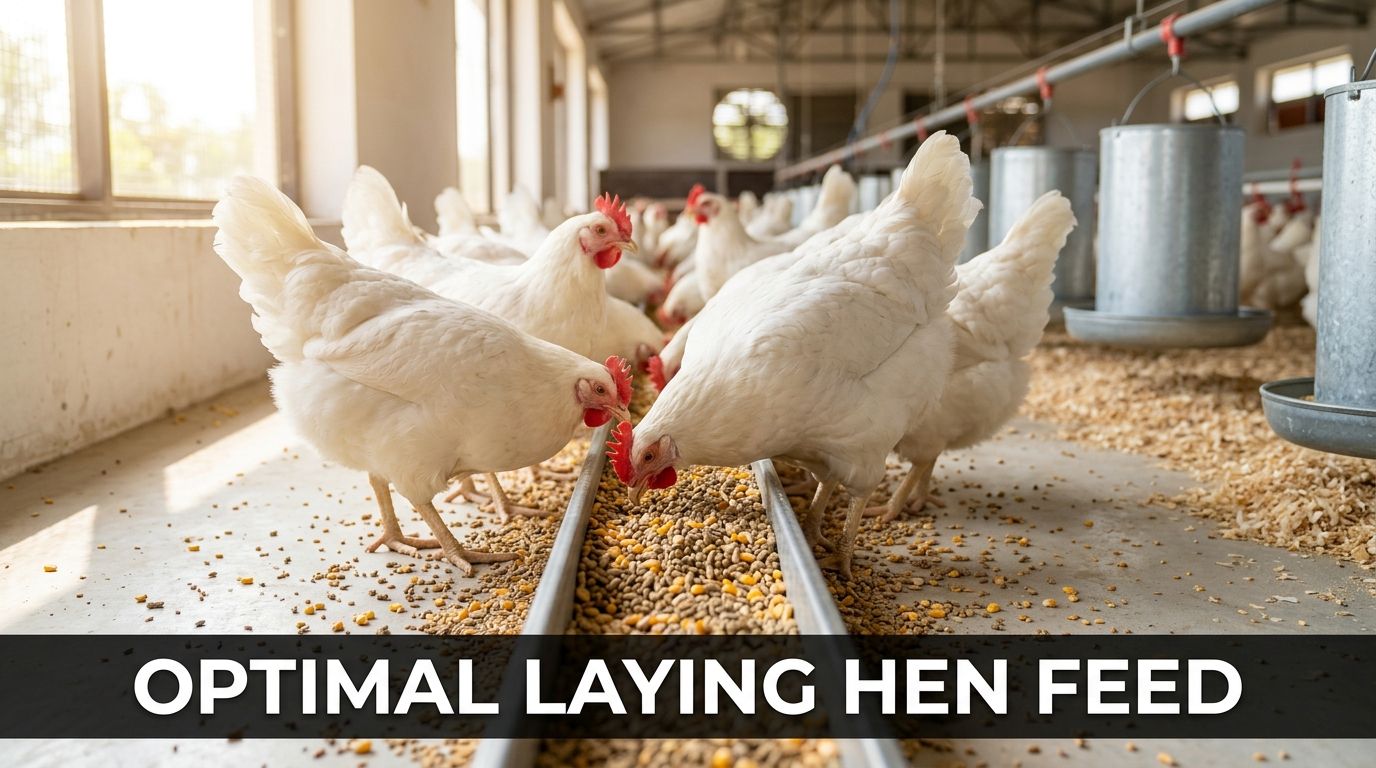
Chicken feed constitutes the largest component of poultry farming costs, often accounting for 70-80% of total production expenses. The primary ingredients, such as corn and soybean meal, are largely imported, making their prices vulnerable to global commodity markets, currency exchange rates, and international trade policies. Any increase in the price of these ingredients directly translates into higher chicken prices.
Day-Old Chick Rates and Production Costs
The cost of day-old chicks is another significant input. High demand for chicks can drive up their prices, impacting the eventual cost of mature broiler chickens. Additionally, expenses related to electricity, labor, medicines, and vaccinations all contribute to the overall production cost, which farmers pass on to consumers.
Seasonal Demand and Supply Dynamics
Demand for chicken peaks during specific seasons and events, such as wedding seasons, religious festivals (e.g., Eid), and public holidays. Conversely, extreme weather conditions like intense heat waves or severe cold can reduce chicken growth rates or increase mortality, leading to supply shortages. During Ramadan, for example, demand often dips initially before rising again closer to Eid.
Disease Outbreaks and Weather Conditions
Outbreaks of poultry diseases like Newcastle disease or Avian Influenza can devastate flocks, leading to massive supply reductions and subsequent price surges. Similarly, adverse weather, such as heavy monsoon rains or prolonged heatwaves, can disrupt transportation, increase bird mortality, and affect farm operations, influencing both supply and price.
Transportation and Logistical Challenges
The cost of fuel and the efficiency of the supply chain significantly impact chicken prices. In a country like Pakistan, where infrastructure can be challenging, transportation costs from farms to major urban mandis (wholesale markets) add a considerable premium to the final retail price. Any disruption in logistics, such as road closures or fuel price hikes, directly impacts market rates.
The Mandi Mechanism: How Prices Are Set
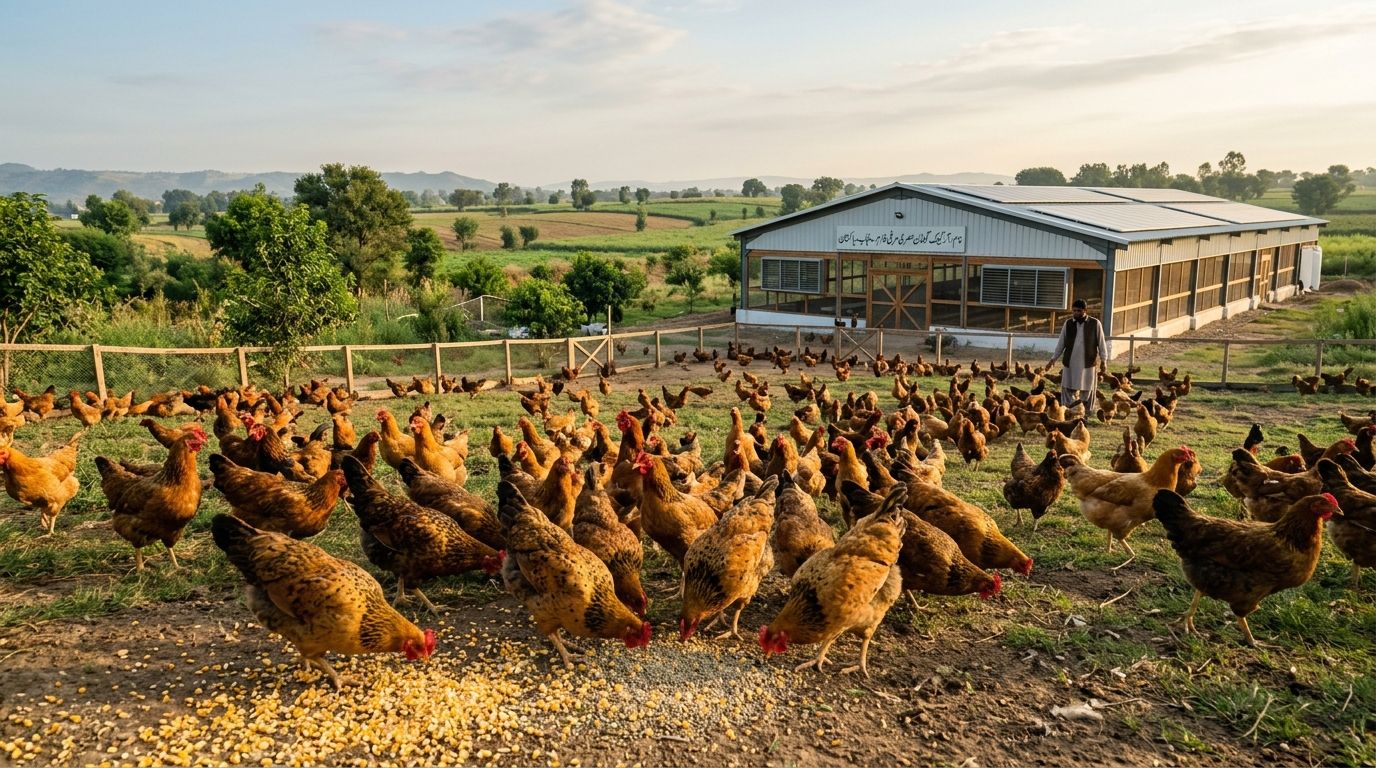
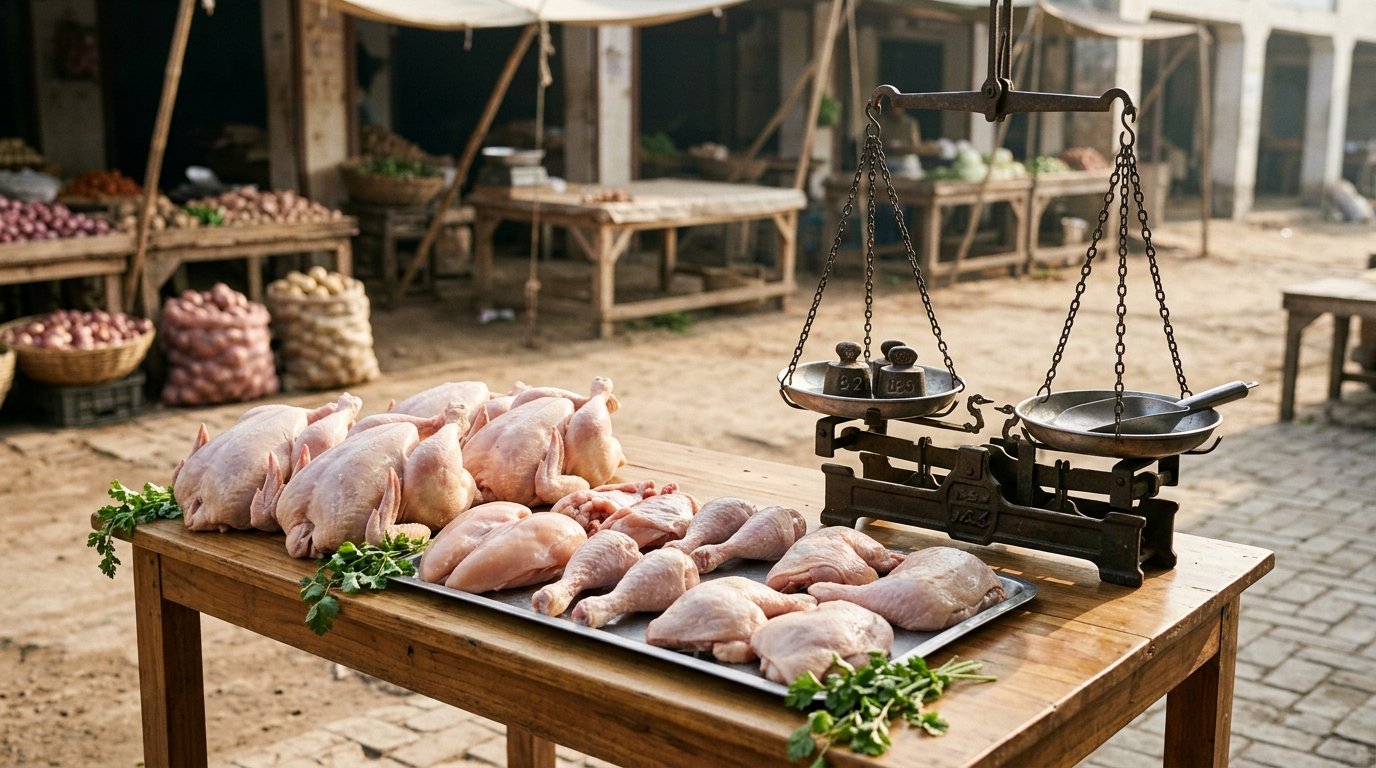
The journey of chicken from farm to consumer primarily involves the Mandi system – the wholesale poultry markets. Every morning, farmers bring their birds to these mandis, where daily auctions determine the wholesale price of live chicken based on immediate supply and demand. This price then serves as a benchmark for retailers across the region.
Poultry Baba’s data collection relies heavily on monitoring these daily mandi auctions in key cities across Punjab. Our network of informants and direct access to auction records ensure that the prices we report are as close to real-time wholesale rates as possible. This transparency is vital for both farmers seeking fair prices and consumers looking for affordable options.
From the mandis, wholesalers distribute the birds to various retailers, who then process and sell them to end-consumers. Each step adds a margin, but the foundational price is always set by the dynamics of the wholesale market.
Navigating the Market: Tips for Consumers and Businesses
For consumers, staying informed about daily price movements is the best strategy. Utilize platforms like Poultry Baba to track rates. Businesses, especially restaurants and caterers, can benefit from bulk purchasing during periods of lower prices, though this requires careful storage and planning. Understanding seasonal trends can also help in forecasting procurement needs.
Future Outlook for Pakistan's Poultry Market
The future of Pakistan's poultry market is intertwined with global economic trends, domestic agricultural policies, and public health initiatives. Efforts to localize feed ingredient production, invest in disease prevention, and improve cold chain logistics are crucial for stabilizing prices and ensuring a consistent supply. Poultry Baba remains committed to providing ongoing analysis and forecasts to help stakeholders navigate this evolving landscape.
Why Trust Poultry Baba for Your Poultry Updates?
At Poultry Baba, we pride ourselves on delivering accurate, timely, and data-driven information. Our dedicated team monitors market trends, consults with industry experts, and aggregates data from reliable sources, including official mandi records and verified farm reports. When you rely on Poultry Baba, you're not just getting prices; you're gaining access to comprehensive market intelligence, tailored for the Pakistani context.