
Egg Price in Pakistan Today: Decoding Punjab's Dynamic Market (Poultry Baba Insights)
The humble egg, a cornerstone of daily nutrition and a vital source of protein, holds significant economic weight in Pakistan. For millions, particularly in Punjab, the largest agricultural province, the daily egg price isn't just a number; it's a reflection of household budgets, farmer livelihoods, and the overall health of the nation's poultry industry. At Poultry Baba, we understand this intricate relationship and strive to provide the most accurate, timely, and data-enriched insights into the ever-fluctuating egg market in Pakistan.
Current Egg Price Scenario in Punjab: A Daily Snapshot
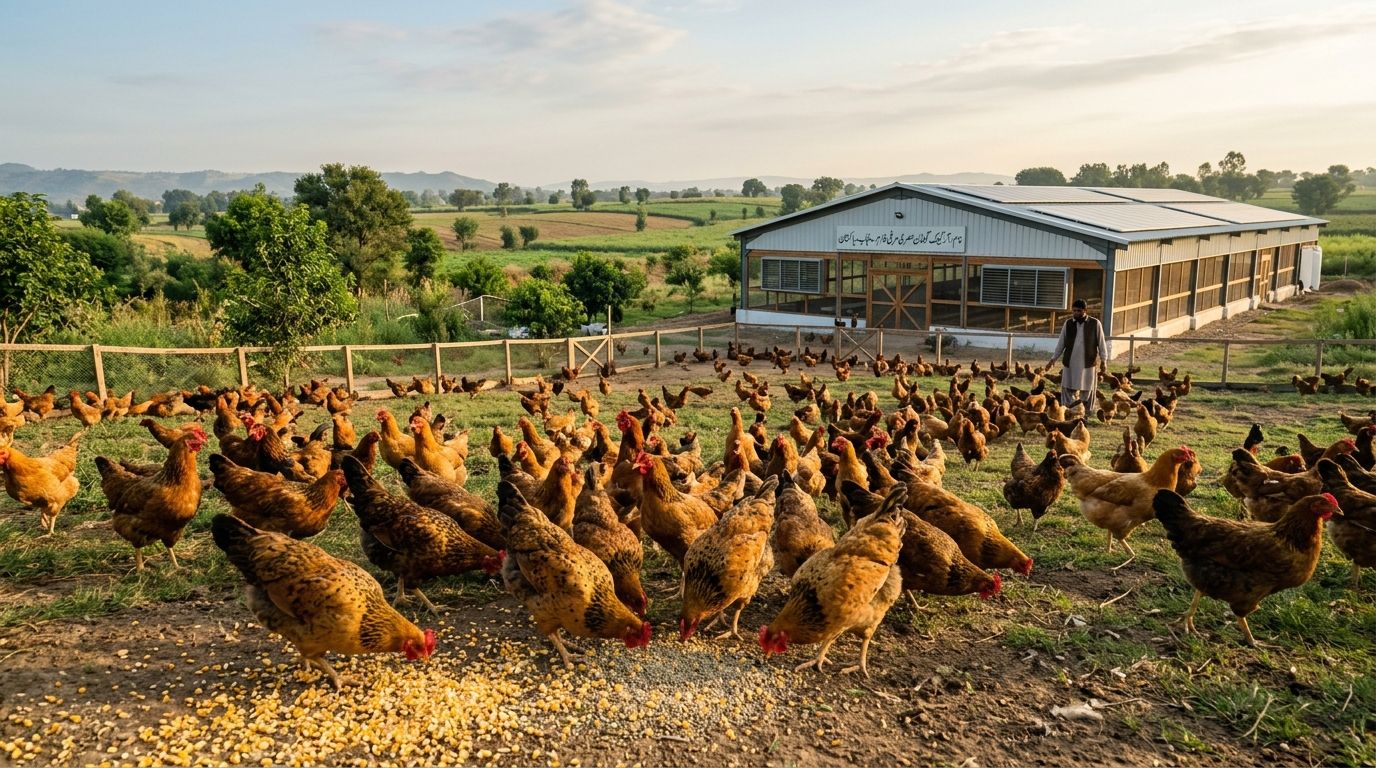
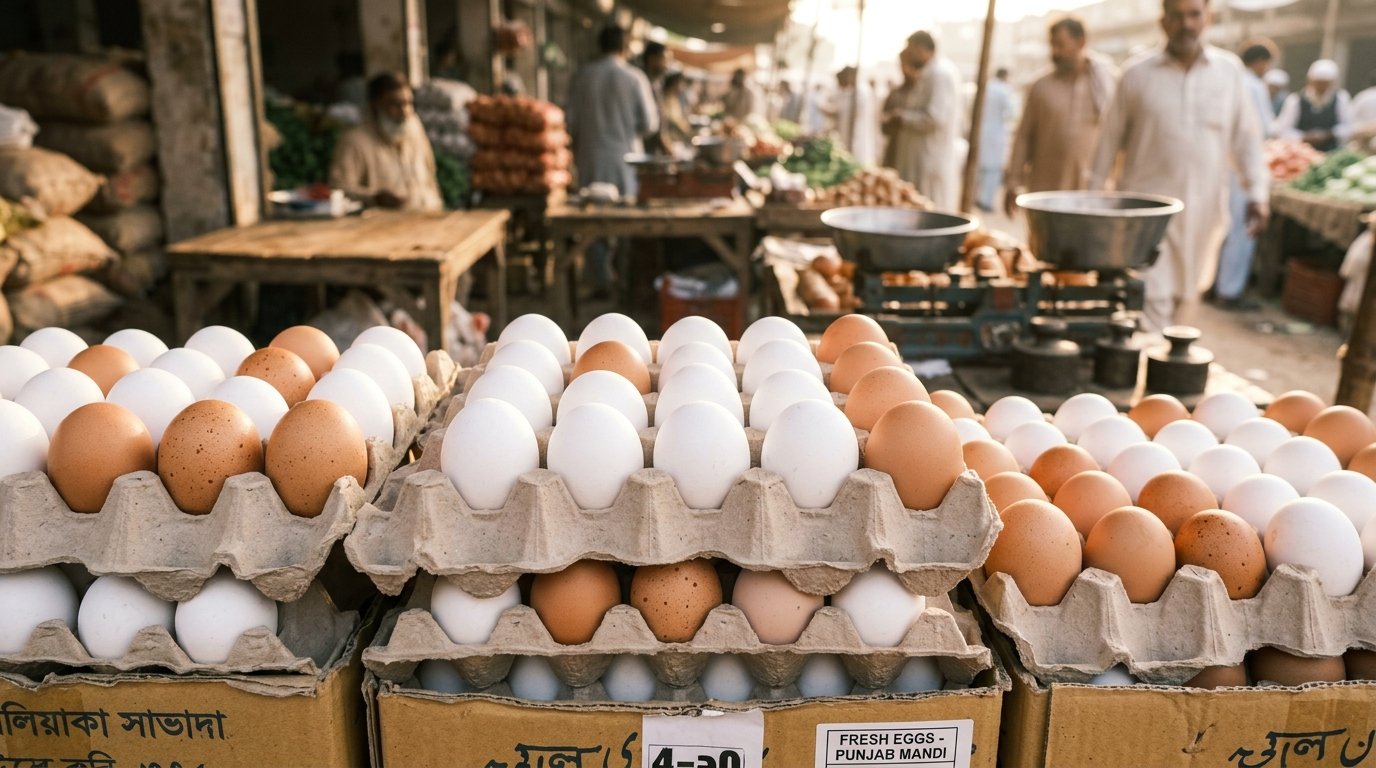
Punjab, being the heartland of Pakistan's poultry production, often sets the benchmark for egg prices across the country. The daily egg rate in Lahore, Faisalabad, Multan, and other major cities serves as a critical indicator. Currently, the market is characterized by a dynamic equilibrium, often tipping due to various internal and external pressures. Consumers frequently observe price shifts on a daily or weekly basis, making it challenging for both families and businesses to plan effectively. As of recent observations, the wholesale rates at major mandis reflect immediate supply and demand pressures, often reacting swiftly to even minor disruptions.
Key Factors Influencing Egg Prices in Pakistan
Understanding the egg price requires a deep dive into the multifactorial landscape that governs its valuation. Several key elements consistently shape the market:
1. Poultry Feed Prices: The Dominant Driver
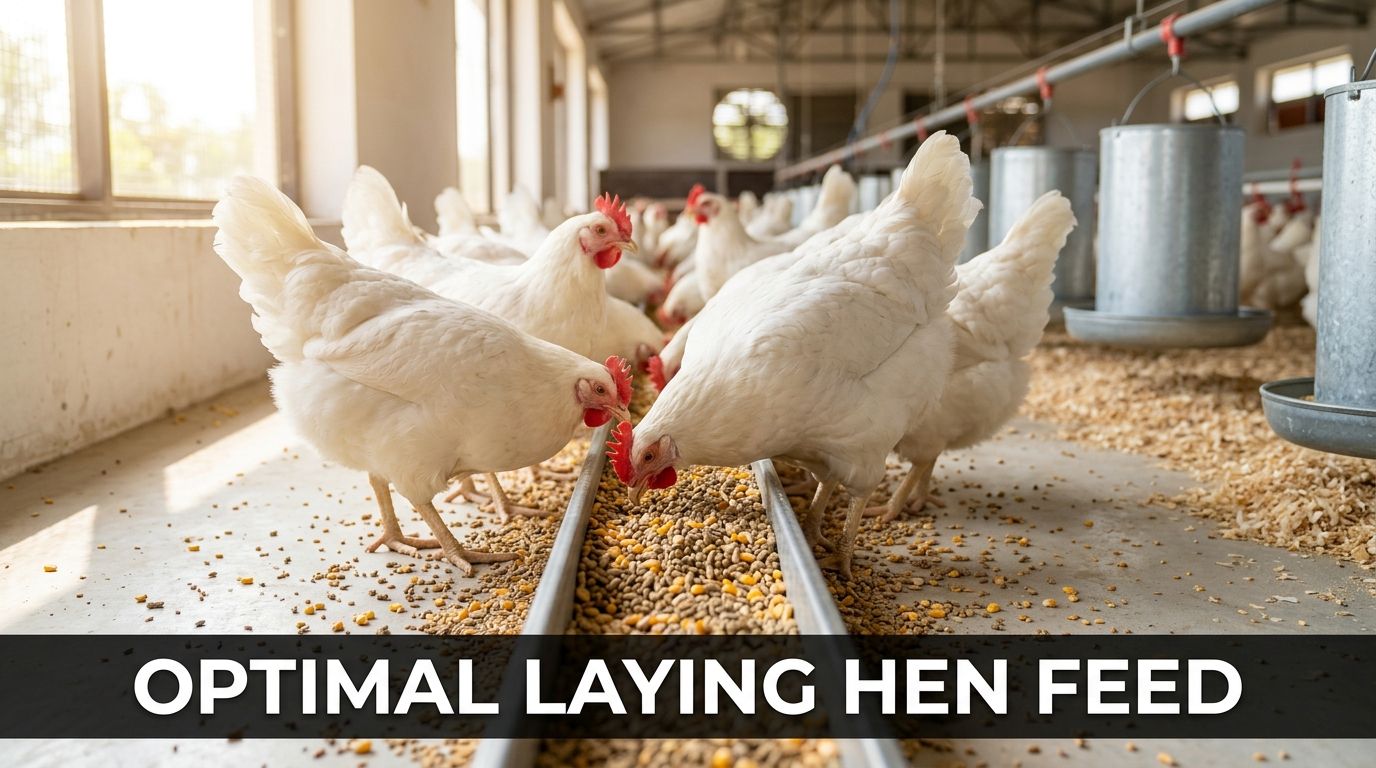
The cost of poultry feed constitutes the largest component of egg production expenses, often accounting for 70-80%. Pakistan's reliance on imported raw materials like soybean meal and corn, coupled with local crop yields and international market prices, directly impacts feed costs. Any increase in these inputs, exacerbated by currency devaluation, immediately translates into higher egg prices.
2. Seasonal Variations and Demand
Demand for eggs typically spikes during winter months due as eggs are considered a warmer food and their consumption increases in colder weather. Conversely, demand tends to mellow during summers and the holy month of Ramadan. Supply can also be affected seasonally, with extreme temperatures impacting layer hen productivity.
3. Disease Outbreaks and Supply Shocks
Outbreaks of poultry diseases, such as Avian Influenza or Newcastle Disease, can devastate flocks, leading to significant supply reductions. The fear of contagion can also lead to pre-emptive culling or reduced breeding, creating a ripple effect on egg availability and subsequently, prices.
4. Transportation and Logistics
The cost and efficiency of transporting eggs from farms to mandis and then to retailers play a crucial role. Rising fuel prices, poor road infrastructure, and security concerns in certain regions can add substantial overheads, which are ultimately passed on to the consumer.
5. Government Policies and Economic Conditions
Government policies related to subsidies on feed ingredients, import duties, and trade agreements can either stabilize or disrupt the market. Furthermore, general economic conditions like inflation, unemployment, and purchasing power directly influence consumer demand and affordability.
Mandi Dynamics and Sourcing: How Prices Are Set
In Pakistan, particularly in Punjab, egg prices are largely determined through a dynamic auction process at major wholesale mandis (markets). These mandis, such as the ones in Lahore, Rawalpindi, and Multan, serve as crucial hubs where eggs from various farms are collected, graded, and sold to wholesalers and retailers.
The Auction Process: Every morning, hundreds of crates of eggs arrive at the mandi. Commission agents and wholesalers bid on these lots, with prices fluctuating based on the day's supply volume and anticipated demand. This real-time bidding process is highly transparent among market participants, but the resulting price can be volatile. Poultry Baba works closely with mandi representatives and employs dedicated field agents to collect these prices multiple times a day, ensuring our data reflects the true market value.
Sourcing Insights: Large-scale poultry farms often have direct contracts with major distributors or food chains, but the majority of eggs still pass through the mandi system. Smaller farms rely heavily on mandis for selling their produce, making them particularly vulnerable to price fluctuations. Understanding these sourcing channels is vital for predicting price movements.
Impact on Consumers and Producers
Volatile egg prices create a dual challenge:
- For Consumers: High prices strain household budgets, especially for low-income families who rely on eggs for affordable protein. This can lead to dietary compromises and nutritional deficiencies.
- For Producers: While high prices can mean greater profits, they are often offset by even higher input costs, especially feed. Low prices, on the other hand, can lead to significant losses, forcing smaller farmers out of business and jeopardizing long-term supply stability.
Future Outlook and Poultry Baba's Role
The outlook for egg prices in Pakistan remains intertwined with global commodity markets, domestic agricultural policies, and seasonal patterns. Experts anticipate continued fluctuations, with potential upward pressure due to ongoing inflation and global supply chain challenges. However, efforts to enhance local feed production and improve poultry health management could offer some stability.
Poultry Baba is committed to empowering stakeholders with timely, accurate, and comprehensive data. Our daily updates, market analyses, and expert insights help farmers make informed decisions, assist wholesalers in managing inventory, and enable consumers to plan their purchases wisely. By providing a transparent window into the market, we aim to contribute to a more stable and prosperous poultry sector in Pakistan.
Conclusion
The egg price in Pakistan is a complex indicator of economic health, agricultural efficiency, and consumer well-being. From the vast poultry farms of Punjab to the bustling mandis and local shops, every stage contributes to its final cost. By diligently monitoring the myriad factors at play and providing real-time data, Poultry Baba stands as your trusted partner in navigating the dynamic world of the Pakistani poultry market.