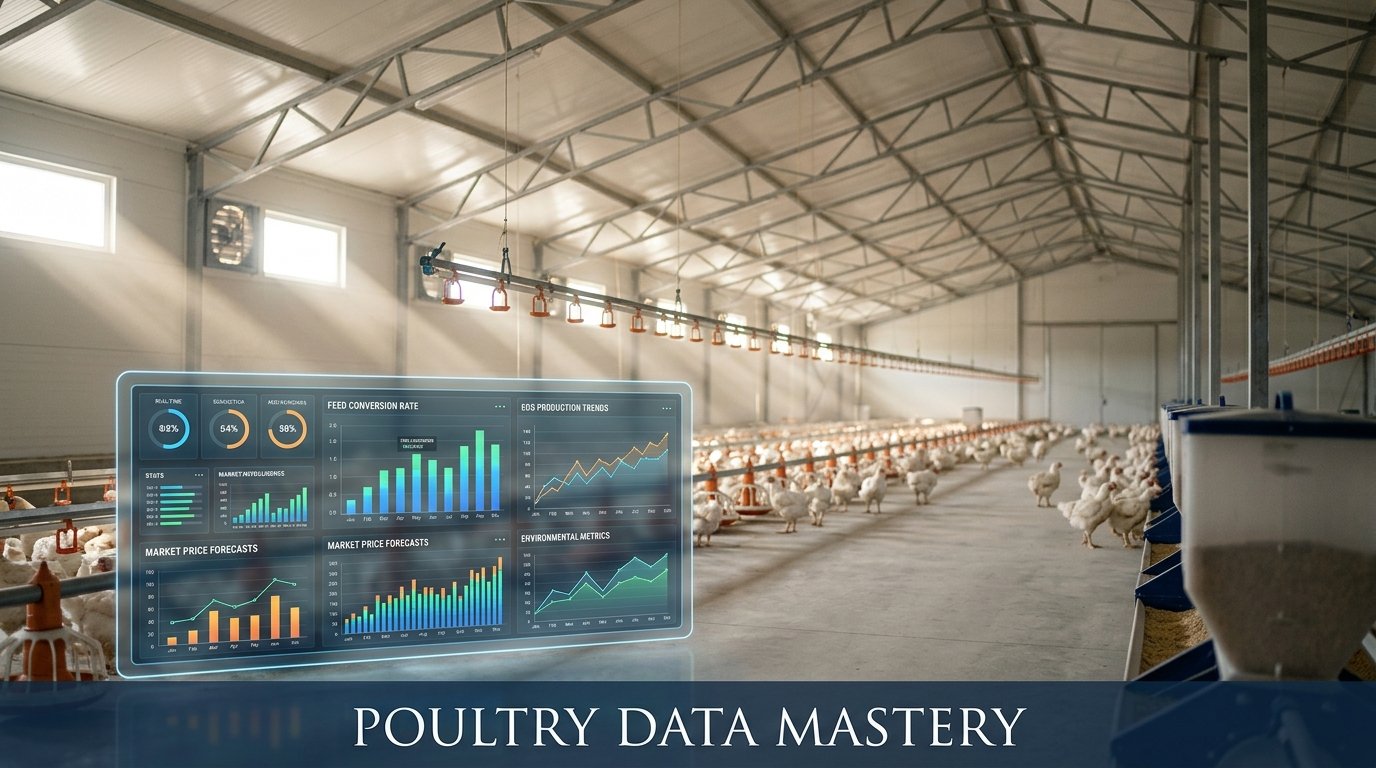


The Imperative of Data Analytics in the Global Poultry Business
The global poultry industry, a cornerstone of food security and economic development, is undergoing a profound transformation. With an estimated annual production exceeding 130 million tonnes globally, as reported by the Food and Agriculture Organization of the United Nations (FAO), poultry farming is no longer just a traditional agricultural pursuit; it is a complex, data-intensive enterprise. In this dynamic environment, the ability to collect, analyze, and interpret vast amounts of information has become not merely beneficial, but absolutely critical for survival and growth. This article delves into the paramount importance of data analytics in the poultry business and highlights why market intelligence platforms like Poultry Baba are indispensable tools for modern poultry professionals worldwide.
Navigating the Complexities of the Modern Poultry Landscape
The poultry sector faces an array of multifaceted challenges. These include fluctuating feed commodity prices, the constant threat of disease outbreaks, evolving consumer preferences, stringent regulatory frameworks, and increasing environmental pressures. Traditional farming methods, often reliant on intuition and historical experience, are increasingly insufficient to navigate these complexities. Success now hinges on proactive, data-driven decision-making across all operational aspects, from farm to fork.
According to the World Organisation for Animal Health (WOAH), animal diseases alone cost the global livestock industry billions of dollars annually, emphasizing the critical need for robust data-driven disease surveillance and prevention strategies. Similarly, even marginal improvements in feed conversion ratios (FCR) can yield substantial cost savings, illustrating the profound impact of data-informed nutritional management.
Understanding Data Analytics in Poultry Operations
What is Data Analytics?
Data analytics in the context of poultry farming involves the systematic examination of raw data to uncover hidden patterns, correlations, and insights. It encompasses descriptive analytics (what happened?), diagnostic analytics (why did it happen?), predictive analytics (what will happen?), and prescriptive analytics (what should be done?). By applying these analytical techniques, poultry businesses can move beyond reactive problem-solving to proactive, strategic management.
Key Sources of Poultry Data
The modern poultry farm generates a wealth of data from diverse sources:
- Farm Management Systems (FMS): Records of flock performance, mortality, feed consumption, egg production, and environmental conditions.
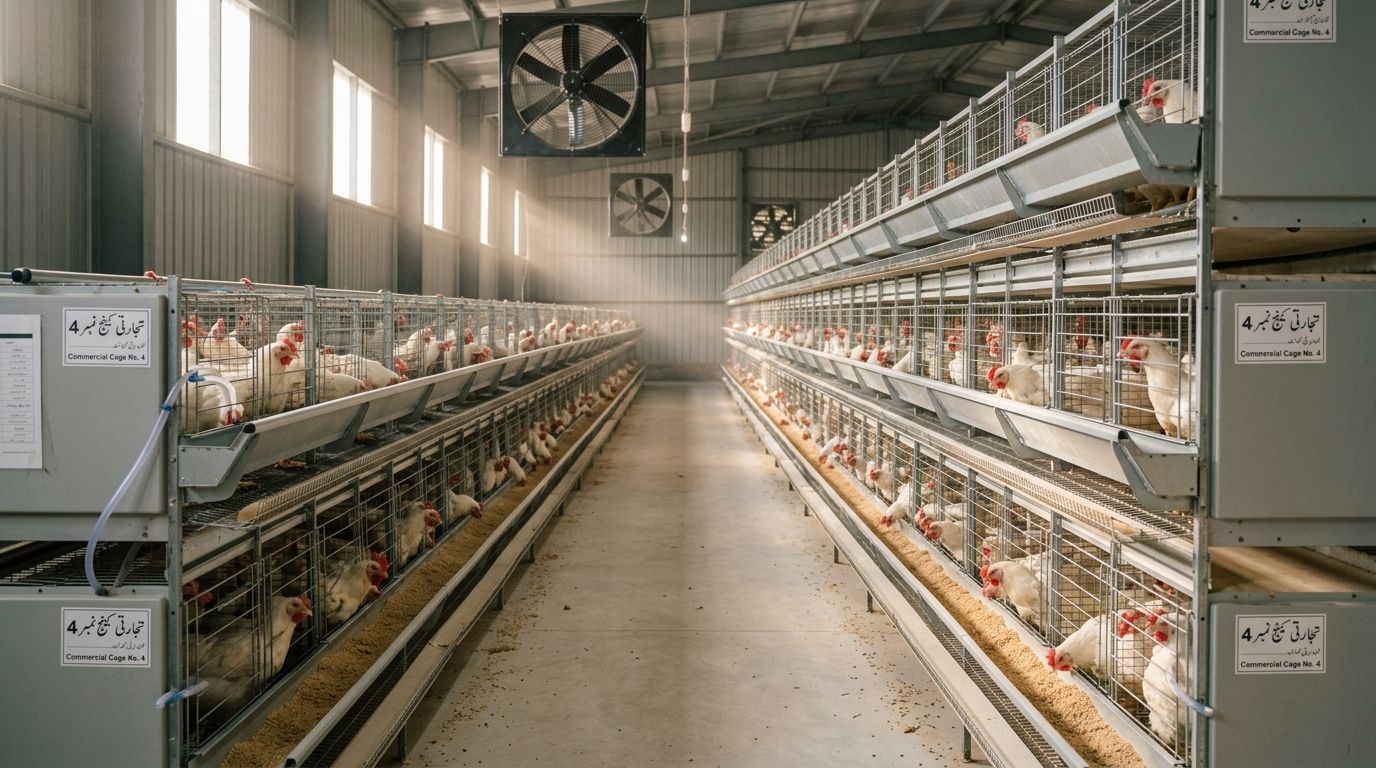
- Internet of Things (IoT) Sensors: Real-time data on temperature, humidity, ventilation, water intake, and even individual bird weight.
- Veterinary Records: Disease incidence, treatment efficacy, vaccination schedules, and antibiotic usage.
- Feed Mill Data: Ingredient costs, nutritional profiles, and formulation adjustments.
- Market Reports: Pricing trends for poultry meat, eggs, feed ingredients, and competing protein sources.
- Weather Data: Local and regional weather patterns impacting bird comfort and energy costs.
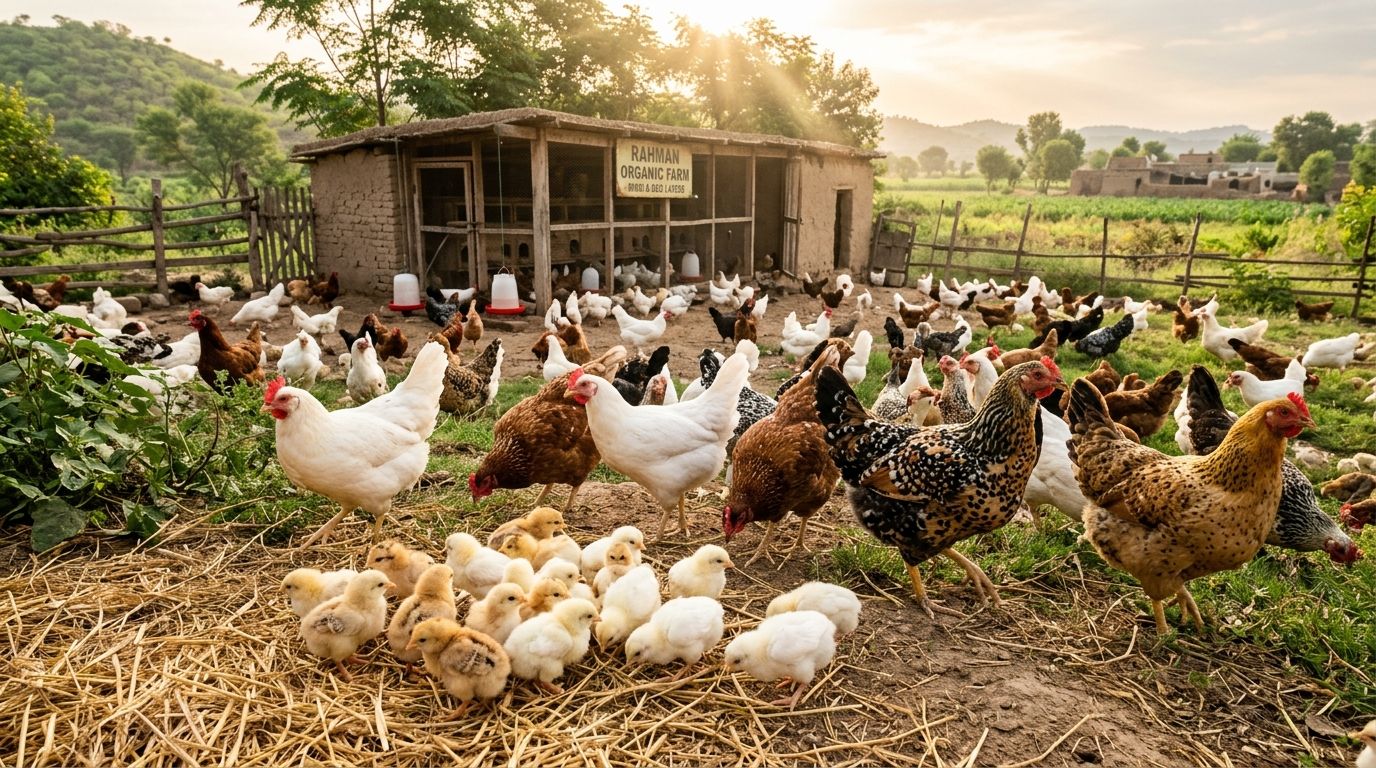
- Consumer Behavior: Purchasing patterns, preference for specific products (e.g., organic, cage-free), and feedback.
Transformative Applications of Data Analytics in Poultry
Optimizing Feed Conversion Ratio (FCR) and Nutrition
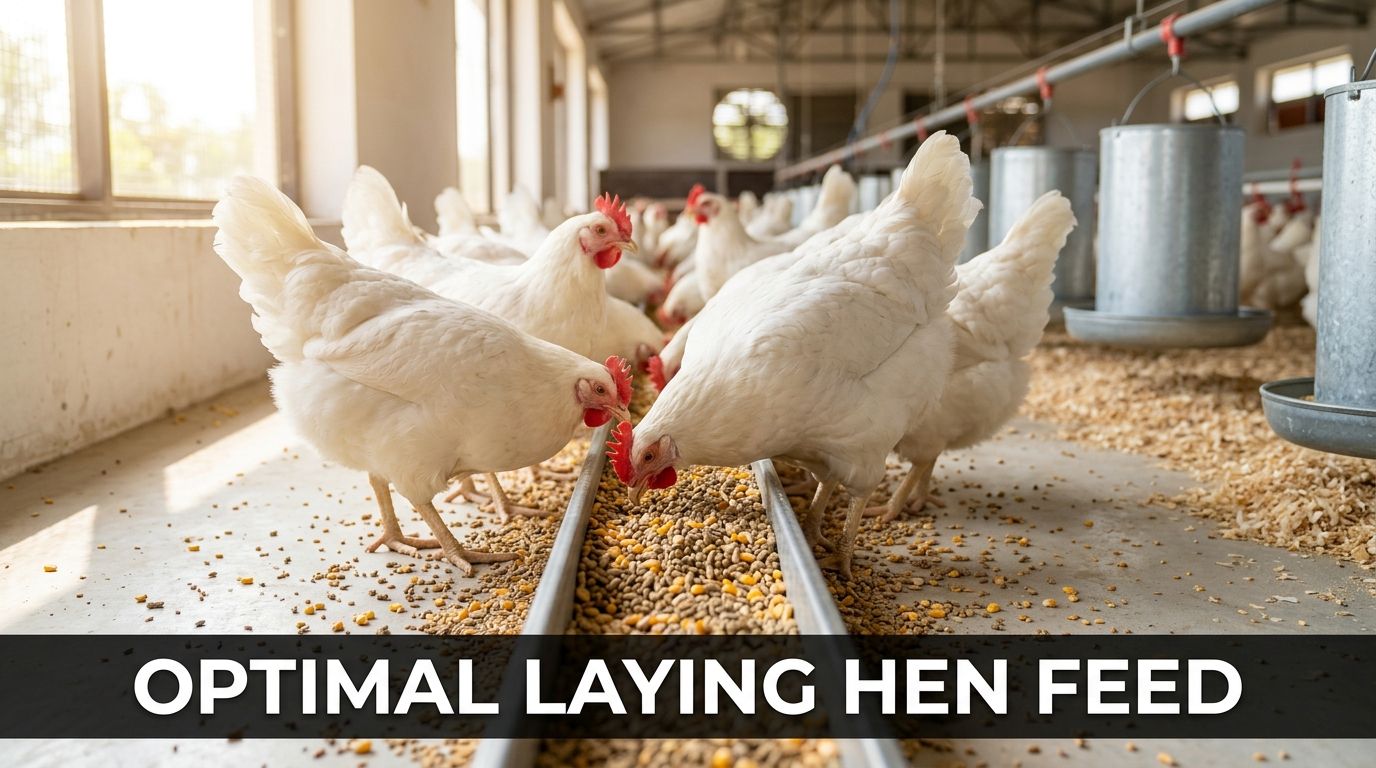
Feed typically accounts for 60-70% of total production costs. Minor improvements in FCR can significantly impact profitability. Data analytics enables precise monitoring of feed intake, growth rates, and body weight uniformity. By analyzing these metrics against feed formulations and environmental conditions, producers can identify optimal feeding strategies, minimize waste, and enhance nutrient utilization. For example, data can reveal specific growth stages where minor nutritional adjustments yield disproportionately large returns.
| Metric | Baseline Performance | 1% FCR Improvement | 2% FCR Improvement |
|---|---|---|---|
| Average FCR (Broilers) | 1.65 | 1.63 | 1.62 |
| Feed Savings (per 1000 birds, 2.5kg target weight) | - | 25 kg | 50 kg |
| Cost Savings (per 1000 birds, $0.40/kg feed) | - | $10 | $20 |
| Annual Impact (1 million birds) | - | $10,000 | $20,000 |
(Illustrative data based on typical industry averages for broiler production)
Disease Prevention and Management
The swift identification and containment of disease outbreaks are paramount. Data analytics allows for the real-time monitoring of key health indicators such as mortality rates, water consumption, and feed intake deviations. Predictive models can utilize historical disease data, weather patterns, and regional outbreak reports to forecast potential risks, enabling proactive biosecurity measures and targeted interventions. This approach aligns with the preventative health strategies advocated by organizations like WOAH.
Breeding and Genetics Improvement
Genetic progress is a long-term investment, and data analytics accelerates this process. By analyzing vast datasets related to genetic traits, hatchability, growth rates, egg production, and disease resistance across different genetic lines, breeders can make more informed decisions about selection and cross-breeding. This leads to the development of more efficient and resilient bird strains, contributing to global food security.
Supply Chain Optimization
From forecasting demand to managing inventory and logistics, data analytics streamlines the entire poultry supply chain. Advanced analytical models can predict consumer demand with greater accuracy, minimizing overproduction or shortages. This leads to reduced waste, optimized transportation routes, and more efficient cold chain management, ultimately improving product freshness and reducing costs. The USDA (United States Department of Agriculture) frequently publishes reports on supply chain efficiencies within the agricultural sector, underscoring the economic benefits of such optimization.
Market Trend Prediction and Pricing Strategies
Understanding market dynamics is critical for profitability. Data analytics helps identify emerging consumer trends (e.g., demand for antibiotic-free products, alternative protein sources), analyze competitor pricing, and predict seasonal fluctuations in supply and demand. This allows businesses to adjust their production schedules, inventory levels, and pricing strategies to maximize revenue and market share.
Environmental Sustainability
The poultry industry faces increasing scrutiny regarding its environmental footprint. Data analytics can track and optimize resource usage, including water, energy, and waste generation. By monitoring these parameters, businesses can identify areas for improvement, implement sustainable practices, and demonstrate compliance with environmental regulations, enhancing their corporate social responsibility profile.
Why Poultry Baba Market Intelligence is Crucial
While internal farm data provides invaluable operational insights, a holistic view requires robust external market intelligence. This is where platforms like Poultry Baba become indispensable. Poultry Baba specializes in aggregating, analyzing, and disseminating critical market data, empowering poultry businesses with the intelligence needed to thrive in a competitive landscape.
Bridging the Information Gap
The sheer volume and dispersion of market data can be overwhelming. Poultry Baba acts as a central hub, collecting information from various sources – local markets, national trends, international commodity exchanges, and industry reports. This aggregation allows users to access comprehensive, up-to-date information without having to sift through countless disparate sources.
Comprehensive Market Insights
Poultry Baba provides deep insights into:
- Real-time Pricing: Current rates for chicks, eggs, broiler meat, and various feed ingredients across different regions.
- Supply and Demand Dynamics: Analysis of production volumes, consumption patterns, and their impact on market prices.
- Trend Analysis: Identification of short-term fluctuations and long-term trends, helping anticipate future market movements.
- Regional Variations: Understanding how market conditions differ geographically, enabling targeted strategies.
| Feature | General Market Data Sources | Poultry Baba Market Intelligence |
|---|---|---|
| Data Aggregation | Often fragmented, requires manual collection | Centralized, automated, and comprehensive |
| Real-time Updates | Delayed or periodic | Near real-time, dynamic |
| Specificity to Poultry | Broad economic or agricultural data | Highly specialized, poultry-focused metrics |
| Actionable Insights | Requires user interpretation | Often includes analytical commentary and forecasts |
| Ease of Access | Varies, can be behind paywalls or complex interfaces | User-friendly platform, accessible insights |
(Comparative analysis based on typical market intelligence platform features)
Risk Mitigation and Strategic Planning
In a volatile market, accurate intelligence is a powerful risk mitigation tool. By understanding potential price drops, feed cost increases, or shifts in consumer demand, businesses can adjust production volumes, hedge against price risks, and develop contingency plans. This proactive approach minimizes financial exposure and safeguards profitability. Poultry Baba's predictive capabilities assist in this crucial aspect of strategic planning.
Benchmarking and Performance Improvement
Poultry Baba enables businesses to benchmark their performance against industry averages and regional competitors. By comparing their own operational data (e.g., FCR, mortality rates, production costs) with external market benchmarks, producers can identify areas of underperformance and implement best practices to improve efficiency and competitiveness.
Future-Proofing the Business
The poultry industry is constantly evolving with new technologies, regulations, and consumer trends. Market intelligence platforms help businesses stay ahead of these changes. By monitoring global trends, technological advancements, and regulatory shifts (e.g., the European Food Safety Authority's (EFSA) guidelines on animal welfare), Poultry Baba helps producers adapt their operations and product offerings to remain relevant and competitive.
Implementing Data Analytics: Challenges and Solutions
While the benefits are clear, adopting data analytics presents challenges:
- Data Collection and Integration: Ensuring consistent, high-quality data collection from diverse farm systems and external sources. Solutions involve standardized data protocols and integrated software platforms.
- Skilled Workforce: The need for employees with data literacy and analytical skills. Investment in training or partnerships with analytics experts can bridge this gap.
- Investment in Technology: Acquiring appropriate hardware, software, and cloud infrastructure. The long-term ROI often justifies the initial expenditure.
- Data Security and Privacy: Protecting sensitive operational and market data from cyber threats. Robust cybersecurity measures and data governance policies are essential.
Conclusion
The modern poultry business operates in an increasingly complex and competitive global environment. Data analytics is no longer a luxury but an essential tool for optimizing efficiency, mitigating risks, and driving sustainable growth. From improving feed conversion and disease management to optimizing supply chains and predicting market trends, data empowers poultry professionals at every level.
Platforms like Poultry Baba provide the critical external market intelligence that complements internal operational data. By offering real-time, comprehensive, and actionable insights into market dynamics, pricing trends, and supply-demand shifts, Poultry Baba equips businesses with the strategic advantage needed to make informed decisions, navigate volatility, and secure a prosperous future in the global poultry industry. The future of poultry is undoubtedly data-driven, and those who embrace this reality will lead the way.