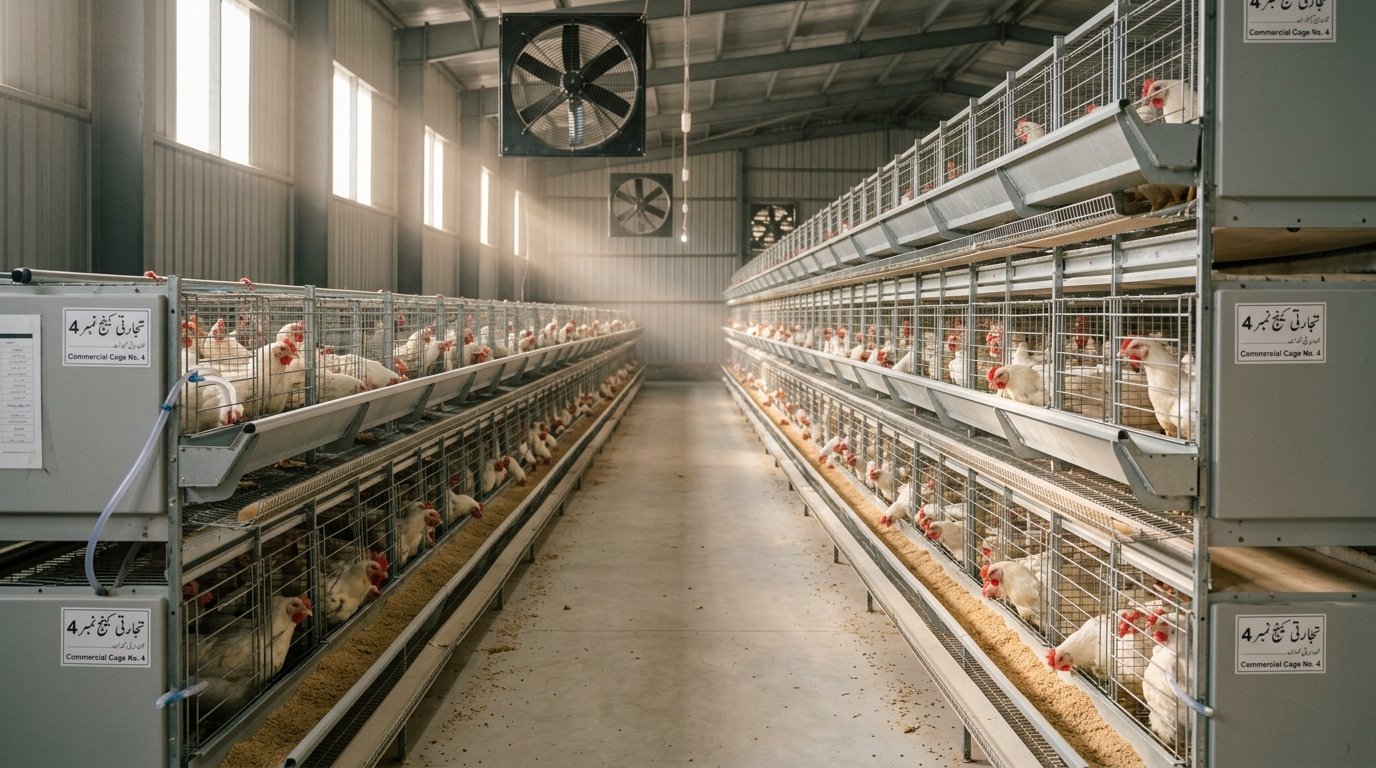


Cages for Chickens: Navigating the Complexities of Modern Poultry Housing
The system of housing chickens, particularly for egg production, has long been a subject of intense debate, innovation, and regulatory scrutiny. From traditional free-range methods to highly intensive cage systems, the choices made in poultry housing profoundly impact animal welfare, production efficiency, economic viability, and market dynamics. This comprehensive article delves into the various types of cages for chickens, their advantages and disadvantages, the economic implications, evolving global regulations, and the future outlook for the poultry industry.
The Evolution of Poultry Housing: A Historical Perspective
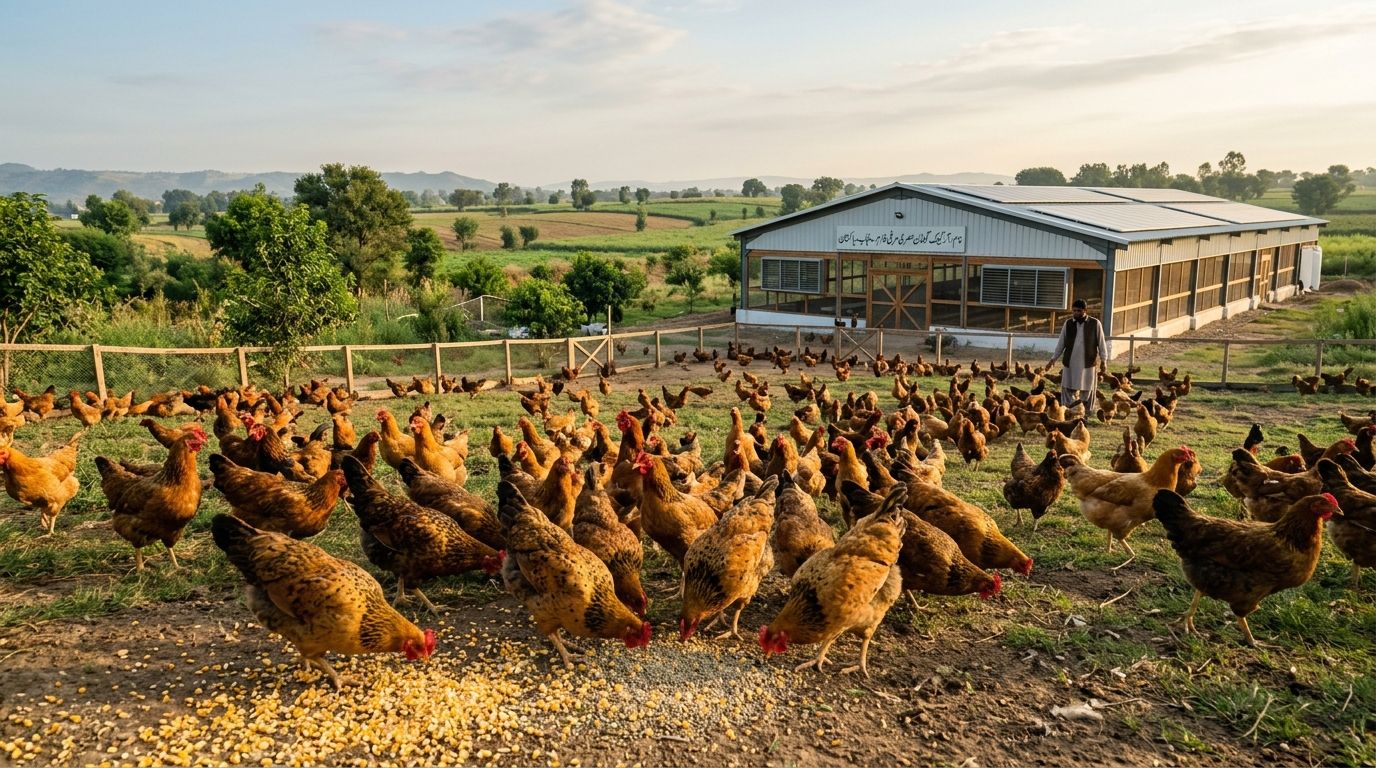
For centuries, chickens were primarily raised in backyard flocks or free-range systems. However, with the exponential growth in human population and the corresponding demand for affordable protein, particularly eggs, the poultry industry underwent a significant transformation in the mid-20th century. The advent of 'battery cages' revolutionized egg production, enabling mass-scale farming, improved hygiene, and controlled environments.
These early cage systems, while highly efficient, often involved extremely small spaces per bird, leading to welfare concerns that eventually sparked widespread public debate and advocacy. This led to a gradual, but impactful, shift towards improving housing conditions and exploring alternative systems.
Types of Cages and Housing Systems for Chickens
While the term 'cages' often conjures images of conventional battery cages, modern poultry housing encompasses a spectrum of systems, each with unique characteristics. It's crucial to differentiate these to appreciate the nuances of the industry.
1. Conventional (Battery) Cages
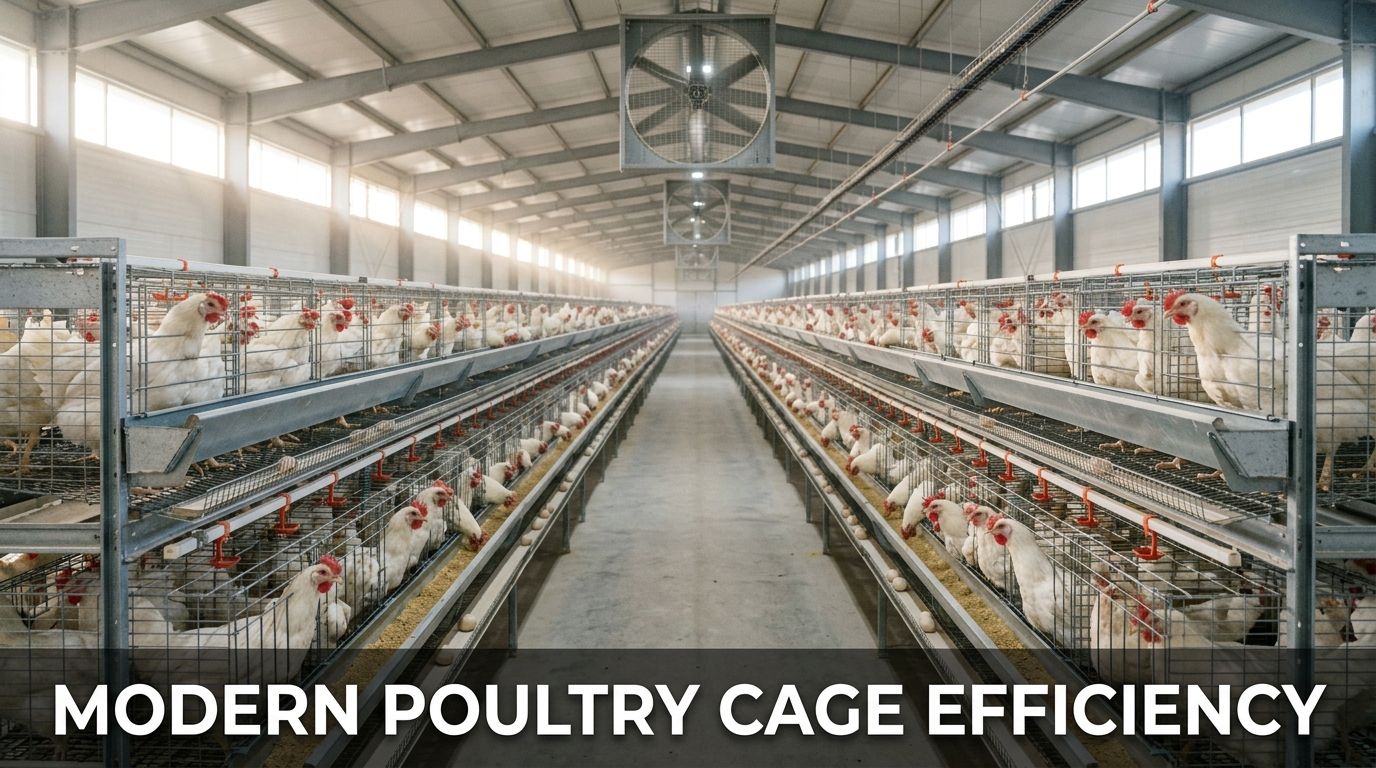
Historically, these were the most common systems for laying hens. They consist of small, wire-mesh enclosures, typically housing 3-8 hens. The floor is sloped to allow eggs to roll out onto a conveyor belt. Feed and water are provided via troughs and nipples outside the cages.
- Advantages: High stocking density, excellent biosecurity (minimizing bird-to-bird contact and disease transmission), easier manure management, lower labor costs, clean egg production.
- Disadvantages: Severe restriction of natural behaviors (dust bathing, nesting, perching, foraging), bone weakness, feather damage, significant public and regulatory opposition.
2. Enriched (Colony) Cages
Developed in response to welfare concerns, enriched cages are larger than conventional cages, providing more space per bird and incorporating amenities designed to allow natural behaviors. These amenities typically include:
- Nest boxes: To allow hens to lay eggs in a private, enclosed space.
- Perches: For roosting, a natural behavior for chickens.
- Scratch pads: To allow foraging and dust bathing.
- Increased space: Significantly more floor space per hen compared to conventional cages.
According to the European Food Safety Authority (EFSA), enriched cages offer a compromise, improving welfare outcomes compared to conventional cages while maintaining some of the efficiency benefits of caging. Many regions, particularly in Europe, transitioned from conventional to enriched cages following bans on the former.
3. Aviary and Multi-Tier Systems (Cage-Free)
While technically not 'cages,' these systems are often discussed in contrast to caging. Aviary systems allow birds to move freely within a large barn, often with multiple levels (tiers) that include perches, nest boxes, and scratching areas. Birds can move between levels via ramps or stairs.
- Advantages: Allows full expression of natural behaviors, generally higher public acceptance, improved leg and bone strength.
- Disadvantages: Higher initial capital costs, more challenging biosecurity management, increased potential for disease spread, higher labor costs, potential for feather pecking and cannibalism, higher feed consumption due to increased activity, and potentially higher mortality rates.
4. Floor/Barn Systems (Cage-Free)
In barn systems, chickens live together in large open barns, with litter on the floor for dust bathing and scratching. Nest boxes, perches, and feeding/watering systems are distributed throughout the barn. While hens have freedom of movement, outdoor access is not a requirement.
These systems are a step up in welfare from conventional cages but may still present challenges related to air quality, manure management, and managing bird density to prevent stress and injury.
Comparative Analysis of Poultry Housing Systems
The choice of housing system involves a trade-off between various factors. Here's a comparative overview:
| Feature | Conventional Cages | Enriched Cages | Aviary/Barn (Cage-Free) |
|---|---|---|---|
| Space per Bird | Very limited (e.g., 450 cm²/hen) | Moderate (e.g., 750 cm²/hen + amenities) | Ample (e.g., 1100-1400 cm²/hen) |
| Capital Investment | Lowest | Moderate | Highest |
| Labor Costs | Lowest (highly automated) | Low to Moderate | Highest (more manual oversight) |
| Biosecurity & Disease Control | Excellent (low bird-to-bird contact) | Good | Challenging (high bird-to-bird contact) |
| Welfare Score | Poor (restricted natural behaviors) | Improved (some natural behaviors possible) | Excellent (full natural behavior expression) |
| Egg Cleanliness | Excellent (eggs roll away immediately) | Good | Can be variable (more contact with litter) |
| Production Efficiency | Highest (feed conversion ratio) | High | Moderate (higher activity, more energy expenditure) |
Global Regulations and Animal Welfare Standards
The global landscape for poultry housing is increasingly shaped by animal welfare regulations and consumer demand. The World Organisation for Animal Health (WOAH) provides international guidelines for animal welfare, including recommendations for poultry production systems, emphasizing the 'Five Freedoms' (freedom from hunger and thirst; freedom from discomfort; freedom from pain, injury or disease; freedom to express normal behavior; freedom from fear and distress).
Key regulatory shifts include:
- European Union (EU): Conventional battery cages for laying hens were effectively banned in the EU in 2012, requiring a transition to enriched cages or cage-free systems. This significantly impacted egg production across member states and led to widespread conversion efforts.
- United States: While no federal ban exists, several states (e.g., California, Massachusetts, Washington, Oregon, Michigan) have passed laws mandating cage-free egg production, typically taking effect over several years. This patchwork of regulations creates complexity for producers operating across state lines.
- Other Regions: Countries like New Zealand, Canada, and Australia have also either banned conventional cages or are in the process of phasing them out, often with long transition periods to allow the industry to adapt. Asian and African countries show a mixed approach, with some large producers adopting enriched systems for export markets, while domestic markets may still rely heavily on conventional cages for affordability.
Economic Implications of Housing Systems
The choice of housing system has profound economic consequences for poultry farmers, supply chains, and consumers.
1. Capital Investment
Building or converting to cage-free systems (aviary or barn) requires significantly higher upfront capital compared to conventional or even enriched cage systems. This includes costs for larger structures, more complex ventilation, specialized equipment for manure management, and more robust internal structures for perching and nesting.
According to reports from the USDA's Economic Research Service (ERS), the cost of converting a farm from conventional cages to cage-free can range from 20% to over 100% higher per hen, depending on the specifics of the new system and existing infrastructure.
2. Operational Costs
Cage-free systems generally incur higher operational costs due to:
- Increased Labor: More manual oversight and management are often required.
- Higher Feed Consumption: Birds in cage-free systems are more active, expending more energy, thus requiring more feed.
- Energy Use: Larger barns may require more energy for heating, cooling, and ventilation.
- Disease Management: Increased bird interaction can lead to higher risks of disease outbreaks, necessitating more intensive biosecurity measures and potentially higher veterinary costs.
3. Market Price and Consumer Demand
The higher costs associated with cage-free production typically translate into higher retail prices for eggs. While a growing segment of consumers in developed markets is willing to pay a premium for cage-free products, affordability remains a critical factor globally. The availability of cage-free eggs can fluctuate based on supply, demand, and regulatory mandates.
The Food and Agriculture Organization (FAO) of the United Nations highlights that in many parts of the world, particularly low-income countries, the emphasis remains on ensuring food security and affordability, often prioritizing efficient, high-volume production systems, which frequently include conventional cages.
Technological Advancements in Poultry Housing
Modern poultry farming, regardless of the housing system, heavily relies on technology to optimize conditions and efficiency.
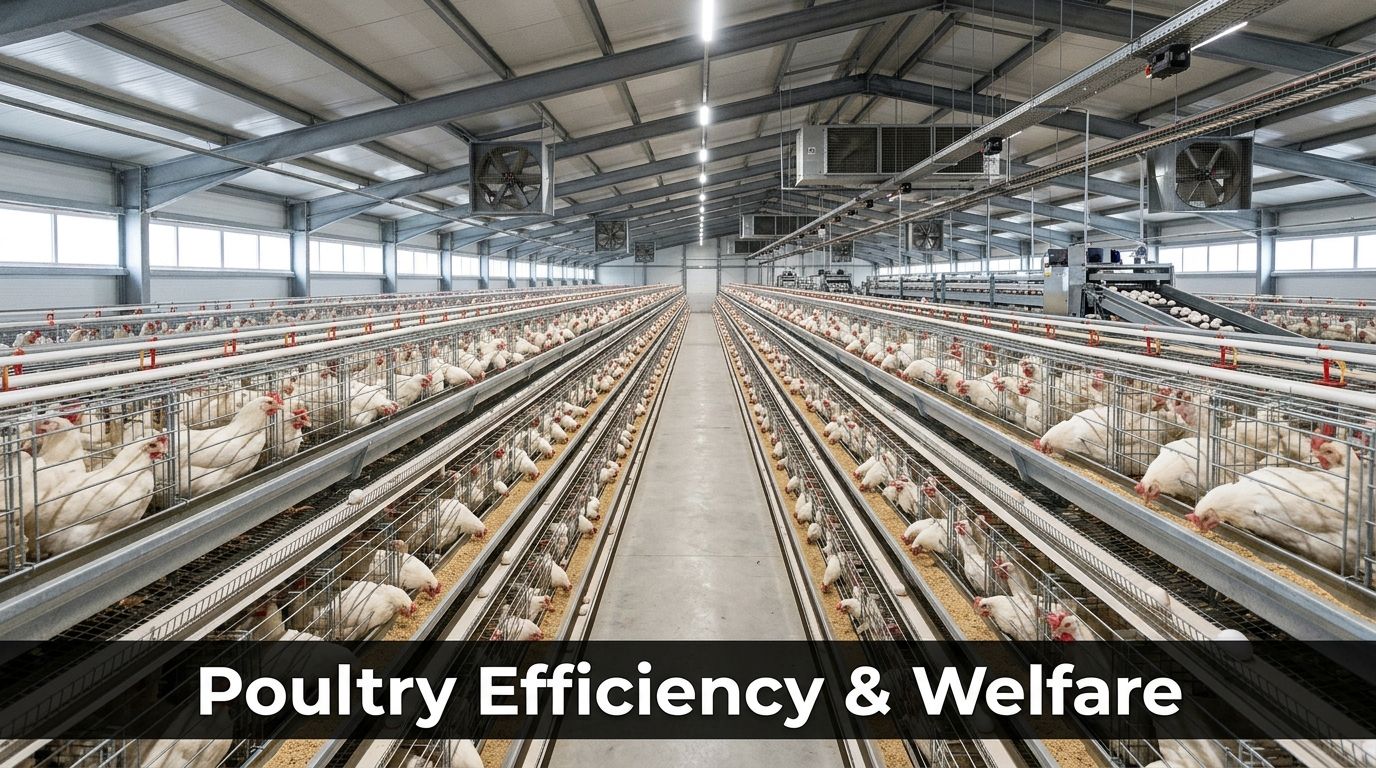
- Climate Control Systems: Sophisticated ventilation, heating, and cooling systems maintain optimal temperatures and air quality, crucial for bird health and productivity in both caged and cage-free environments.
- Automated Feeding and Watering: Automated delivery systems ensure constant access to fresh feed and water, minimizing waste and labor.
- Egg Collection Systems: Conveyor belts and robotic arms efficiently collect eggs, reducing human contact and ensuring rapid, gentle handling.
- Manure Management: Automated scrapers or belt systems remove manure, improving hygiene and air quality, and facilitating its collection for use as fertilizer or energy production.
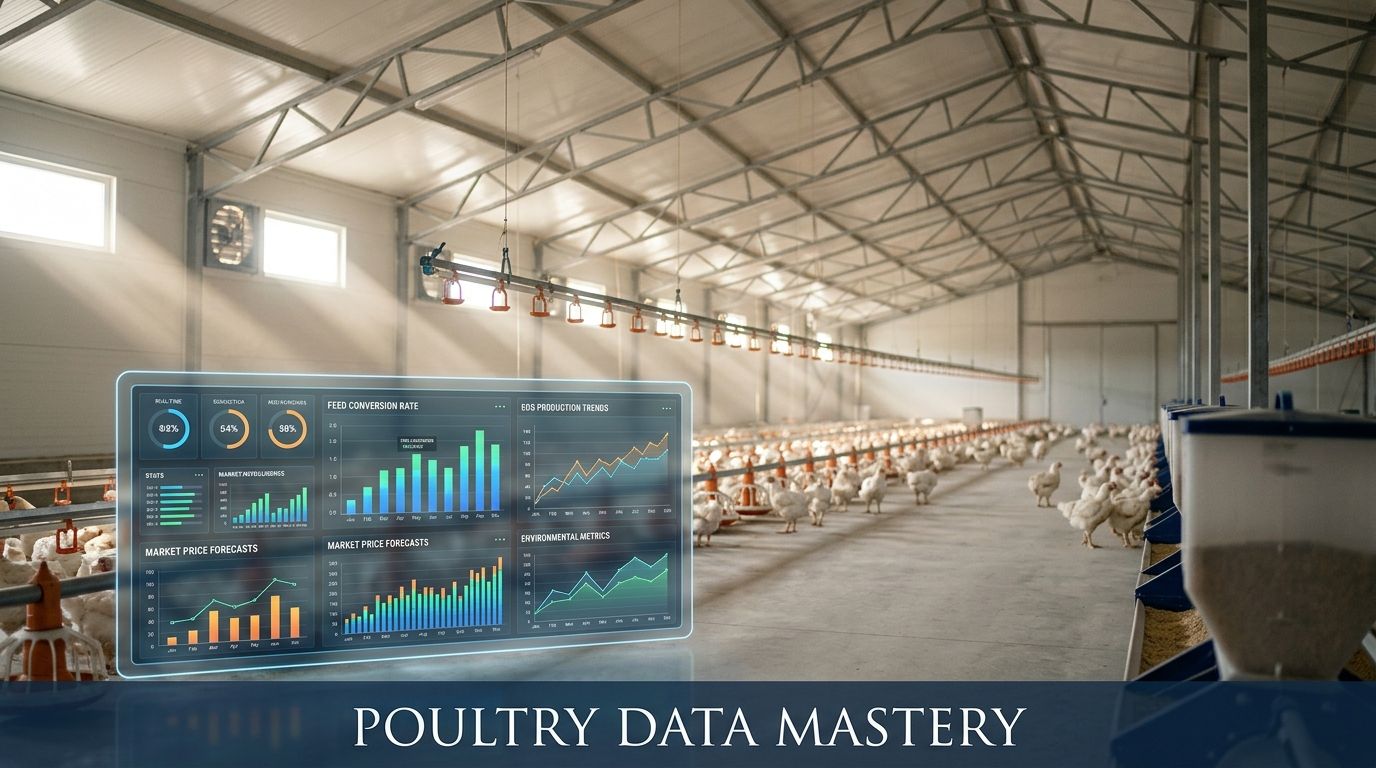
- Monitoring and Data Analytics: Sensors monitor temperature, humidity, CO2 levels, feed consumption, and water intake. Data analytics provide insights into flock health, performance, and environmental conditions, enabling precision farming.
The Future of Cages for Chickens: Balancing Ethics, Economics, and Sustainability
The debate around cages for chickens is far from over. While the trend in many developed regions is a clear move towards cage-free, the global picture is more complex. Factors influencing future decisions include:
- Continued Public Pressure: Animal welfare organizations and consumers will likely continue to advocate for higher welfare standards.
- Scientific Research: Ongoing research by institutions like the University of Guelph and other global poultry research centers continues to evaluate the welfare outcomes and economic viability of different housing systems, seeking evidence-based solutions.
- Sustainability Goals: The environmental footprint of different systems, including resource usage (water, energy), waste management, and greenhouse gas emissions, will play an increasingly important role. Efficient systems that minimize waste and maximize resource utilization will gain favor.
- Innovation in Enriched Systems: Further improvements in enriched cage designs may offer a viable middle ground, addressing some welfare concerns while retaining efficiency advantages.
- Economic Realities: The ability of producers, especially in developing countries, to absorb the costs of conversion and the willingness of consumers to pay higher prices will dictate the pace of change.
The poultry industry faces the ongoing challenge of providing affordable, safe, and nutritious protein to a growing global population while simultaneously addressing ethical concerns and environmental sustainability. The future of chicken housing will likely feature a diverse array of systems, continually evolving through technological innovation, driven by both market forces and societal values.