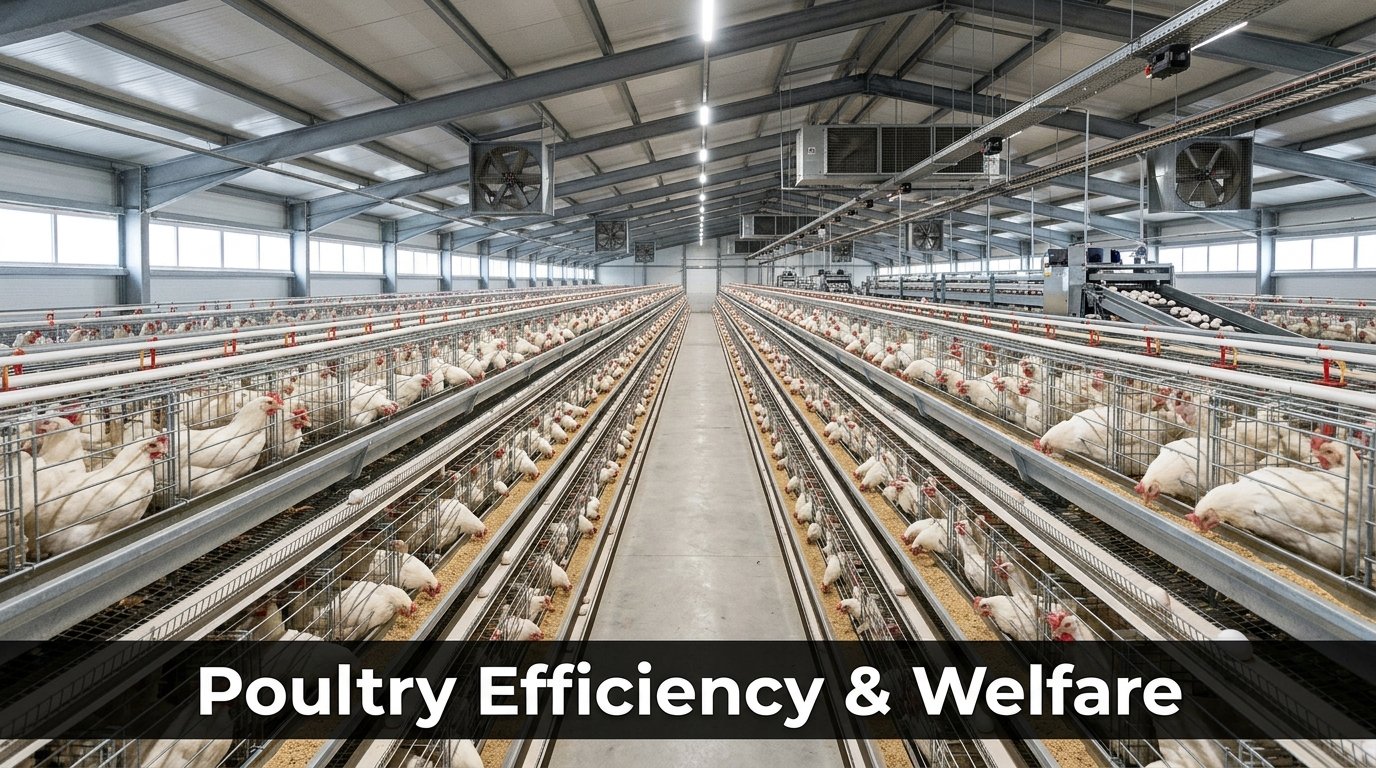


The poultry industry stands as a cornerstone of global food security, providing essential protein to billions. Within this vast and dynamic sector, the methods of rearing chickens have evolved significantly, with caged systems playing a pivotal, albeit often debated, role. Far from being a monolithic practice, the use of cages in chicken farming encompasses a range of approaches, from conventional battery cages to advanced enriched colony systems, each designed to optimize specific aspects of production. This article delves into the multi-faceted importance of caged systems, examining their contributions to efficiency, biosecurity, resource management, and economic viability, while also addressing critical considerations surrounding animal welfare and environmental impact. We explore how these systems, when properly managed and continuously improved, serve as a foundational element in meeting the escalating global demand for poultry products.
Historical Context and Evolution of Poultry Farming
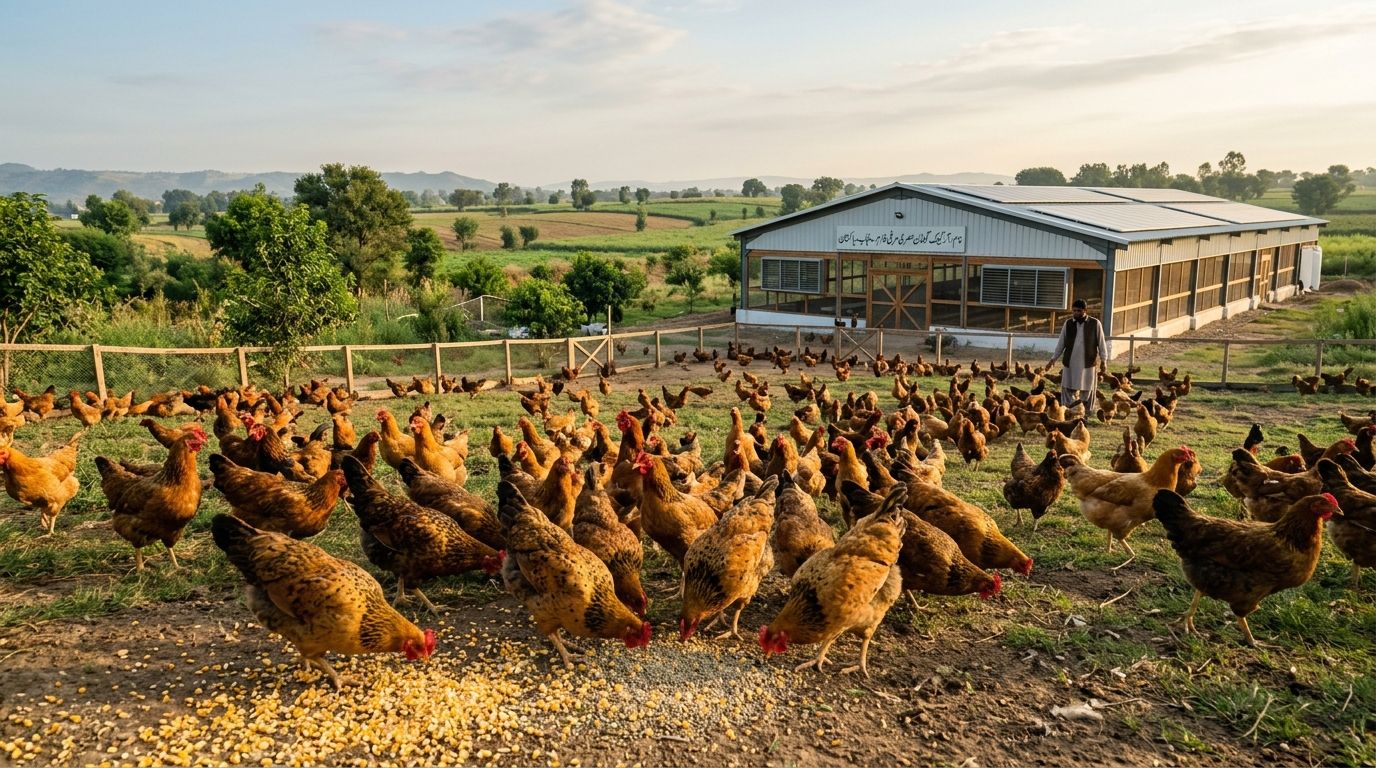
Historically, chickens were raised in small flocks, foraging freely. However, as human populations grew and demand for protein surged in the 20th century, the poultry industry underwent a rapid transformation towards industrial-scale production. The development of specialized breeds for meat (broilers) and eggs (layers) necessitated more controlled environments. Caged systems emerged as a solution to manage large numbers of birds in a confined space, initially focusing on maximizing output and minimizing land use. Early designs, often referred to as 'battery cages,' became widespread due to their sheer efficiency in egg collection and reduction of disease transmission from fecal contact. This marked a significant shift from extensive to intensive farming, profoundly shaping the modern poultry landscape.
Advantages of Modern Caged Systems in Poultry Production
Modern caged systems, particularly enriched and colony cages, offer several compelling advantages that contribute to their continued importance in global poultry farming:
1. Enhanced Efficiency and Productivity
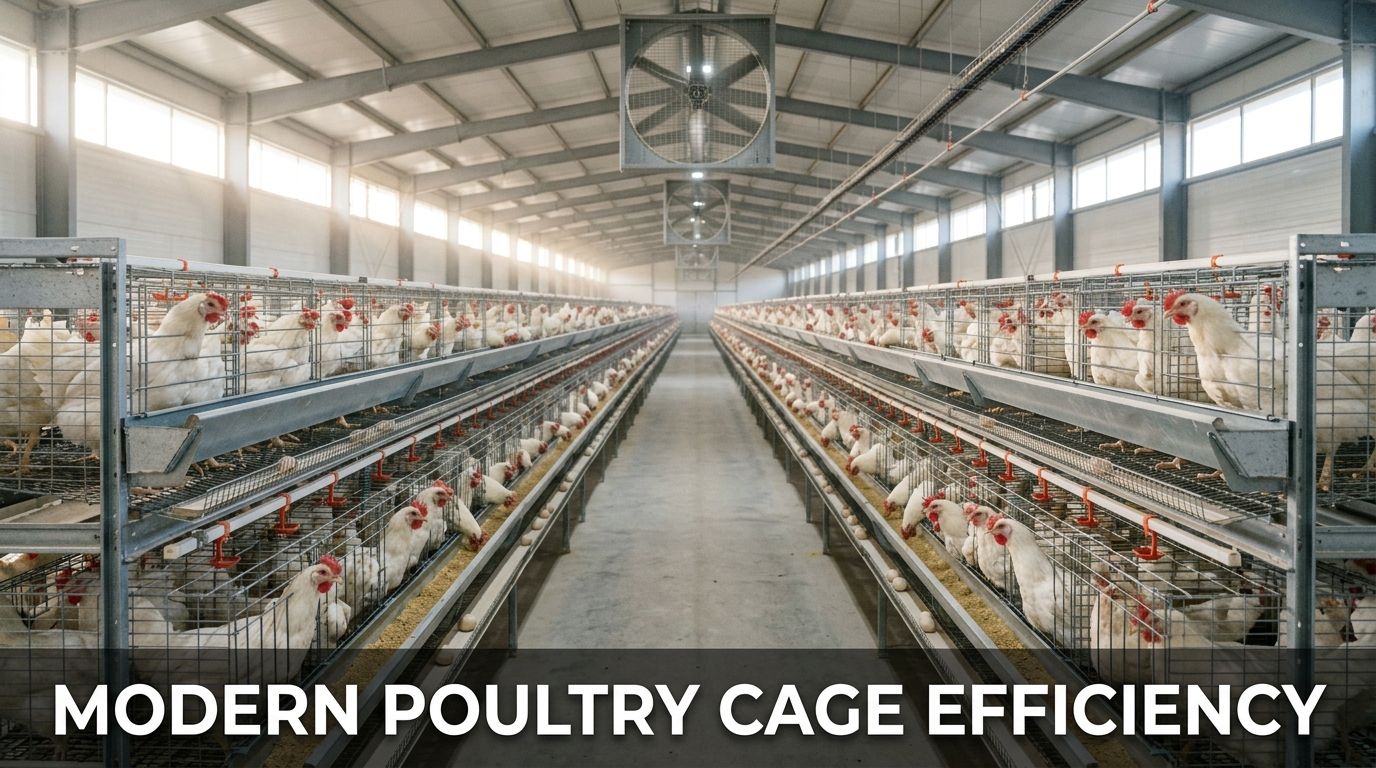
- Space Utilization: Cages allow for significantly higher stocking density per square meter of building footprint compared to floor systems. This translates to lower land requirements and reduced infrastructural costs per bird, crucial in areas with limited agricultural land.
- Feed Conversion Ratio (FCR): In caged layer systems, birds expend less energy on movement and thermoregulation, directing more energy towards egg production. This often results in superior FCRs for egg layers. For broilers, while often floor-raised, specific cage systems (e.g., for rearing breeding stock or specialized broilers) can offer controlled environments that optimize growth rates.
- Egg Collection and Quality: Automated egg collection in caged layer systems is highly efficient, reducing labor costs and minimizing egg breakage and contamination from litter. Eggs roll directly onto conveyor belts, maintaining cleanliness and quality.
- Uniformity: Caged environments allow for better individual monitoring and management, ensuring more uniform flock performance and reducing variability in production.
2. Superior Biosecurity and Disease Control
One of the most compelling arguments for caged systems is their inherent biosecurity advantage. By separating birds from their feces and preventing direct contact with soil or contaminated litter, the risk of pathogen transmission (e.g., E. coli, Salmonella, coccidiosis) is significantly reduced. This controlled environment is paramount in preventing widespread outbreaks that can decimate flocks and impact food safety.
- Easier cleaning and disinfection of cage surfaces compared to deep litter systems.
- Individual bird health can be monitored more effectively, facilitating prompt isolation and treatment of sick animals, thus preventing widespread outbreaks.
The World Organisation for Animal Health (WOAH) consistently emphasizes biosecurity measures, including strict hygiene and segregation, as paramount in preventing and controlling avian diseases. Caged systems can facilitate these measures effectively, offering a line of defense against costly and devastating health challenges.
3. Optimized Resource Management
- Water and Feed: Automated feeding and watering systems in cages minimize waste and ensure precise delivery to each bird. This not only saves valuable resources but also reduces spillage and contamination, ensuring healthier feed intake.
- Waste Management: Feces are typically collected on belts or in pits beneath cages, allowing for easier, more efficient collection and processing into fertilizer or biogas. This centralized collection reduces environmental pollution and offers opportunities for resource recycling.
4. Economic Viability and Scalability
The efficiencies gained in caged systems translate directly into economic benefits. Lower labor requirements due to automation, reduced mortality rates from disease and predation, and consistent production volumes lead to more predictable market supply. These factors contribute to a lower per-unit cost of production, making poultry products more affordable and accessible for consumers globally. This scalability is critical for meeting the protein needs of growing populations, especially in developing nations.
The Food and Agriculture Organization of the United Nations (FAO) consistently highlights intensive systems, including caged poultry, as crucial for meeting global protein demand, particularly in regions with limited land resources and a need for affordable food sources.
Types of Caged Systems
The term 'caged systems' is broad and encompasses various designs, evolving significantly over time:
- Conventional (Battery) Cages: Older designs, characterized by minimal space and lack of enrichments. Primarily used for egg layers, these systems are facing phase-out in many regions due to significant animal welfare concerns.
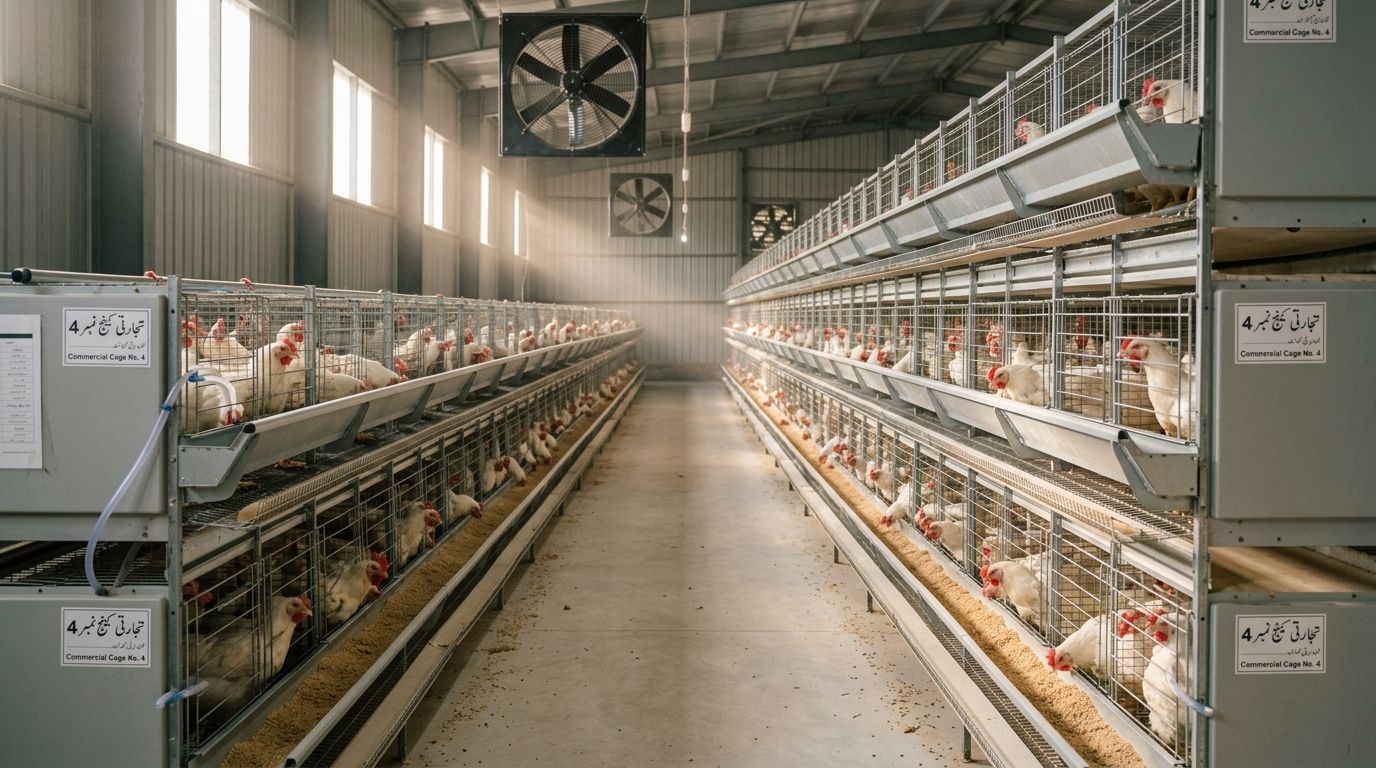
- Enriched Cages: Modified conventional cages providing more space per bird, perches for roosting, nest boxes for laying, and scratching areas. These are designed to allow more natural behaviors than conventional battery cages and are mandated in many regions, such as the EU.
- Colony Cages: Larger cages housing more birds, offering similar enrichments to enriched cages but on a larger scale, further improving space and promoting social interaction within the defined group.
Addressing Animal Welfare Concerns
The debate surrounding animal welfare in caged systems is significant and has led to considerable industry and regulatory changes, especially in Western markets. Critics argue that conventional battery cages restrict natural behaviors like nesting, perching, dust-bathing, and foraging, causing stress, bone weakness, and feather pecking. In response, the industry has innovated, moving towards enriched colony cages or furnished cages. These systems provide more space per bird, perches for roosting, nest boxes for laying, and scratch pads for dust-bathing. This allows hens to express a wider range of natural behaviors, significantly improving their welfare compared to conventional battery cages.
Regulatory bodies worldwide have responded to these concerns. For instance, the European Union banned conventional battery cages for laying hens in 2012, mandating the use of enriched cages or cage-free systems. Similarly, several states in the United States have implemented laws phasing out conventional cages, driven by consumer preferences and legislative action. The USDA (United States Department of Agriculture), while not universally banning cages, provides guidelines and certifications for various production methods, including 'cage-free' and 'organic' which preclude conventional cages. The European Food Safety Authority (EFSA) also conducts extensive research and provides scientific opinions that inform EU legislation on animal welfare, including that of laying hens.
The World Organisation for Animal Health (WOAH), in its Terrestrial Animal Health Code, provides science-based recommendations for animal welfare, including poultry. While WOAH doesn't prohibit cages, it emphasizes the importance of adequate space, environmental enrichment, and freedom from hunger, thirst, fear, and discomfort, which modern enriched cage systems aim to address. The ongoing challenge for producers is to balance economic viability and food security with evolving animal welfare standards, recognizing that 'welfare' is a complex concept with scientific, ethical, and societal dimensions.
Environmental Impact
Caged systems, especially when managed with advanced waste collection, can offer notable environmental benefits. The concentrated nature of manure allows for efficient collection, storage, and processing. This facilitates nutrient recycling, turning waste into valuable fertilizer or energy (biogas), thus reducing greenhouse gas emissions and water pollution compared to scattered waste in extensive systems. However, poor management can lead to localized air quality issues (ammonia) and potential runoff. Modern ventilation and waste treatment technologies are crucial in mitigating these impacts. Compared to extensive systems, caged farms typically have a smaller land footprint per bird, preserving natural habitats and biodiversity elsewhere.
Global Perspective and Future Trends
The role of caged systems in global food security cannot be understated. According to the FAO, poultry meat and eggs are among the most efficient and affordable sources of animal protein, crucial for combating malnutrition in developing regions and meeting the increasing demand in rapidly growing economies. While wealthier nations may lean towards cage-free options, the economic realities in many parts of the world necessitate cost-effective production methods. Caged systems, particularly improved enriched models, offer a pathway to scale production efficiently and sustainably.
Future trends indicate a dual approach:
- Technological Advancements: Automation, precision feeding, climate control, and smart monitoring systems are continually improving the efficiency and welfare aspects of caged systems. Robotics for egg collection and maintenance, coupled with advanced ventilation, contribute to healthier environments for birds and workers.
- Consumer and Market Dynamics: The 'cage-free' movement continues to gain traction, especially in North America and Europe, driven by ethical consumerism and corporate commitments. This has led to a diversification of production methods and marketing strategies, with producers offering both caged (enriched) and cage-free options to cater to varying market segments. However, the premium associated with cage-free products means caged production remains vital for broad affordability.
Comparative Analysis of Poultry Rearing Systems
To further illustrate the distinct characteristics and benefits of different poultry rearing methods, the following table provides a comparative analysis, highlighting where caged systems excel and where other systems offer unique advantages:
| Feature | Caged Systems (Enriched/Colony) | Floor/Barn Systems | Free-Range/Pasture Systems |
|---|---|---|---|
| Space Utilization | High (vertical stacking possible) | Medium (single-level housing) | Low (requires significant outdoor access) |
| Biosecurity & Disease Control | Excellent (separation from feces, controlled environment) | Good (indoor, but litter contact) | Moderate (exposure to external pathogens, predators) |
| Feed Conversion Ratio (Layers) | Excellent (less energy spent on movement) | Good (more movement than cages) | Variable (higher energy expenditure) |
| Egg Collection Automation | Highly Automated | Manual to Semi-Automated | Mostly Manual |
| Initial Investment | High (for modern systems) | Medium | Low to Medium (land cost can vary) |
| Labor Requirements | Lower (due to automation) | Medium | Higher (for scattered birds) |
| Environmental Impact (Manure Mgmt) | Efficient (centralized collection) | Moderate (litter removal) | Dispersed (can pollute soil/water if not managed) |
| Animal Welfare Score (Perceived) | Improved (enriched cages), but still debated by some | Generally Good | Highest (freedom of movement) |
Global Poultry Production Overview
The scale of the global poultry industry underscores the necessity for efficient production methods. Modern caged systems play a crucial role in contributing to these vast figures, especially for egg production:
| Product Type | Global Production Volume (Approx. Annual) | Key Contributing Regions | Dominant Production System Role |
|---|---|---|---|
| Poultry Meat | ~140-150 Million Metric Tons | Asia, North America, Europe, Latin America | Floor systems primarily; cages for breeding/specialized. Caged systems contribute indirectly via efficient layer breeding. |
| Eggs | ~85-90 Million Metric Tons (Approx. 1.5-2 Trillion eggs) | Asia (China, India), North America, Europe | Enriched Cages, Colony Cages, Floor systems. Caged systems remain significant globally due to efficiency. |
| Global Poultry Sector Growth | Projected 2-3% Annually | Developing economies (Asia, Africa) | Intensive systems (including modern cages) crucial for scaling to meet demand. |
Source: Adapted from FAOSTAT data and various industry reports. Exact figures fluctuate annually.
Conclusion
In conclusion, the importance of cages in chicken farming, particularly enriched and colony systems, is multi-faceted and undeniable in the context of global food production. They offer significant advantages in terms of efficiency, biosecurity, resource management, and economic viability, directly contributing to the affordability and availability of poultry products worldwide. While concerns regarding animal welfare in conventional battery cages have rightly led to significant reforms and a shift towards more humane alternatives, modern caged systems continue to evolve, integrating technological advancements and improved welfare standards. The ongoing challenge for the poultry industry is to navigate the complex interplay between productivity, profitability, animal welfare, and environmental stewardship, ensuring that sustainable and ethical practices underpin its vital role in feeding the world.