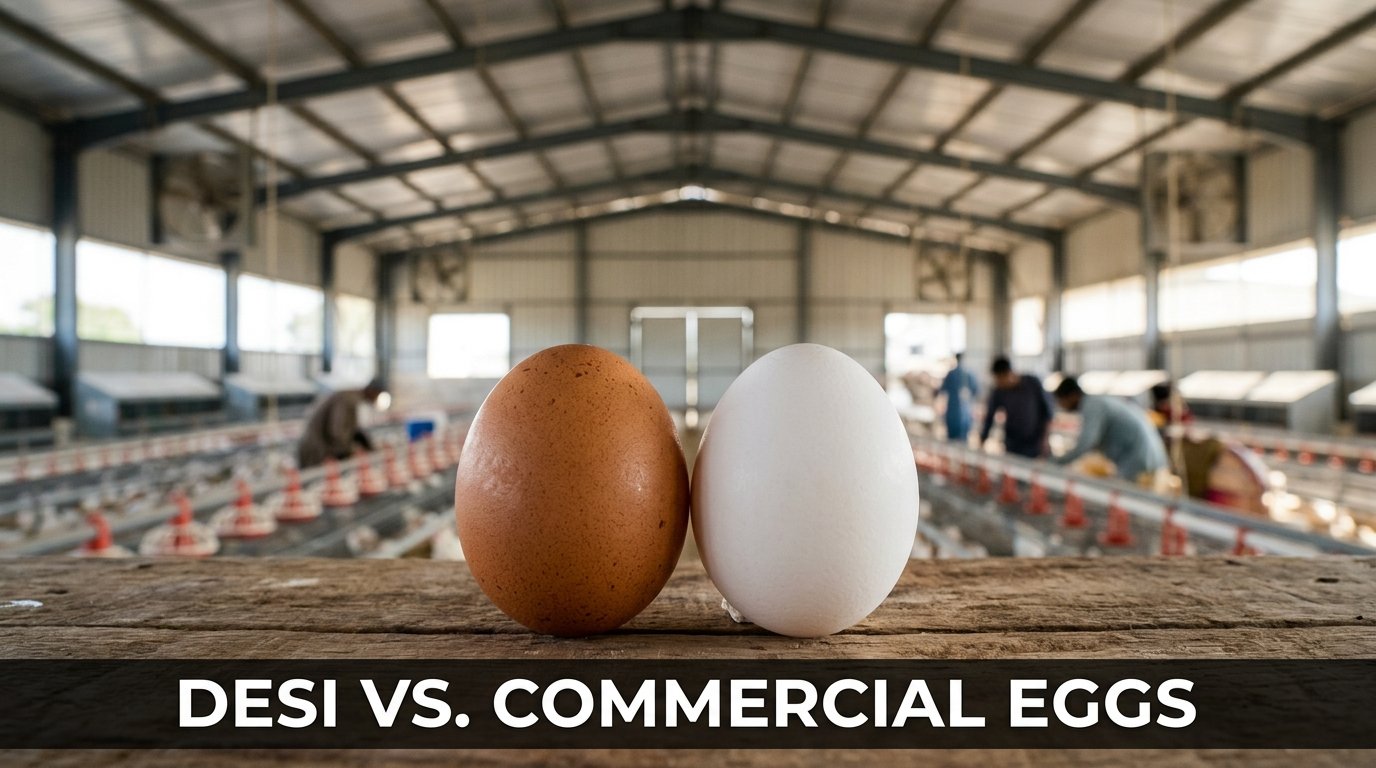


The humble egg, a staple in diets worldwide, comes in various forms, each with its own story of origin, production, and perceived value. In many parts of the world, a distinction is often made between 'desi eggs' and 'commercial eggs.' While the terminology may vary regionally—'desi' often translates to 'local,' 'indigenous,' or 'traditional backyard'—the underlying comparison delves into fundamental differences in poultry farming practices, nutritional profiles, market dynamics, and consumer preferences. This comprehensive global analysis aims to unravel the intricacies of this debate, providing a data-enriched perspective for both consumers and industry professionals.
Understanding the Origins: Desi vs. Commercial
At its core, the distinction between desi and commercial eggs lies in the production environment and the genetics of the laying hens.
Commercial Egg Production: Efficiency and Scale
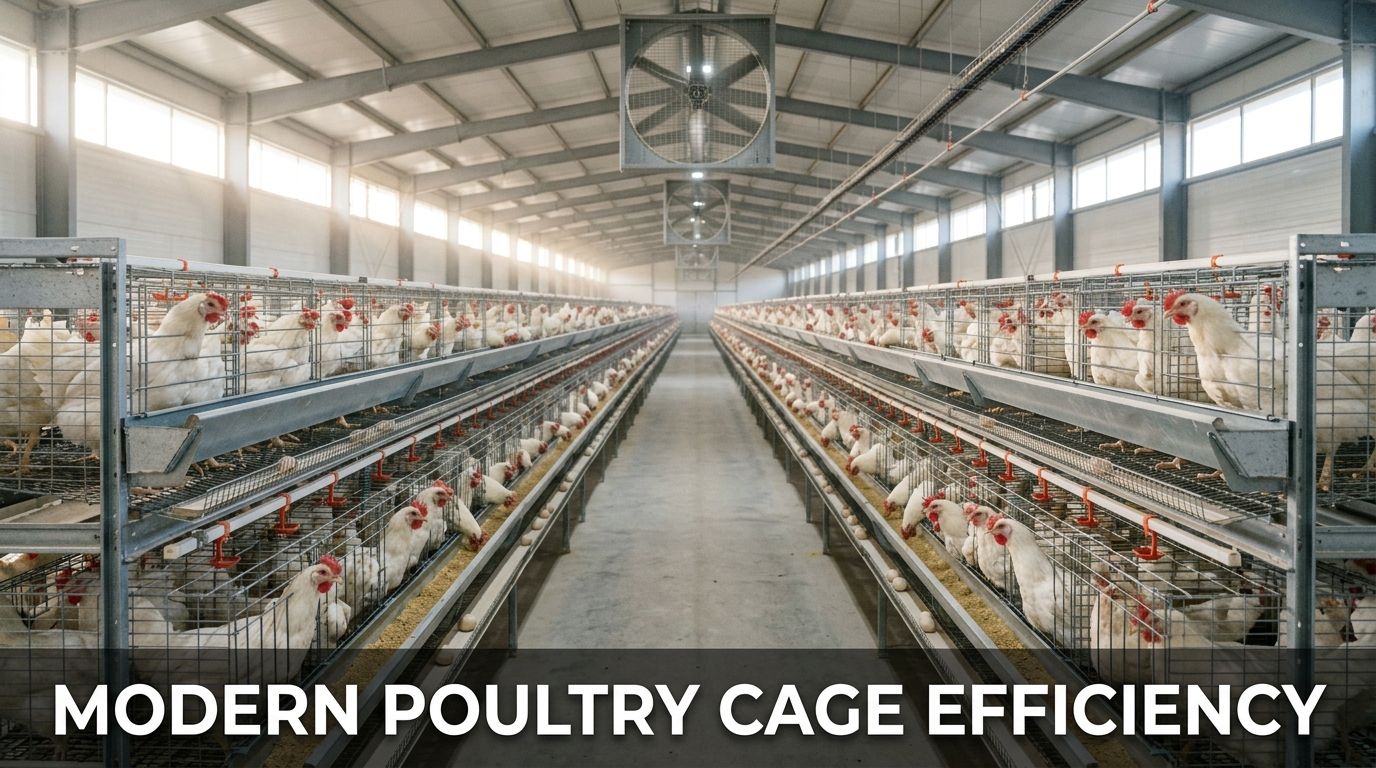
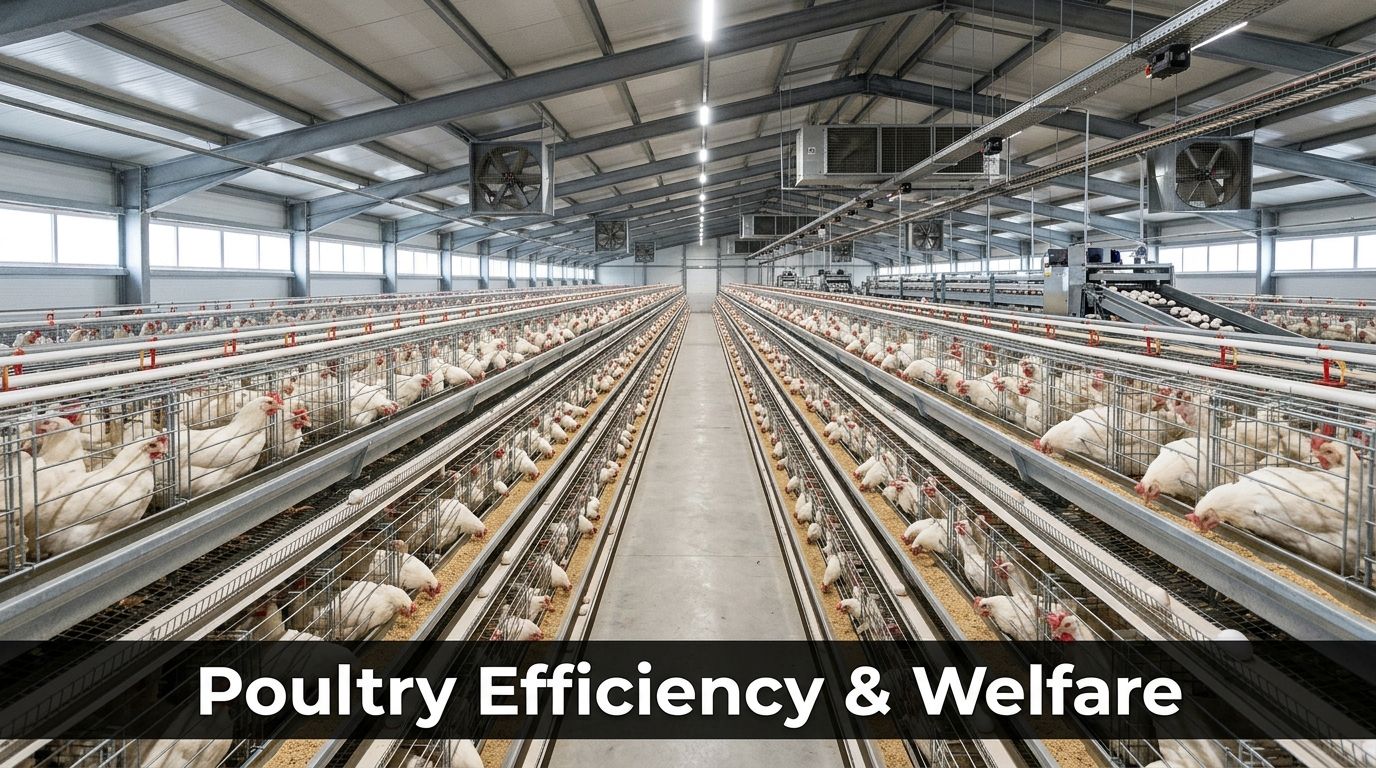
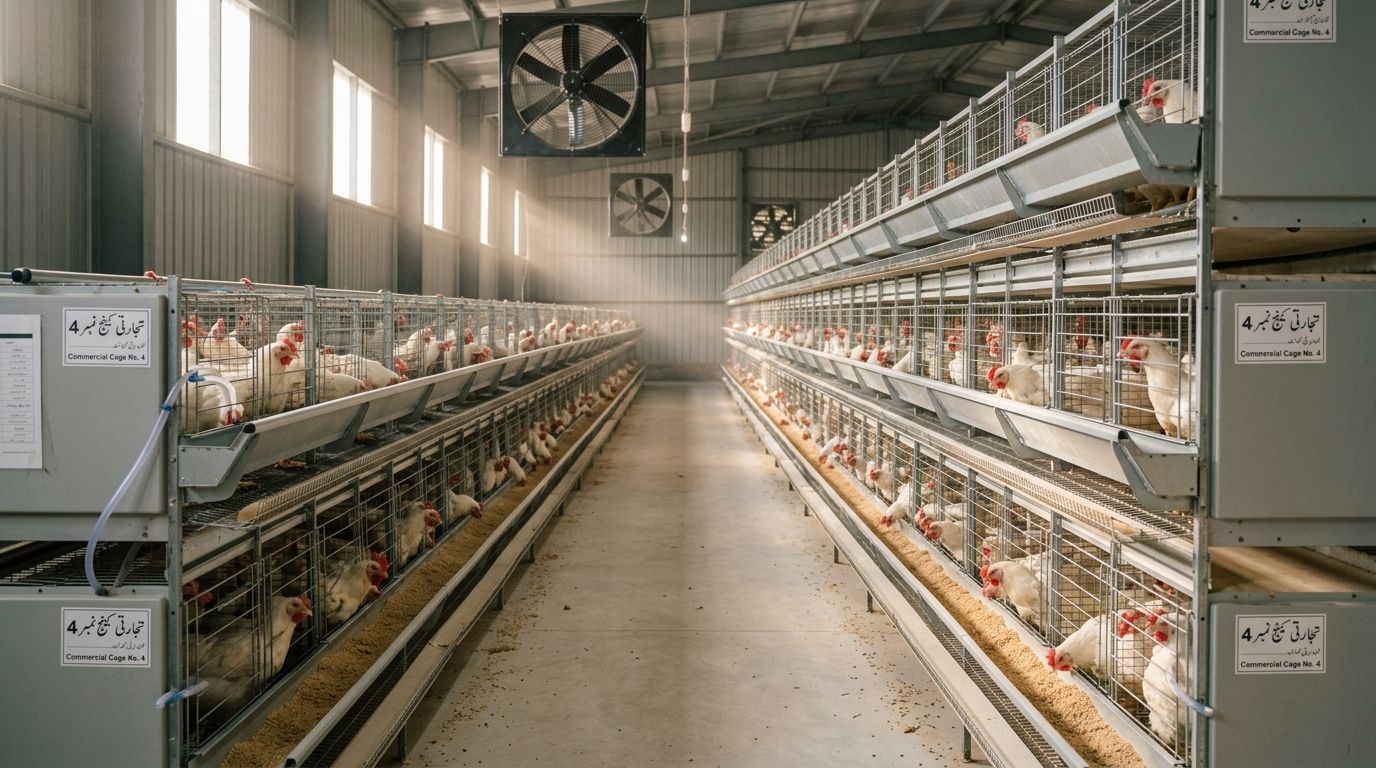
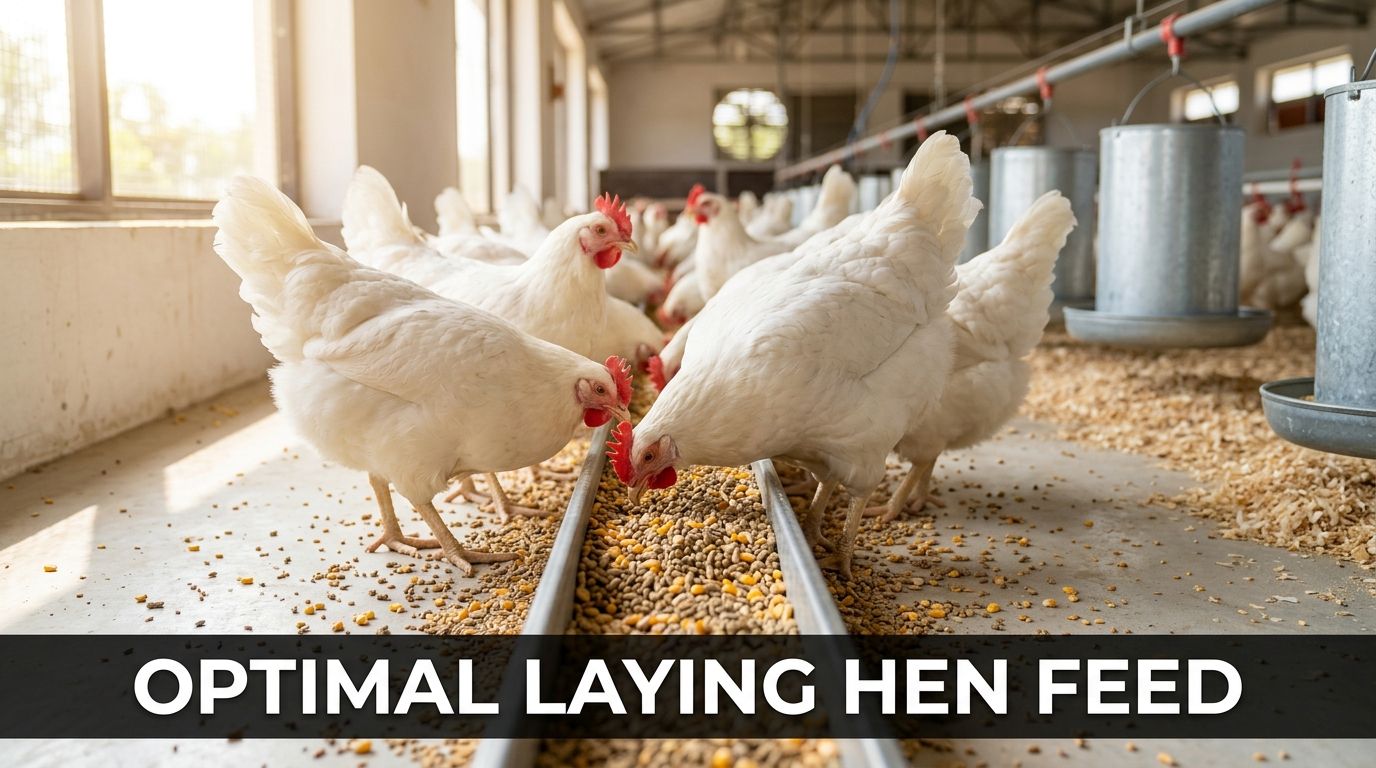
Commercial eggs are typically produced in large-scale industrial settings, designed for maximum efficiency and output. These operations often utilize hybrid chicken breeds, specifically bred for high egg production rates, rapid growth, and disease resistance. The production systems can be broadly categorized:
- Caged Systems (Battery Cages, Enriched Cages): The most common globally, optimizing space and resource utilization. Enriched cages offer slightly more space and amenities. These systems are highly controlled, reducing exposure to pathogens and ensuring consistent feed intake.
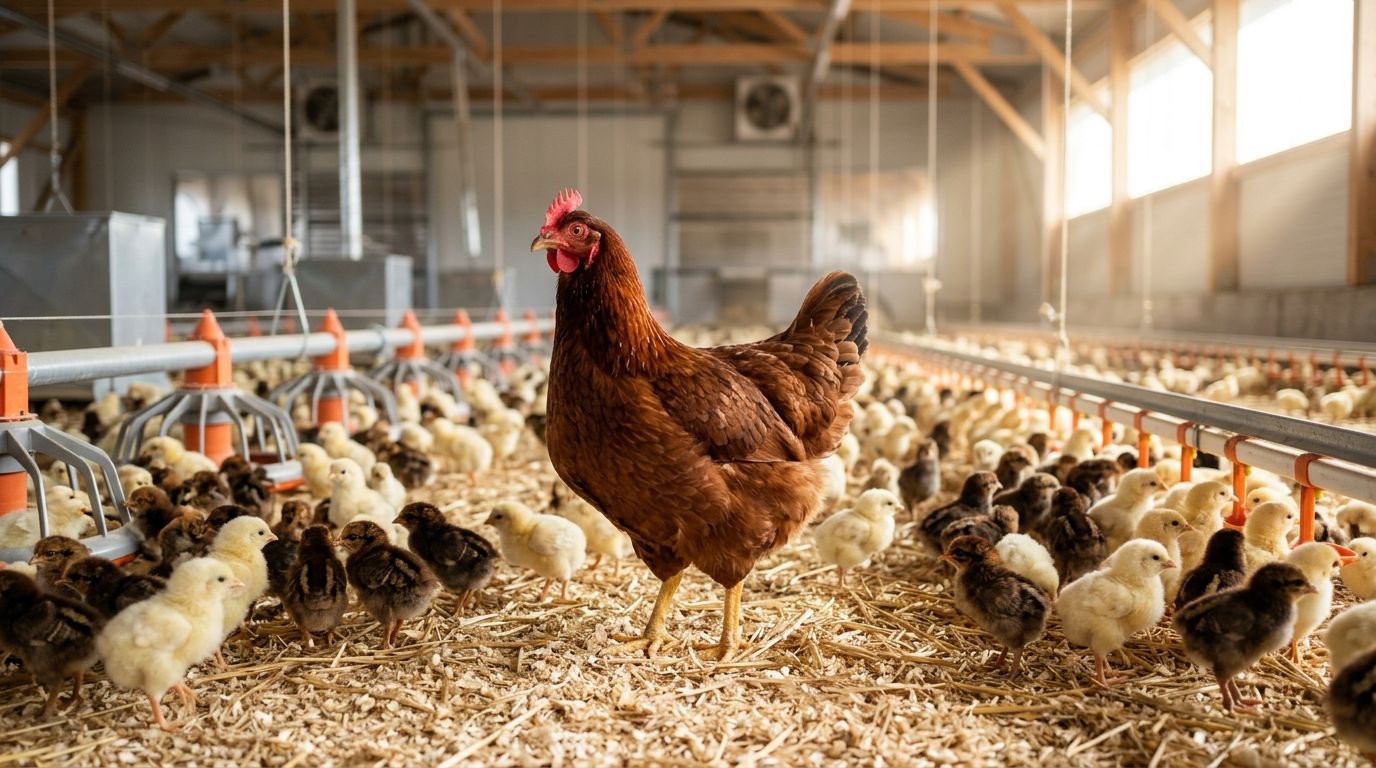
- Cage-Free Systems (Barn-Raised, Free-Run): Hens are kept indoors in large barns, allowing them to roam freely within the barn, perch, and lay eggs in nesting boxes.
- Free-Range Systems: Hens have access to an outdoor area for at least part of the day, in addition to indoor shelter. The amount of outdoor access and space per bird varies by regional regulations.
- Pasture-Raised Systems: Hens spend most of their lives outdoors on pastures, foraging for natural feed, with mobile shelters for protection. This is often considered the highest standard for commercial welfare.
Feed in commercial operations is meticulously formulated to ensure optimal nutrition for egg production, often consisting of corn, soy, and various supplements. The focus is on standardization, hygiene, and biosecurity to maintain flock health and consistent egg quality. The World Organisation for Animal Health (WOAH) provides global guidelines for animal welfare, including those for laying hens, which influence regulatory standards in many countries.
Desi Egg Production: Tradition and Locality
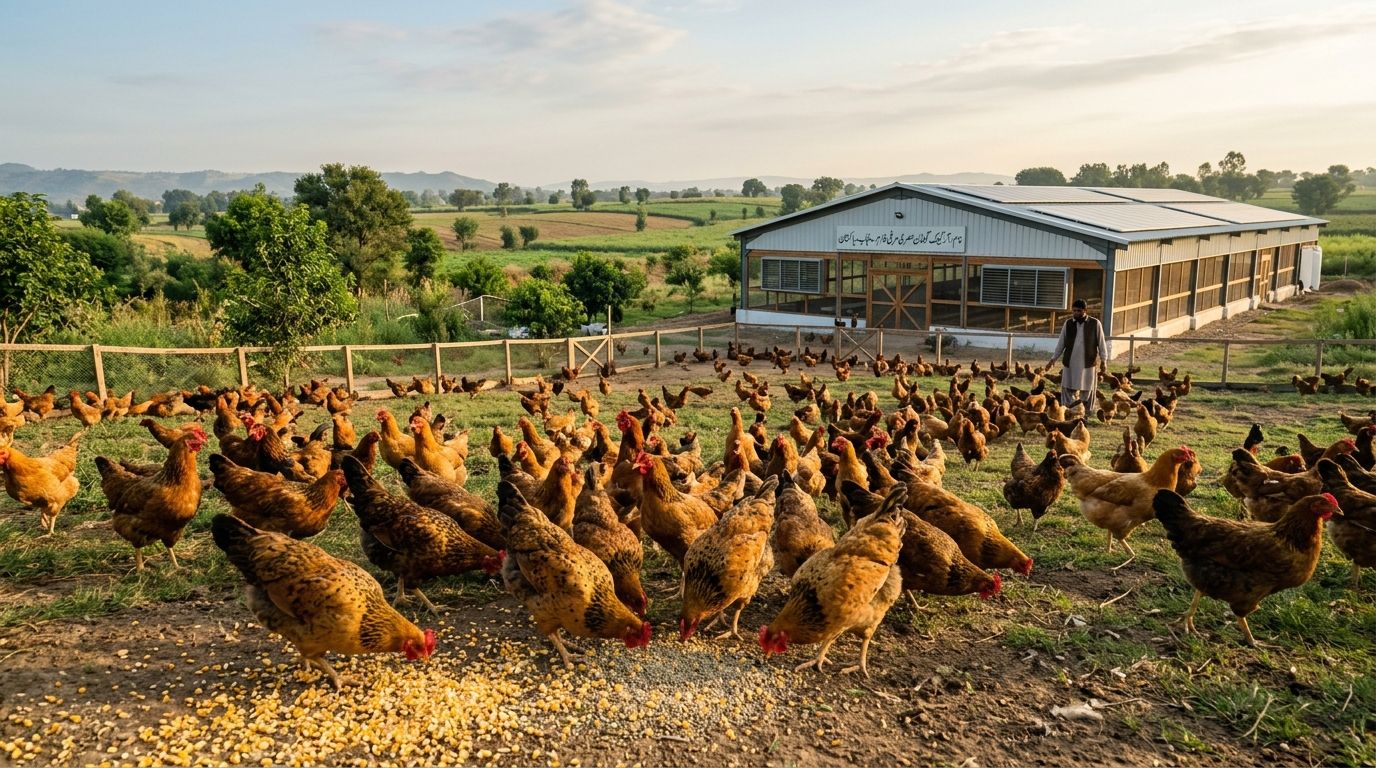
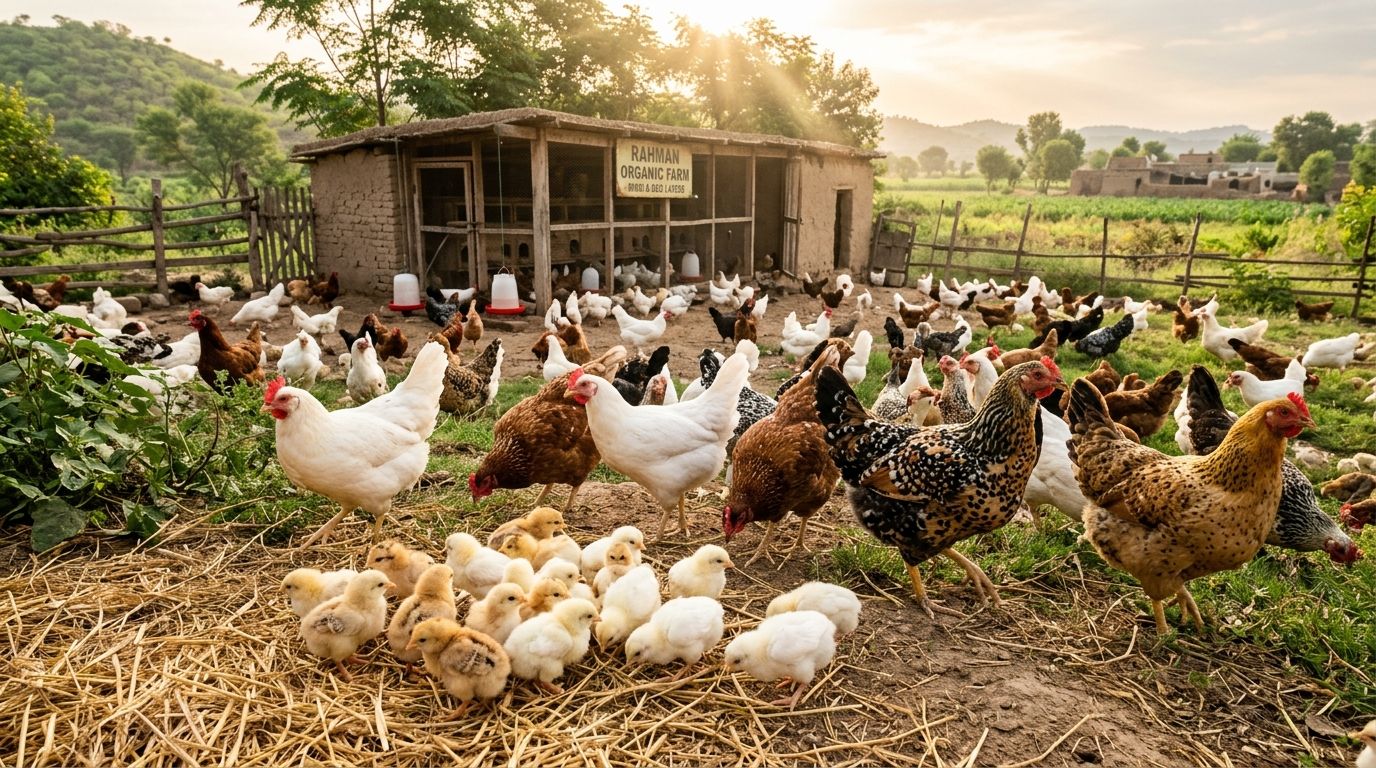
'Desi' eggs, by contrast, generally refer to eggs laid by local or indigenous chicken breeds raised in traditional, often small-scale or backyard farming systems. These hens typically forage freely in natural environments, consuming a diverse diet of insects, worms, greens, and whatever kitchen scraps or grains they are provided. Key characteristics include:
- Indigenous Breeds: Often slower-growing, hardy breeds adapted to local climates and resistant to common diseases. Their egg-laying capacity might be lower than commercial hybrids.
- Natural Foraging: A significant portion of their diet comes from natural foraging, contributing to perceived differences in yolk color and flavor.
- Low-Input Systems: Typically require less intensive management, feed supplementation, and specialized infrastructure.
- Small-Scale: Predominantly found in rural households or small farms, often for self-consumption or local markets. The Food and Agriculture Organization (FAO) of the United Nations recognizes the significant role of smallholder poultry in food security and livelihoods, especially in developing regions.
HTML Table 1: Global Egg Production System Comparison
| Feature | Commercial (Intensive/Caged) | Commercial (Extensive/Free-Range) | Desi/Traditional (Backyard) |
|---|---|---|---|
| Space per Bird | Minimal, restricted movement | More space indoors, outdoor access | Ample, free-roaming |
| Diet Composition | Controlled, standardized feed formulations | Formulated feed + some forage | Primarily forage, kitchen scraps, local grains |
| Environment Control | Highly controlled (temperature, light) | Partial control indoors, natural outdoors | Minimal, natural exposure |
| Breed Type | Hybrid layers (e.g., Leghorn variants) | Hybrid layers (specialized for outdoor) | Indigenous/local breeds |
| Production Scale | Large-scale, millions of eggs | Medium to large scale | Small-scale, often household |
Nutritional Profiles: Unpacking the Differences
One of the most debated aspects of desi versus commercial eggs is their nutritional content. Common perception often leans towards desi eggs being nutritionally superior, attributing it to the 'natural' diet and lifestyle of the hens. However, scientific evidence presents a more nuanced picture.
Both types of eggs are excellent sources of high-quality protein, essential vitamins (A, D, E, B12, folate, riboflavin), and minerals (selenium, phosphorus, iron, zinc). The primary factors influencing an egg's nutritional profile are the hen's diet and its overall health, not necessarily the farming system itself.
- Omega-3 Fatty Acids: Eggs from hens with access to pasture and a diverse diet (like some desi hens) or those fed flaxseed-enriched commercial feeds can have higher levels of beneficial omega-3 fatty acids. However, commercial producers can easily supplement feeds to achieve this.
- Vitamins: Studies have shown minor variations. For instance, pasture-raised hens (often aligning with desi practices) may produce eggs with higher levels of Vitamin A and E due to consumption of fresh greens. The USDA FoodData Central provides comprehensive nutritional data for various types of eggs, showing that while slight differences can exist, the core nutritional benefits are largely consistent across standard eggs. The European Food Safety Authority (EFSA) also provides similar nutritional guidelines and assessments for eggs produced within the EU.
- Cholesterol: Research has largely debunked the myth that dietary cholesterol from eggs significantly impacts blood cholesterol levels for most healthy individuals. There is no substantial evidence to suggest a significant difference in cholesterol content between desi and commercial eggs unless specific feed modifications are made.
- Yolk Color: Desi eggs often feature a deeper, more vibrant orange yolk. This is primarily due to higher concentrations of carotenoids (pigments found in green plants and insects) in the hen's natural forage. While visually appealing and indicative of diet, a darker yolk doesn't automatically equate to superior nutrition beyond potentially higher carotenoid content, which contributes to Vitamin A activity. Commercial eggs can also achieve darker yolks through feed supplementation (e.g., with marigold extracts).
HTML Table 2: Illustrative Nutritional Comparison (Per 100g Edible Portion)
| Nutrient | Commercial Egg (Average)1 | Desi/Free-Range Egg (Potential Range)2 |
|---|---|---|
| Calories | 155 kcal | 150-160 kcal |
| Protein | 12.6 g | 12.5-13.0 g |
| Total Fat | 10.6 g | 10.0-11.5 g |
| Saturated Fat | 3.6 g | 3.5-4.0 g |
| Cholesterol | 373 mg | 360-390 mg |
| Vitamin A | 149 µg | 150-180 µg |
| Vitamin D | 87 IU | 85-100 IU |
| Omega-3 Fatty Acids | ~30 mg | ~30-60 mg (potentially higher with diverse forage) |
| 1Source: USDA FoodData Central (Standard reference for whole, raw egg). 2Note: Potential ranges for desi/free-range eggs are illustrative and highly dependent on the specific diet and environment of the hen. Actual values can vary significantly. |
||
Taste, Texture, and Consumer Preference
Beyond nutrition, taste and texture play a significant role in consumer choices. Many consumers who prefer desi eggs often cite a richer, more pronounced flavor and a firmer, sometimes chewier, texture. The vibrant yolk color is also a strong draw, often associated with freshness and natural goodness. This perceived difference is largely attributable to the varied diet of foraging hens.
Commercial eggs, on the other hand, offer remarkable consistency in taste, size, and appearance due to standardized feed and controlled environments. This predictability is valued in both the retail and foodservice industries.
Market Dynamics and Pricing
The global egg market is vast and dynamic, influenced by production methods, supply chain efficiencies, and consumer demand. The FAO regularly publishes data on global poultry production and consumption trends, highlighting the significant role eggs play in global food security.
- Commercial Egg Market: Dominated by large producers, commercial eggs benefit from economies of scale, efficient logistics, and standardized quality control. This allows them to be offered at competitive, generally lower prices, making them accessible to a broad consumer base worldwide.
- Desi Egg Market: Desi eggs typically command a premium price. This is due to several factors: lower production volume from small-scale operations, higher labor costs per egg, less efficient feed conversion, and increased demand for 'natural,' 'organic,' or 'local' products. Consumers are often willing to pay more for perceived health benefits, ethical production, or a desire to support local farmers. Niche markets and direct-to-consumer sales channels are common for desi eggs.
HTML Table 3: Illustrative Global Egg Market Price Ranges (Per Dozen USD Equivalent)
| Egg Type | Wholesale Price Range (USD) | Retail Price Range (USD) |
|---|---|---|
| Commercial (Standard/Caged) | 0.80 - 1.50 | 1.50 - 3.00 |
| Commercial (Cage-Free/Barn) | 1.20 - 2.00 | 2.50 - 4.50 |
| Commercial (Organic/Pasture-Raised) | 2.00 - 3.50 | 4.00 - 7.00 |
| Desi/Local (Backyard/Traditional) | 1.50 - 3.00 | 3.00 - 6.00+ |
| Note: Prices are highly variable based on region, season, supply, and specific market conditions. These ranges are illustrative global averages. | ||
Food Safety and Quality Standards
Food safety is paramount for all types of eggs. National and international bodies, such as the World Health Organization (WHO) and FAO, provide guidelines for safe egg handling and consumption.
- Commercial Eggs: Benefit from stringent hygiene protocols, controlled environments, vaccination programs, and continuous monitoring for diseases like Salmonella. Processing plants adhere to strict washing, grading, and packaging standards.
- Desi Eggs: While often perceived as 'natural,' desi eggs can have variable hygiene standards due to less controlled environments. Without proper sanitation, handling, and storage, there can be a higher risk of bacterial contamination. However, many small-scale producers maintain excellent practices, and direct sale often means less time between laying and consumption.
Regardless of the egg type, proper refrigeration, thorough cooking, and avoiding cross-contamination are essential for food safety.
Environmental and Ethical Considerations
Consumer awareness of animal welfare and environmental impact is growing globally, influencing purchasing decisions.
- Commercial Eggs: Intensive commercial farming, particularly caged systems, raises significant animal welfare concerns regarding restricted movement and natural behaviors. Environmentally, large-scale operations have a considerable footprint in terms of feed production, waste management (manure), and energy consumption.
- Desi Eggs: Often perceived as more ethical due to the hens' free-roaming lifestyle and access to natural environments. The environmental impact per farm is typically lower, especially if feed sources are local and waste is composted. However, their overall efficiency and potential to meet large-scale demand sustainably are limited.
The demand for organic, free-range, and pasture-raised commercial eggs reflects a consumer push for better animal welfare and reduced environmental impact within the commercial sector.
Conclusion: Making an Informed Choice
The 'desi egg vs. commercial egg' debate is multifaceted, encompassing tradition, modern efficiency, nutrition, ethics, and economics. While desi eggs often appeal to consumers seeking authenticity, perceived health benefits, and ethical production, commercial eggs offer unparalleled consistency, affordability, and widespread availability. Scientific evidence suggests that while some nutritional differences exist, they are often marginal and heavily dependent on the specific diet and environment of the hen, rather than just the 'type' of egg.
Ultimately, the choice between desi and commercial eggs boils down to individual priorities: budget, accessibility, taste preference, and personal values regarding animal welfare and environmental sustainability. For an informed decision, consumers should prioritize eggs from reputable sources, regardless of whether they are traditionally or commercially produced, ensuring safety and quality above all.