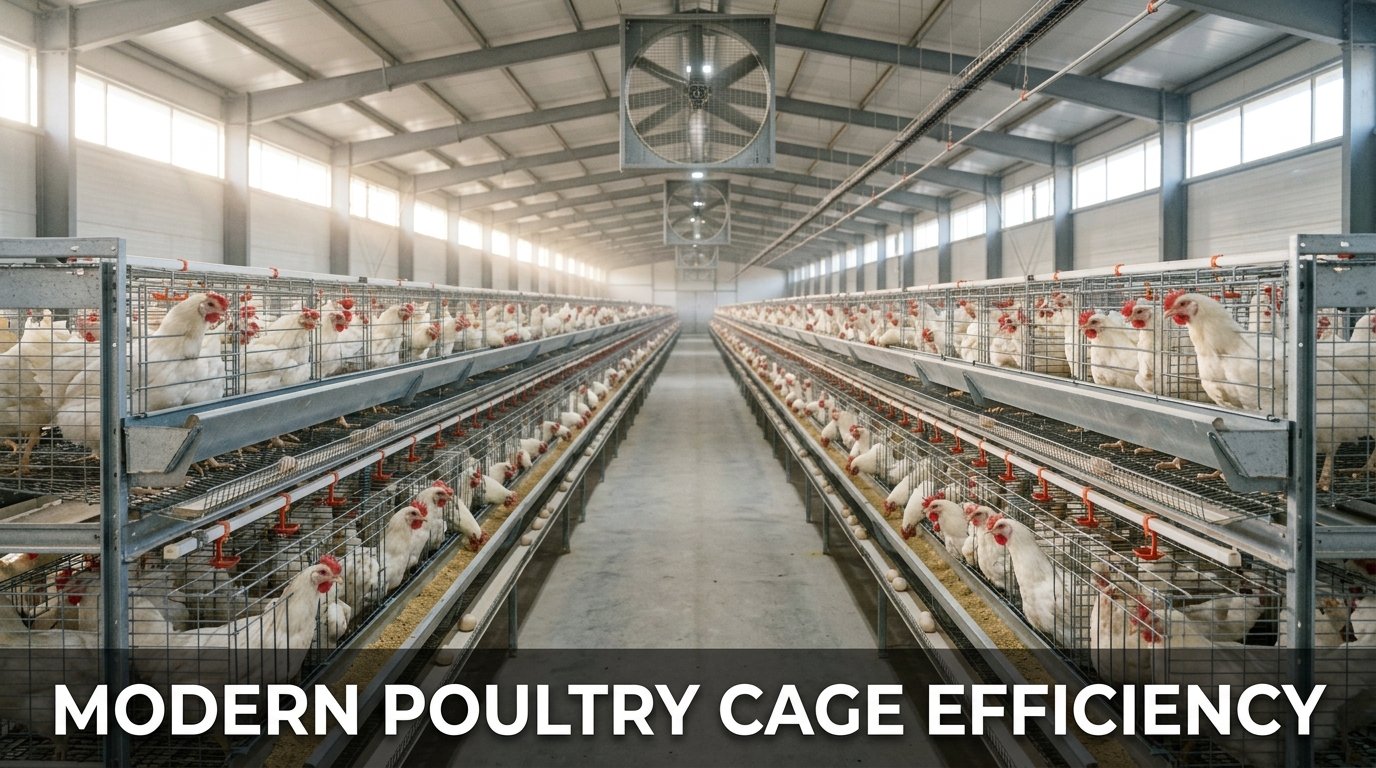


The global demand for poultry products—both meat and eggs—continues to surge, driven by population growth, urbanization, and evolving dietary preferences. In response to this demand, the poultry industry has consistently sought innovative farming techniques to maximize output, ensure product safety, and enhance operational efficiency. Among these innovations, the implementation of cage systems stands out as a pivotal development, offering a myriad of benefits that have reshaped modern poultry farming practices worldwide. This article delves into the comprehensive advantages of utilizing cage systems, supported by global standards and institutional insights.
The Evolution and Role of Cage Systems in Poultry Farming
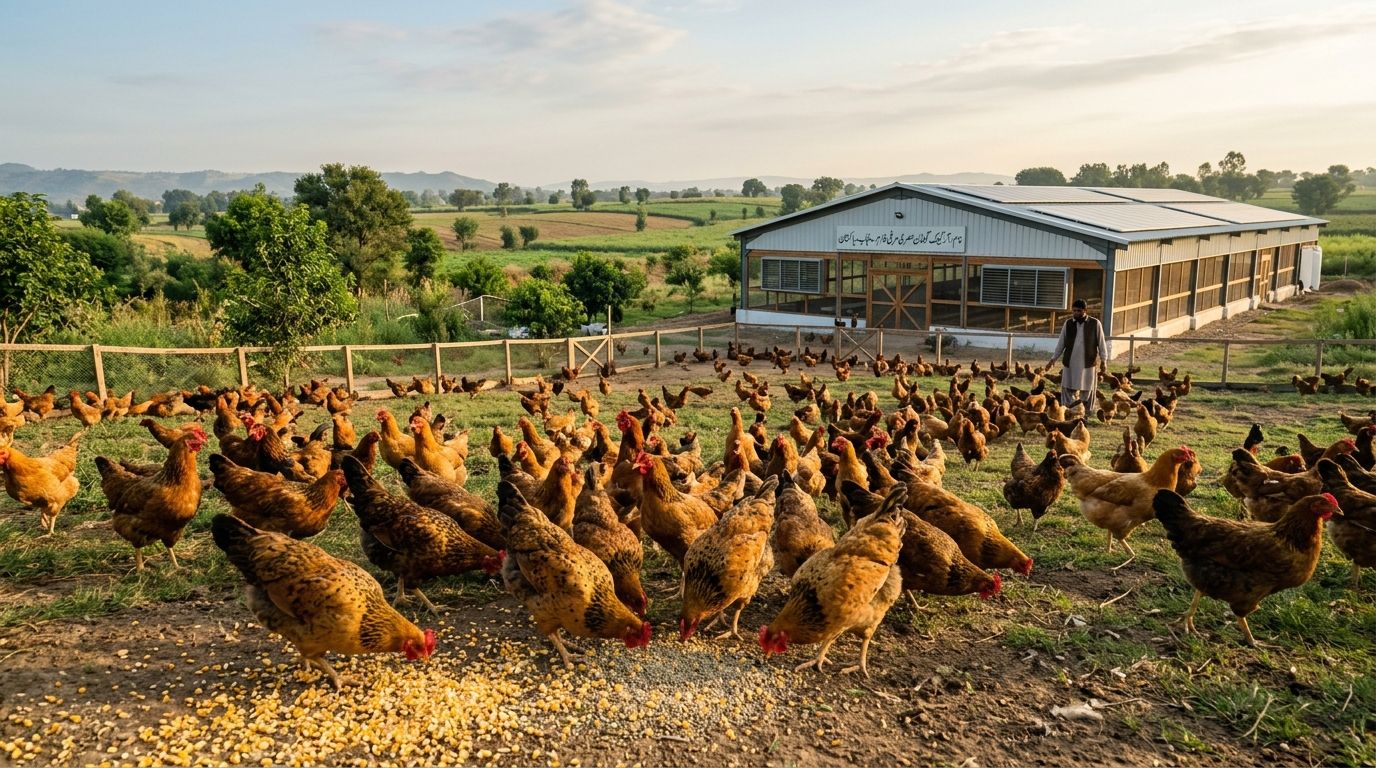
Historically, poultry farming relied on extensive or semi-intensive systems, such as backyard flocks or deep litter housing. While these systems offer certain advantages like natural foraging and freedom of movement, they often struggle with issues related to disease control, environmental consistency, and land efficiency on a commercial scale. The advent of cage systems, particularly for laying hens and to a lesser extent for broilers, marked a significant shift towards intensive, controlled environment agriculture.
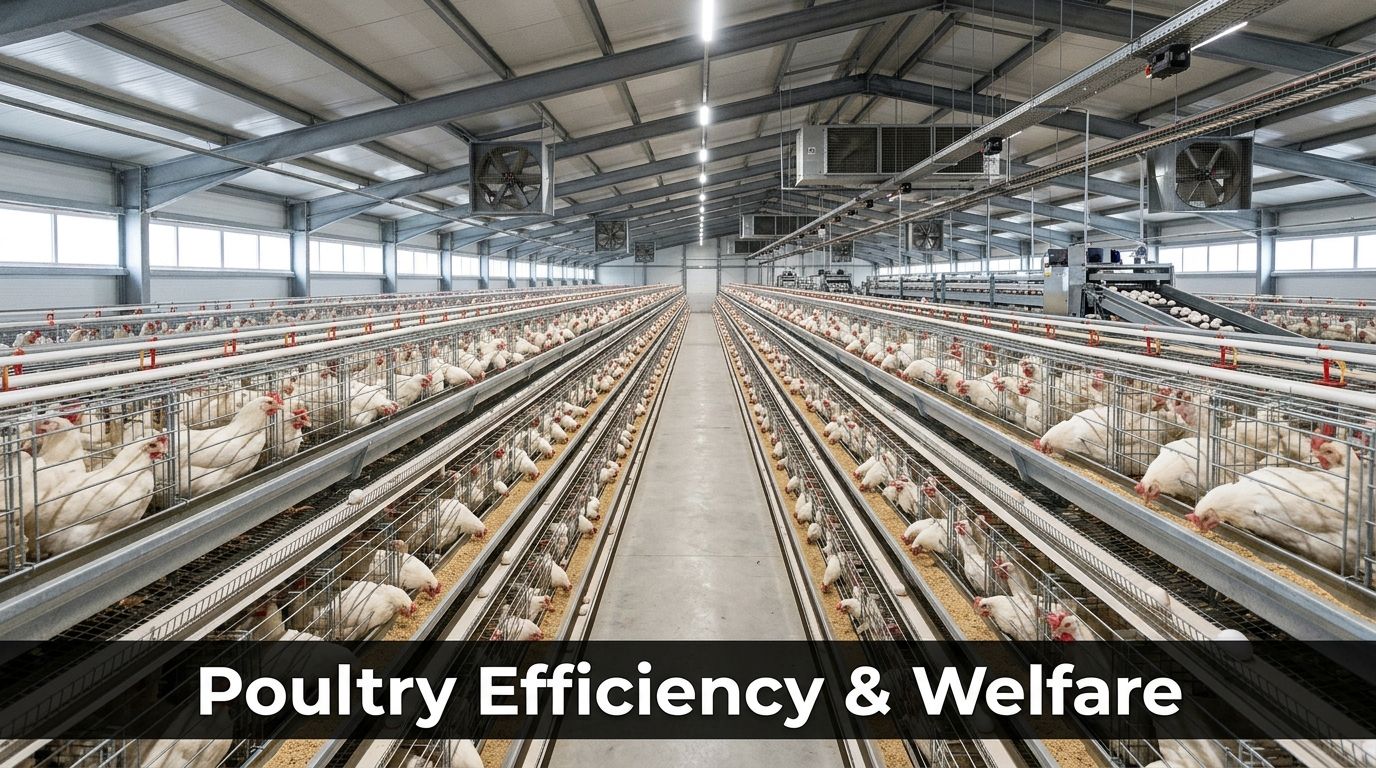
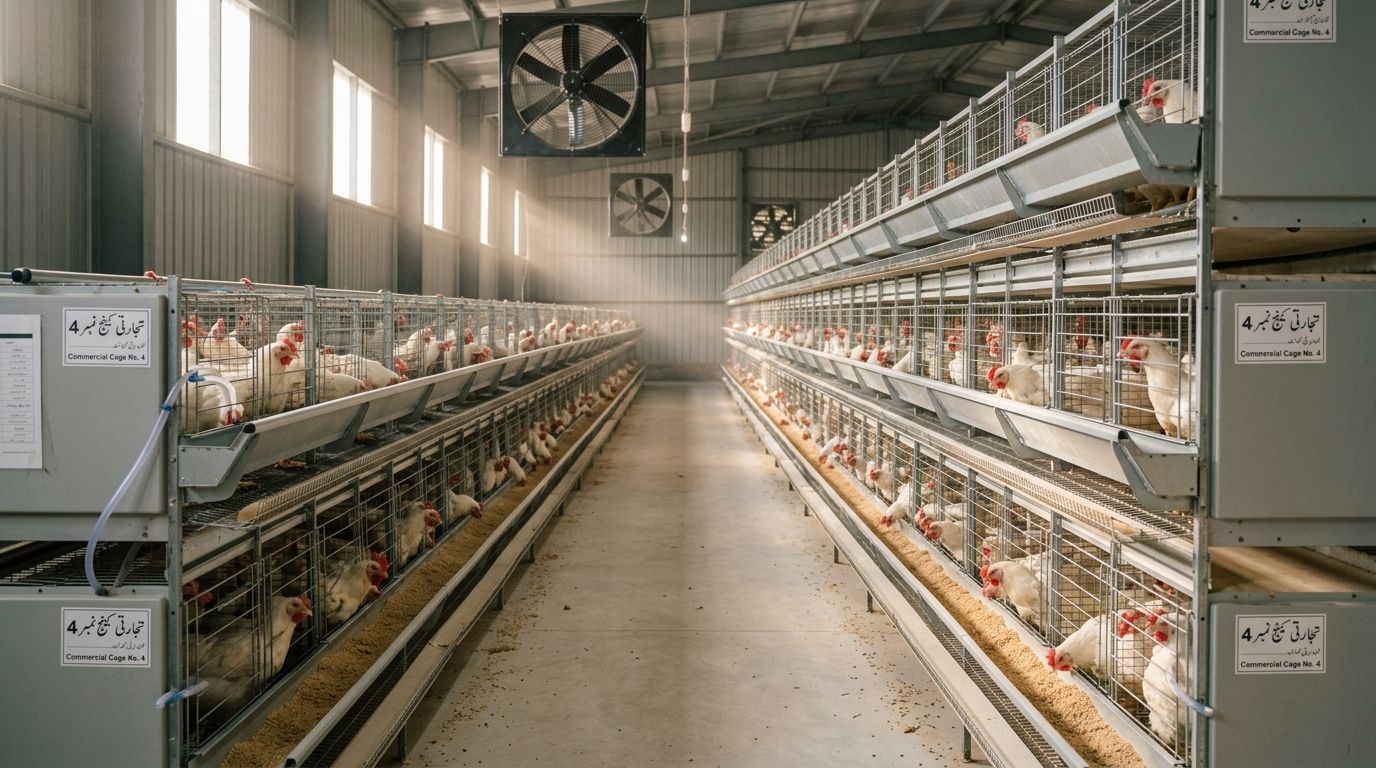
Modern cage systems are not merely restrictive enclosures; they are engineered environments designed to optimize bird health, productivity, and resource management. These systems range from conventional battery cages (though increasingly phased out in many regions due to welfare concerns) to enriched colony cages and vertical tier systems, each offering distinct advantages tailored to specific production goals.
1. Enhanced Biosecurity and Disease Control
One of the most compelling benefits of cage systems is their inherent ability to bolster biosecurity and minimize the spread of diseases. In a cage environment, birds are typically separated from their fecal matter, a primary vector for many poultry diseases like Coccidiosis, Salmonellosis, and Avian Influenza. This physical separation significantly reduces pathogen exposure.
The World Organisation for Animal Health (WOAH) consistently emphasizes the critical role of biosecurity in preventing and controlling avian diseases globally. Cage systems facilitate better hygiene management, as feed and water are delivered in a controlled manner, preventing contamination from litter or droppings. Furthermore, individual cages allow for easier monitoring of bird health, enabling early detection and isolation of sick birds, which is crucial for preventing widespread outbreaks. (WOAH - Terrestrial Animal Health Code)
Key Biosecurity Advantages:
- Reduced contact with feces, minimizing bacterial and parasitic infections.
- Easier implementation of 'all-in, all-out' management protocols.
- Improved ventilation systems in controlled environments reduce airborne pathogen transmission.
- Simplified cleaning and disinfection processes between cycles.
2. Superior Production Efficiency and Feed Conversion Ratio (FCR)
Cage systems are renowned for their ability to deliver high levels of production efficiency. For laying hens, research indicates that hens in cages often exhibit better feed conversion ratios (FCRs) compared to those in floor systems. This is primarily because birds in cages expend less energy on movement and maintaining body temperature, allowing a greater proportion of feed energy to be converted into egg production or weight gain.
A study cited by the Food and Agriculture Organization (FAO) on intensive poultry production systems often highlights the efficiency gains. Chickens in a stable, controlled environment experience less stress, which positively impacts their metabolism and growth rates. Factors contributing to superior FCR include:
- Consistent access to feed and water, minimizing competition.
- Controlled environmental parameters (temperature, humidity, lighting) reduce metabolic stress.
- Reduced incidence of injury and aggression among birds, ensuring all birds have equal access to resources.
3. Optimal Space Utilization and Higher Stocking Density
Land is a finite and costly resource. Cage systems, particularly multi-tier or vertical arrangements, offer an unparalleled advantage in maximizing space utilization. By housing birds in stacked cages, farmers can significantly increase the number of birds per square foot of farm area compared to traditional deep litter or free-range systems. This higher stocking density directly translates into greater output per unit of land, making large-scale commercial operations more economically viable.
For operations with limited land availability, such as those near urban centers or in densely populated regions, cage systems become an indispensable tool. This efficiency in space management helps reduce overall infrastructure costs per bird and allows for more intensive production within a smaller footprint.
Table 1: Comparative Space Utilization – Cage vs. Deep Litter Systems (Illustrative)
| Parameter | Deep Litter System | Conventional Cage System | Enriched Colony Cage System |
|---|---|---|---|
| Birds per sq. meter (approx.) | 7-10 layers / 10-12 broilers | 50-60+ layers (multi-tier) | 35-45+ layers (multi-tier) |
| Land Area Efficiency | Lower | Very High | High |
| Initial Housing Cost/Bird | Moderate | Higher (due to structure) | Highest |
4. Better Egg Quality and Reduced Breakage (for Layers)
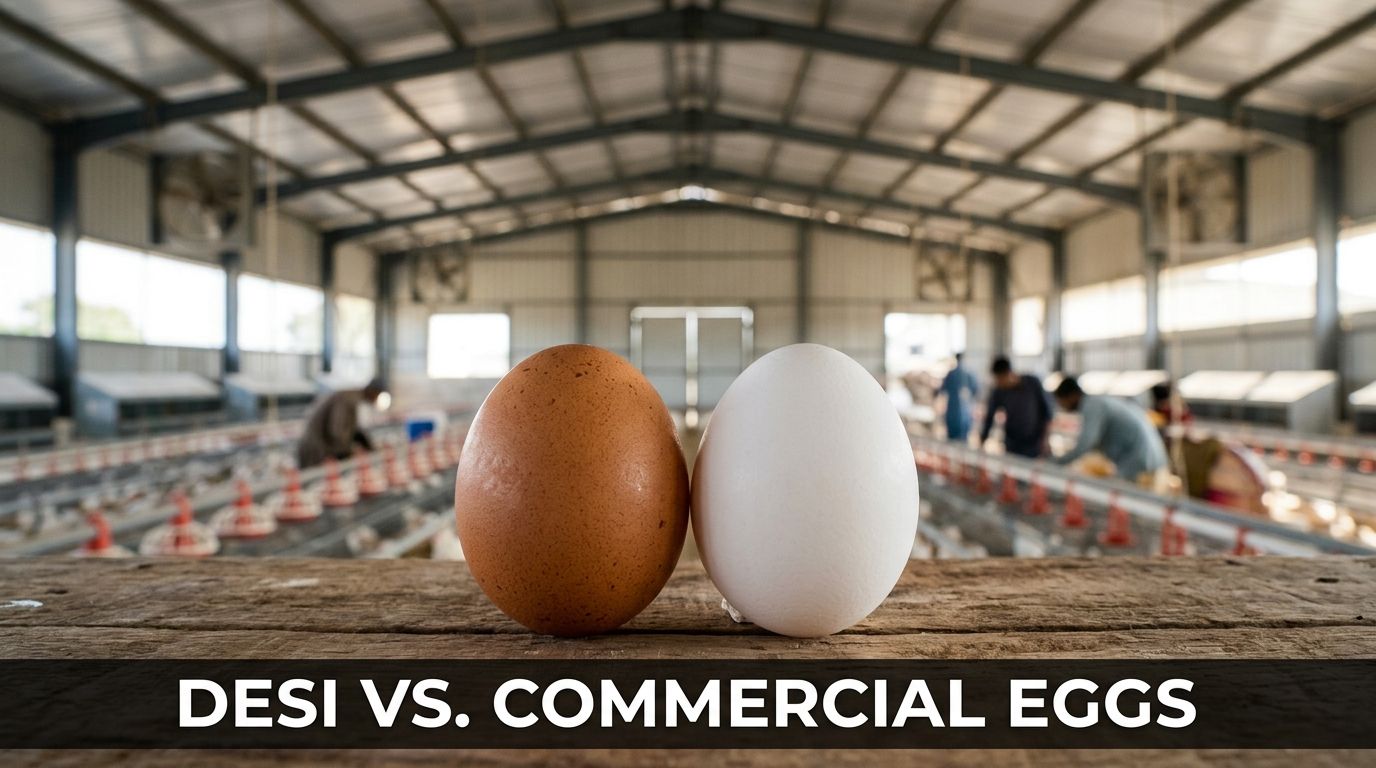
For laying hens, cage systems offer significant advantages in terms of egg quality and reduced breakage. Eggs laid in cages typically roll onto a collection belt immediately, preventing them from being soiled by feces or broken by the hens themselves. This results in cleaner, higher-quality eggs with fewer cracks, which command better prices in the market and reduce economic losses due to damaged goods.
The European Food Safety Authority (EFSA) and other regulatory bodies, while focusing on welfare, also acknowledge the hygiene advantages of egg collection in cage systems. Eliminating floor eggs or nest box eggs that can accumulate dirt and bacteria is a significant factor in ensuring food safety. (EFSA – Scientific Opinion on the Welfare of Laying Hens)
5. Simplified Waste Management and Improved Hygiene
Effective waste management is crucial for maintaining farm hygiene, controlling odors, and complying with environmental regulations. Cage systems, especially those with automated manure removal belts, make waste collection incredibly efficient. Manure can be removed daily or frequently, preventing the accumulation of ammonia and other noxious gases that can harm bird respiratory health and create unpleasant working conditions.
This automated waste handling also facilitates easier processing of manure into valuable fertilizer or biogas, contributing to a more sustainable and circular agricultural economy. In contrast, deep litter systems require periodic litter replacement and present greater challenges in maintaining consistent hygiene and controlling ammonia levels.
6. Ease of Automation and Labor Reduction
Modern poultry farming aims for high efficiency and reduced reliance on manual labor. Cage systems are inherently designed to integrate with automated technologies for feeding, watering, egg collection, and climate control. This automation not only significantly reduces labor costs but also ensures consistency and precision in farm management.
Automated feeding systems deliver precise quantities of feed at scheduled times, minimizing waste and ensuring optimal nutrition. Automated watering systems provide fresh water on demand. Egg collection belts minimize human intervention, reducing labor requirements and preventing egg damage. Climate control systems automatically adjust temperature, humidity, and ventilation, creating an ideal environment for the birds year-round, irrespective of external weather conditions. This level of automation is difficult to achieve in floor-based systems without substantial retrofitting.
Table 2: Operational Aspects – Cage vs. Deep Litter Systems
| Operational Aspect | Deep Litter System | Cage System |
|---|---|---|
| Labor Requirement | High for feeding, egg collection, litter management | Low, highly automated for feeding, watering, egg collection, manure removal |
| Disease Monitoring | Difficult due to bird density and movement | Easier, individual bird inspection possible |
| Environmental Control | Challenging with litter, ammonia buildup | Precise control over temperature, humidity, ventilation |
| Egg Cleanliness/Breakage | Higher risk of soiled/broken eggs | Very low risk, cleaner eggs |
7. Economic Viability and Investment Returns
The cumulative effect of enhanced biosecurity, superior production efficiency, optimal space utilization, reduced labor, and improved product quality directly translates into higher economic viability and better returns on investment for poultry farmers. While the initial capital outlay for modern cage systems can be higher than for traditional deep litter systems, the long-term operational savings and increased output often justify this investment.
Lower mortality rates due to disease control, higher feed conversion, consistent egg production (or broiler growth), and reduced labor costs contribute to a lower cost per unit of production. This makes the poultry products more competitively priced in the market, benefiting both producers and consumers.
The U.S. Department of Agriculture (USDA) regularly publishes data and reports emphasizing the economic drivers behind various agricultural production systems, noting that efficient, scalable methods are key to sustaining food security. (USDA – Economic Research Service reports)
Addressing Challenges and Future Directions
It is important to acknowledge that cage systems, particularly conventional battery cages, have faced criticism from animal welfare advocates concerning restricted movement and expression of natural behaviors. In response, the industry has evolved, leading to the development of 'enriched' or 'colony' cage systems. These systems provide more space per bird, perches, nesting areas, and scratching pads, aiming to improve welfare while retaining many of the operational benefits of conventional cages.
Many regions, particularly in the European Union, have transitioned or are in the process of transitioning to enriched cage systems or alternative non-cage systems (e.g., aviaries). This trend reflects a growing global emphasis on balancing high productivity with animal welfare considerations. Farmers investing in new systems should always consider evolving regulations and consumer preferences.
Conclusion
The benefits of cage systems in modern poultry farming are extensive and multifaceted, driving efficiency, biosecurity, and economic viability across the globe. From safeguarding flocks against disease and optimizing feed conversion to maximizing land use and streamlining operations through automation, these systems play a crucial role in meeting the world's burgeoning demand for poultry products. While the evolution towards more welfare-friendly 'enriched' cages continues, the fundamental advantages of controlled, hygienic, and efficient production remain paramount. For poultry farmers aiming for sustainable growth and profitability in a competitive market, understanding and leveraging the benefits of advanced cage systems is indispensable.