

The global poultry industry, a cornerstone of food security and economic activity, is increasingly characterized by a fundamental dichotomy: commercial (conventional) farming versus organic farming. As consumers worldwide become more conscious of their food sources, the methods by which poultry products are brought to market have come under intense scrutiny. This comprehensive article delves into the intricacies, advantages, disadvantages, and overall impact of these two predominant poultry farming models, drawing upon global data and expert insights from leading international organizations.
Understanding Commercial Poultry Farming
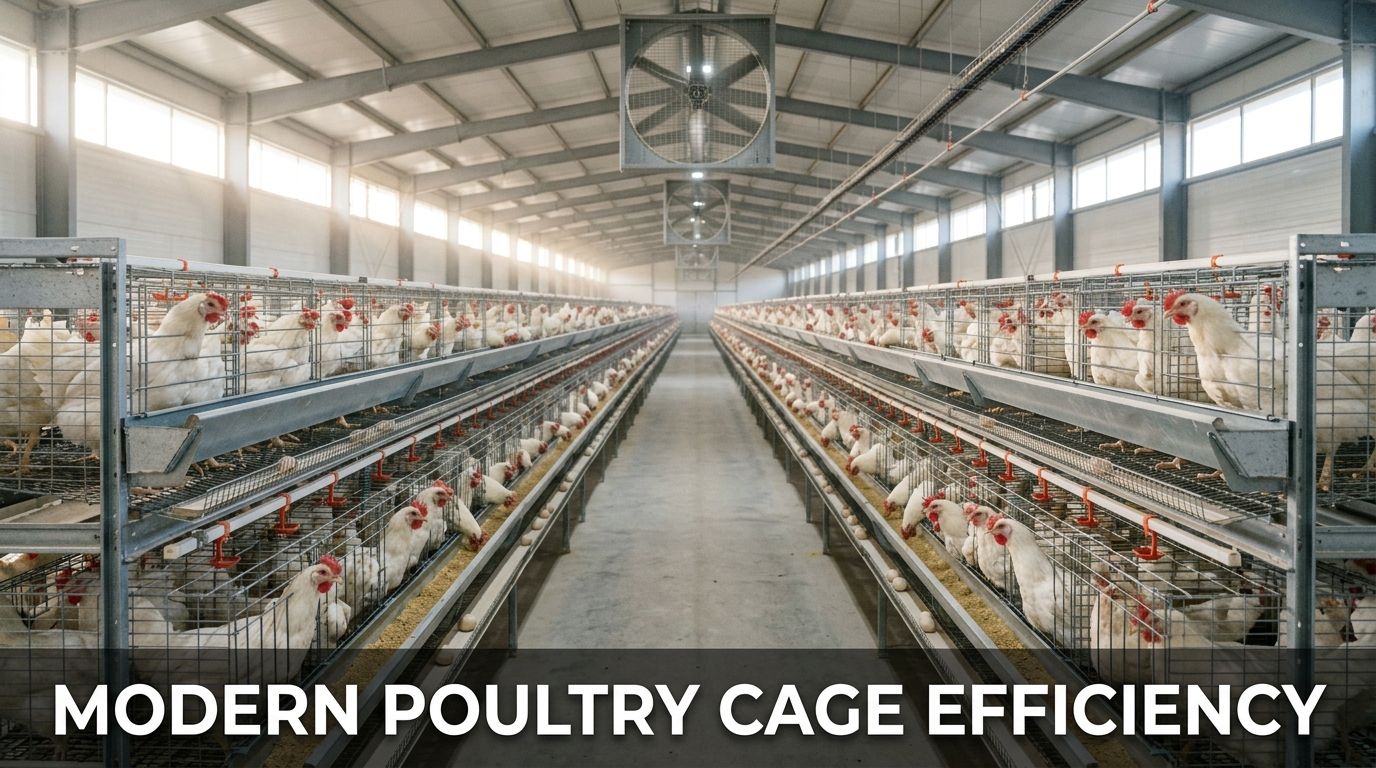
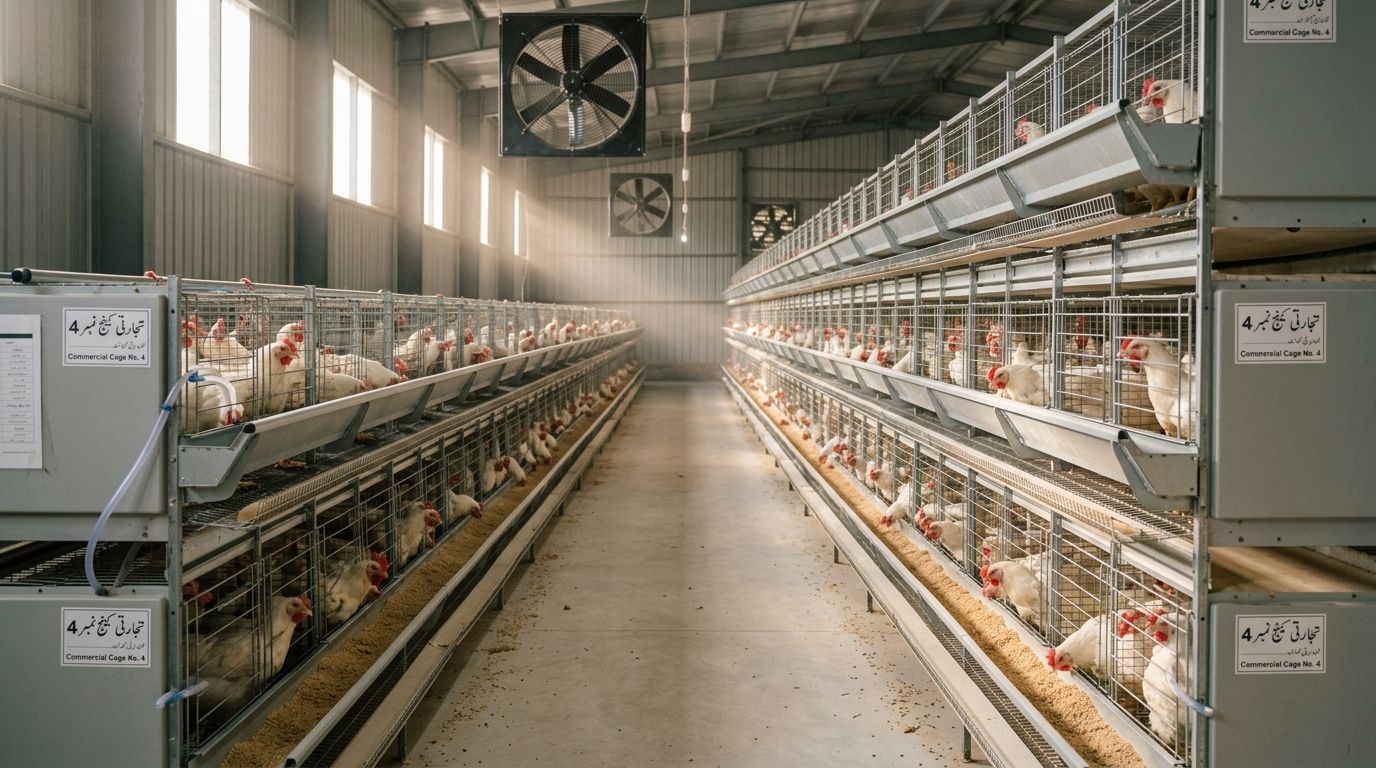
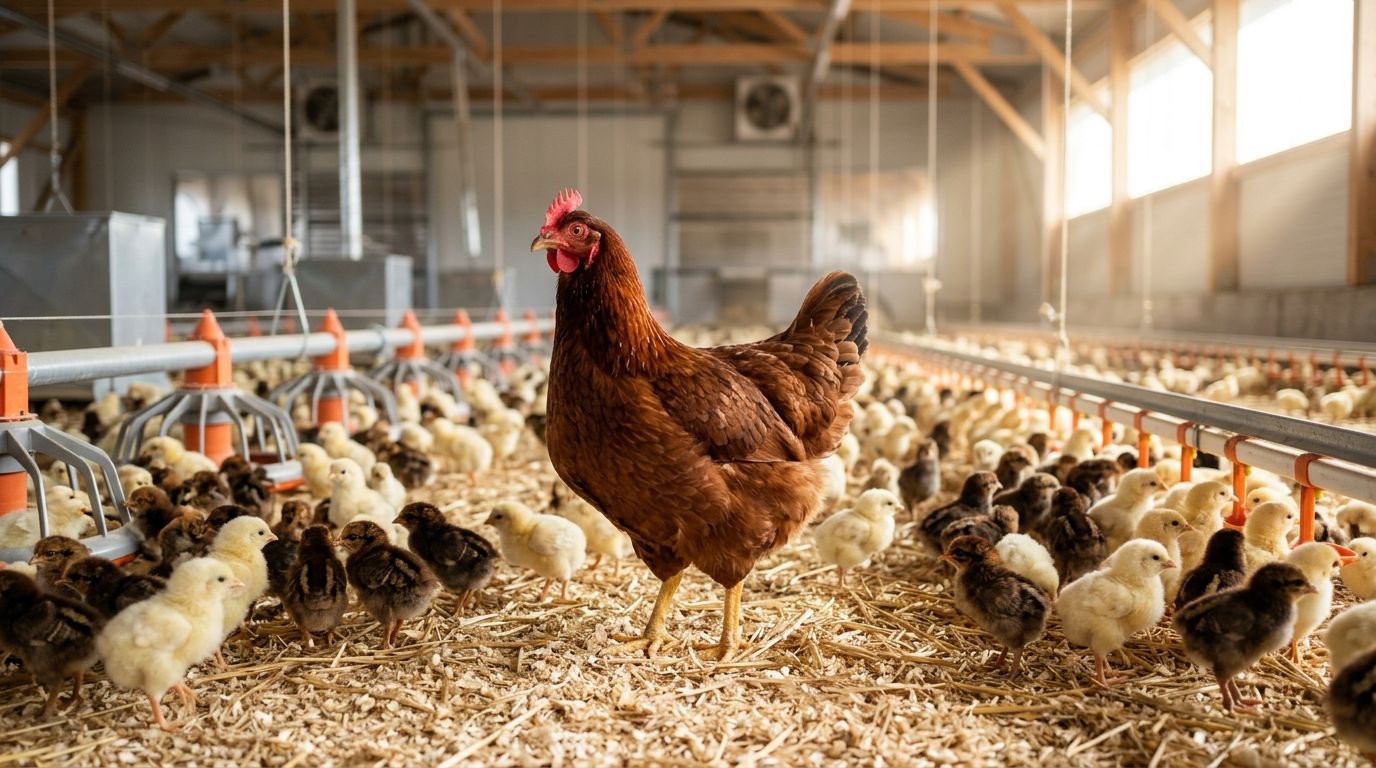
Commercial poultry farming, often referred to as conventional farming, is the dominant method globally for producing chicken meat and eggs. It is characterized by large-scale operations designed for maximum efficiency, high output, and cost-effectiveness. This system typically involves intensive housing, specialized feed formulations, and stringent biosecurity measures.
Key Characteristics:
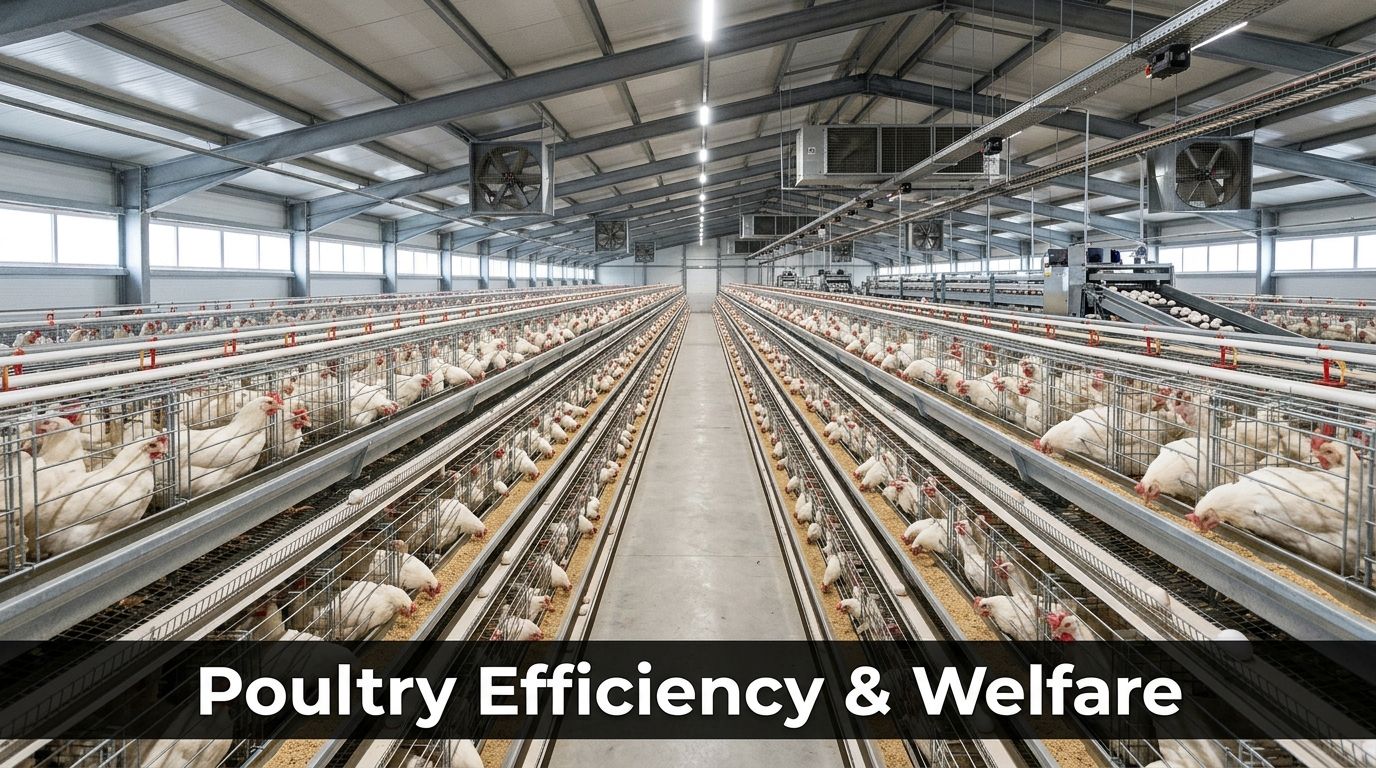
- Intensive Housing: Birds are often housed indoors in controlled environments, such as large sheds, which protect them from predators and adverse weather. This allows for high-density stocking, maximizing space utilization.
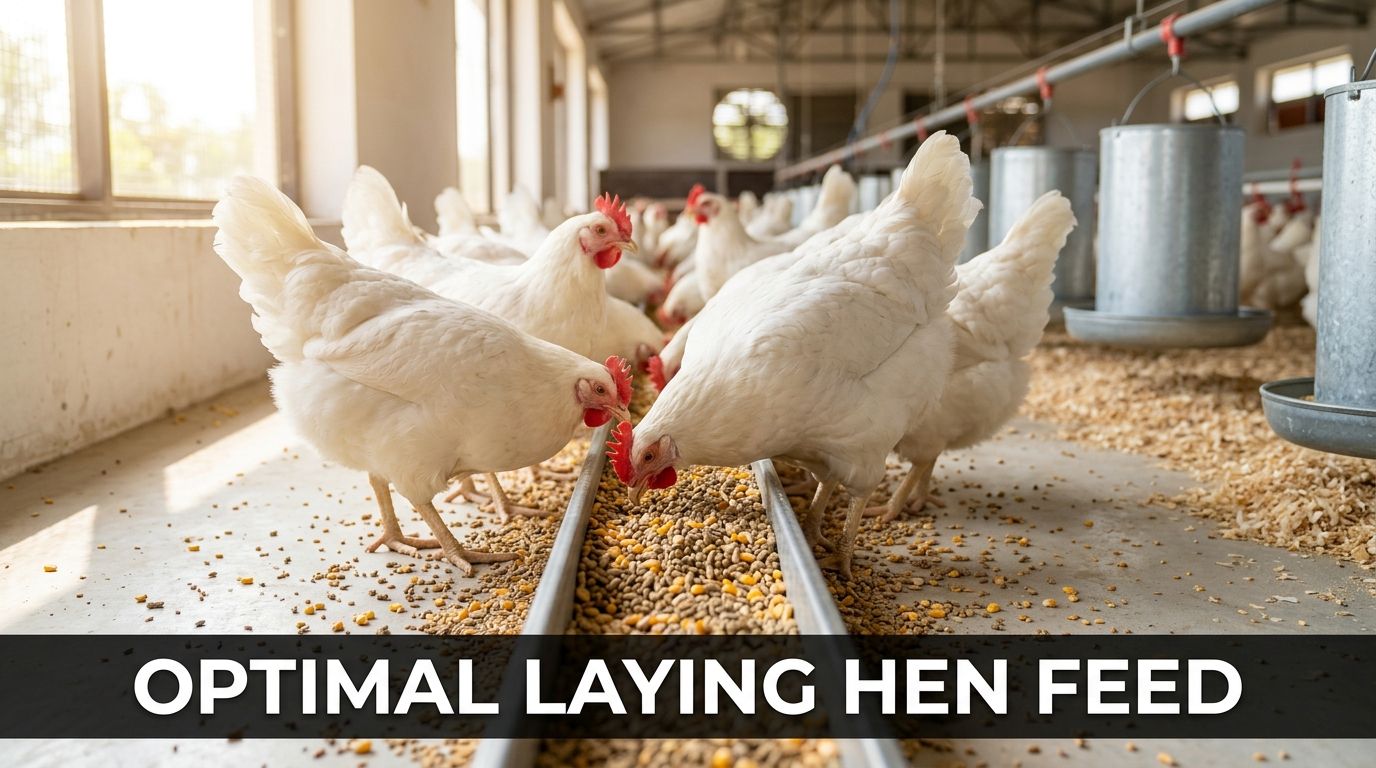
- Specialized Nutrition: Feed is scientifically formulated to promote rapid growth in broiler chickens or consistent egg production in layers. It often includes a balanced mix of grains, protein sources, vitamins, and minerals.
- Disease Management: Due to high stocking densities, robust biosecurity protocols and veterinary care are crucial. This often includes vaccination programs and, when necessary, the judicious use of antibiotics to treat or prevent disease outbreaks. The World Organisation for Animal Health (WOAH) provides global guidelines on responsible antimicrobial use to combat resistance.
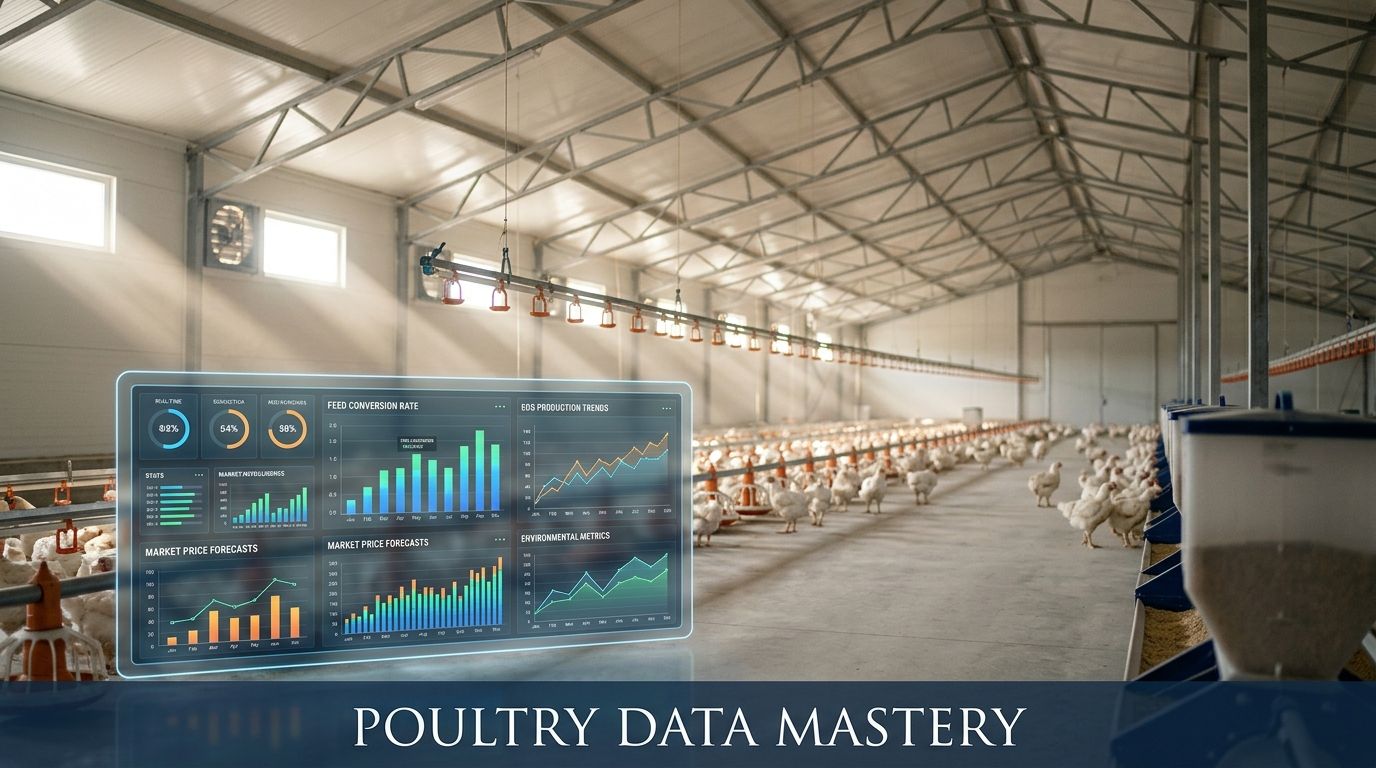
- Automation: Modern commercial farms heavily rely on automation for feeding, watering, ventilation, and waste management, significantly reducing labor costs and increasing efficiency.
Advantages of Commercial Farming:
- Economies of Scale: Large-scale production leads to lower per-unit costs, making poultry products affordable and accessible to a broad population globally.
- Consistent Supply: Highly controlled environments ensure a stable and predictable supply of poultry meat and eggs year-round, regardless of external weather conditions.
- Food Security: Commercial farming plays a vital role in meeting the protein demands of a growing global population. According to the Food and Agriculture Organization (FAO), poultry meat production reached approximately 136 million tonnes in 2021, largely due to efficient commercial systems.
- Disease Control: While outbreaks can be severe, the controlled environment allows for rapid detection, isolation, and treatment, often preventing widespread epidemics that could decimate flocks.
Disadvantages of Commercial Farming:
- Animal Welfare Concerns: High-density housing can limit natural behaviors, leading to ethical concerns from consumers and animal welfare advocates.
- Environmental Impact: Large-scale operations can generate significant waste (manure), contributing to nutrient runoff and greenhouse gas emissions if not properly managed.
- Antibiotic Resistance: While regulated, the use of antibiotics, even for disease prevention, contributes to the global challenge of antimicrobial resistance, as highlighted by WOAH.
Exploring Organic Poultry Farming
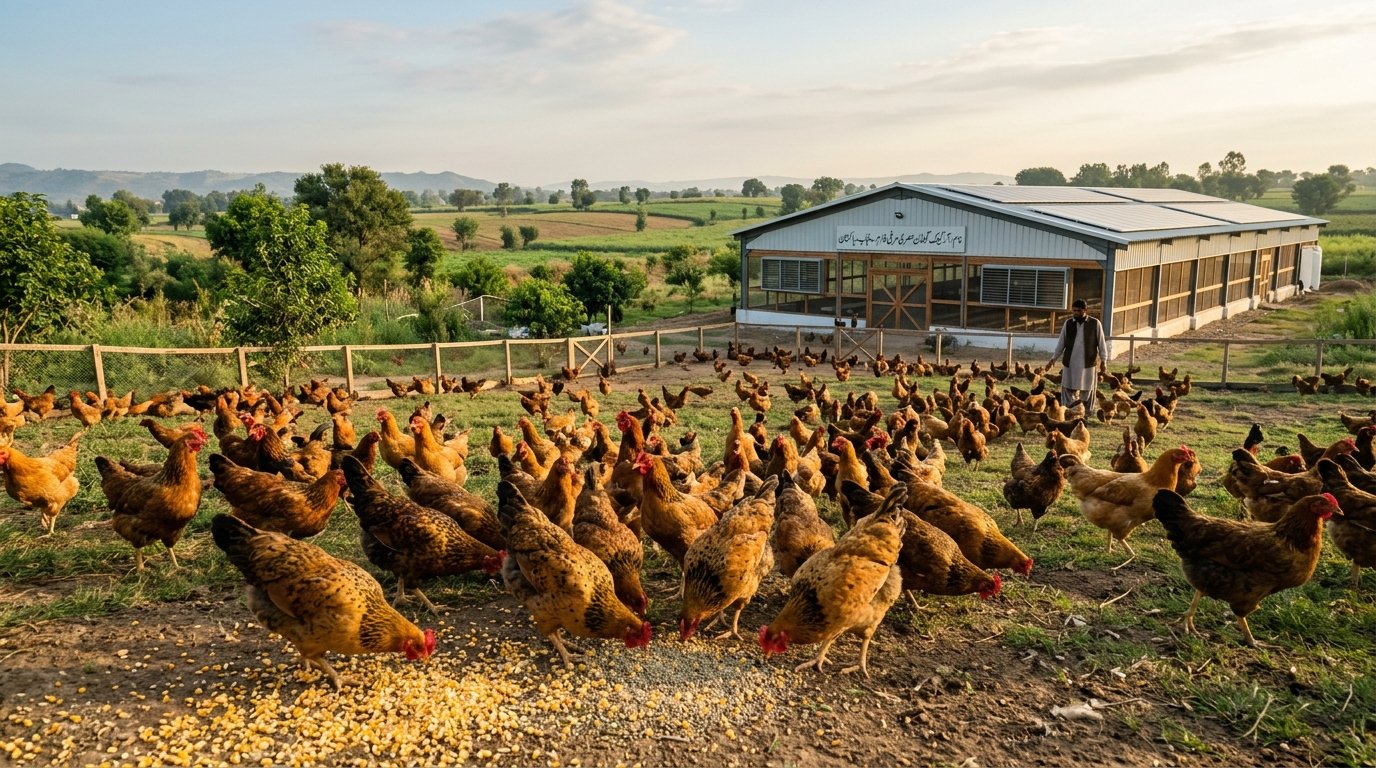
Organic poultry farming represents a more holistic approach, prioritizing animal welfare, environmental stewardship, and the production of food free from synthetic chemicals. This method adheres to strict organic certification standards, which vary slightly by region but share common principles.
Key Characteristics:
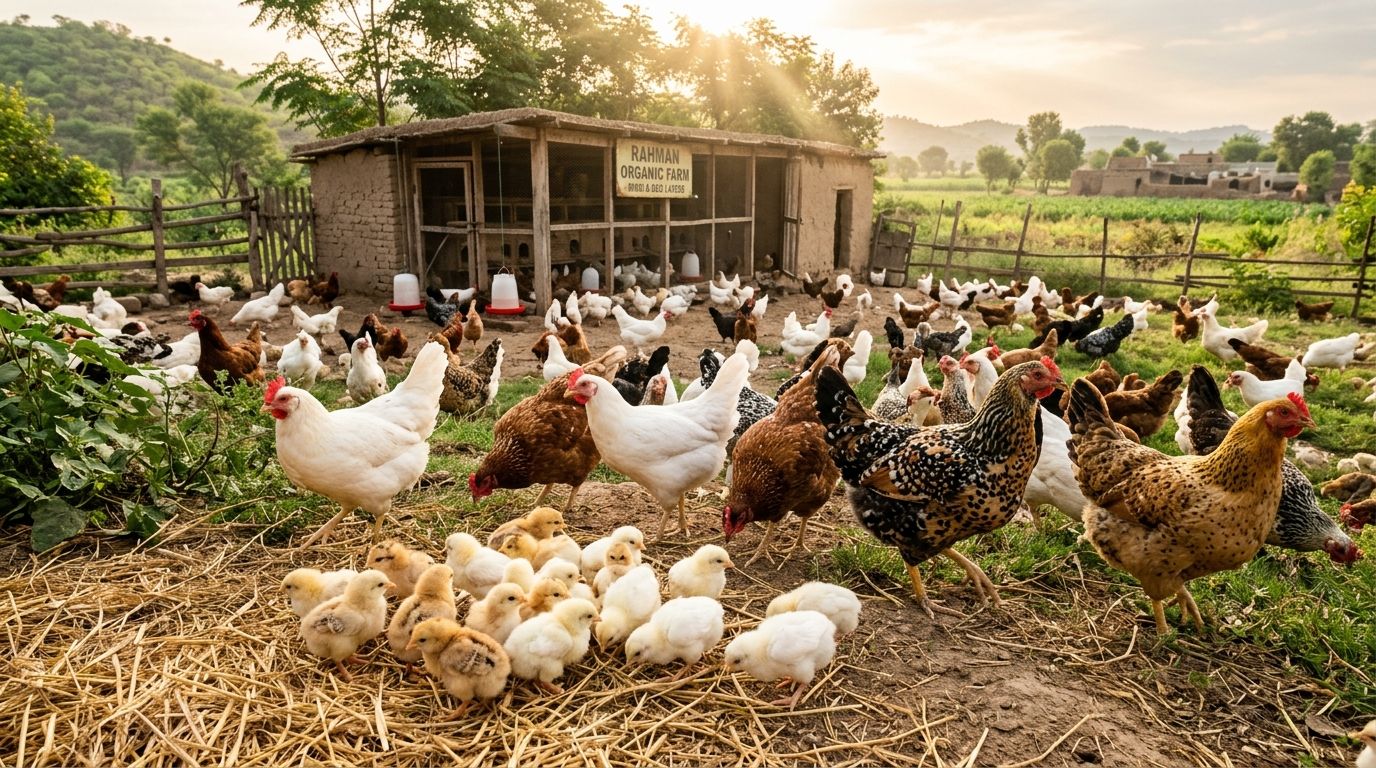
- Outdoor Access: Organic standards mandate that birds have meaningful access to the outdoors, allowing them to express natural behaviors like foraging, dust bathing, and scratching.
- Organic Feed: Poultry must be fed certified organic feed, meaning it is grown without synthetic pesticides, herbicides, or genetically modified organisms (GMOs).
- No Antibiotics or Growth Hormones: Organic regulations strictly prohibit the use of antibiotics (for growth promotion or routine prevention), growth hormones, and synthetic parasiticides. Disease prevention relies on good management, hygiene, and breed selection.
- Lower Stocking Densities: Both indoor and outdoor stocking densities are significantly lower than in conventional systems, providing more space per bird.
- Environmental Focus: Organic farms often integrate practices that promote soil health, biodiversity, and sustainable resource management.
Advantages of Organic Farming:
- Improved Animal Welfare: The emphasis on outdoor access and lower densities generally results in better quality of life for the birds.
- Reduced Environmental Footprint: Absence of synthetic chemicals and focus on sustainable practices can lead to healthier ecosystems. IFOAM Organics International champions these benefits globally.
- Consumer Trust and Preference: Many consumers perceive organic products as healthier and more ethical, driving a growing market demand.
- Premium Pricing: Higher production costs are offset by the ability to command premium prices in the market.
Disadvantages of Organic Farming:
- Higher Production Costs: Organic feed is more expensive, and lower stocking densities, coupled with increased labor for managing outdoor access, significantly raise operational costs.
- Lower Yields: Slower growth rates for broilers and potentially lower egg production for layers contribute to reduced overall output.
- Disease Management Challenges: Without the routine use of antibiotics, disease prevention relies heavily on management and biosecurity, and outbreaks can be more challenging to control.
- Land Requirements: Providing outdoor access necessitates more land per bird, which can be a limiting factor.
Key Differences: Commercial vs. Organic Poultry
To provide a clear comparative overview, the table below highlights the fundamental distinctions between commercial and organic poultry farming across various critical parameters:
| Feature | Commercial Poultry Farming | Organic Poultry Farming |
|---|---|---|
| Housing | Intensive, high-density indoor sheds with controlled environments. | Lower density, indoor housing with mandatory outdoor access. |
| Feed | Formulated for rapid growth/production; may contain conventional grains and supplements. | Certified organic feed (non-GMO, no synthetic pesticides/fertilizers). |
| Antibiotics & Hormones | Used for disease treatment/prevention; growth hormones prohibited in many regions (e.g., USA, EU). | Strictly prohibited for any purpose (treatment only if life-threatening, then removed from organic system). |
| Outdoor Access | Typically none or limited, though some conventional systems offer 'free-range' (less stringent than organic). | Mandatory and meaningful access to outdoor areas for foraging and natural behaviors. |
| Production Scale | Large-scale, high-volume production. | Smaller scale, lower volume, niche market. |
| Product Cost | Generally lower due to economies of scale and efficiency. | Significantly higher due to increased input costs and lower yields. |
| Market Price | Affordable, widely available. | Premium price, catering to specific consumer segments. |
| Environmental Impact | Potential for large-scale waste, resource intensity. | Focus on soil health, biodiversity, reduced chemical use. |
| Animal Welfare Focus | Standardized care, disease prevention; welfare can be limited by density. | High emphasis on natural behaviors, lower stress, 'quality of life'. |
Economic Implications and Market Dynamics
The economic models for commercial and organic poultry farming are distinctly different. Commercial farming thrives on volume and efficiency, leveraging advanced technology and optimized resource utilization to keep costs low. This allows it to dominate global markets and provide affordable protein to billions.
Organic farming, while smaller in scale, caters to a rapidly expanding niche market. Consumers are increasingly willing to pay a premium for products that align with their ethical and environmental values. The global organic food market, including poultry, has shown consistent growth, with projections indicating continued expansion. This growth is a testament to changing consumer preferences, particularly in developed economies. For instance, data from the USDA National Organic Program indicates steady increases in certified organic operations and sales within the United States, mirroring trends seen across Europe and parts of Asia.
| Metric | Commercial Poultry Market (Est. 2023) | Organic Poultry Market (Est. 2023) | Projected Growth (CAGR 2024-2030) |
|---|---|---|---|
| Global Market Size (USD Billion) | ~300-350 | ~15-20 | Commercial: 4-6% Organic: 8-12% |
| Consumer Price Premium (vs. Commercial) | N/A (Baseline) | Typically 50-150% higher | Stable or slight increase |
| Share of Global Poultry Production | >90% | <10% | Commercial: Slowly decreasing Organic: Steadily increasing |
(Note: Market size and growth figures are illustrative, based on general industry trends and various market research reports.)
Environmental and Ethical Considerations
Environmental impact is a significant factor in the debate between commercial and organic farming. Commercial operations, due to their scale, face challenges related to waste management, energy consumption, and greenhouse gas emissions. However, many large producers are investing in anaerobic digestion for manure, renewable energy sources, and feed efficiency improvements to mitigate these impacts.
Organic farming, by its very nature, often boasts a smaller environmental footprint per unit of land, promoting biodiversity and soil health through pasture rotation and the absence of synthetic chemicals. However, the requirement for more land per bird means that scaling organic production to meet widespread demand could lead to different environmental pressures, such as land-use change.
From an ethical standpoint, animal welfare is a central argument. Organic standards explicitly aim to provide conditions that allow birds to express natural behaviors. While conventional systems can provide protection from elements and predators, confinement is often a concern. Consumer demand for 'humane' treatment is a strong driver for the growth of organic and other higher-welfare conventional labels (e.g., free-range, pasture-raised).
Food Safety and Nutrition: Dispelling Myths
A common misconception is that organic poultry is inherently safer or more nutritious than commercially farmed poultry. Scientific consensus, however, generally indicates that while differences may exist in fatty acid profiles (e.g., slightly higher Omega-3s in pasture-raised organic birds), the nutritional value of conventionally and organically raised poultry is largely comparable. Both are excellent sources of protein, vitamins, and minerals. The European Food Safety Authority (EFSA) and the USDA regularly affirm the safety of poultry products from both systems when produced according to established regulations.
Food safety primarily hinges on proper handling, cooking, and adherence to hygiene standards, rather than the farming method itself. While organic poultry avoids routine antibiotic use, commercially farmed poultry, when antibiotics are used judiciously under veterinary supervision, remains safe for consumption, with withdrawal periods strictly enforced to ensure no residues are present in the final product.
Regulatory Frameworks and Certifications
Both commercial and organic poultry sectors operate under stringent regulatory frameworks. Commercial farming is governed by national food safety agencies, veterinary departments, and environmental protection bodies. Organic farming, however, requires additional certification to ensure compliance with specific organic standards.
- USDA Organic: In the United States, the USDA National Organic Program sets the standards for organic production, processing, and labeling.
- EU Organic: The European Union has its own comprehensive organic regulations that govern production and marketing across member states.
- Other National/International Standards: Many countries have their own national organic certification bodies, and international organizations like IFOAM Organics International work to harmonize global organic standards.
Hybrid Approaches and Future Trends
The poultry industry is not static. There's a growing trend towards hybrid approaches that seek to combine the efficiencies of commercial farming with improved animal welfare and environmental practices. This includes 'pasture-raised' or 'free-range' labels that, while not always organic, offer birds more space and outdoor access than conventional indoor systems.
Future trends indicate continued growth in both sectors, driven by different consumer segments. Commercial farming will likely continue to innovate in sustainable intensification, focusing on resource efficiency and precision farming. Organic and higher-welfare systems will expand, fueled by an increasingly discerning global consumer base that values transparency, ethics, and environmental stewardship in their food choices.
Conclusion
The choice between commercial and organic poultry farming represents a complex balance of economics, ethics, environment, and consumer preference. Commercial farming is indispensable for global food security, offering affordable and consistent protein. Organic farming, while commanding a premium, provides a valuable alternative for consumers prioritizing animal welfare and environmental sustainability. Both systems are vital components of a diverse global food system, continually adapting to meet the evolving demands of a changing world.