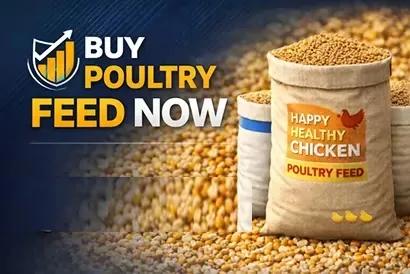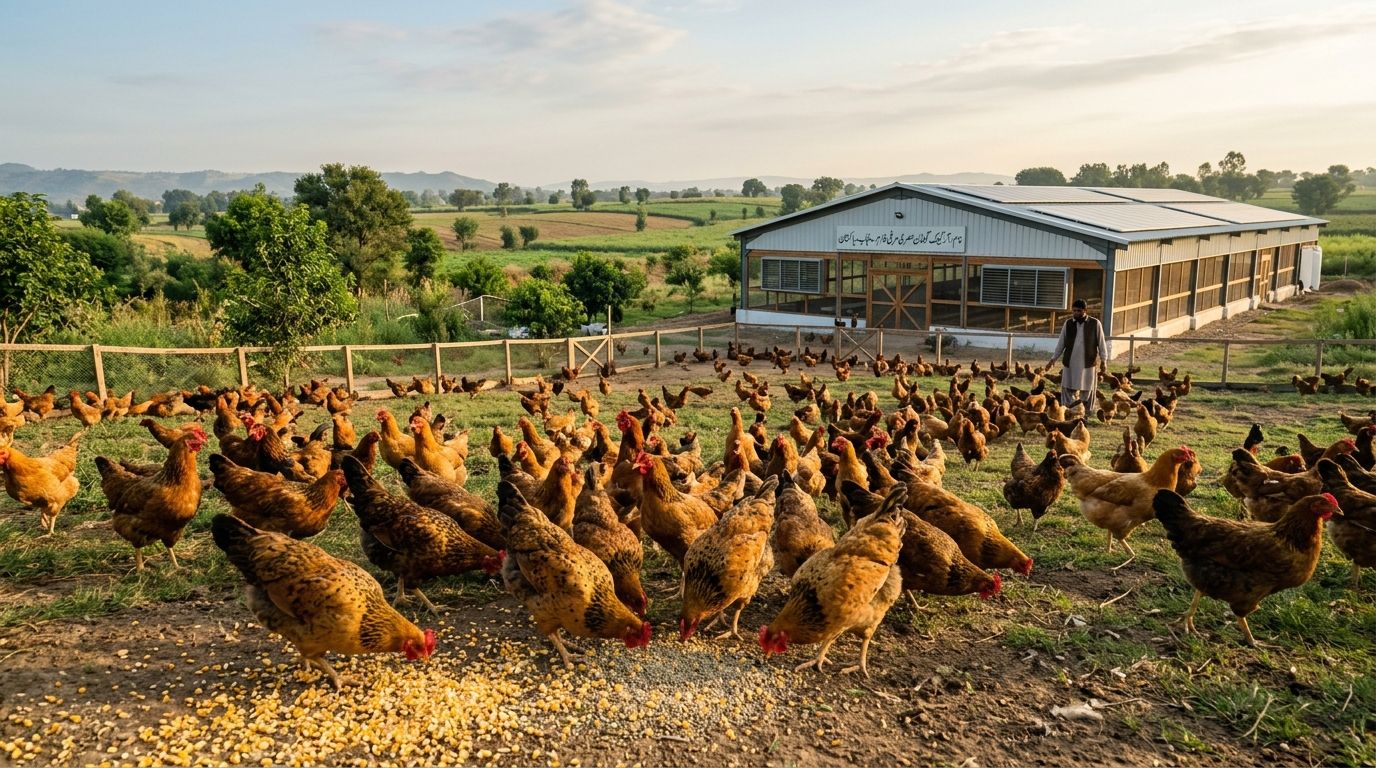



As Pakistan's poultry industry, particularly in Punjab, continues its growth trajectory, the strategic procurement of key feed ingredients becomes paramount. Among these, soybean meal stands as the undisputed king of protein sources, directly impacting feed costs and, consequently, farm profitability. At Poultry Baba, we believe in empowering our stakeholders with foresight. This 2026 outlook for soybean meal is designed to help poultry producers navigate future market dynamics, ensuring sustained profitability and robust risk mitigation strategies.
Understanding the Global & Local Dynamics of Soybean Meal
The price of soybean meal is a complex interplay of global supply and demand, climate patterns, geopolitical events, and local economic factors. For 2026, several key drivers will shape its availability and cost:
- Global Production: Major producers like Brazil, Argentina, and the USA dictate global supply. Weather phenomena such as La Niña or El Niño can significantly impact yields, leading to price spikes or drops.
- Trade Policies: Export tariffs, import duties, and trade agreements between nations can reroute supply chains and influence regional pricing.
- Freight Costs: Global shipping rates are volatile and directly add to the landed cost of imported soybean meal in Pakistan.
- Pakistani Rupee Depreciation: A weaker Rupee makes imported feed ingredients more expensive, a persistent challenge for local producers.
- Local Demand: The expanding poultry sector in Punjab naturally increases domestic demand, putting pressure on existing supply channels.
The 2026 Outlook: What to Expect
While precise predictions are challenging, early indicators suggest continued volatility with an upward bias on prices due to increasing global demand and potential climate-related supply disruptions. However, increased acreage in some regions could offer periods of relief. Poultry Baba anticipates a need for heightened vigilance and adaptability.
Strategic Procurement for Enhanced Profitability
For Punjab's poultry farmers, a reactive approach to soybean meal procurement is no longer viable. A proactive, strategic mindset is essential for 2026.
1. Diversification of Sourcing
- Local vs. Import: Balance reliance on local soybean crushers with direct or indirect imports. Explore regional import options beyond traditional routes to reduce freight costs and lead times.
- Supplier Relationships: Cultivate strong, long-term relationships with multiple reliable suppliers. This provides leverage during periods of tight supply or price volatility.
2. Hedging and Forward Contracts
Consider entering into forward contracts with suppliers or exploring commodity futures where feasible. This allows you to lock in prices for future deliveries, protecting against sudden price surges. While it limits benefits from price drops, it provides crucial budget certainty.
3. Optimized Inventory Management
Balance the risks of holding too much inventory (storage costs, spoilage, capital tie-up) against too little (risk of stock-outs, buying at peak prices). A 'just-in-time' approach, adapted to market conditions, can be beneficial.
Risk Mitigation Strategies for the Poultry Sector
Beyond procurement, mitigating the risks associated with soybean meal costs involves several layers of strategic planning.
1. Feed Formulation Optimization
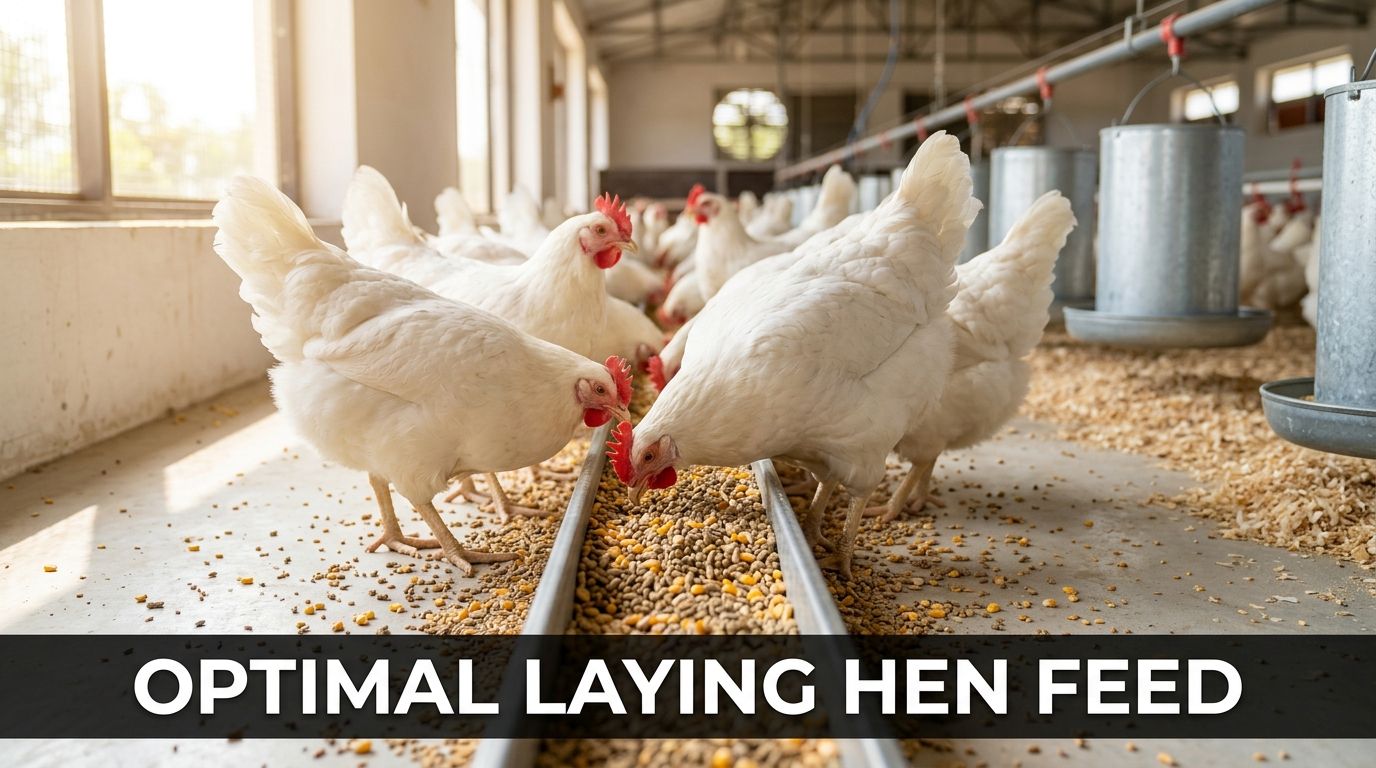
Work closely with poultry nutritionists to optimize feed formulations. Explore alternative protein sources (e.g., canola meal, sunflower meal, corn gluten meal) that can partially substitute soybean meal without compromising bird performance, especially during periods of extreme soybean meal prices.
2. Market Intelligence & Forecasting
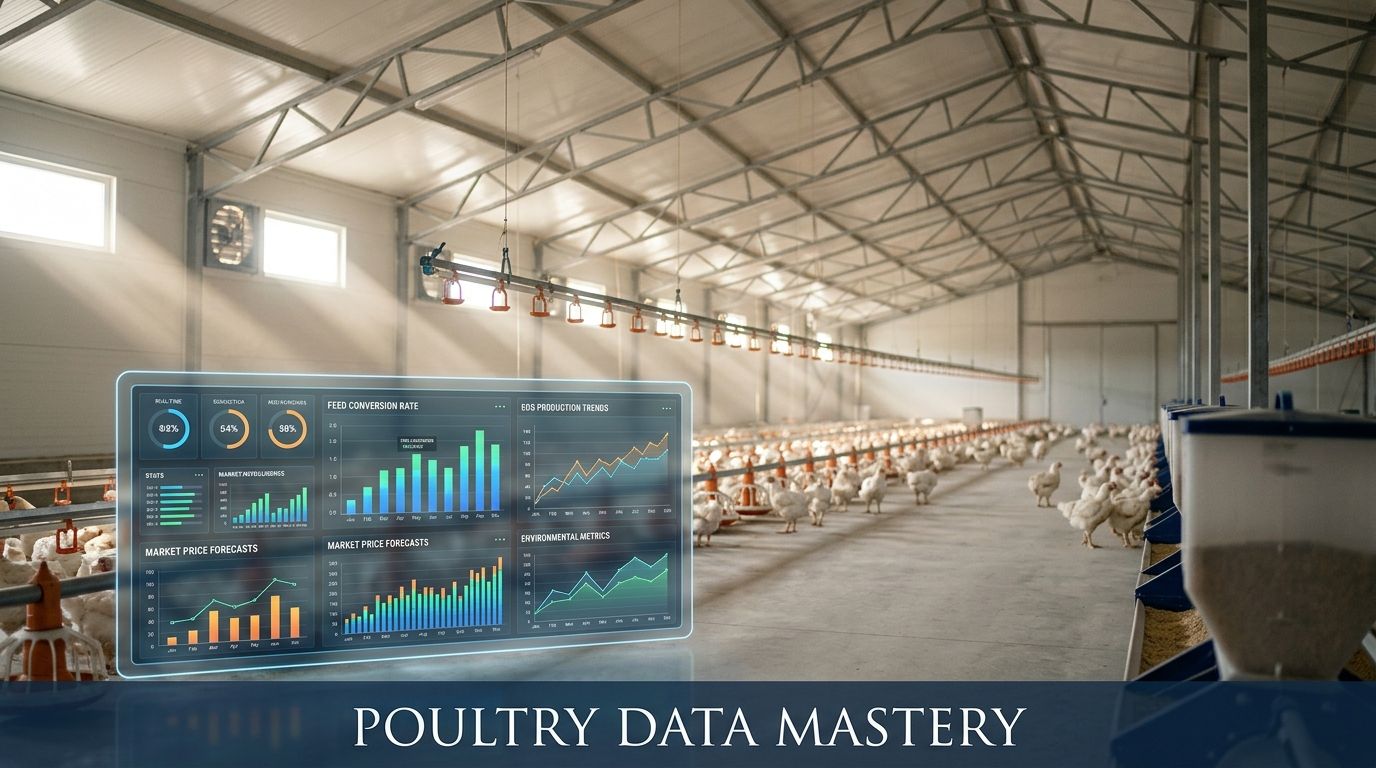
Leverage market data from platforms like Poultry Baba to stay informed about global commodity prices, local mandi trends, and currency fluctuations. Early warnings can enable timely procurement decisions.
3. Financial Planning and Budgeting
Incorporate potential feed price volatility into your annual financial planning. Create buffer funds or secure credit lines that can be accessed during unexpected price hikes, preventing operational disruptions.
Sourcing & Mandi Dynamics in Pakistan
Even for imported commodities like soybean meal, local mandi dynamics play a crucial role. Large-scale importers often distribute through a network of local traders and aggregators who supply smaller farms. Understanding the margins and logistical chains within this system can reveal opportunities for cost savings or more reliable sourcing.
For Punjab farmers, connecting directly with reputable distributors who source from major importers can often yield better prices than relying on multiple intermediaries. Always verify the quality and origin of the feed ingredients, as adulteration remains a concern in some local markets.
Conclusion
The 2026 soybean meal outlook demands a strategic, informed, and proactive approach from Pakistan's poultry producers. By implementing robust procurement strategies, optimizing feed formulations, and staying attuned to market intelligence, the sector can transform potential challenges into opportunities for sustained profitability and growth. Poultry Baba remains committed to providing the insights and resources necessary to thrive in this dynamic environment.