

Broiler Production in Pakistan: Industry Structure, Growth Cycle, Costs & Market Role (2026)
Broiler production in Pakistan has strategically evolved into one of the nation’s most vital livestock industries, consistently supplying affordable, high-quality protein to millions. According to authoritative reports from the Pakistan Poultry Association (PPA) and comprehensive data trends reported by the Pakistan Bureau of Statistics (PBS), the poultry sector contributes a significant share to national meat production and underpins a vast employment ecosystem spanning farming, feed manufacturing, processing, and distribution. As Pakistan navigates continuous population growth, rapid urbanization, and dynamic dietary shifts, broiler production remains an indispensable pillar of its national food security strategy.
What Is a Broiler Chicken?
A broiler chicken is a specifically bred and genetically selected avian species raised exclusively for meat production. Modern broiler strains are meticulously engineered for:
- Rapid Growth Rates: Achieving market weight in a short timeframe.
- Superior Feed Conversion Efficiency (FCR): Maximizing meat yield per unit of feed consumed.
- Uniform Carcass Yield: Ensuring consistent product quality for processing.
Under optimal commercial conditions prevalent in Pakistan, broilers typically attain a market weight of 1.5–2.5 kg within an efficient 35–45 day cycle. This rapid growth makes them one of the most efficient sources of animal protein globally. The Feed Conversion Ratio (FCR) in well-managed Pakistani farms typically ranges between 1.5–1.8 kg of feed per kg of live weight gain, a critical metric directly influencing farm profitability.
Structure of the Broiler Industry in Pakistan
Pakistan’s broiler industry operates through a sophisticated, multi-tiered structure, encompassing three primary production models:
1️⃣ Independent Farms: Characterized by small to mid-scale farmers who independently procure day-old chicks (DOCs) and feed, managing their operations and selling birds directly to the market.
2️⃣ Contract Farming (Integrator Model): A prevalent model where large poultry integrators provide essential inputs such as chicks, feed, and technical veterinary support, while farmers supply housing, labor, and management, receiving a fixed fee per bird or per kilogram produced.
3️⃣ Fully Integrated Operations: Dominated by major poultry conglomerates that maintain comprehensive control over the entire value chain, from grandparent and parent stock farms to hatcheries, feed mills, commercial broiler farms, and often, processing plants and retail distribution.
While broiler production occurs across all provinces, Punjab notably dominates national output, accounting for approximately 70–80% of total broiler meat production. This leadership is primarily due to its established infrastructure, concentration of feed milling capacities, and strategic proximity to major consumption markets.
Broiler Production Cycle Explained
A typical broiler production cycle is a meticulously managed process, generally lasting between 35–42 days, and involves several critical phases:
- Placement of Day-Old Chicks (DOCs): The cycle begins with the careful placement of healthy, high-quality DOCs into brooding facilities.
- Brooding Phase: The initial period (typically 7-10 days) requiring precise temperature and humidity control to ensure optimal chick development and health.
- Grower Phase: Following brooding, birds enter a phase of rapid weight gain, supported by specialized grower feeds and environmental management.
- Finisher Phase: The final stage, where feed formulations are optimized for muscle development and fat deposition, preparing birds for market weight and quality.
Profitability within this cycle is acutely sensitive to key performance indicators, including feed price, mortality rate, FCR performance, and accurate market timing. Even marginal improvements in efficiency metrics can yield substantial impacts on farm margins.
Detailed Cost Structure of Broiler Production in Pakistan
Understanding the cost structure is paramount for profitability in broiler farming. In Pakistan, production costs are significantly influenced by feed prices, which often fluctuate due to raw material availability and international commodity rates.
| Cost Component | Estimated Percentage of Total Cost | Key Influencing Factors |
|---|---|---|
| Feed | 65% - 75% | Corn, soybean meal prices, exchange rates, formulation efficiency |
| Day-old Chicks (DOCs) | 10% - 15% | Hatchery efficiency, parent stock quality, market demand |
| Energy (Electricity/Fuel) | 5% - 8% | Brooding requirements, climate control systems, utility tariffs |
| Veterinary & Biosecurity | 3% - 5% | Vaccines, medicines, disinfectants, disease prevalence |
| Labor & Infrastructure Depreciation | 2% - 5% | Farm size, level of automation, facility maintenance |
| Other Overheads (Marketing, Admin) | Remaining % | Market access, administrative efficiency |
Note: These percentages are indicative and can vary based on farm size, management practices, geographical location within Pakistan, and prevailing market conditions.
Since key feed ingredients like soybean meal and certain additives are partly import-dependent, exchange rate volatility, as monitored by the State Bank of Pakistan (SBP), significantly influences the overall production cost landscape.
Role of Environmentally Controlled Broiler Houses
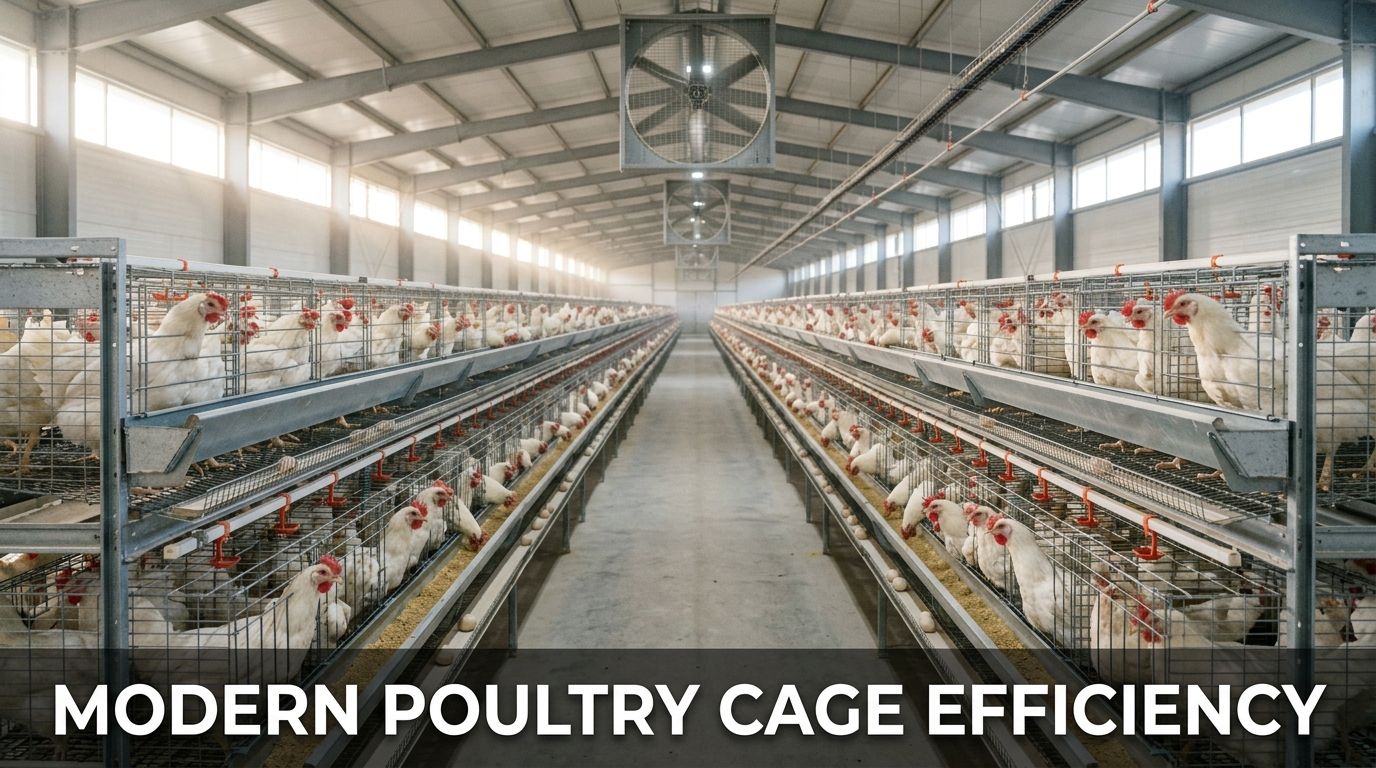
Modern broiler farming in Pakistan is increasingly characterized by the adoption of environmentally controlled (EC) sheds. These advanced systems are engineered to precisely regulate critical environmental parameters:
- Temperature Control: Maintaining optimal thermal conditions for bird comfort and growth.
- Humidity Management: Preventing respiratory issues and ensuring litter quality.
- Sophisticated Ventilation: Providing fresh air and removing noxious gases.
- Optimized Lighting Programs: Influencing feed intake and growth patterns.
Proper EC shed management is instrumental in enhancing growth consistency, minimizing stress, reducing disease incidence, and supporting superior feed conversion outcomes. During Pakistan's intense summer months, advanced climate control becomes particularly critical for preventing heat-related mortality and maintaining productivity.
Broiler Consumption Trends: Global vs. Pakistan
Globally, poultry consumption continues its upward trajectory, driven by its affordability, nutritional value, and efficiency compared to other meat sources. International organizations such as the Food and Agriculture Organization (FAO) consistently identify poultry as the fastest-growing meat segment worldwide.
In Pakistan, per-capita poultry consumption has demonstrated a steady increase, paralleling trends of urbanization and rising disposable incomes. While consumption levels still lag behind those of developed markets, this gap signifies a robust future growth potential for the domestic broiler sector.
Broiler Production in Pakistan: Current Outlook
Industry estimates suggest Pakistan produces over 1.8 million tons of broiler meat annually, with a trajectory of consistent long-term growth underpinned by several key drivers:
- Population Expansion: A growing population inherently drives demand for staple food proteins.
- Dietary Shifts: A consumer preference shift towards affordable, readily available protein sources.
- Expansion of Food Service: The proliferation of quick-service restaurants and prepared food sectors.
- Cold Chain Infrastructure: Enhancements in cold storage and transportation facilitating wider distribution.
- Technological Adoption: Increasing semi-automation and improved farm management practices.
However, the sector concurrently navigates persistent challenges:
- Feed Cost Volatility: Fluctuations in international commodity prices and exchange rates.
- Disease Risk: The constant threat of outbreaks necessitating stringent biosecurity, as emphasized by the World Organisation for Animal Health (WOAH) guidelines.
- Energy Price Fluctuations: Impacting operational costs, particularly for environmentally controlled farms.
- Market Price Instability: Cyclical price swings affecting farmer profitability and investment confidence.
Why Broiler Production Matters to Pakistan
The broiler farming sector is a pivotal component of Pakistan's agro-economy, supporting an extensive and interconnected economic chain, including:
- Crop Agriculture: Driving demand for corn, soybeans, and their local substitutes.
- Feed Manufacturing: A large-scale industry providing specialized nutritional products.
- Veterinary Services: Essential for health management, vaccination, and disease control.
- Equipment Manufacturing: Developing and supplying farm infrastructure and technology.
- Processing & Retail: Creating employment in meat processing, distribution, and sales.
Ultimately, the sector serves as a major contributor to rural employment, fosters agri-based economic activity, and plays a crucial role in national food security, as highlighted by institutions like the National Agricultural Research Centre (NARC).
Future Trends: Towards AI-Era Poultry Production
The Pakistani poultry industry is progressively embracing advanced technological practices to enhance efficiency and resilience:
- Precision Feeding Systems: Optimizing nutrient delivery based on growth stages and environmental conditions.
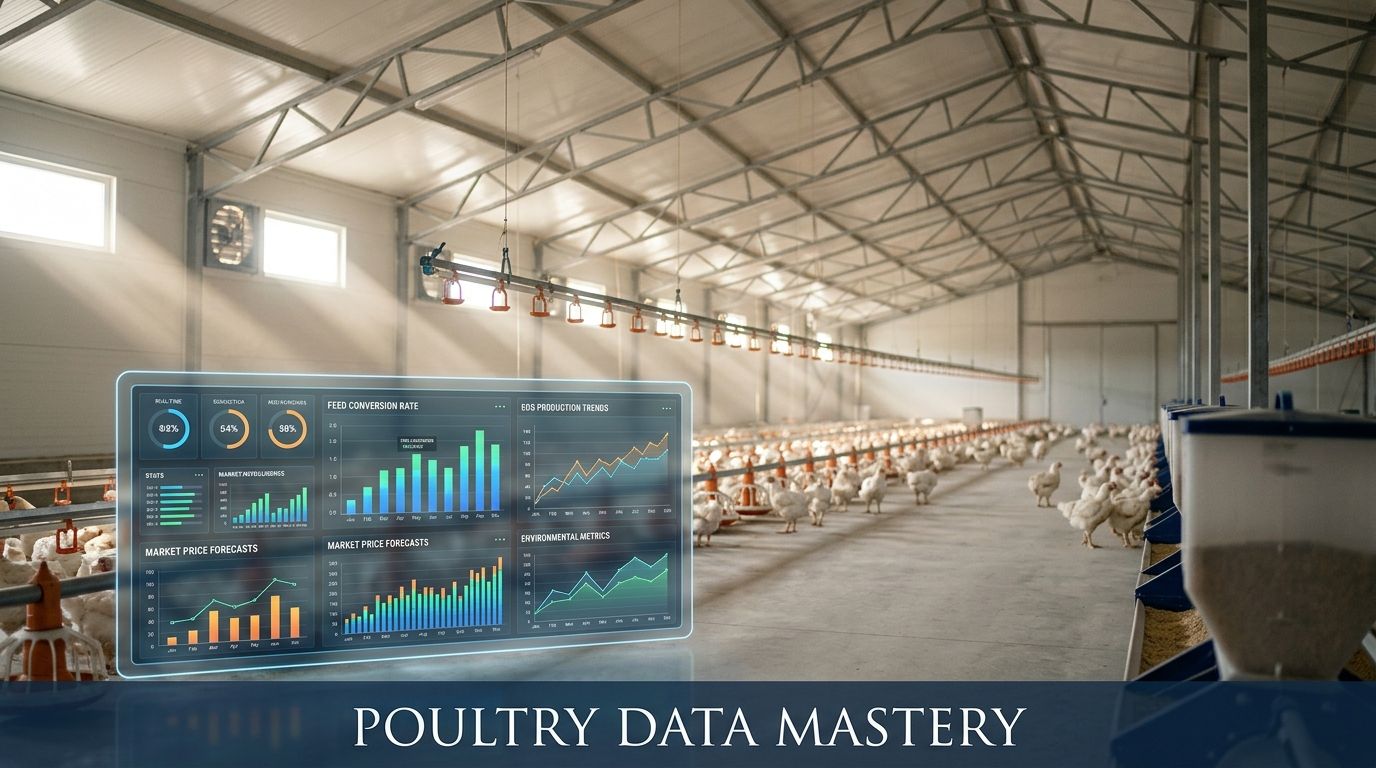
- Data-Based Farm Monitoring: Utilizing sensors and analytics for real-time insights into bird health and performance.
- Automated Climate Control: Advanced systems for intelligent environmental management, minimizing manual intervention.
- Digital Farm Management Platforms: Integrated software solutions for comprehensive operational oversight and record-keeping.
These technologies are aimed at stabilizing production efficiency, reducing cost variability, and improving disease surveillance, thereby positioning the industry for more sustainable growth in the long term.
Broiler production in Pakistan, while inherently resilient, remains margin-sensitive, demanding disciplined cost management, rigorous biosecurity, and highly efficient farm operations to thrive.