


Broiler Rate Today in Pakistan (2026) – Live, Wholesale & Retail Price Update
Broiler chicken is the most consumed meat protein in Pakistan. Because it is affordable, widely available, and used in daily meals across households, broiler rate today is one of the most searched poultry-related queries nationwide.
Broiler prices change daily due to supply shifts, feed cost fluctuations, seasonal demand, and market competition. Understanding how broiler rates are determined helps farmers, traders, meat shop owners, and consumers make informed decisions.
Broiler Rate Today in Pakistan (Per KG Overview)
Broiler prices vary by city and market level (farm gate, wholesale mandi, and retail shop).
Rates differ in Lahore, Karachi, Islamabad, Faisalabad, Multan, and other cities depending on local supply and transport costs.
For accurate daily updates, traders monitor local poultry market committees and mandi listings.
Broiler rate refers to the price per kilogram of live broiler chicken or processed broiler meat in the market.
There are two main price levels:
- Live Broiler Rate – The price at which farmers sell broiler chickens (per kg live weight).
- Retail Broiler Meat Rate – The final consumer price per kg after slaughtering and processing.
The retail rate is always higher because it includes processing, shrinkage loss, and retailer margins.
Key Factors Affecting Broiler Rates in Pakistan
1️⃣ Poultry Feed Cost (Largest Cost Component)
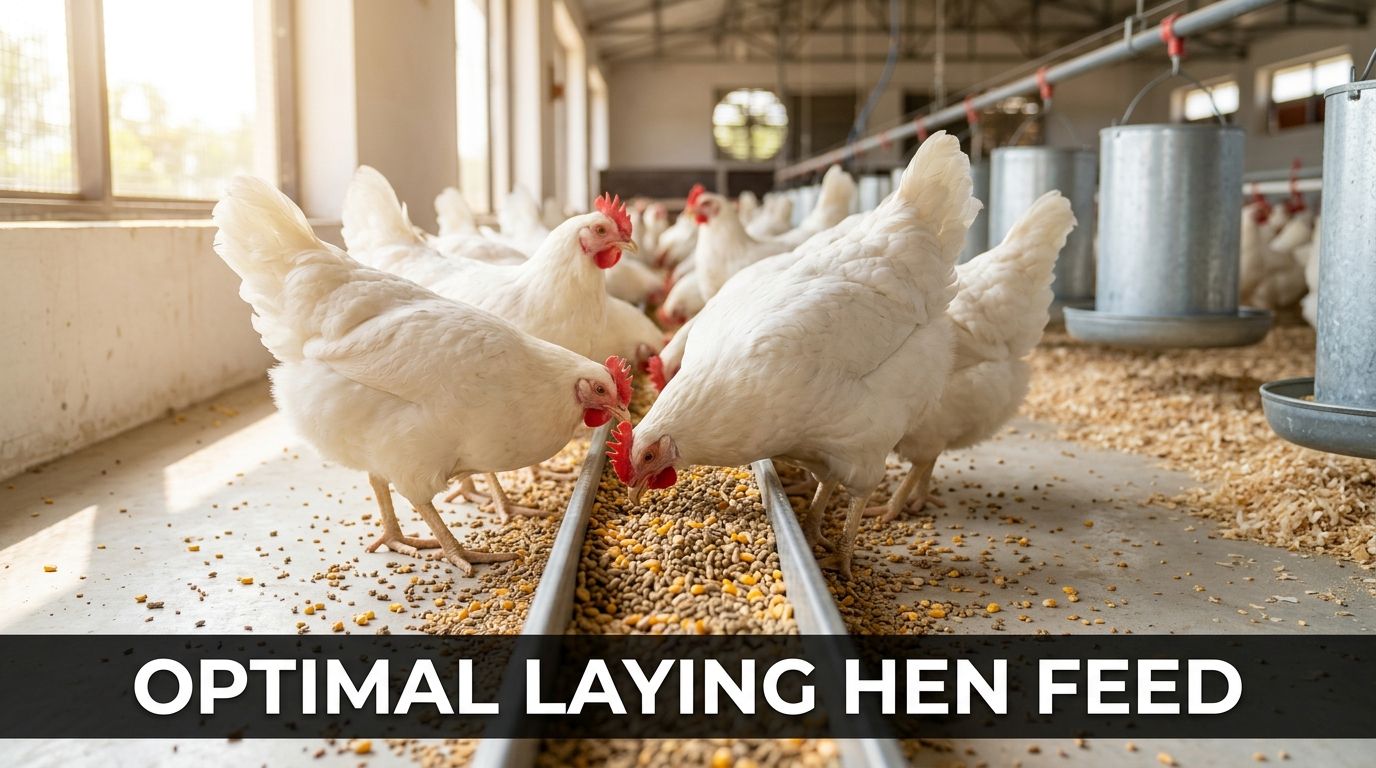
Feed represents nearly 70–75% of total broiler production cost.
Main feed ingredients:
- Corn
- Soybean meal (often imported)
- Rice polish
- Canola meal
- Vitamins and mineral premixes
When soybean prices rise due to import costs or currency fluctuations, feed becomes expensive. This directly increases broiler production cost and eventually the broiler rate in the market.
2️⃣ Production Costs at Farm Level
Farm-level expenses include:
- Day-old chick cost
- Vaccines and medication
- Labor
- Electricity and utilities
- Mortality losses
- Farm rent and maintenance
Broilers are typically raised in a 35–42 day production cycle. If mortality increases or performance declines, farmers may increase selling rates to recover losses.
3️⃣ Demand and Supply Pressure
Broiler rates follow basic market economics.
- High demand + low supply = price increase
- High supply + weak demand = price decline
Demand spikes during:
- Winter season
- Wedding seasons
- Religious occasions like Eid
Demand may slow during:
- Muharram
- Extreme summer heat
- Economic slowdowns
Daily buying and selling pressure in wholesale markets causes rapid price fluctuations.
4️⃣ Processing and Slaughter Costs
Once broilers are sold live, processing costs include:
- Slaughtering
- Cleaning
- Cutting
- Packaging
- Labor and electricity
These costs increase the final retail price per kilogram.
5️⃣ Fuel and Transportation Costs
Transportation plays a critical role in price differences between cities.
Fuel price revisions in Pakistan directly affect:
- Delivery from farm to mandi
- Distribution to retail meat shops
- Cold chain transportation
Cities located farther from poultry farming hubs often experience slightly higher broiler meat rates.
Higher competition among:
- Poultry farmers
- Meat processors
- Retail shopkeepers
can reduce prices due to competitive selling pressure.
Lower competition may allow sellers to maintain higher margins.
How Broiler Rate Is Calculated
Broiler rate per kg is determined by dividing total sales revenue by total weight sold.
Example:
If a farmer sells:
- 1,000 kg of live broilers
- Total sale amount = Rs. 420,000
Broiler rate per kg =
420,000 ÷ 1,000 = Rs. 420 per kg
However, real market rates fluctuate daily based on supply, demand, and buying pressure in wholesale markets.
Why Broiler Rates Differ Between Cities in Pakistan
Broiler prices are not uniform nationwide.
Differences occur due to:
- Local demand strength
- Transportation cost
- Farm proximity
- Wholesale market dynamics
- Urban consumption levels
For example:
- Broiler rate in Lahore may differ from Karachi due to logistics and supply chain patterns.
- Smaller cities may have lower overhead costs but limited supply.
This is why users frequently search:
“Broiler rate today in Lahore”
“Live broiler rate in Karachi today”
Broiler Rate Trends: Seasonal Pattern
Historically in Pakistan:
- Winter: Higher demand → price increase
- Summer: Heat stress reduces growth and consumption patterns shift
- Religious events: Temporary demand spikes or dips
Understanding seasonal trends helps traders and consumers anticipate rate changes.
Market Outlook for 2026
Broiler rates in Pakistan will largely depend on:
- Feed import stability
- Currency exchange rates
- Fuel price policies
- Production cycle performance
- National demand trends
If feed costs stabilize and supply remains balanced, broiler prices may remain steady. However, volatility in soybean imports or fuel pricing could cause short-term spikes.
Frequently Asked Questions (FAQs)
What is the broiler rate today in Pakistan?
Broiler rate today refers to the current price per kilogram of live broiler or processed broiler meat in wholesale and retail markets. Rates vary by city and market conditions.
Why do broiler prices change daily?
Broiler prices fluctuate daily due to changes in supply, demand pressure, feed cost, transportation expense, and wholesale market activity.
What is the difference between live broiler rate and retail chicken rate?
Live broiler rate is the farm or mandi price per kg of live weight. Retail chicken rate includes slaughtering, cleaning, shrinkage loss, and shopkeeper margin.
How much of broiler production cost is feed?
Feed accounts for approximately 70–75% of total broiler production cost, making it the largest factor affecting broiler rate.
Do religious events affect broiler prices?
Yes. Demand shifts during Eid, wedding seasons, and other religious periods can temporarily increase or decrease broiler rates.
Final Thoughts
Broiler rate today in Pakistan is shaped by real economic forces — not random price movement. Feed cost, production efficiency, supply-demand balance, transportation expense, and market competition all interact daily to determine pricing.
For farmers, understanding cost structure ensures sustainable margins.
For traders and retailers, monitoring buying pressure prevents losses.
For consumers, awareness of seasonal trends helps make smarter purchasing decisions.
Tracking broiler rates consistently — rather than reacting emotionally to price spikes — is the key to staying informed in Pakistan’s poultry market.