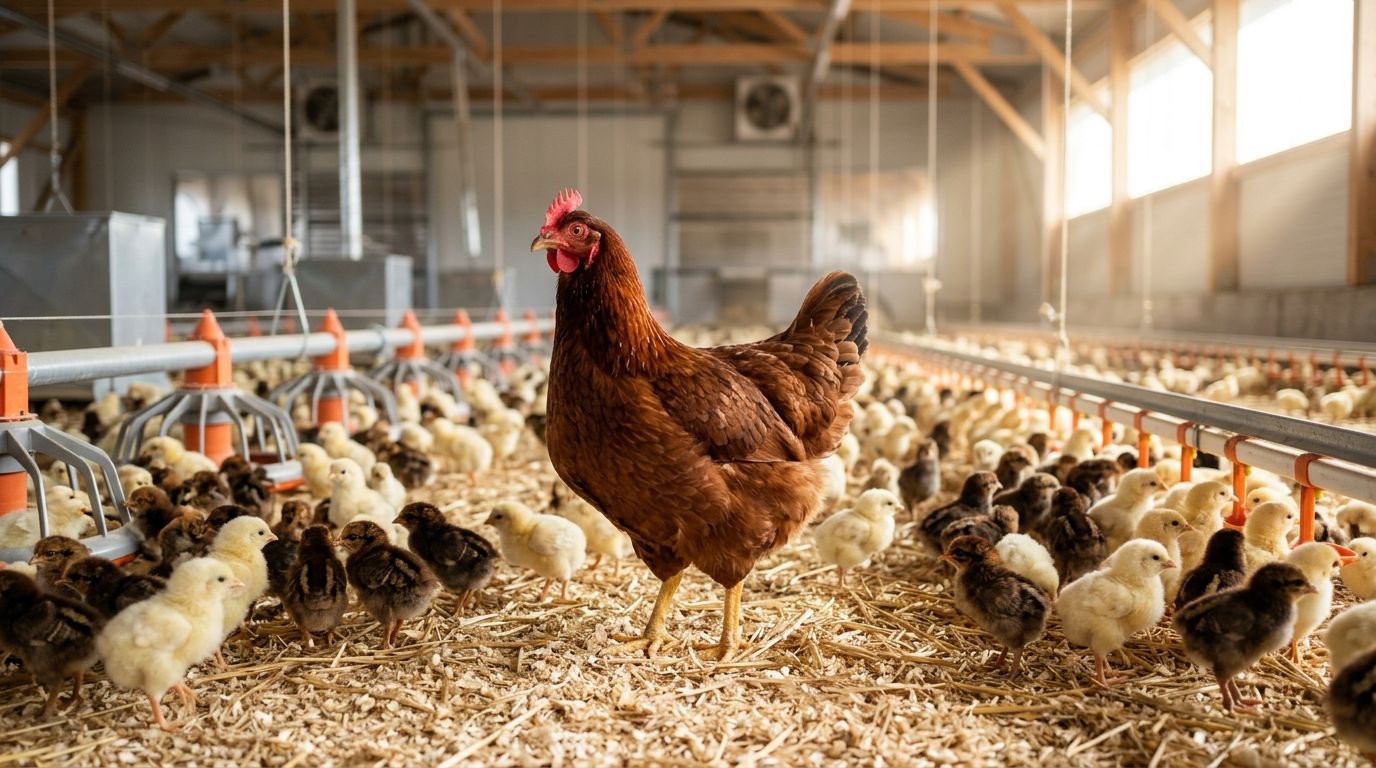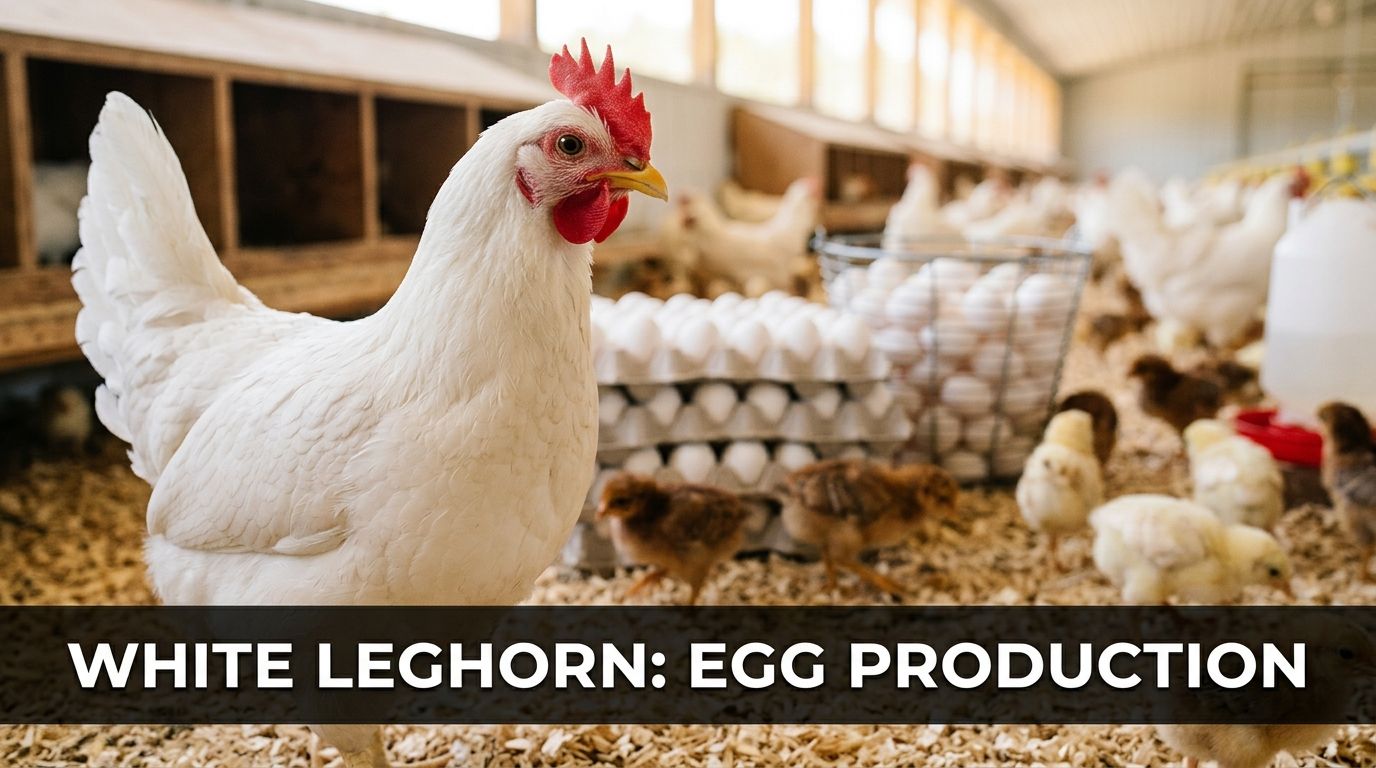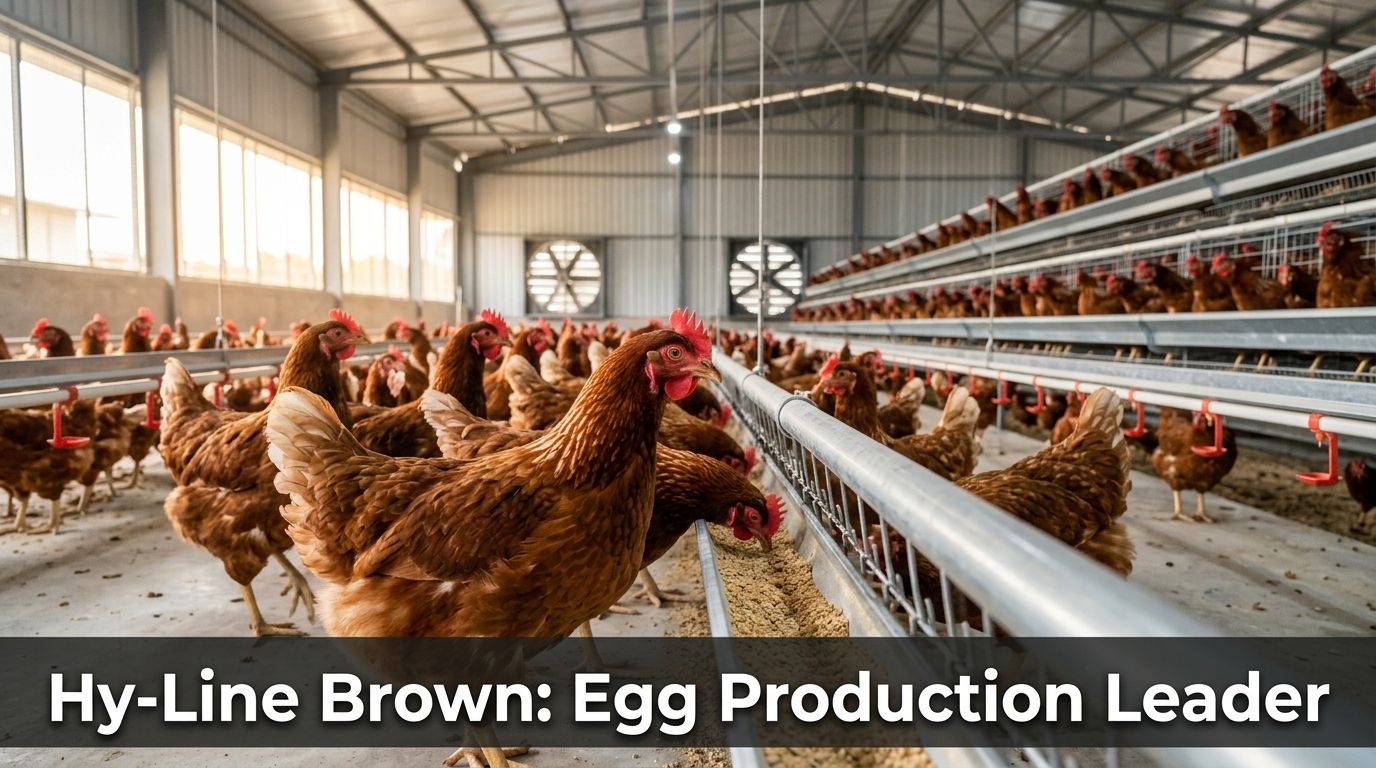




In an era dominated by high-output commercial poultry strains, the humble indigenous, often referred to as 'Desi' or local, layer breeds are experiencing a resurgence in appreciation. Far from being mere relics of traditional farming, these resilient birds represent a vital component of sustainable agriculture, food security, and genetic diversity globally. This comprehensive article delves into the multifaceted reasons why Desi (Local) layer breeds hold immense and often underestimated value, exploring their biological strengths, economic benefits, and their critical role in the future of poultry farming.
Understanding 'Desi' and Local Layer Breeds in a Global Context
The term 'Desi,' commonly used in South Asia, refers to indigenous or native breeds that have evolved over centuries within specific local environments. Globally, these are recognized as 'local,' 'native,' or 'indigenous' breeds. Unlike their commercial counterparts, which are products of intensive genetic selection for specific traits like rapid growth or maximal egg production, local breeds have adapted naturally to diverse climates, feed resources, and disease challenges. This evolutionary journey has endowed them with unique characteristics that are increasingly relevant in modern sustainable farming practices.
According to the Food and Agriculture Organization of the United Nations (FAO), indigenous livestock breeds constitute a vast reservoir of genetic diversity, crucial for adapting to future environmental changes and emerging disease threats. Their importance extends beyond mere survival; they are pivotal in maintaining the genetic blueprint necessary for long-term food security.
Key Advantages of Desi (Local) Layer Breeds
1. Robust Health and Disease Resistance
Perhaps the most significant advantage of indigenous layer breeds is their inherent hardiness and superior disease resistance. Generations of natural selection have equipped these birds with robust immune systems, allowing them to withstand common poultry diseases and parasites that often devastate commercial flocks. This resilience significantly reduces the need for expensive veterinary interventions and prophylactic antibiotic use, aligning perfectly with global trends towards reducing antimicrobial resistance in livestock.
Research cited by the World Organisation for Animal Health (WOAH) consistently highlights the genetic predisposition of local breeds to resist endemic diseases, making them ideal for low-input, extensive, or organic farming systems where biosecurity measures might be less stringent than in industrial setups.
2. Lower Input Requirements and Cost-Effectiveness
Commercial layers are typically bred for high performance under optimal conditions, requiring specialized feeds, controlled environments, and meticulous management. Indigenous breeds, conversely, thrive on diverse, often scavenging diets and are less demanding regarding housing and climate control. They efficiently convert locally available feed resources, including kitchen scraps, insects, and weeds, into nutritious eggs, thereby significantly lowering feed costs, which are typically the largest operational expense in poultry farming.
This cost-effectiveness makes them particularly attractive to small-scale farmers and rural households, for whom high-cost inputs are often prohibitive. The self-sufficiency of these breeds directly contributes to the economic viability of smallholder farming operations.
3. Superior Egg Quality and Market Niche
Eggs from Desi (Local) breeds are often characterized by unique qualities that appeal to specific consumer segments. These include richer yolk color, stronger shell integrity, and a distinctive flavor profile. While commercial eggs prioritize uniformity and quantity, indigenous eggs often command premium prices in niche markets, farmers' markets, and organic stores due to their perceived naturalness, superior taste, and the humane conditions under which the hens are often raised.
For example, certain indigenous breeds produce eggs with specific shell colors (blue, green, dark brown) that are highly valued for their aesthetic appeal and perceived authenticity. This differentiation allows farmers to tap into lucrative premium markets, enhancing profitability per egg despite lower overall production volumes.
4. Adaptability to Diverse Environments
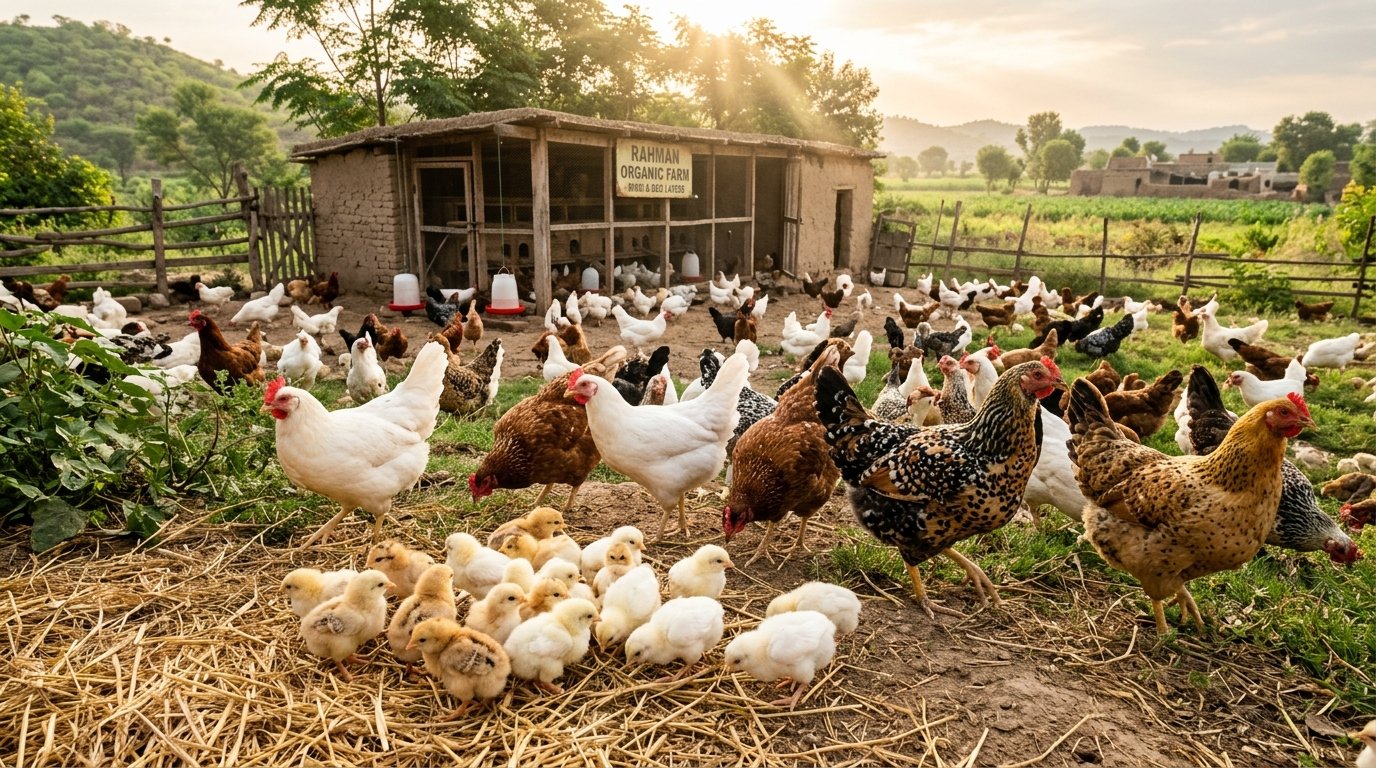
Indigenous breeds have evolved to suit their local climatic conditions, whether hot and humid, arid, or cold. This adaptability means they experience less stress and maintain better productivity in varied environmental settings compared to commercial breeds, which often require significant environmental modifications (e.g., cooling systems, precise temperature control) to perform optimally. Their ability to forage and adapt makes them suitable for free-range and backyard poultry systems globally, promoting animal welfare.
5. Genetic Conservation and Biodiversity
The global poultry industry faces a critical challenge of genetic erosion, with a narrowing genetic base due to the dominance of a few high-producing commercial strains. Indigenous breeds are invaluable reservoirs of genetic diversity, possessing traits that may be crucial for the poultry industry's future, such as unique disease resistance genes, heat tolerance, or specific feed conversion efficiencies. Preserving these breeds is not just an academic exercise but a strategic imperative for global food security, providing the genetic material for future breeding programs.
The USDA's National Animal Germplasm Program, among others, emphasizes the strategic importance of conserving indigenous genetic resources as a safeguard against unforeseen environmental shifts or new pathogens.
Comparative Analysis: Desi (Local) vs. Commercial Layers
To further illustrate the distinct characteristics, a comparative table can highlight the differences, helping producers make informed decisions based on their farming objectives.
| Feature | Indigenous (Desi/Local) Layers | Commercial Layers (e.g., White Leghorn Hybrids) |
|---|---|---|
| Annual Egg Production | 80-150 eggs (highly variable) | 280-320+ eggs |
| Egg Size Uniformity | Variable | High uniformity |
| Feed Conversion Ratio (FCR) | Moderate (often scavenging based) | Excellent (optimized for specific feeds) |
| Disease Resistance | High (natural immunity) | Moderate (requires biosecurity, vaccinations) |
| Hardiness/Adaptability | High (resilient to climate, stress) | Moderate (optimal performance in controlled environments) |
| Input Costs (Feed, Vet) | Low | High |
| Lifespan/Productive Years | Longer productive life (2-4+ years) | Shorter productive peak (1-2 years) |
| Market Value of Eggs | Premium for niche/organic markets | Standard/commodity pricing |
| Broodiness | Common | Rare/eliminated |
As evident from the table, the choice between Desi and commercial layers largely depends on the farming system, target market, and available resources. For large-scale, industrial operations focused purely on maximum egg volume, commercial layers remain dominant. However, for smallholders, organic producers, or those targeting premium, niche markets, indigenous breeds offer compelling advantages.
Economic and Social Impact for Smallholders
The economic contribution of Desi (Local) layer breeds, particularly for smallholder farmers and rural communities in developing countries, is profound. They provide a reliable source of protein, supplemental income through egg sales, and act as a living savings bank. Their ability to forage reduces dependence on expensive commercial feeds, making poultry farming accessible to a broader population.
Furthermore, these breeds often exhibit strong maternal instincts (broodiness), allowing for natural incubation and rearing of chicks, reducing the need for artificial incubators and fostering self-sustaining flocks. This aspect is crucial for household food security and income generation in regions where access to modern equipment and infrastructure is limited.
The Role in Sustainable Agriculture and Food Systems
Embracing Desi (Local) layer breeds aligns perfectly with the principles of sustainable agriculture. They support diversified farming systems, contribute to nutrient cycling (through their foraging activities), and reduce the environmental footprint associated with feed production and waste management from intensive systems. Their resilience makes them a climate-smart choice, less vulnerable to environmental shocks and resource scarcity.
The increasing consumer demand for ethically produced, free-range, and organic eggs further bolsters the case for indigenous breeds. Consumers are increasingly willing to pay a premium for products that align with their values regarding animal welfare, environmental stewardship, and local sourcing. This shift creates a sustainable market for farmers who choose to raise local breeds.
The European Food Safety Authority (EFSA), in its various reports on animal welfare, has highlighted the benefits of extensive systems, which are inherently suited to hardy, adaptable indigenous breeds. Such systems often result in improved animal health and well-being, translating into a more sustainable and ethical food production chain.
Challenges and Future Outlook
Despite their numerous advantages, indigenous breeds face challenges, including lower individual productivity, lack of standardized breeding programs, and limited access to organized markets. Efforts are underway globally to address these issues through selective breeding programs aimed at improving productivity while retaining adaptive traits, and by establishing better market linkages for premium indigenous products.
Organizations like the FAO continue to advocate for the conservation and sustainable utilization of animal genetic resources. Investment in research, capacity building for farmers, and policy support for indigenous poultry farming are critical for harnessing their full potential.
In conclusion, the 'why' behind choosing Desi (Local) layer breeds goes far beyond sentimentality. It's a strategic choice for resilience, sustainability, economic viability, and the preservation of invaluable genetic resources. As the global food system grapples with climate change, resource scarcity, and evolving consumer demands, these indigenous birds offer a proven path toward a more robust and sustainable poultry industry worldwide.