


Commercial Poultry Feed Formulation (2026): Optimizing Layer FCR & Crushing Feed Costs
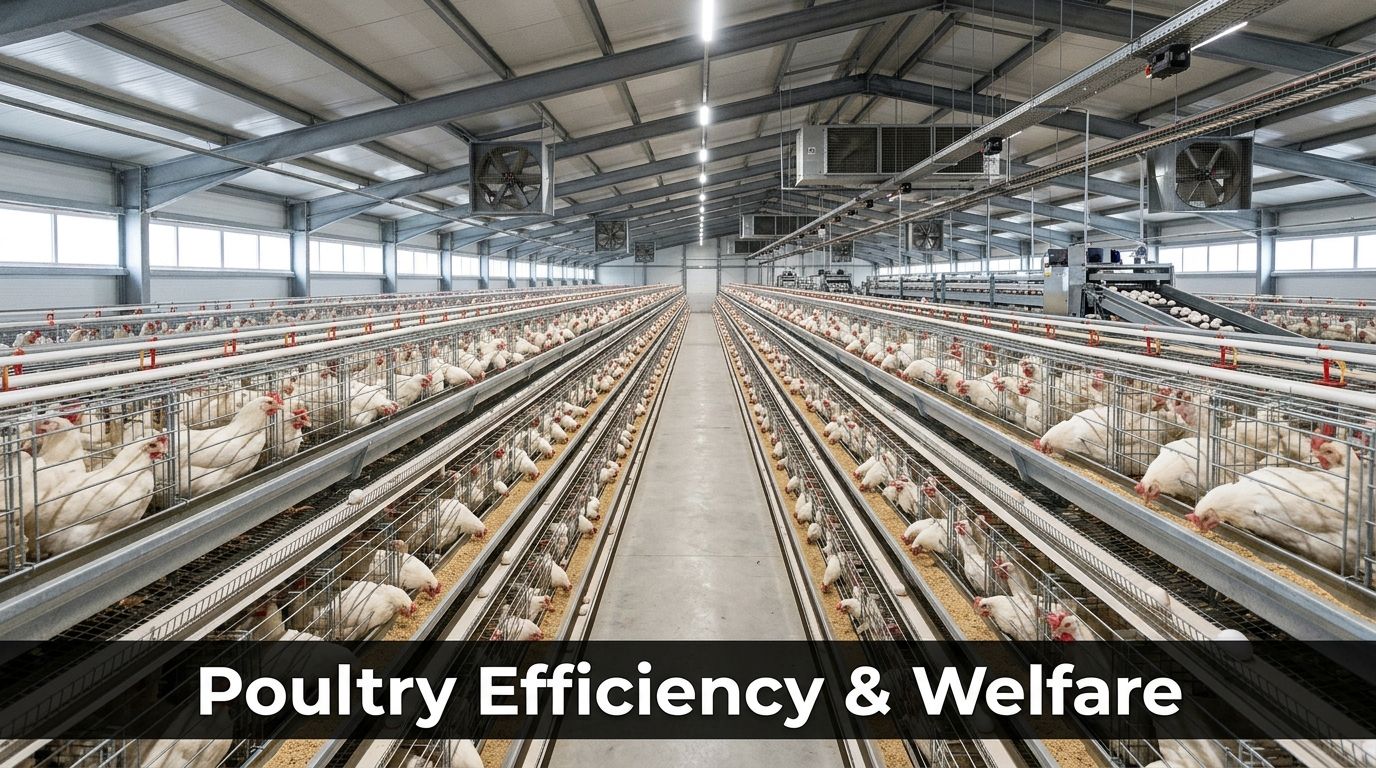
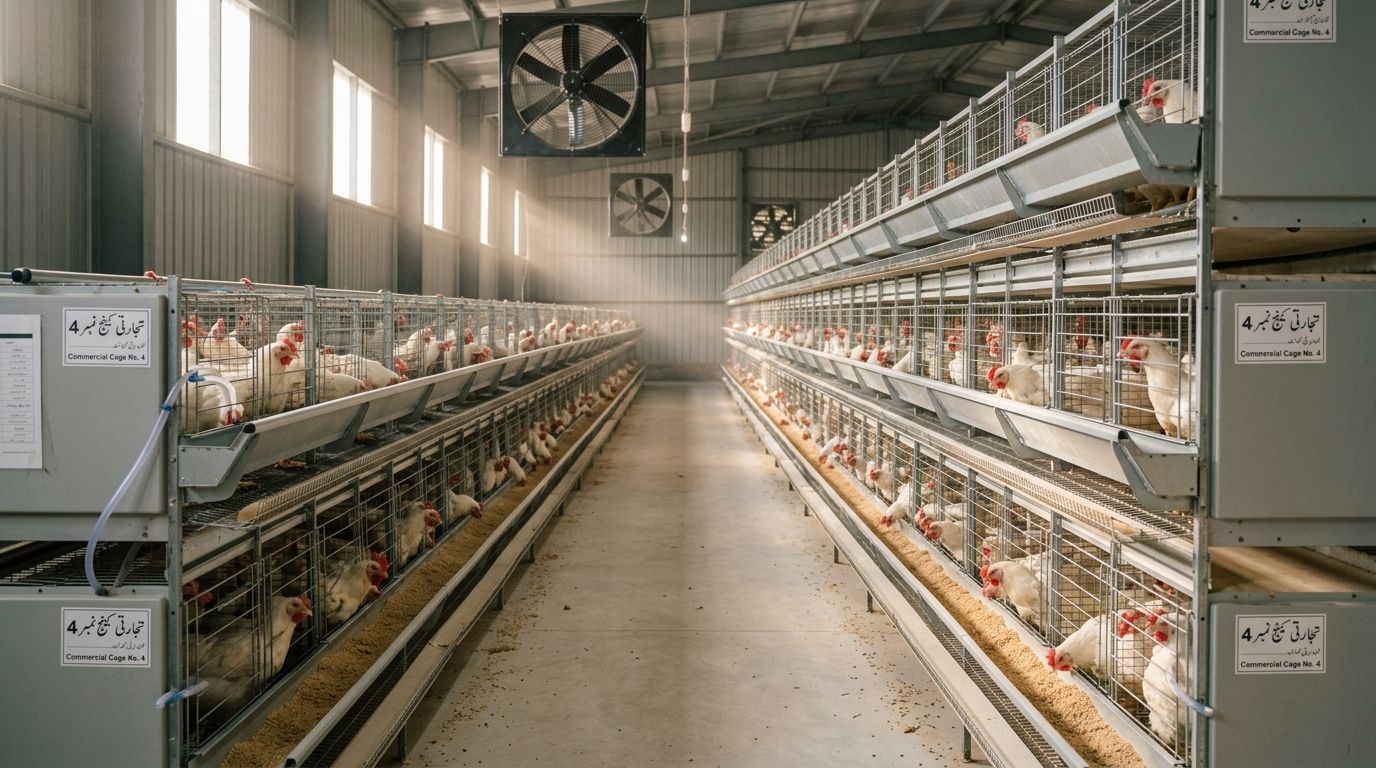
Feed constitutes up to 70% of the total operational cost in a commercial poultry farm. If you are running a layer business and your flock is eating unbalanced grain mixes, you are actively bleeding money. In the highly competitive Pakistani B2B poultry sector, maximizing egg production requires scientific feed engineering, not guesswork. Upgrading from crude scratch grains to precision-formulated pelleted feed is the ultimate dividing line between a struggling farm and a highly profitable commercial empire.
What is the optimal poultry feed for commercial laying hens?
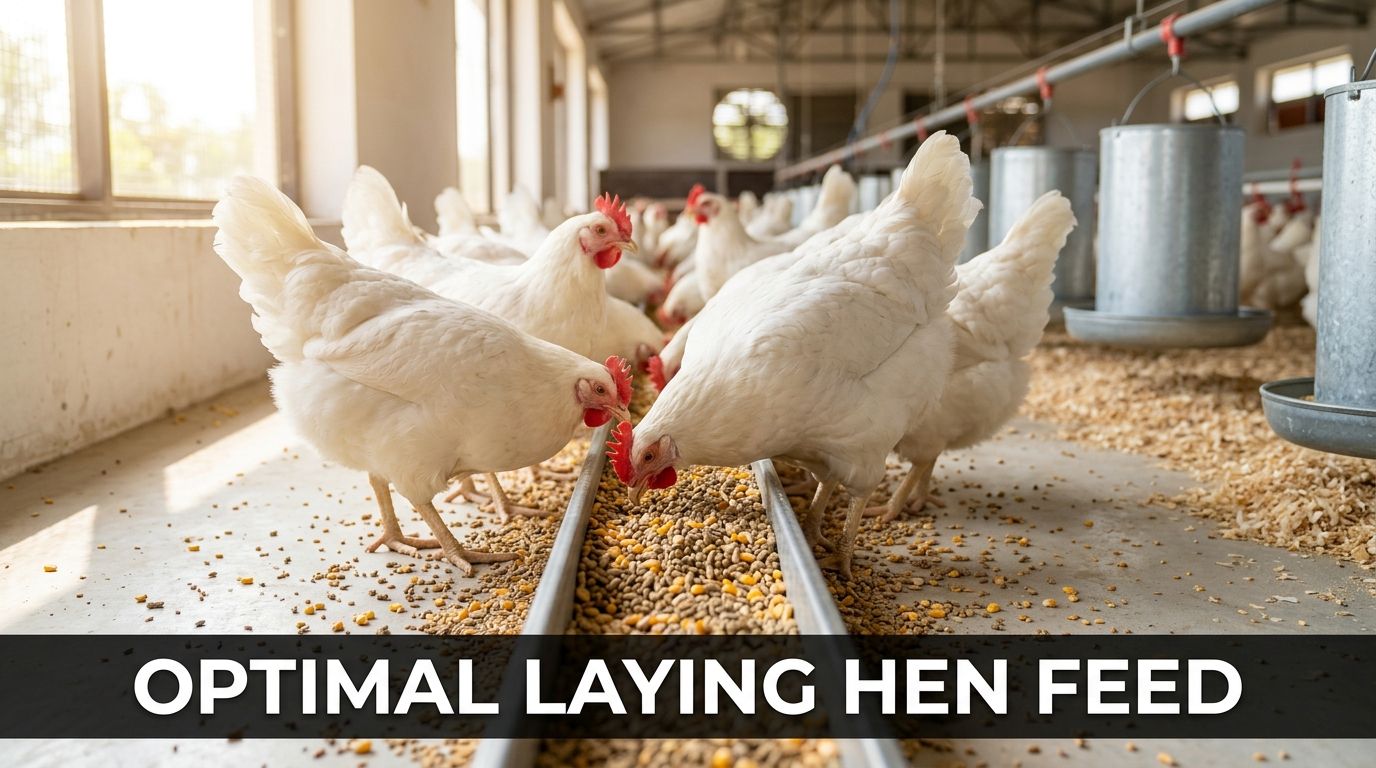
The optimal poultry feed for commercial laying hens is a biologically balanced pellet or crumb ration containing 16% to 18% Crude Protein (CP), high Calcium levels (3.5% to 4.5%) for eggshell integrity, and specific essential amino acids. According to FAO and veterinary standards, commercial feed must eliminate "selective feeding" behavior caused by whole-grain mixes. A precision diet maximizes the Feed Conversion Ratio (FCR) and guarantees consistent, high-yield daily egg production.
The "Grain Mix" Crisis: Why Traditional Feeding is Destroying Your ROI
Walk into any underperforming farm, and you will see birds being fed whole-grain scratch mixes. This is a fatal B2B error.
Chickens are notorious "selective feeders." When presented with a whole-grain mix, a hen will aggressively pick out high-fat, tasty seeds (like corn or sunflower) and leave behind the essential amino acids and minerals. The result?
Plummeting Egg Production: Lack of consistent protein drops laying rates.
Soft Eggshells: Ignored calcium supplements lead to unmarketable, fragile eggs.
Wasted Capital: Up to 15% of the feed is kicked into the litter or eaten by rodents.
The Commercial Solution: Modern layer farms use Pellet or Crumb feed. By grinding and pressing all macro and micro-nutrients into a single pellet, the bird is forced to consume a perfectly balanced diet in every bite, drastically improving your FCR
📊 TABLE 1: Technical Benchmark – Nutritional Standards for Commercial Layers (PPA & FAO Aligned)
To achieve peak production (90%+ laying rate), feed mills and farm owners must strictly adhere to these nutritional parameters:
Deconstructing the Macro-Ingredients: A B2B Sourcing Guide
When sourcing raw materials via the PoultryBaba B2B marketplace, farm managers must understand the strict inclusion limits of different grains to avoid digestive toxicity.
1. Wheat & Corn (The Energy Kings)
Corn (Maize): The absolute gold standard for Metabolizable Energy. It is highly digestible. If moisture content is high, it must be dried to prevent lethal aflatoxins.
Wheat: An excellent alternative when corn prices spike. It should be coarsely ground into a mash. Using durum spring wheat yields exceptional FCR results.
2. Oats & Barley (The Fiber Fillers)
Oats: Feed value varies wildly based on the husk. Only heavy, high-quality crushed or rolled oats should be used.
Barley: Less palatable than wheat, but highly cost-effective during seasonal shortages. It must be finely ground or treated with enzymes (beta-glucanases) for commercial use.
3. Millet, Rye & Flax (The Strategic Additives)
Millet (Bajra): Widely available in South Asia. It can safely make up to 33% of the dry mash formulation.
Rye: Use with extreme caution. While cheap, high inclusion rates cause severe digestive distress and wet droppings in commercial flocks.
Flaxseed: Rich in fat and protein. Used strategically in cold weather or to produce premium "Omega-3 enriched" eggs for high-end retail markets.
📊 TABLE 2: Safe Maximum Inclusion Rates for Poultry Feed Ingredients
Advanced Supplements: Elevating Hatchability and Immunity
To hit a 30x growth trajectory, you cannot rely on grains alone. Commercial concentrates and balancers are mandatory.
Vitamin Fortification: When natural sunlight is limited (closed-house systems), commercial rations must be fortified with standardized fish oils (sardine or cod liver). The FAO mandates at least 200 A.O.A.C. units of Vitamin D and 1250 units of Vitamin A per gram of oil to ensure shell strength and immunity.
Dairy By-Products: Skimmed milk and buttermilk powders are elite sources of Riboflavin. They act as rapid protein supplements, specifically targeted at day-old chicks (DOCs) and breeding hens to maximize hatchability.
The PoultryBaba Execution Plan
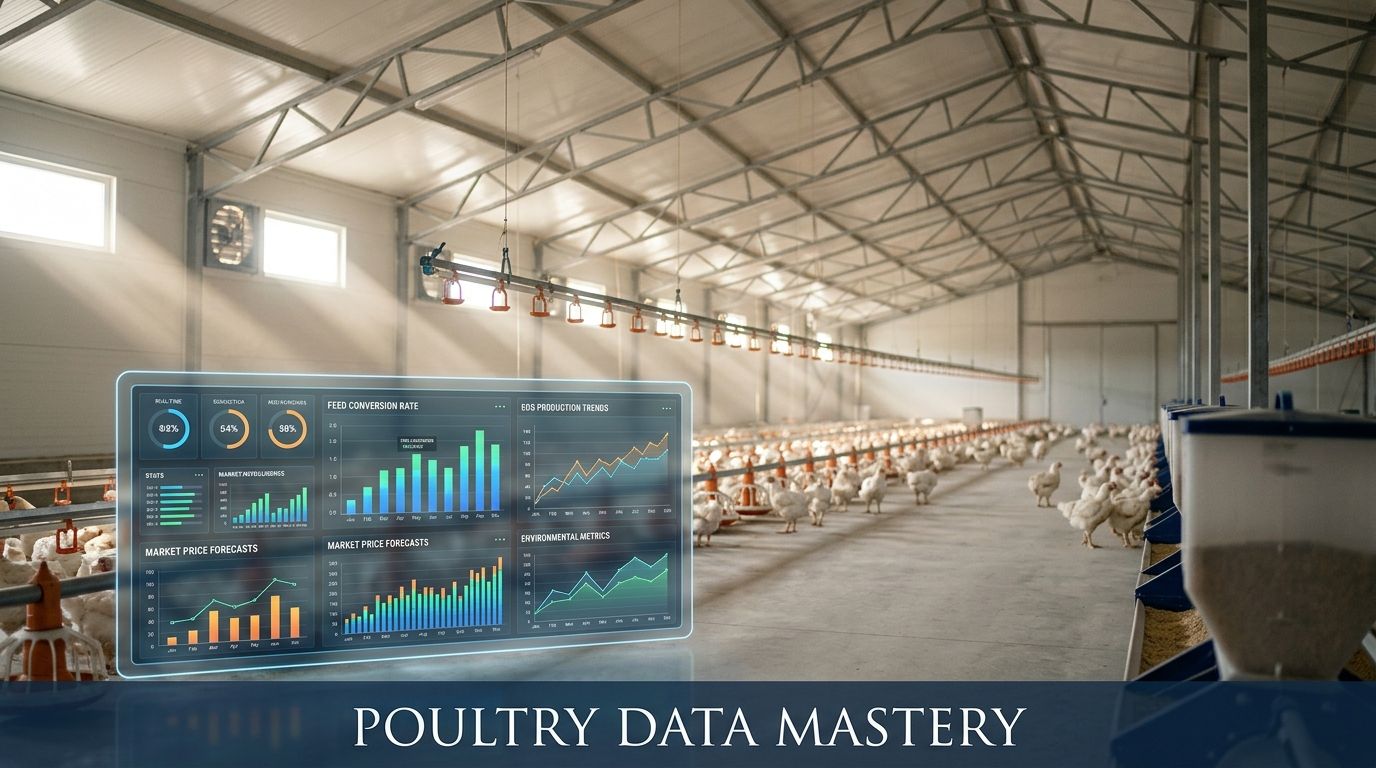
Optimizing your feed is step one. Step two is tracking it. By integrating your farm’s daily feed consumption data into the PoultryBaba Mobile App, you can track real-time FCR, source verified commercial feed directly from top-tier Pakistani feed mills, and eliminate middleman margins.
Summary Recap for Farm Managers
Abandon whole-grain mixes; they encourage selective feeding and destroy FCR.
Transition to commercial pellet or crumb feeds featuring 16-18% Crude Protein and 4% Calcium.
Strictly monitor the inclusion rates of alternative grains like Rye and Barley to prevent flock digestive issues.
Leverage the PoultryBaba App to source high-grade concentrates and track your flock's daily ROI.
FAQ: Commercial Feed Formulation
1. What is the best protein percentage for laying hens?
Commercial laying hens require a strict diet consisting of 16% to 18% Crude Protein. This ensures optimal egg white synthesis and maintains the hen's body weight during peak production cycles.
2. Why should commercial farms avoid whole-grain scratch mixes?
Whole-grain mixes allow chickens to engage in "selective feeding." They will consume only high-fat, tasty seeds while ignoring critical protein and calcium powders, leading to immediate drops in egg production and quality.
3. What is the role of Calcium in poultry feed?
Calcium is the primary building block for eggshells. Commercial layer feed must contain 3.5% to 4.5% Calcium (usually sourced from limestone or oyster shells) to prevent soft-shelled eggs and skeletal disorders.
4. Can I use wheat instead of corn in poultry feed?
Yes. Wheat is an excellent, high-energy alternative to corn. However, it must be coarsely ground rather than fed whole, and farm managers should monitor the flock for digestive changes when transitioning grains.
5. How do I provide Vitamin D to indoor commercial flocks?
Closed-house flocks lacking direct sunlight must be supplemented with high-quality fish oils (like cod liver oil) mixed into the dry mash, ensuring the birds receive vital Vitamin D for calcium absorption.
6. What are feed concentrates and balancers?
Concentrates are scientifically engineered pre-mixes manufactured by commercial feed companies. They contain the exact ratio of synthetic amino acids, vitamins, and trace minerals needed to balance raw farm-grown grains.