

Desi Chicken Farming in Pakistan (2026): Complete Profitability Guide, Breed Comparison & Management Model
Desi chicken farming in Pakistan is rapidly shifting from traditional backyard rearing to structured semi-commercial systems. With rising demand for organic eggs and native meat, indigenous poultry now represents a strong income model for rural and peri-urban households.
According to the Pakistan Bureau of Statistics, poultry contributes a major share to livestock value addition in Pakistan. The Food and Agriculture Organization identifies small-scale poultry as a key driver of rural income stability in developing economies. Locally, provincial livestock departments continue to promote indigenous breed improvement programs to enhance productivity.
This guide provides:
- Economic viability of Desi chicken farming
- Breed comparison (Aseel, Kadaknath, etc.)
- Feeding and housing models
- Production benchmarks
- Risk management
- Structured profitability insights
What Is Desi Chicken Farming?
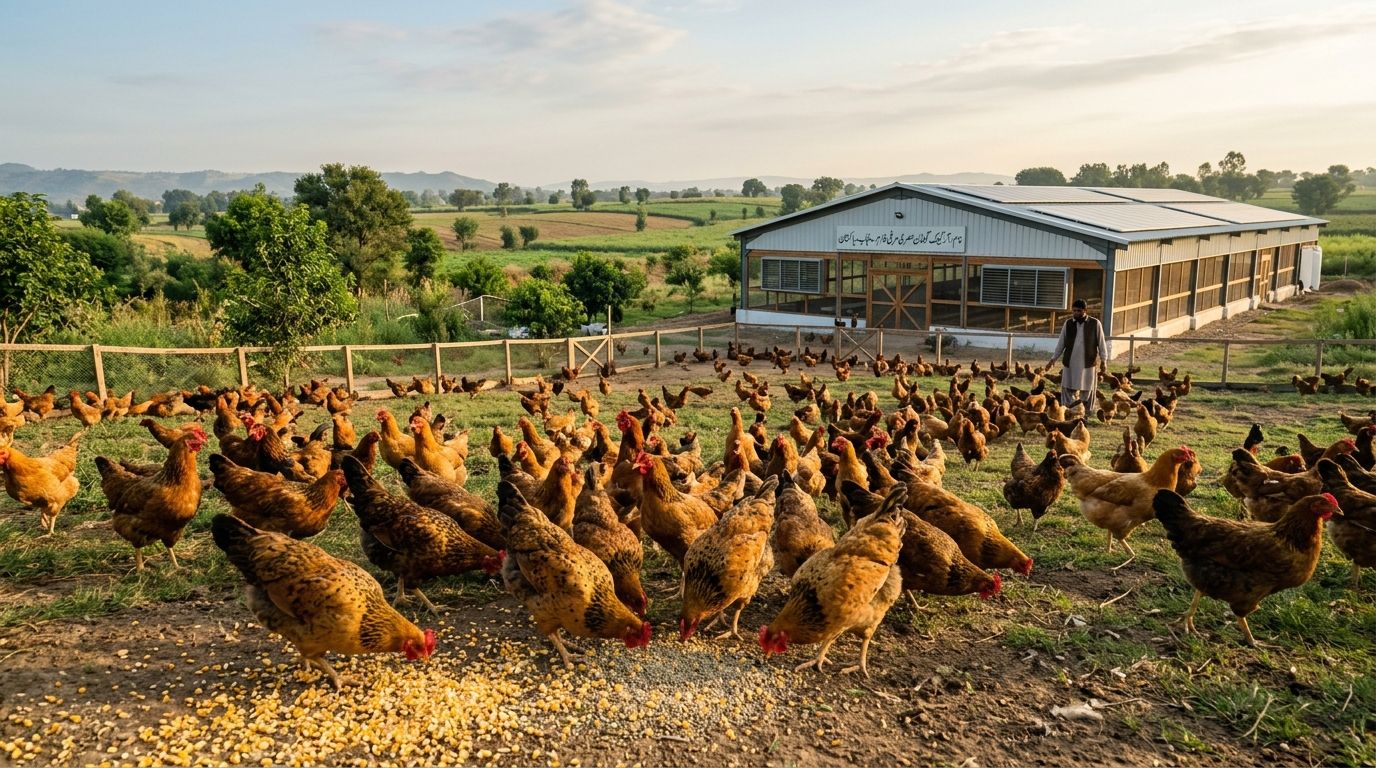
Desi chicken farming refers to rearing indigenous or improved native poultry breeds under backyard, free-range, or semi-intensive systems.
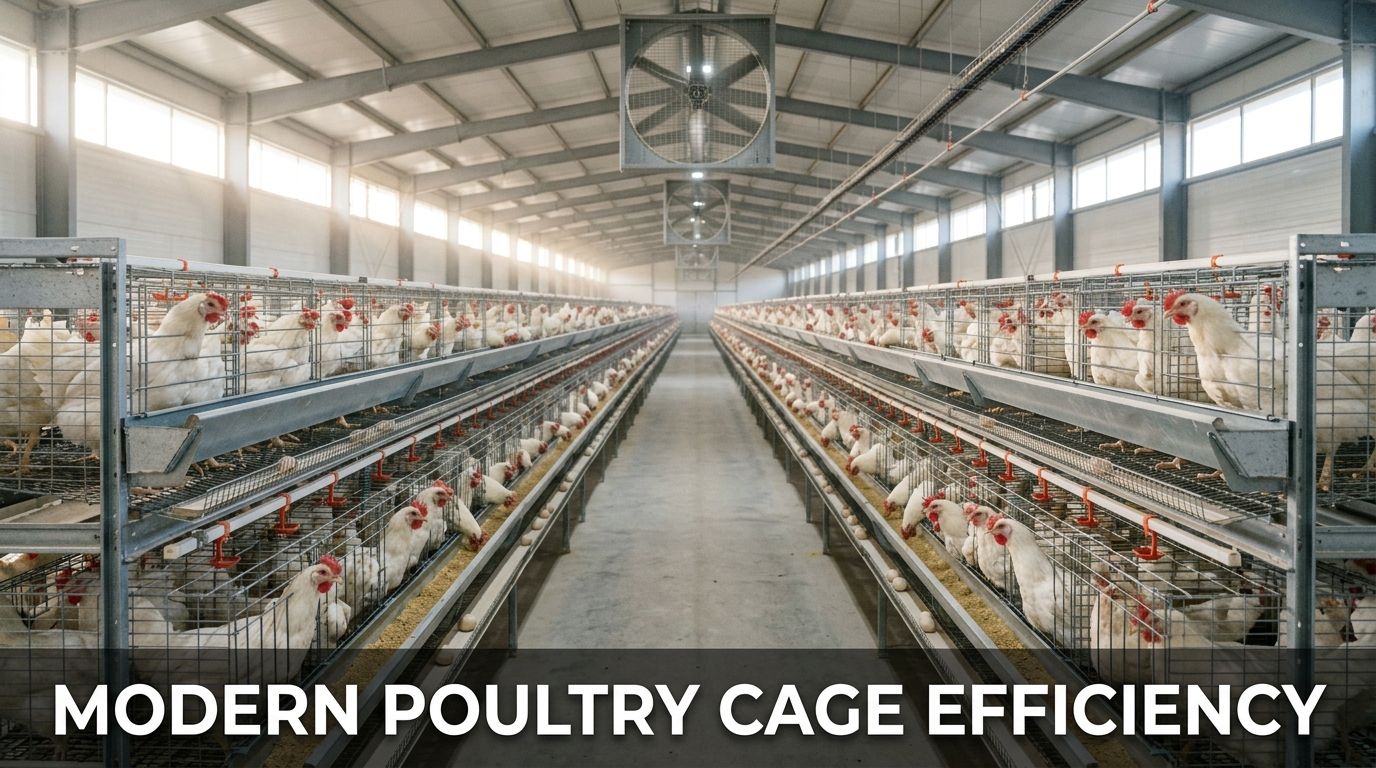
Unlike commercial broilers and layers, Desi chickens are:
- Hardy and adaptable
- Disease-resistant
- Slower growing
- Lower feed-dependent
- Premium priced in local markets
Their economic strength lies in higher retail price per egg and meat premium, not maximum volume production.
Why Desi Chicken Farming Is Growing in Pakistan
- Increasing consumer demand for “organic” and “country chicken”
- Lower startup capital requirement
- Scavenging ability reduces feed cost
- Suitable for small landholdings
- Strong rural market acceptance
Per capita poultry consumption in Pakistan remains below developed nations, indicating long-term growth potential.
Major Indigenous Desi Chicken Breeds in Pakistan
📊 Table 1 – Common Desi Chicken Breeds Comparison
Improved lines introduced by livestock programs can produce 140–180 eggs annually, significantly improving traditional output.
Housing Requirements for Desi Chicken
Desi chickens require simple but protective housing:
- Elevated flooring to avoid flooding
- Good ventilation
- North-south orientation for airflow
- Protection from predators
- Basic lighting for chicks
Low-cost materials like bamboo, wood, thatch, and local grass can be used effectively.
Feeding Model & Nutritional Needs
Desi chickens primarily scavenge:
- Insects
- Crop residues
- Kitchen waste
- Grains
Supplemental feed improves performance.
📊 Table 2 – Recommended Nutritional Requirements
Supplement mix may include:
- Wheat bran
- Maize
- Rice polish
- Fish meal
- Limestone/shell grit
Feed cost typically represents 50–60% of total production cost in Desi systems (lower than commercial broilers).
Economic Model: Small-Scale Desi Farm (500 Birds Example)
Assuming:
- 140 eggs per bird annually
- Premium egg pricing
- Mortality under 8%
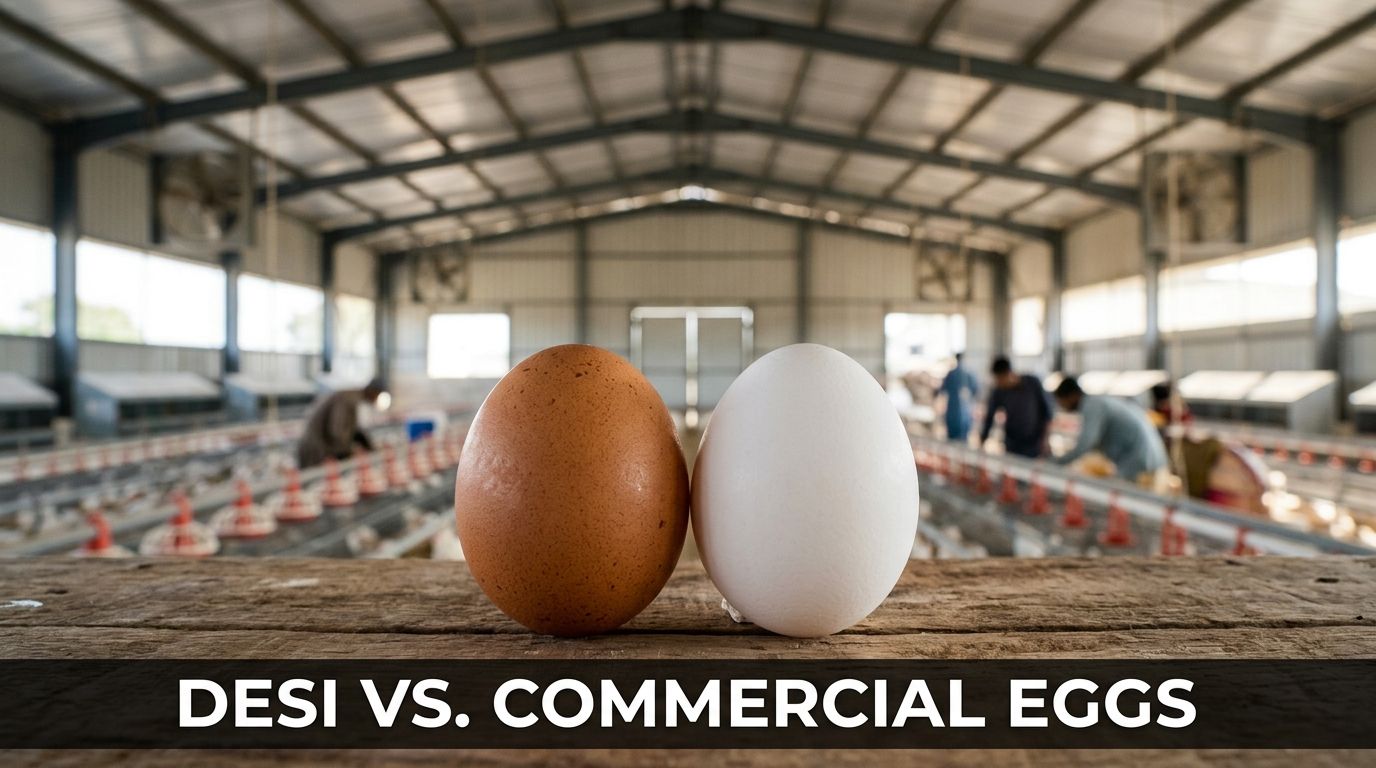
Revenue potential increases due to higher local demand and price premium compared to commercial eggs.
Key cost components:
- Chicks
- Supplemental feed
- Vaccination
- Housing setup
Because Desi chickens scavenge, feed expenditure remains comparatively controlled.
Health & Management Considerations
Desi chickens are generally resistant but require:
- Vaccination (Newcastle, IBD, Fowl Pox)
- Clean water supply
- Parasite control
- Adequate ventilation
Institutions such as Pakistan Agricultural Research Council support poultry improvement research, while FAO livestock programs emphasize biosecurity practices even for small flocks.
Advantages of Desi Chicken Farming
✔ Low capital investment
✔ High egg and meat retail premium
✔ Suitable for rural women and youth entrepreneurship
✔ Reduced dependency on commercial feed
✔ Flexible scalability
Challenges
- Slower growth compared to broilers
- Lower egg volume vs commercial layers
- Predation risk in free-range systems
- Market fluctuation
Profitability depends on cost control and local demand positioning.
Is Desi Chicken Farming Profitable in 2026?
Yes — especially in:
- Rural markets
- Organic niche markets
- Direct-to-consumer sales
Desi eggs and meat command higher prices due to perceived health benefits and taste preference.
Frequently Asked Questions (FAQs)
What is Desi chicken farming?
Desi chicken farming involves raising indigenous or improved local poultry breeds under backyard or semi-intensive systems in Pakistan.
How many eggs does a Desi hen lay?
Traditional breeds produce 60–120 eggs annually, while improved lines may reach 140–180 eggs.
Is Desi chicken farming profitable?
It can be profitable due to premium pricing and low feed costs, especially in rural markets.
What is the lifespan of Desi chickens?
Typically 4–6 years under good management.
What is the biggest advantage of Desi chickens?
Disease resistance and adaptability to low-input systems.
Institutional References
- Pakistan Bureau of Statistics – Livestock contribution data
- Food and Agriculture Organization – Smallholder poultry development reports
- Pakistan Agricultural Research Council – Indigenous poultry improvement research
Key Takeaways
- Desi chicken farming suits low-investment rural models.
- Egg output lower than commercial layers but compensated by premium pricing.
- Improved lines enhance productivity significantly.
- Proper vaccination and management remain essential.
- Growing consumer demand strengthens future outlook.