




The poultry sector stands as a cornerstone of Pakistan's agricultural economy, significantly contributing to food security and rural livelihoods, especially in Punjab. However, operating a successful poultry farm in this dynamic landscape comes with its unique set of challenges—from fluctuating feed prices and disease outbreaks to unpredictable market demand. At Poultry Baba, we understand that effective poultry farm management is not just a best practice; it's the bedrock of sustainable profitability and resilience for our hardworking farmers across Punjab.
This comprehensive guide delves into the essential pillars of poultry farm management, equipping you with the knowledge to optimize your operations, mitigate risks, and ensure a thriving poultry business.
The Pillars of Profitable Poultry Farming in Punjab
Maximizing productivity and profitability requires a holistic approach, integrating several critical management areas. Let's explore each in detail:
1. Uncompromising Biosecurity and Disease Prevention
Disease outbreaks can devastate a flock and lead to catastrophic financial losses. Stringent biosecurity measures are your first line of defense. This involves preventing the introduction of pathogens onto your farm and limiting their spread if an infection occurs.
- Access Control: Restrict entry to authorized personnel only. Implement foot baths and vehicle disinfection at farm entrances.
- Hygiene and Sanitation: Regular cleaning and disinfection of poultry houses, equipment, and water lines.
- Pest and Rodent Control: Implement effective programs to keep wild birds, rodents, and insects away, as they can be disease vectors.
- All-in/All-out System: Depopulate and thoroughly clean houses between flocks to break disease cycles.
2. Optimized Nutrition and Feed Management
Feed constitutes the largest portion (60-70%) of poultry production costs. Efficient feed management is paramount for good growth, egg production, and overall bird health.
- Quality Feed: Source high-quality, balanced feed formulations appropriate for the birds' age and production stage (starter, grower, finisher for broilers; layer mash for layers).
- Proper Storage: Store feed in dry, cool, and rodent-proof areas to prevent spoilage and contamination.
- Water Quality: Ensure a continuous supply of fresh, clean drinking water, as water intake directly impacts feed consumption and digestion.
- Feed Conversion Ratio (FCR): Monitor FCR closely. A lower FCR indicates better feed efficiency and higher profitability.
3. Environmental Control and Housing Design
Maintaining an optimal environment within poultry houses is crucial for bird comfort, health, and productivity, especially given Punjab's varying climatic conditions.
- Temperature and Ventilation: Ensure appropriate temperature ranges and good air circulation to prevent heat stress (common in Punjab summers) or cold stress.
- Litter Management: Keep litter dry and clean to prevent ammonia buildup and reduce respiratory problems and footpad lesions.
- Housing Design: Whether open-sided or climate-controlled, design houses to maximize natural ventilation or optimize mechanical systems for efficiency.
4. Proactive Health Management and Vaccination Programs
A robust health program goes beyond treating sick birds; it focuses on prevention and early detection.
- Vaccination Schedule: Implement a tailored vaccination program against common diseases like Marek's, Newcastle Disease (ND), and Gumboro, as recommended by a local veterinarian.
- Regular Health Checks: Routinely observe your flock for signs of illness or unusual behavior. Isolate sick birds immediately.
- Veterinary Consultation: Establish a relationship with a qualified poultry veterinarian for regular advice and emergency support.
- Responsible Medication Use: Use antibiotics judiciously and only under veterinary guidance to prevent resistance.
5. Meticulous Record Keeping and Data Analysis
Accurate record-keeping is the backbone of informed decision-making. It allows you to track performance, identify trends, and make necessary adjustments.
- Production Records: Document daily feed consumption, water intake, mortality, body weight, and egg production.
- Financial Records: Keep detailed accounts of all expenses (feed, chicks, medicine, labor) and income (sales).
- Analysis: Regularly analyze your data to evaluate performance, pinpoint inefficiencies, and forecast future production and profitability.
6. Market Awareness and Strategic Planning: Navigating Mandi Dynamics
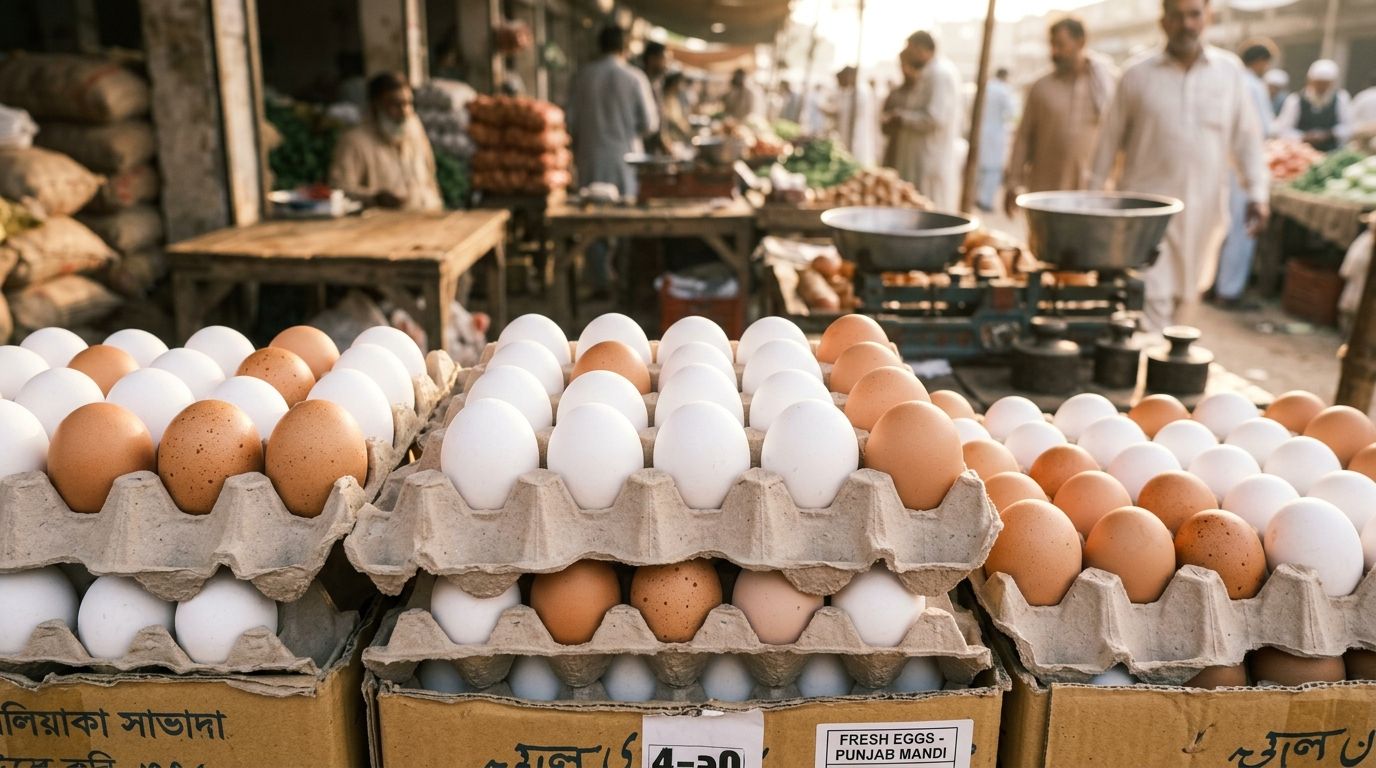
Understanding the poultry market is as important as managing your birds. In Punjab, daily mandi rates are a critical factor influencing sales and revenue.
Effective management includes staying updated on market trends and adjusting your production and selling strategies accordingly. Farmers who consistently produce healthy, well-sized birds or quality eggs through effective management are better positioned to command competitive prices at the daily auctions.
Sourcing and Mandi Dynamics: Poultry Baba plays a pivotal role in providing timely updates on daily mandi auction rates from across Punjab. These rates are influenced by the collective supply from numerous farms, local demand patterns, and the perceived quality of the poultry products. By understanding these dynamics and aiming for consistent quality and quantity through superior farm management, you can make informed decisions on when to sell your produce to maximize profitability.
Conclusion
Successful poultry farm management in Punjab is a dynamic blend of scientific principles, diligent practices, and astute market awareness. By diligently implementing stringent biosecurity, optimizing nutrition, controlling environmental factors, maintaining robust health programs, keeping meticulous records, and staying informed about mandi dynamics, farmers can build resilient and highly profitable poultry operations. Poultry Baba is committed to empowering Punjab's poultry farmers with the knowledge and resources to thrive in this vital industry.