


Poultry Farm Cost in Pakistan: Your Blueprint for Investment and Profitability
Pakistan's poultry industry stands as a cornerstone of its agricultural sector, vital for food security and economic growth. With a rapidly growing population and increasing demand for protein, investing in a poultry farm presents a lucrative opportunity. However, success hinges on a meticulous understanding of the associated costs. This comprehensive guide by Poultry Baba will break down every aspect of poultry farm cost in Pakistan, providing a data-enriched blueprint for both aspiring and established entrepreneurs in the Pakistani, especially Punjab, market.
The Dynamic Pakistani Poultry Landscape: Opportunities and Challenges
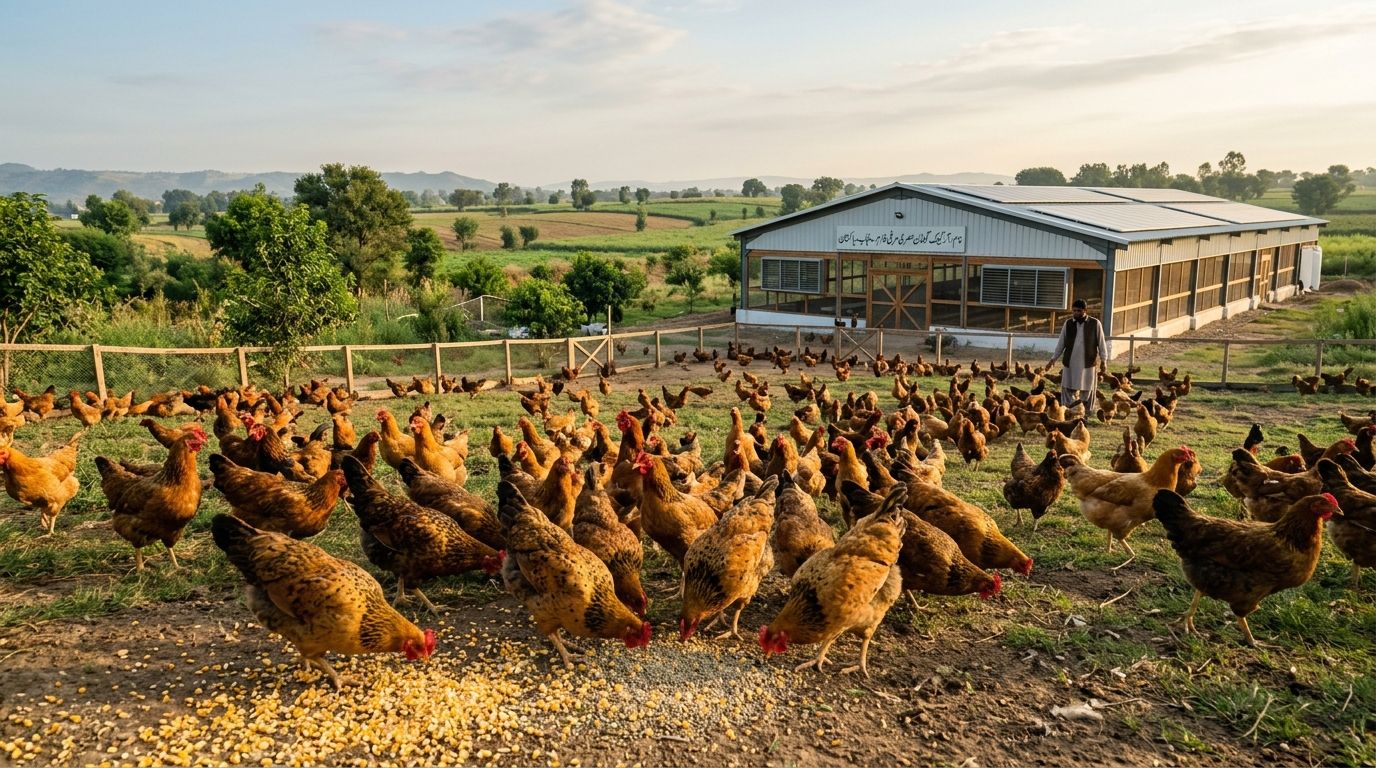
The poultry sector in Pakistan has witnessed exponential growth, contributing significantly to the national GDP and creating millions of jobs. Broiler chicken and eggs are staple dietary components, ensuring a consistent market demand. However, the industry is not without its challenges, including fluctuating input costs (especially feed), disease outbreaks, and market price volatility. A thorough cost analysis is paramount to navigate these complexities and ensure sustainable profitability.
Decoding Poultry Farm Costs in Pakistan: A Detailed Breakdown
Starting a poultry farm involves significant capital outlay and recurring operational expenses. We categorize these into capital investment (one-time setup costs) and operational expenses (recurring costs).
Capital Investment: Setting Up Your Poultry Farm
These are the initial, one-time expenditures required to establish your farm infrastructure.
1. Land Acquisition and Shed Construction
- Land Cost: Location is key. Rural areas typically offer more affordable land than peri-urban vicinities. Costs vary dramatically. Buying land can range from PKR 1 million to 3 million+ per acre in suitable rural areas of Punjab, while leasing might cost PKR 10,000 to 30,000 per month per acre, depending on proximity to markets and utilities.
- Shed Construction: The type of shed directly impacts initial investment and long-term operational efficiency.
- Open-sided Sheds: Simplest and cheapest. Cost approximately PKR 400-600 per bird capacity. Suitable for smaller scale, but susceptible to environmental fluctuations.
- Semi-controlled Sheds: Incorporate curtains, exhaust fans, and foggers for better climate control. Cost around PKR 700-1000 per bird capacity. Offers a balance between cost and efficiency.
- Environmental Controlled (EC) Sheds: Fully enclosed, automated climate control systems (temperature, humidity, ventilation). Highest initial cost, ranging from PKR 1200-1800+ per bird capacity. However, they offer superior FCR, lower mortality, and consistent production, leading to higher profitability in the long run.
- Materials & Labor: Costs for steel structure, concrete, roofing (tin/asbestos), and skilled/unskilled labor for construction are factored into the per-bird capacity rates.
2. Equipment and Machinery
Essential for farm operations and bird welfare:
- Feeders & Waterers: Manual options are cheaper (PKR 50-100/bird), while automated systems (pan feeders, nipple drinkers) are more expensive (PKR 150-300+/bird) but save labor and improve hygiene.
- Ventilation Systems: Fans, foggers, evaporative cooling pads (for semi-controlled and EC sheds).
- Brooders/Heaters: Gas brooders or electric heaters for chick brooding (PKR 5-15/chick initial setup).
- Generators: Essential for power backup due to frequent outages. Cost varies by capacity (PKR 100,000 to 500,000+).
- Feed Storage Silos: For larger farms, reduce waste and ensure fresh feed.
- Miscellaneous: Scales, cleaning equipment, office furniture.
Total equipment cost can range from PKR 200-500 per bird capacity depending on the level of automation and farm size.
Operational Expenses: The Recurring Investment
These are the day-to-day costs essential for keeping your farm running and profitable.
1. Day-Old Chicks (DOCs)
The foundation of your flock. DOC prices in Pakistan fluctuate based on demand, supply, and hatchery rates. For broilers, prices typically range from PKR 40-90 per chick. Layer DOCs are generally more expensive. Sourcing from reputable hatcheries like K&N's, Big Bird, Jadeed, or Hi-Tech ensures healthy, genetically superior chicks, leading to better growth rates and FCR.
2. Poultry Feed: The Dominant Cost
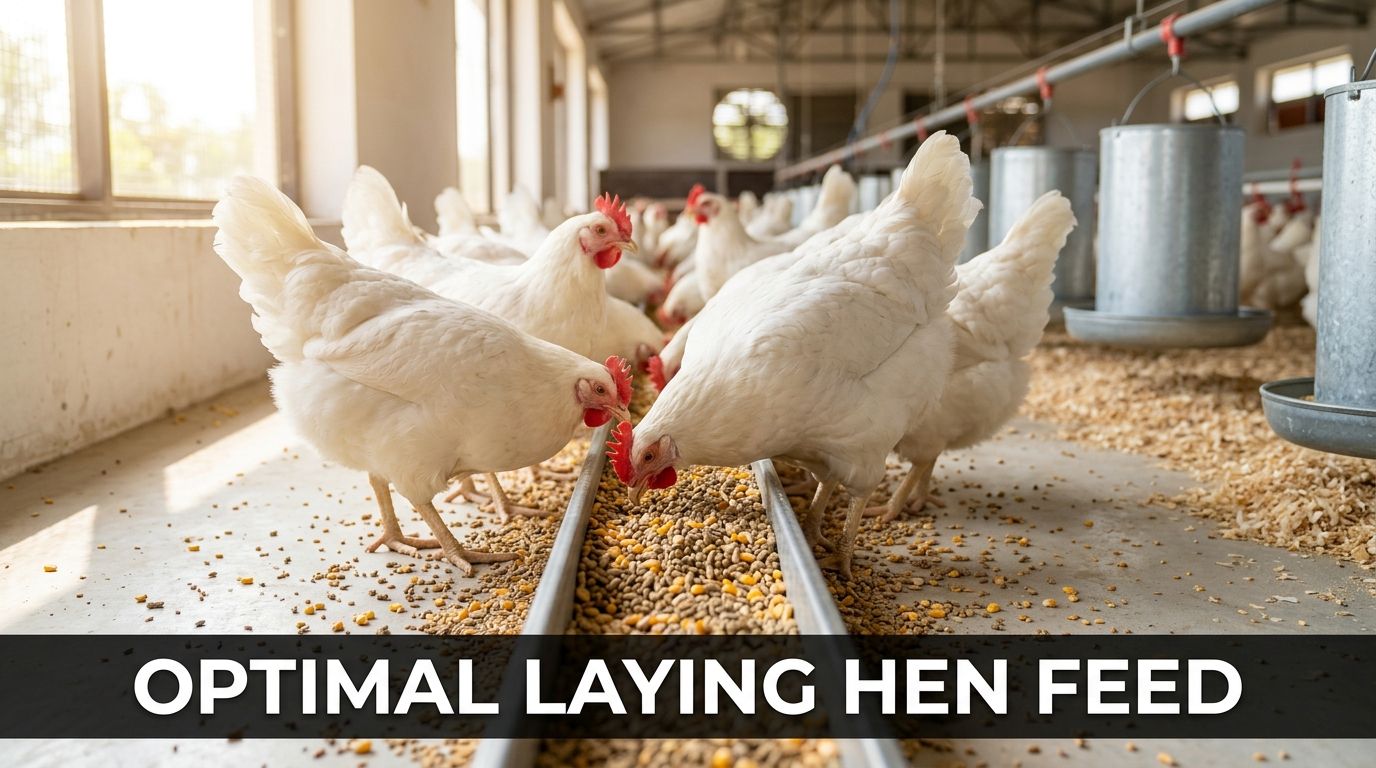
Feed is by far the largest operational expense, accounting for 60-70% of the total recurring costs. Its cost is heavily influenced by raw material prices (corn, soybean meal) and international market trends.
- Types: Broiler feed comes in Starter, Grower, and Finisher stages, each with specific nutritional profiles. Layer farms use different feeds for pullets and laying hens.
- Price per Kg: Currently, feed prices range from PKR 80-110 per kg in Pakistan, with significant brand and type variations.
- Feed Conversion Ratio (FCR): This metric is crucial for profitability. A good FCR (e.g., 1.5-1.7 for broilers) means less feed is required to produce 1 kg of meat. Efficient management and quality feed directly impact FCR.
- Brands: Popular feed mills include National Feed, Hi-Tech Feed, Jadeed Feed, and Asia Feed.
3. Vaccination and Medicines
Disease prevention is paramount. A comprehensive vaccination schedule protects against common poultry diseases like Newcastle Disease (ND), Infectious Bursal Disease (IBD), and Infectious Bronchitis (IB). Costs for vaccines and basic medicines typically range from PKR 5-15 per bird per cycle. This includes vet consultation fees.
4. Labor Costs
The number of workers depends on farm size and level of automation. A manager, along with several farmhands, is typically required. Wages vary by region and skill, ranging from PKR 20,000 to 40,000 per worker per month. For a 5,000-bird farm, at least 2-3 workers might be needed.
5. Utilities
Electricity for lighting, ventilation, and heating; water for drinking and cooling systems. Fuel for generators is also a significant cost due to load shedding. Per bird, per cycle utility costs can be estimated at PKR 5-10.
6. Miscellaneous and Contingency
This category covers unforeseen expenses, transportation of feed and birds, waste disposal, marketing costs, and minor repairs. It's prudent to allocate 5-10% of total operational costs for contingencies.
Understanding Cost Variation by Farm Scale and Type
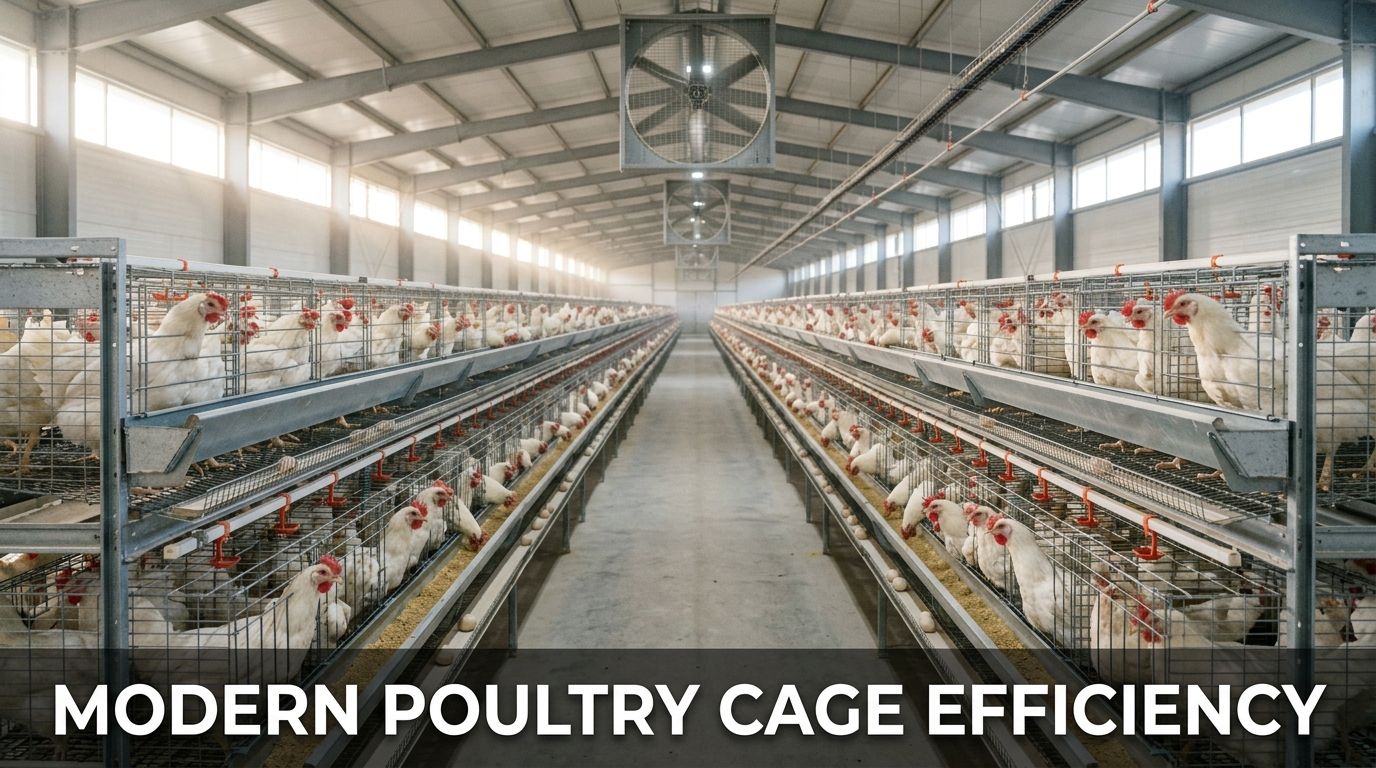
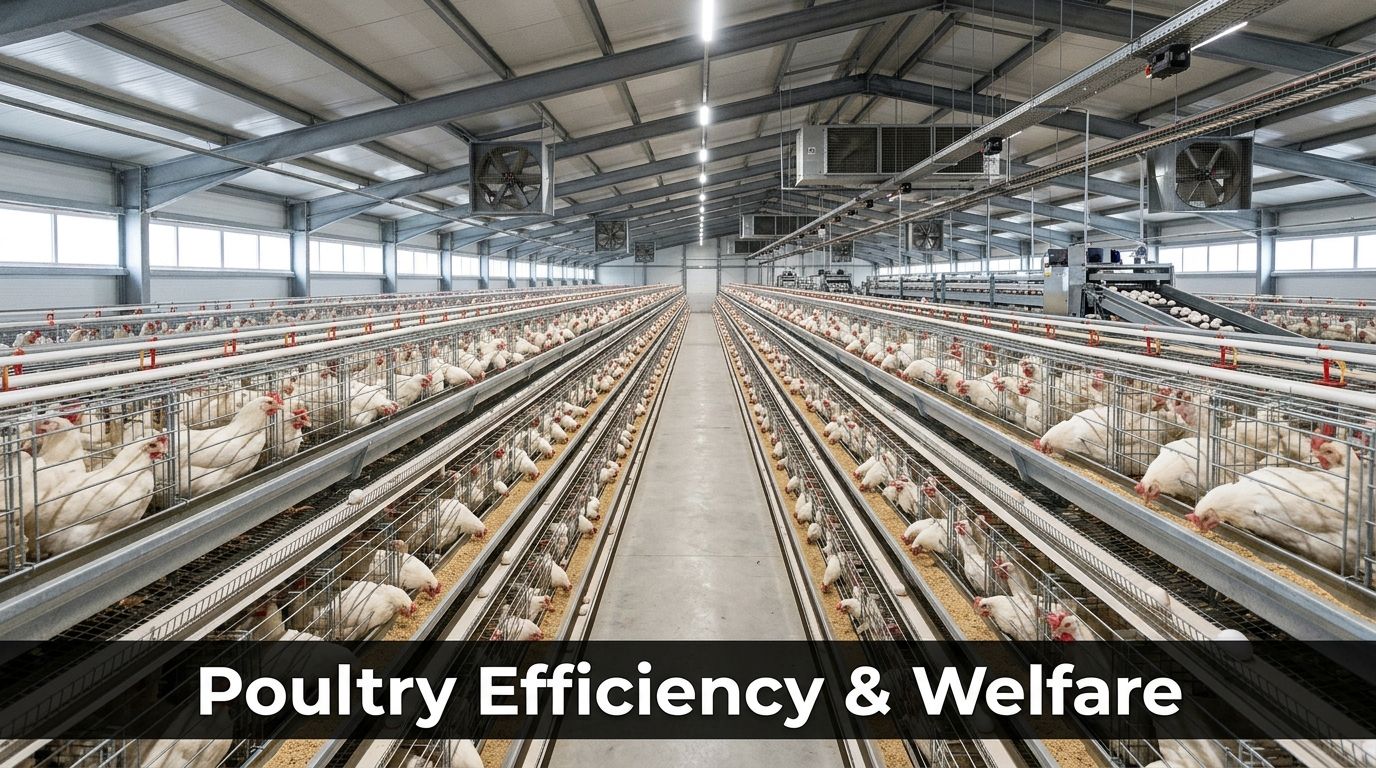
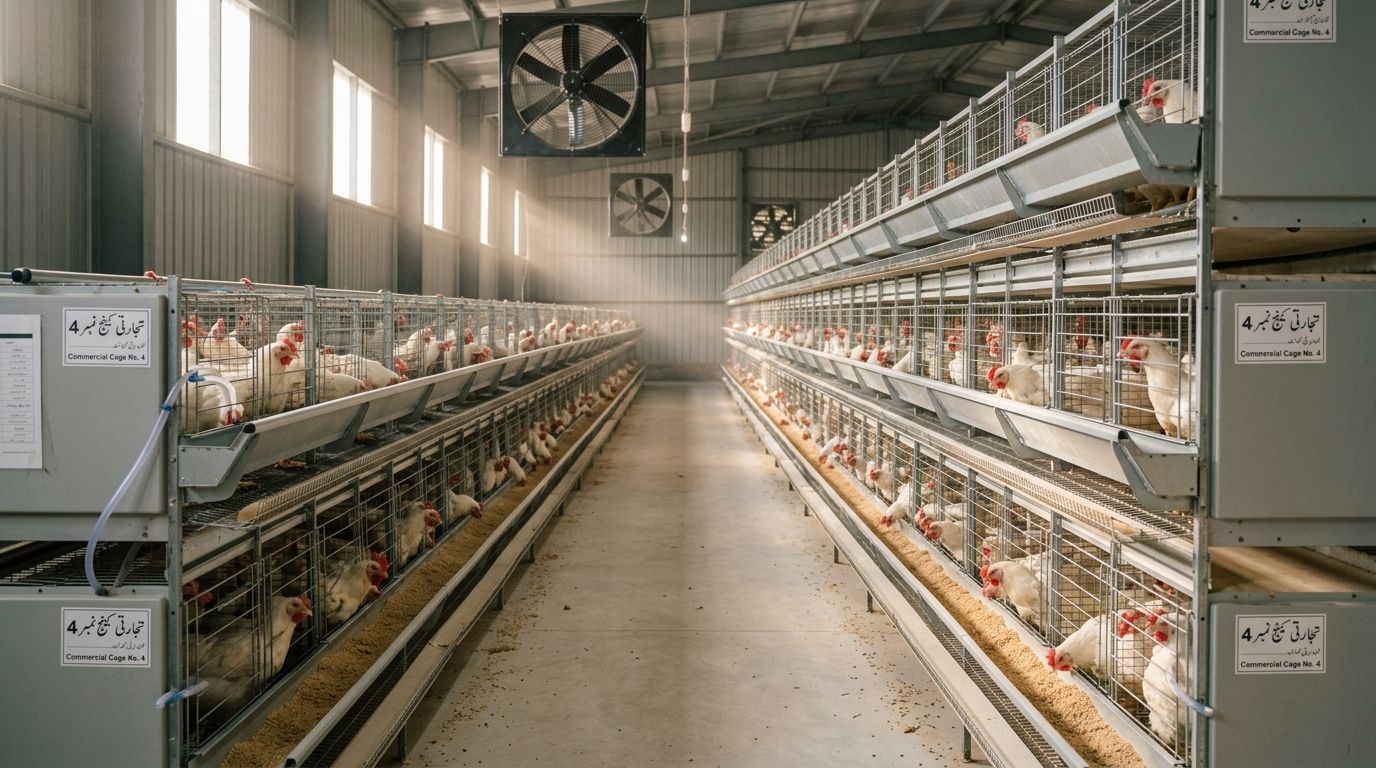
The 'per bird' cost often decreases with economies of scale. A 10,000-bird farm might have a lower per-bird capital investment than a 1,000-bird farm due to bulk purchasing discounts and more efficient use of resources. Layer farms have a different cost structure, with higher initial investments (cages, automated egg collection) but a longer production cycle and stable egg income.
Mandi Dynamics and Sourcing Impact on Profitability
The cost of raw materials for feed (corn, soybean) is heavily influenced by local harvests and international commodity prices. Sourcing high-quality raw materials efficiently can reduce feed costs. On the sales side, understanding mandi (market) dynamics is crucial. Live bird prices at mandis in Punjab (e.g., Lahore, Faisalabad, Rawalpindi) fluctuate daily based on demand and supply. Direct sales to wholesalers or retailers can sometimes fetch better prices than mandi auctions, but require robust distribution channels. Poultry Baba provides daily market updates to help farmers make informed selling decisions.
Calculating Potential Returns and Profitability
To assess profitability, one must calculate the net profit by subtracting total costs (amortized capital costs + operational costs) from total revenue (sale of live birds or eggs). While a 40-45 day broiler cycle can yield quick returns, profitability is highly sensitive to input prices and market selling rates. A typical profit margin for broilers can range from PKR 20-50 per bird, but this is highly variable.
Leveraging Technology and Best Practices for Cost Efficiency
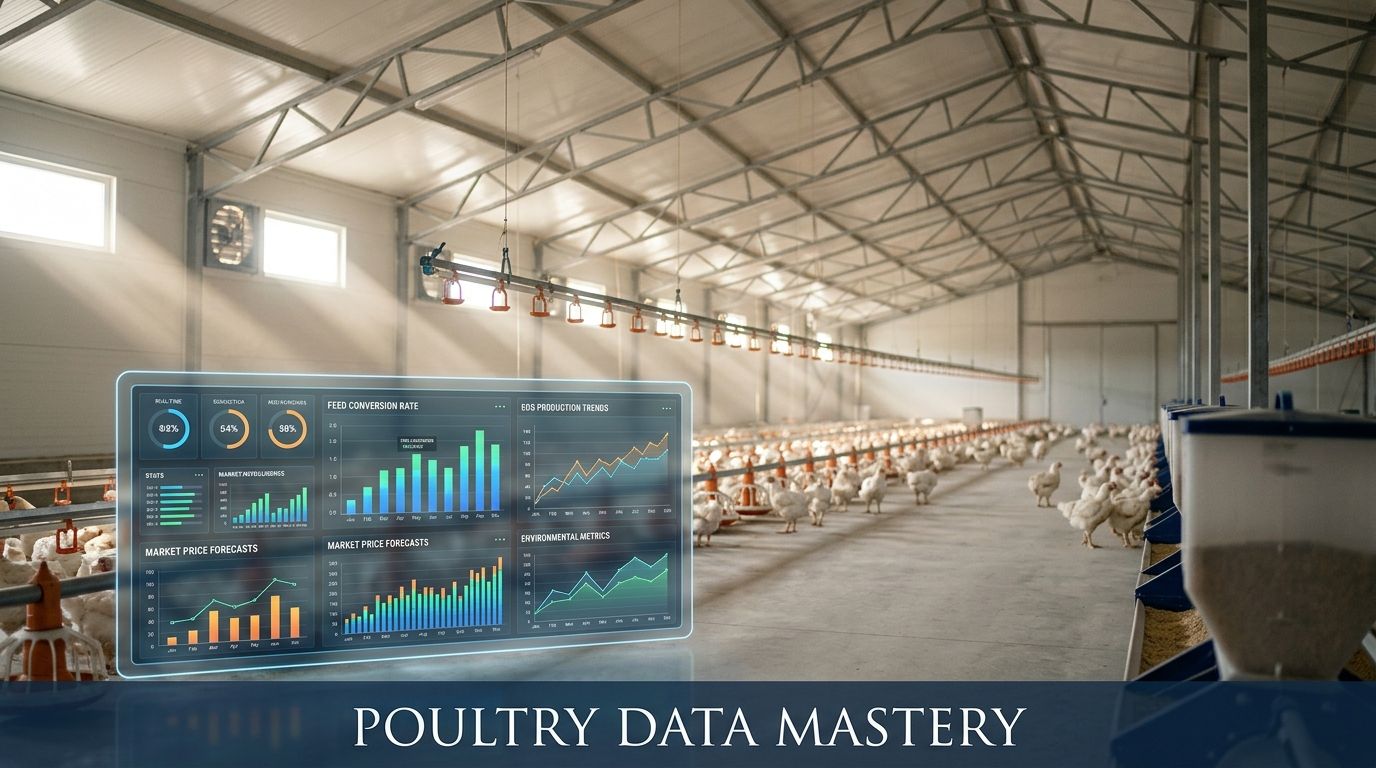
Modern poultry farming embraces technology to optimize costs. Automated feeding and watering systems reduce labor. Climate control ensures optimal growth conditions, minimizing feed wastage and disease. Data management helps in tracking FCR, mortality, and feed consumption, allowing for timely adjustments. Adopting strong biosecurity protocols, proper feed storage, and efficient waste management are also critical for cost control.
Poultry Baba's Role in Empowering Pakistani Farmers
At Poultry Baba, we are committed to empowering Pakistani poultry farmers with real-time market data, expert insights, and best practices. Our platforms provide up-to-date information on market rates, feed prices, and industry trends, enabling farmers to make informed decisions that enhance their profitability and sustainability.
Conclusion
Investing in a poultry farm in Pakistan offers significant potential, but it demands thorough planning and an acute awareness of all associated costs. From the initial capital outlay for land and infrastructure to the recurring operational expenses of feed, chicks, and labor, every component impacts your bottom line. By meticulously analyzing these costs, leveraging technology, and adopting best management practices, aspiring and existing poultry farmers can build sustainable and highly profitable ventures in Pakistan's dynamic poultry sector. Poultry Baba remains your trusted partner in this journey, providing the data and insights you need to succeed.