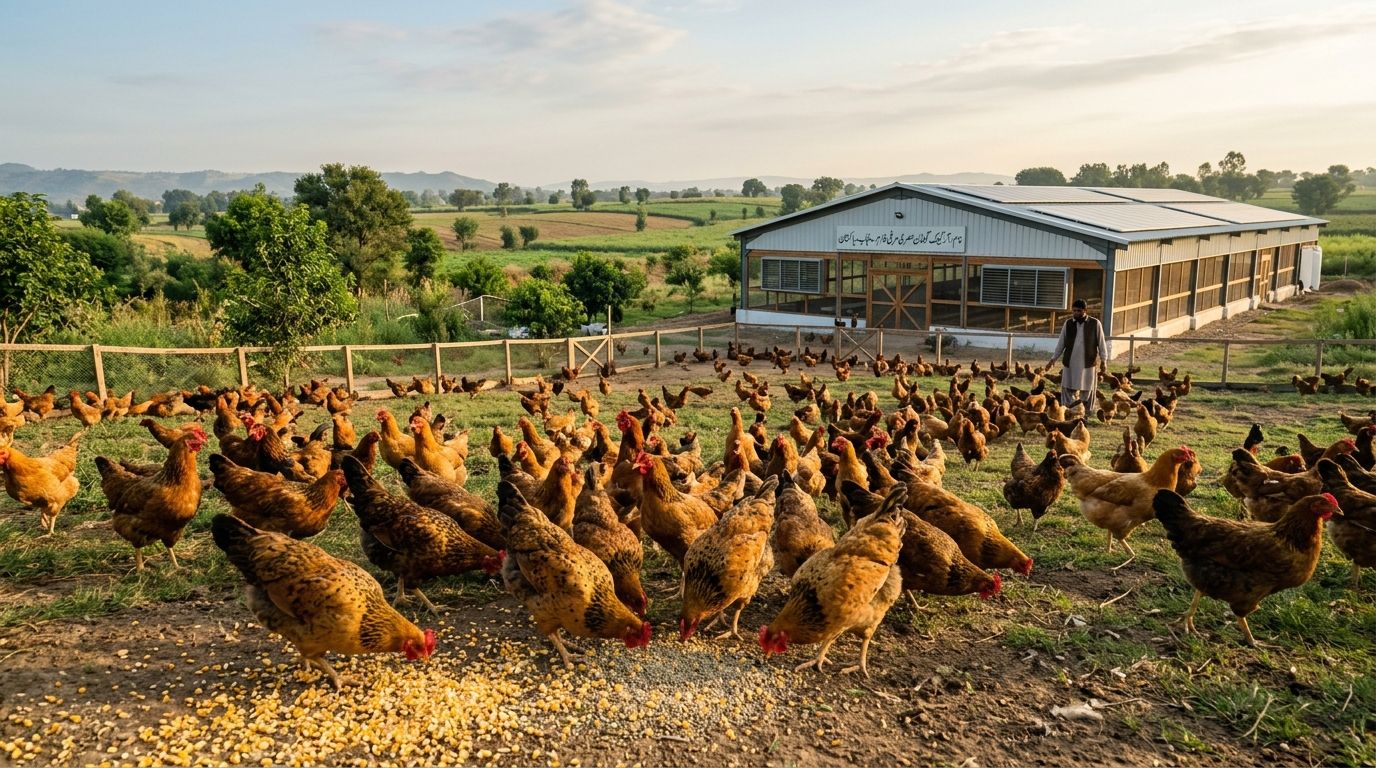



Introduction to Poultry Farming Technology Trends in Pakistan
Starting a Poultry Business in Pakistan: A Beginner's Guide
While modern technology is transforming established poultry operations, newcomers to Pakistan's poultry sector must navigate a careful balance between innovation adoption and practical business fundamentals. The integration of advanced systems doesn't eliminate the need for solid foundational planning—it amplifies the importance of getting the basics right.
Initial planning requires thorough market research andHow Technology Impacts the Poultry Industry in Pakistan
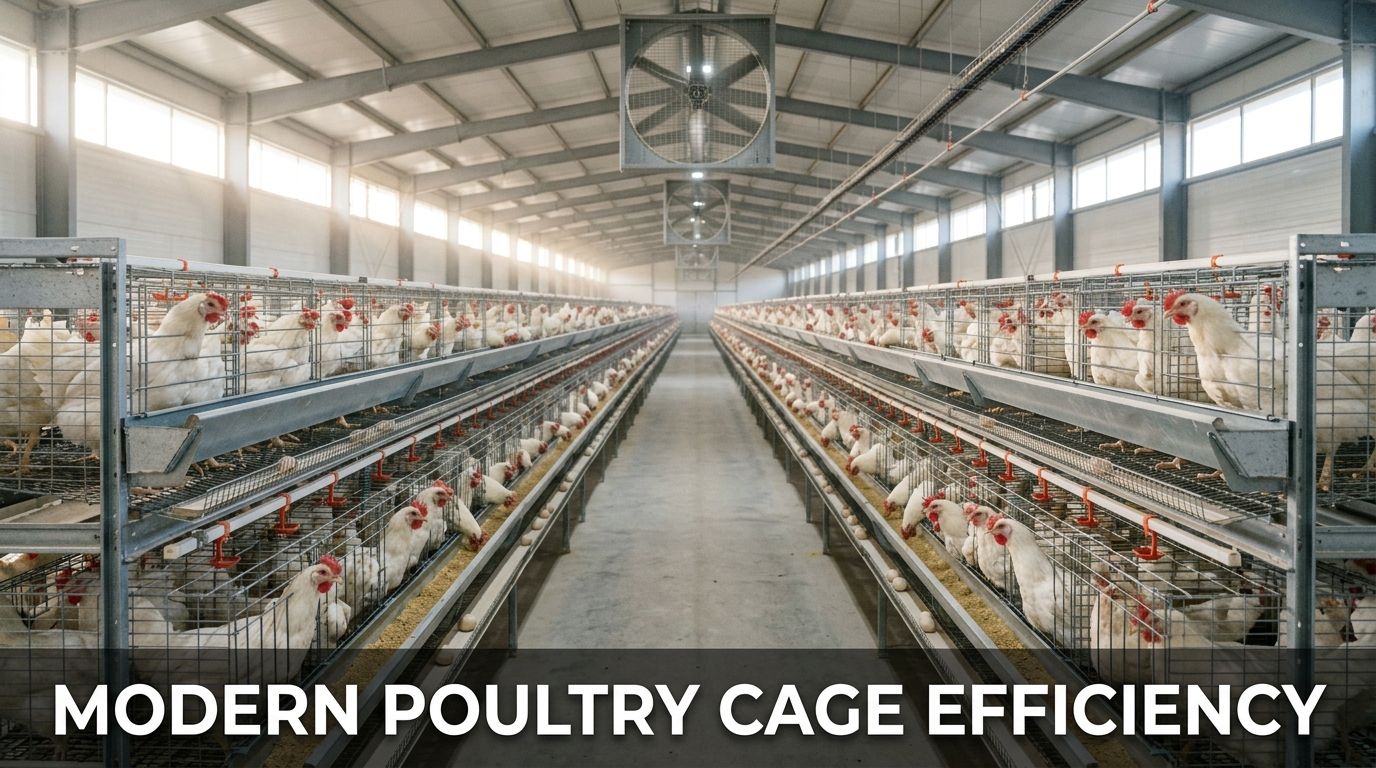
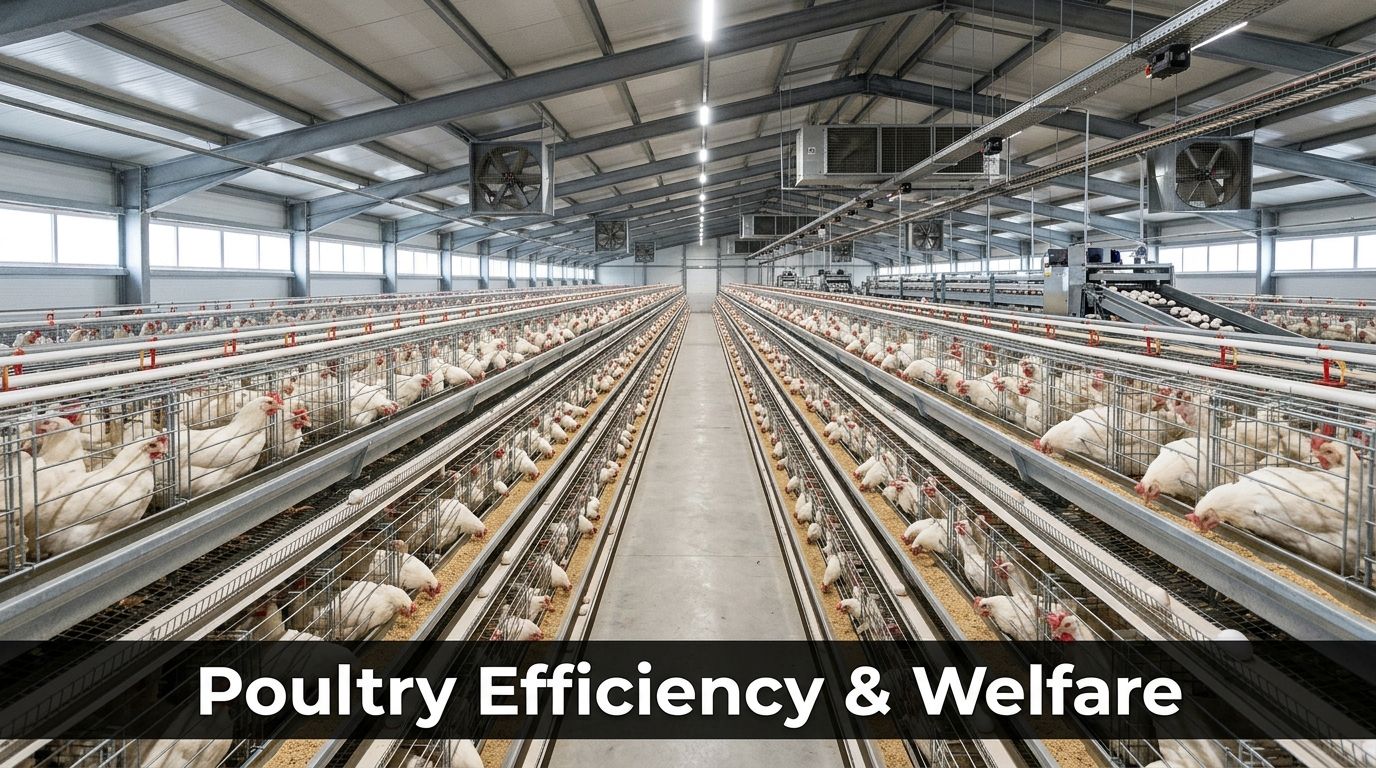
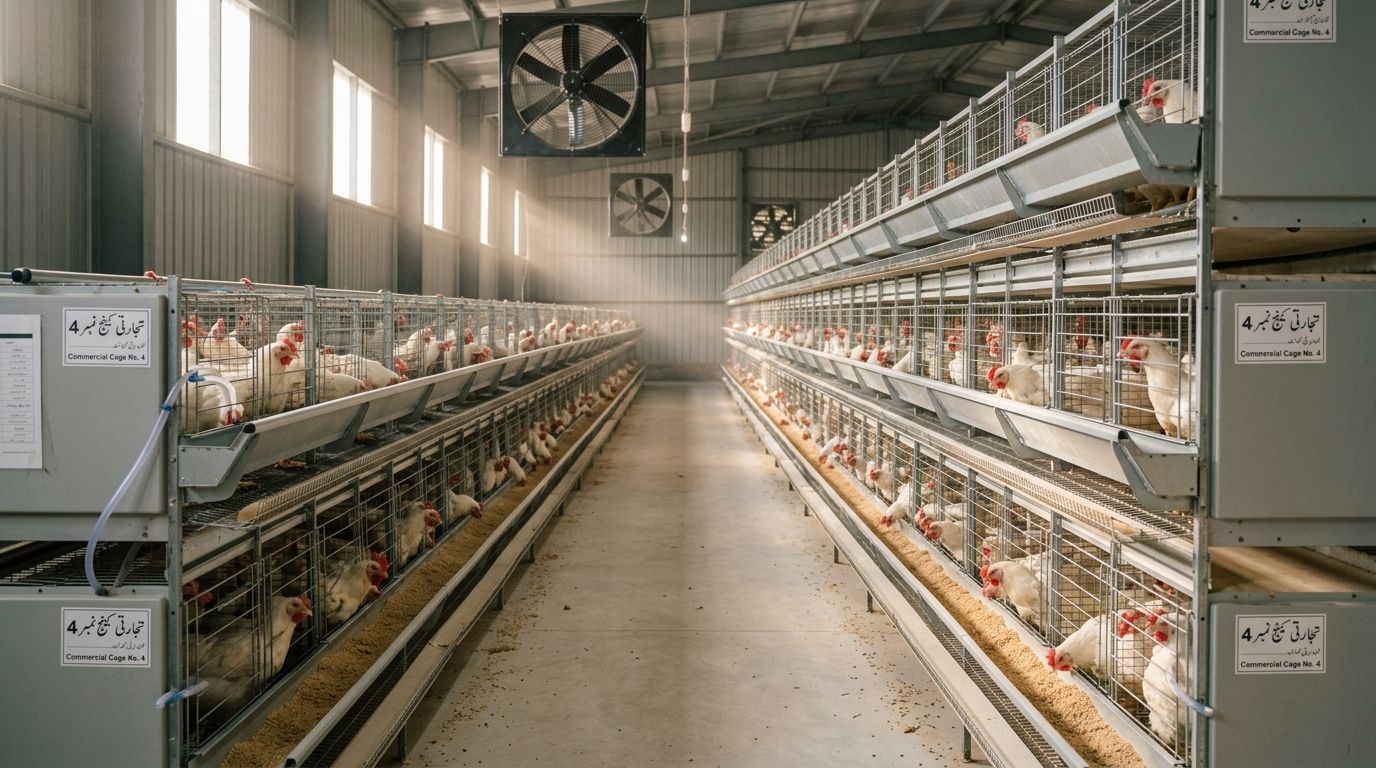
The technological transformation sweeping through Pakistan's poultry sector is fundamentally reshaping how farmers approach production, efficiency, and profitability. Automation in poultry farming has emerged as a game-changer, with control systems managing everything from feed distribution to environmental monitoring with minimal human intervention.
According to industry analysis, electric control systems are unlocking significant growth potential by optimizing energy consumption and reducing operational costs. These systems enable precise management of temperature, humidity, and lighting—critical factors that directly impact bird health and productivity.
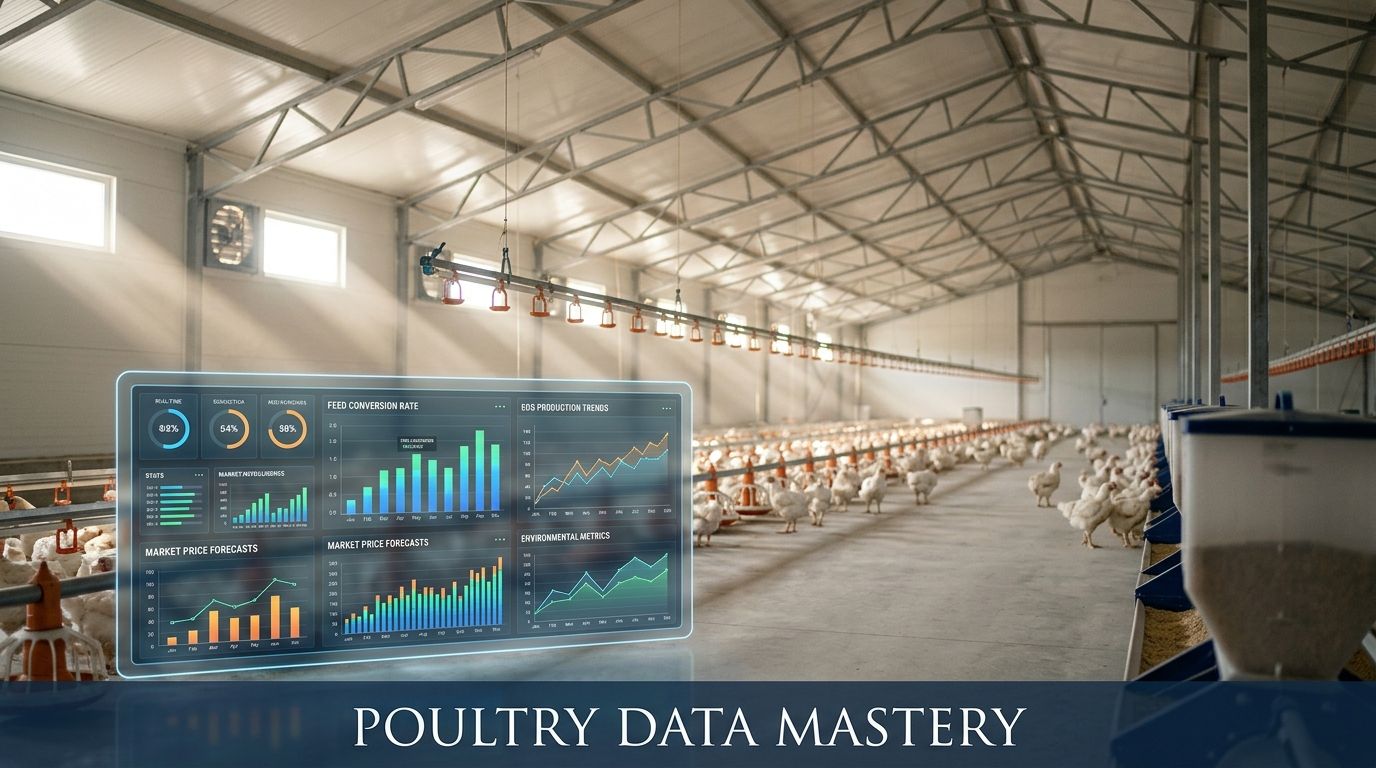
Digital technologies are particularly transformative in addressing Pakistan's unique challenges. The integration of IoT sensors and data analytics allows farmers to monitor thousands of birds remotely, identifying health issues before they become costly problems. This technology-driven approach is especially valuable in a country where skilled labor shortages and extreme weather conditions can severely impact traditional farming operations.
However, the impact extends beyond individual farms. Technology adoption in Pakistan's poultry sector is being viewed as a strategic solution to national protein gaps and malnutrition challenges, positioning the industry as a key contributor to food security.
For entrepreneurs considering entry into this evolving landscape, understanding these technological foundations becomes essential for building competitive operations. financial preparation. Understanding local demand patterns, feed supply chains, and regulatory requirements forms the cornerstone of any successful venture. New farmers should start with smaller operations to learn the intricacies before scaling up with technology investments.
The technology adoption pathway for beginners typically follows a graduated approach. Basic environmental controls and automated feeding systems offer immediate returns on investment, while more sophisticated solutions like AI welfare monitoring systems can be integrated as operations mature and cash flow stabilizes.
Location selection becomes even more critical when planning for future technology integration. Sites need reliable electricity, internet connectivity, and proximity to veterinary services. Digital technologies can reshape livestock farming, but only when proper infrastructure supports their implementation.
Financing strategies should account for both immediate setup costs and technology upgrade pathways. Many successful operators recommend allocating 15-20% of initial capital for gradual technology adoption over the first three years.
However, even the most well-planned ventures face implementation challenges that can derail success if not properly addressed.
Challenges and Solutions in Implementing Poultry Technologies
While the promise of modern poultry technology is compelling, Pakistani farmers face significant hurdles in adoption. The primary challenge remains financial accessibility, with many small-scale operations struggling to justify the upfront investment in automated systems and digital monitoring tools.
Infrastructure limitations present another substantial barrier. Rural areas often lack reliable internet connectivity and stable power supply, making sophisticated IoT devices and cloud-based management systems impractical. However, innovative solutions are emerging to bridge this gap.
Mobile-first approaches are proving particularly effective in Pakistan's context. Simple SMS-based alert systems for disease detection biosecurity poultry protocols allow farmers to receive critical health notifications without requiring constant internet access. These systems can trigger alerts when temperature fluctuations or behavioral patterns suggest potential disease outbreaks.
Training and technical support remain crucial for successful implementation. Many farmers report feeling overwhelmed by complex interfaces, leading to underutilization of purchased equipment. Forward-thinking technology providers are responding with localized training programs and simplified user interfaces designed specifically for Pakistani farmers.
Financial solutions are also evolving, with equipment leasing programs and government subsidies making technology more accessible. Some companies offer graduated implementation plans, allowing farmers to start with basic monitoring systems, and gradually expand capabilities as they see returns on investment. These adaptive approaches suggest that while challenges exist, practical solutions are creating pathways for broader technology adoption across Pakistan's diverse poultry landscape, setting the stage for significant industry transformation.
Future Predictions for the Poultry Industry in 2026
Pakistan's poultry industry stands at the threshold of a technological revolution, with 2026 marking a pivotal year for widespread adoption of advanced systems. The convergence of economic pressures, regulatory changes, and technological maturity is creating an environment ripe for transformation.
Cold chain technology poultry systems will become the backbone of Pakistan's expanding export ambitions. As the country seeks to tap into regional markets, maintaining product quality from farm to consumer becomes non-negotiable. Industry forecasts suggest that integrated cold storage and transportation networks will reduce post-harvest losses by up to 25% within the next two years.
The Pakistan Poultry, Dairy & Agriculture Expo 2026 represents more than just an industry gathering—it signals the sector's commitment to technological modernization. This landmark event is expected to catalyze partnerships between international technology providers and local farms, accelerating the adoption timeline significantly.
However, the path forward isn't without complexity. While larger commercial operations will likely embrace comprehensive automation, smaller farms may adopt hybrid approaches—combining select technologies with traditional methods. The industry's evolution will be gradual but steady, driven by economic necessity rather than mere technological curiosity.
This technological shift brings important considerations about implementation challenges and potential limitations that farmers must carefully evaluate.
Trust Considerations: Limitations and Alternative Approaches
While Pakistan's poultry technology transformation holds immense promise, farmers must approach adoption with realistic expectations and careful planning. Not every technological solution fits every farm's unique circumstances, and rushing into implementation without proper assessment can lead to costly mistakes.
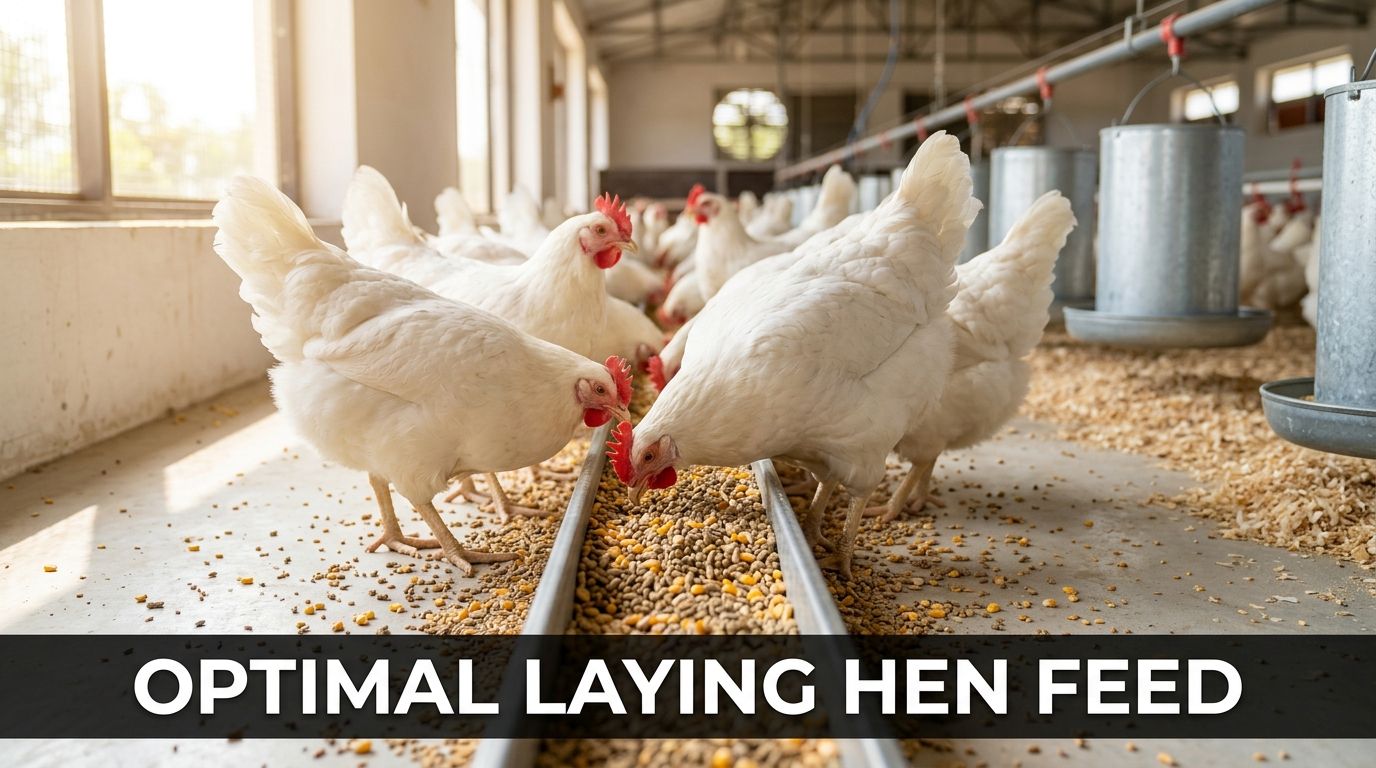
The most significant limitation remains the infrastructure gap between urban and rural areas. Advanced feed optimization nutrition poultry systems require reliable internet connectivity and consistent power supply—resources that remain inconsistent in many agricultural regions. Small-scale farmers, who represent the majority of Pakistan's poultry operations, may find the initial investment overwhelming despite long-term benefits.
Alternative approaches deserve consideration. Rather than implementing complete technological overhauls, farmers can adopt a phased integration strategy. Starting with basic automation like temperature control systems before advancing to AI-powered analytics creates a more manageable learning curve. Cooperative farming models also show promise, where multiple small farms share technology costs and expertise.
However, avoiding technology altogether isn't viable long-term. The competitive pressures and efficiency demands of modern poultry farming make some level of technological adoption inevitable. The key lies in selecting solutions that align with current capabilities while building toward future expansion.
These considerations set the foundation for making informed decisions about Pakistan's poultry future.
Key Poultry Farming Technology Trends 2026 Takeaways
Pakistan's poultry farming landscape is poised for unprecedented transformation by 2026, driven by smart automation, precision monitoring, and sustainable practices. The convergence of IoT sensors, AI-powered analytics, and automated feeding systems promises to revolutionize how farmers manage their operations, potentially increasing productivity while reducing costs.
The most significant shift will be the democratization of advanced technology. What once required substantial capital investment is becoming increasingly accessible through modular solutions and government support programs. Small-scale farmers can now leverage sophisticated monitoring tools and data-driven insights that were previously exclusive to large commercial operations.
However, successful adoption hinges on strategic planning and realistic expectations. Farmers must carefully evaluate their specific needs, infrastructure capabilities, and technical support availability before committing to new technologies. The integration of modern poultry farm websites and digital platforms will become crucial for accessing real-time market data and connecting with supply chain partners.
The path forward requires balancing innovation with practicality. As Pakistan's poultry industry embraces these technological advances, the focus should remain on solutions that deliver measurable improvements in bird welfare, operational efficiency, and environmental sustainability. The farmers who thrive in 2026 will be those who thoughtfully integrate technology while maintaining strong foundational farming practices.
The future of Pakistani poultry farming isn't just about adopting new tools—it's about building a more resilient, profitable, and sustainable industry for generations to come.