

Poultry Feed: Complete Guide to Types, Ingredients, Formulation and Pakistan Industry Insights
Poultry feed is the single most important factor determining the productivity, health, and profitability of a poultry farm. In commercial poultry production, feed typically represents 60–70% of total production costs, making feed quality and formulation a strategic decision rather than a routine expense.
Whether farmers raise broilers, layers, breeders, ducks, or other poultry species, nutritional management directly influences growth rate, feed conversion ratio (FCR), egg production, immunity, and overall farm performance. A balanced poultry diet ensures birds receive the correct proportions of energy, protein, amino acids, vitamins, minerals, and water required at each production stage.
In Pakistan, the poultry sector has evolved into one of the country’s most organized livestock industries, supported by feed mills, hatcheries, research institutions, and private integrators. Institutions such as the Pakistan Poultry Association (PPA), University of Agriculture Faisalabad (UAF), National Institute of Food Science & Technology, and the Ministry of National Food Security & Research consistently emphasize scientifically formulated feed as the foundation of sustainable poultry production.
What Is Poultry Feed?
Poultry feed refers to scientifically formulated rations designed to meet the nutritional requirements of birds at different stages of growth and production. Historically, poultry relied on scavenging grains and insects, but modern commercial poultry requires precise feed formulations to optimize performance and reduce production risk.
Today’s feeds combine grains, protein meals, fats, minerals, vitamins, enzymes, and additives to achieve targeted nutritional outcomes such as faster growth, improved egg shell quality, and better disease resistance.
Types of Poultry Feed (Production Stage Based)
Modern poultry nutrition follows stage-specific feeding programs.
Research from UAF poultry nutrition programs highlights that stage-specific feeding significantly improves FCR and reduces mortality.
Commercial poultry feed relies on a combination of energy sources, protein sources, and supplements.
Energy Sources
- Maize (primary energy ingredient globally and in Pakistan)
- Wheat
- Rice polishing
- Sorghum
Protein Sources
- Soybean meal (dominant protein source)
- Canola meal
- Sunflower meal
- Fish meal
- Vitamins & minerals
- Amino acids (lysine, methionine)
- Enzymes
- Calcium sources (limestone, oyster shell)
According to Pakistan Poultry Association feed cost analysis, maize and soybean meal alone often account for more than 60% of feed formulation cost.
Ingredient Comparison (Nutritional Perspective)
Poultry Feed Formulation Basics
Feed formulation balances nutrients rather than ingredients alone. Key formulation factors include:
- Bird age and production stage
- Growth rate targets
- Egg production goals
- Climate conditions
- Ingredient availability
- Cost optimization
Pakistani feed mills increasingly use least-cost formulation software, a practice recommended by UAF nutrition research and industry integrators to maintain profitability during raw-material volatility.
The poultry feed sector has experienced rapid technological improvements:
- Enzyme supplementation for better nutrient absorption
- Precision nutrition programs
- Mycotoxin binders to reduce feed contamination risk
- Alternative protein ingredients
- Digital feed formulation systems
Industry reports from the Ministry of National Food Security & Research note that feed innovation is central to improving national poultry productivity and food security.
Feed Management and Safety
Feed hygiene directly affects bird health. Poor storage leads to fungal growth and mycotoxin contamination — one of the most common causes of production losses.
Best practices include:
- Keeping feed dry and ventilated
- Using proper storage bins
- Monitoring moisture levels
- Regular mycotoxin control
- Clean feeding equipment
Research from Pakistani veterinary universities identify mycotoxins as a major hidden cost in poultry production.
Feeding Systems: Small vs Commercial Farms
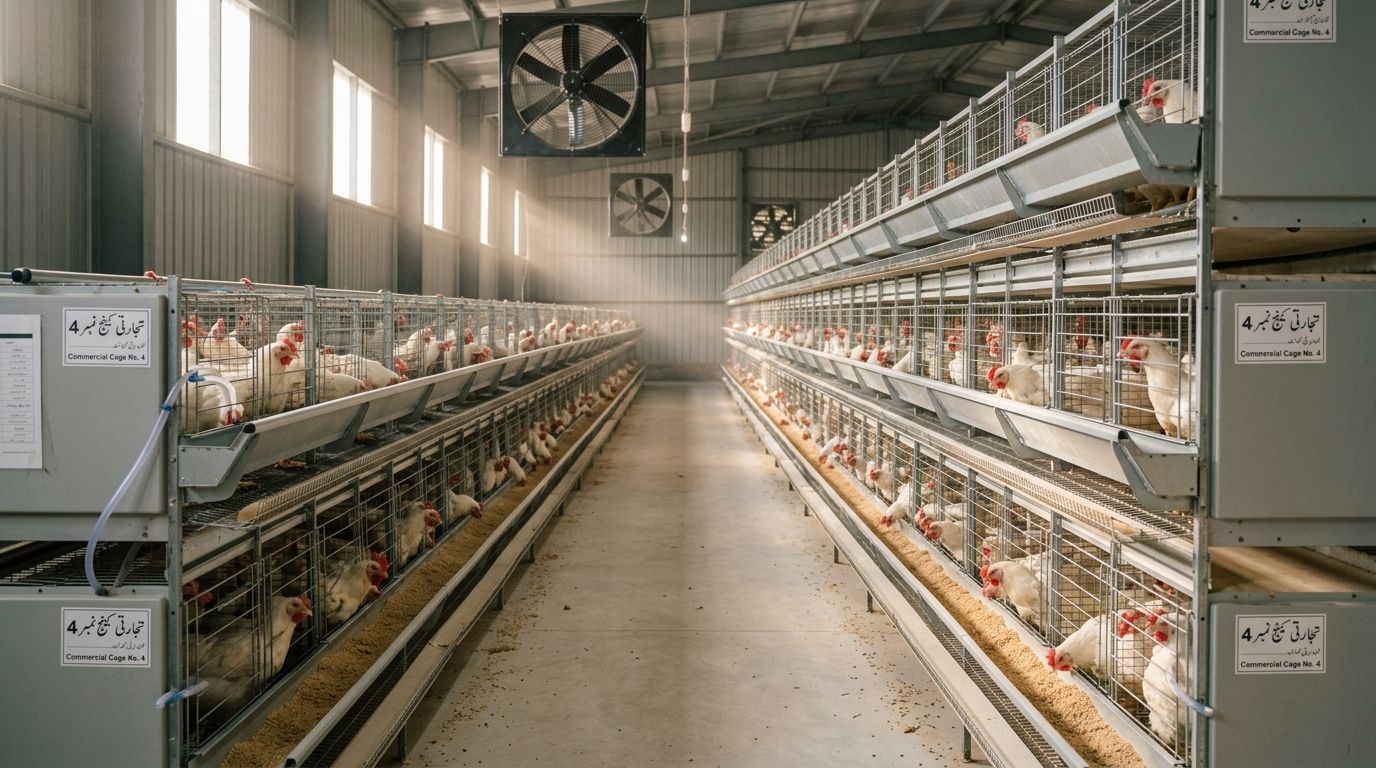
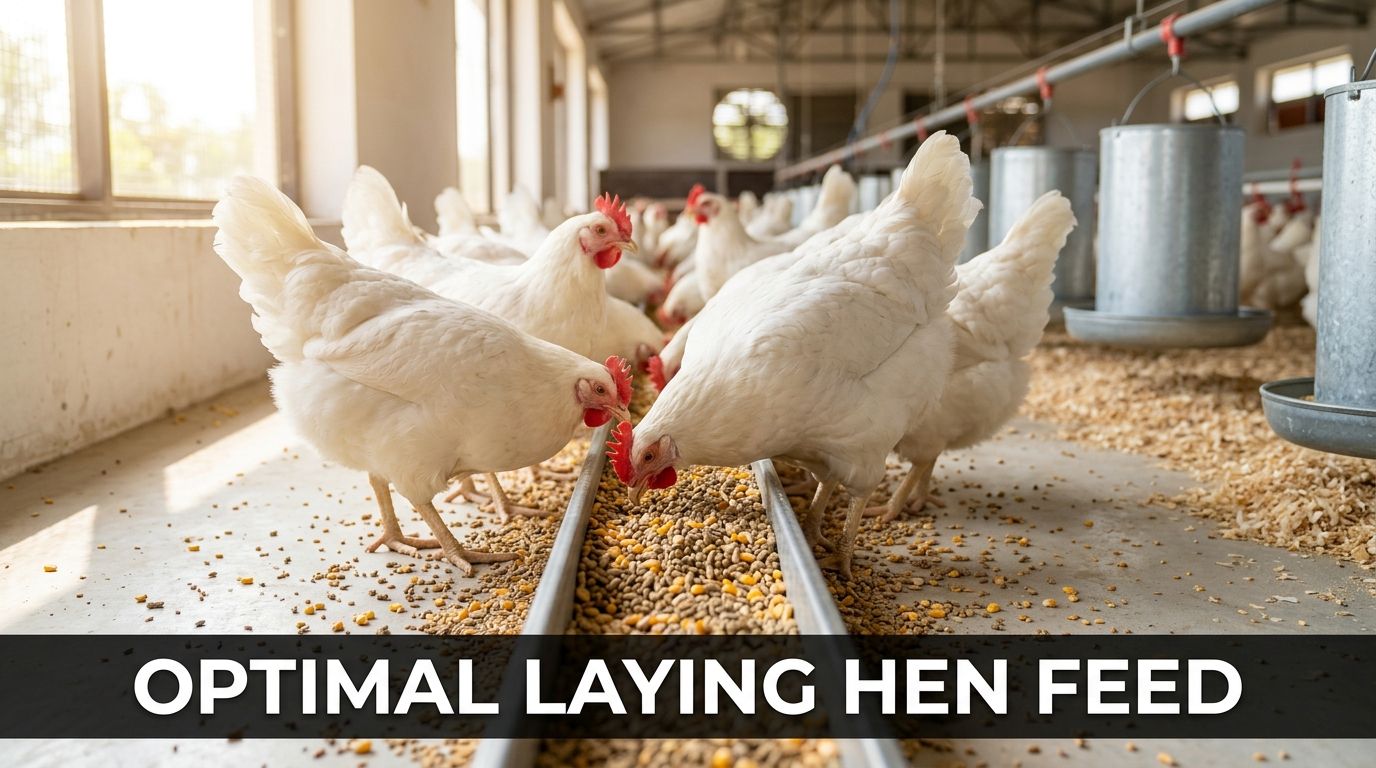
Automation improves feed efficiency and reduces wastage, which directly improves margins.
Poultry Feed Economics in Pakistan
Feed price volatility remains the biggest challenge for poultry farmers due to:
- Import dependency on soybean meal
- Climate impact on maize production
- Currency fluctuations
- Transportation costs
Industry briefings from PPA show that feed cost fluctuations strongly influence chicken prices and farm profitability.
Key Factors of a High-Quality Poultry Feed
A high-quality feed should provide:
- Correct nutrient balance
- Consistent ingredient quality
- High digestibility
- Contamination control
- Stage-specific formulation
Farm performance indicators such as FCR, growth rate, and egg shell strength are direct reflections of feed quality.
Poultry feed is not simply food for birds — it is the core driver of productivity, profitability, and sustainability in poultry farming. Modern poultry production depends on scientifically formulated feed programs tailored to production stage, ingredient economics, and performance targets.
In Pakistan, where poultry plays a critical role in national food security, improving feed formulation, ingredient sourcing, and feed management remains essential for farmers, integrators, and policymakers alike. Institutions, research bodies, and industry associations continue to emphasize that consistent feed quality is the single most powerful lever for improving poultry sector efficiency.
As the industry evolves, producers who focus on nutrition science, feed cost optimization, and modern feeding systems will be best positioned to achieve long-term success.
Frequently Asked Questions (FAQ) — Poultry Feed
1. What is poultry feed and why is it important?
Poultry feed is a scientifically formulated diet designed to meet the nutritional requirements of birds at different production stages. It is important because feed directly affects growth rate, feed conversion ratio (FCR), egg production, immunity, and overall farm profitability. In60–70% of total commercial poultry farming, feed typically accounts for production cost.
2. What are the main ingredients in poultry feed?
The core poultry feed ingredients include:
- Energy sources: maize, wheat, rice polishing, sorghum
- Protein sources: soybean meal, canola meal, sunflower meal, fish meal
- Supplements: vitamins, minerals, amino acids (lysine, methionine), enzymes, calcium sources
These ingredients are balanced using feed formulation techniques to achieve optimal bird performance.
3. What are the different types of poultry feed?
Poultry feed is categorized based on bird age and production stage:
- Starter feed (early growth)
- Grower feed (development stage)
- Finisher feed (weight gain stage)
- Layer feed (egg production)
Breeder feed (reproduction performance)
Stage-specific feeding improves productivity and reduces mortality.
4. How much feed does a chicken consume per day?
Feed intake varies by age and purpose:
Environmental temperature, genetics, and feed quality influence intake.
5. Why is maize used as the main poultry feed ingredient?
Maize is widely used because it provides highly digestible energy, supports rapid growth, and is readily available. In Pakistan, maize often contributes the largest share of feed energy and plays a key role in feed formulation economics.
6. Why is soybean meal important in poultry feed?
Soybean meal is the primary protein source in modern poultry diets. It provides essential amino acids required for muscle development, egg production, and feed efficiency. Pakistan relies significantly on imported soybean meal, which contributes to feed price volatility.
7. How does feed quality affect poultry farm profitability?
Feed quality directly influences:
Poor-quality feed increases production cost and reduces farm margins.
8. What causes poultry feed price fluctuations in Pakistan?
Major factors include:
- Import dependency (soybean meal)
- Maize crop production changes
- Currency depreciation
- Transportation costs
- Climate impacts (floods, droughts)
- Government policy changes
Industrt ports from the Pakistan Poultry Association (PPA) highlight feed cost as the biggest profitability driver.
9. What is feed formulation in poultry farming?
Feed formulation is the process of balancing nutrients using different ingredients to meet bird requirements at the lowest possible cost. Modern feed mills use least-cost formulation software, a method widely recommended by research institutions including University of Agriculture Faisalabad (UAF).
10. How can farmers improve feed efficiency?
Farmers can improve feed efficiency by:
- Using stage-specific feed
- Maintaining feed storage hygiene
- Monitoring FCR regularly
- Using quality ingredients
- Preventing mycotoxin contamination
- Implementing automated feeding systems
Feed management practices significantly impact production performance.
11. What are common poultry feed safety risks?
The most common risks include:
- Mycotoxin contamination
- Moisture damage
- Poor storage conditions
- Nutrient imbalance
- Ingredient adulteration
Veterinary research in Pakistan identifies mycotoxins as a major hidden production loss factor.
12. Is commercial feed better than homemade feed?
Commercial feed is generally more consistent because it is scientifically formulated and quality-controlled. Homemade feed may reduce cost but requires proper formulation knowledge to avoid nutrient deficiencies.
13. How does poultry feed impact national food security?
Poultry feed determines production cost and supply stability. Since poultry is Pakistan’s most consumedinstitutions such as the animal protein, feed efficiency directly influences protein affordability and food security. This is why inistry of National Food Security & Research emphasize feed sector development.
14. What future trends are shaping poultry feed?
Key trends include:
- Precision nutrition
- Alternative protein ingredients
- Enzyme technologies
- Digital feed formulation
- Sustainability-focused feed strategies
- Supply chain transparency
These trends aim to improve efficiency and reduce production risk.