

Pakistan's thriving poultry industry represents a vital pillar of the nation's agricultural economy and a cornerstone of its food security. Optimizing productivity and ensuring sustainable profitability within this dynamic sector hinges significantly on one foundational element: exemplary poultry shed design. Far from being a mere enclosure, a meticulously engineered poultry shed constitutes a strategic investment that directly influences flock health, growth rates, feed conversion efficiency, and ultimately, a farm's economic viability. This analysis underscores the critical importance of adopting design principles that are both efficient and resilient, specifically tailored to the unique environmental and market dynamics of Pakistan.
Navigating Pakistan's Climatic Extremes: Designing for Resilience
Pakistan's diverse agro-climatic zones, ranging from arid plains to humid coastal areas and temperate northern regions, present formidable environmental challenges for poultry production. A generic, 'one-size-fits-all' approach to shed design is demonstrably inadequate. Effective structural design must proactively mitigate environmental stressors to ensure optimal bird comfort, welfare, and performance across all seasons. (Source: Pakistan Meteorological Department - PMD)
Mitigating Heat Stress: A Paramount Concern
Summer temperatures across significant parts of Pakistan, particularly in provinces like Punjab and Sindh, can frequently exceed 40°C. Such extreme conditions induce severe heat stress in poultry, leading to compromised physiological functions, reduced feed intake, diminished growth rates, suppressed egg production, and elevated mortality rates. Optimal shed designs must prioritize advanced cooling and ventilation strategies to safeguard flock health and productivity. Sophisticated solutions, including evaporative cooling pads, high-volume low-speed (HVLS) fans, and precision fogging systems, are indispensable for maintaining internal temperatures within physiological comfort zones during peak summer months.
Managing Monsoons and Humidity: Preventing Pathogen Proliferation
The monsoon season introduces periods of intense humidity, which can exacerbate respiratory ailments, compromise litter quality, and create an opportune environment for the proliferation of bacterial and fungal pathogens. Robust drainage systems, coupled with efficient ventilation, are paramount for managing moisture levels, reducing ammonia concentrations, and maintaining a hygienic environment conducive to bird health and preventing disease outbreaks. (Source: World Organisation for Animal Health - WOAH guidelines on biosecurity)
Strategic Considerations for Poultry Shed Design in Pakistan
Whether embarking on a new farm development or upgrading existing infrastructure, the following design elements are critical for ensuring long-term success and profitability within the Pakistani poultry landscape.
Optimal Orientation and Location
The orientation of poultry sheds is a foundational design principle. In Pakistan's climatic context, sheds should ideally be positioned along an East-West axis. This orientation minimizes direct solar radiation exposure on the longer side walls, thereby significantly reducing internal heat gain. Furthermore, consideration of prevailing wind patterns is crucial for maximizing natural ventilation efficacy in open-sided structures and informing air intake strategies for environmentally controlled (EC) systems.
Types of Sheds: Open-Sided vs. Environmentally Controlled (EC)
The choice between open-sided and environmentally controlled (EC) sheds represents a significant investment decision with profound implications for operational costs, bird performance, and risk management. Below is a comparative analysis:
| Feature | Open-Sided Sheds | Environmentally Controlled (EC) Sheds |
|---|---|---|
| Initial Construction Cost | Significantly lower due to simpler structure and reliance on natural systems. More common for small to medium-scale farms. | Substantially higher due to advanced insulation, automated climate control systems, and robust construction materials. |
| Operational Cost (Energy) | Lower energy consumption, primarily for lighting and limited supplemental heating/cooling. High labor dependency. | Higher energy consumption for fans, cooling pads, and heating systems; however, energy efficiency can be optimized through smart controls. Lower labor dependency. |
| Climate Control | Relies on natural ventilation, adjustable curtains. Highly susceptible to external weather fluctuations (heat waves, cold snaps, dust storms). | Precise control over temperature, humidity, and ventilation. Provides stable internal environment regardless of external conditions. |
| Bird Performance & FCR | Variable performance due to environmental fluctuations. Often lower growth rates, higher FCR, and greater susceptibility to stress. | Superior and consistent bird performance, higher growth rates, significantly improved Feed Conversion Ratio (FCR), and reduced stress levels due to optimized environment. |
| Disease Risk & Biosecurity | Higher exposure to external pathogens, pests, and airborne diseases due to open nature. Challenges in maintaining strict biosecurity. | Enhanced biosecurity due to enclosed nature, reduced pest entry, and easier disinfection. Facilitates 'all-in, all-out' systems. |
| Mortality Rate | Generally higher, especially during extreme weather events. | Significantly lower due to controlled environment and reduced stress. |
| Market Suitability in Pakistan | Prevalent for traditional broiler and layer farming. Lower barrier to entry for new farmers. Requires intensive management during extreme weather. | Increasingly adopted by commercial operations aiming for premium broiler production and consistent supply to major processors and urban markets (mandis). Higher profitability potential. |
Advanced Ventilation Systems
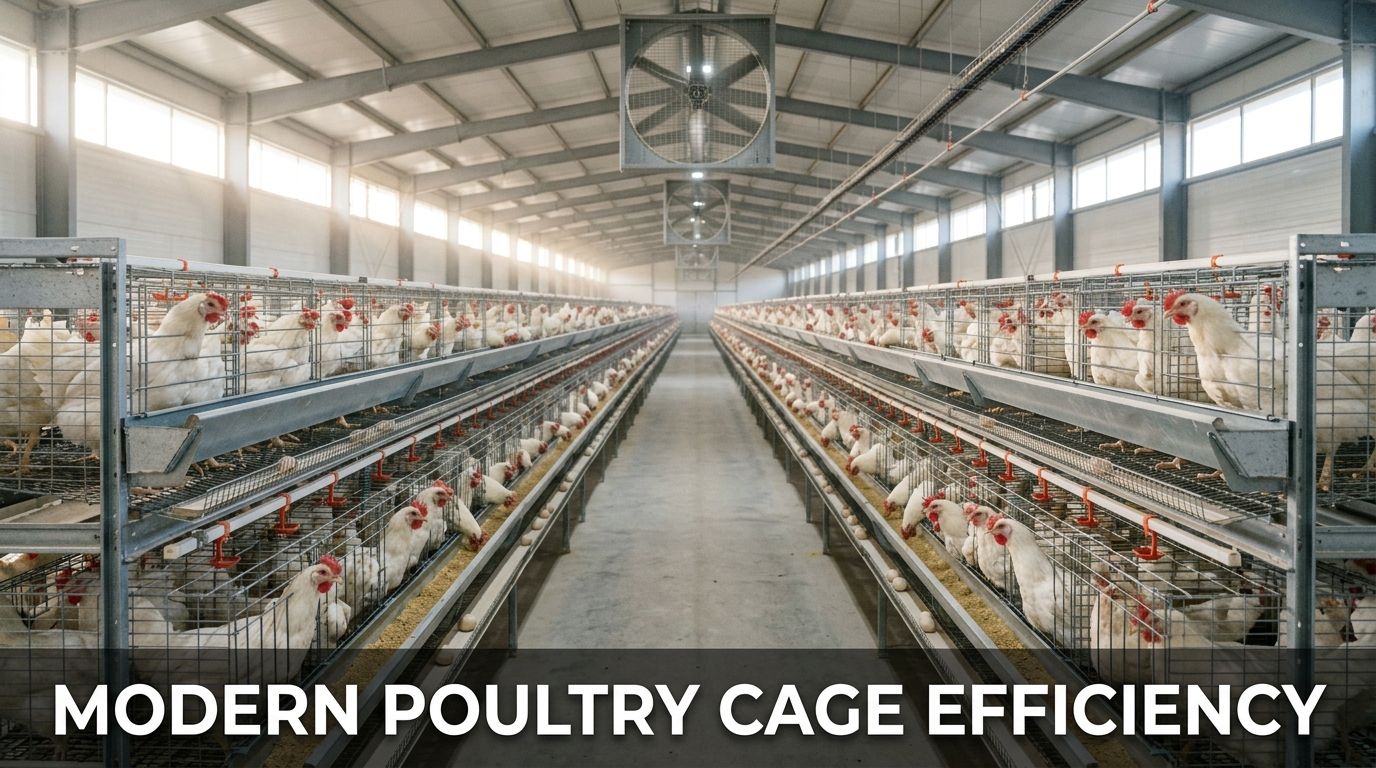
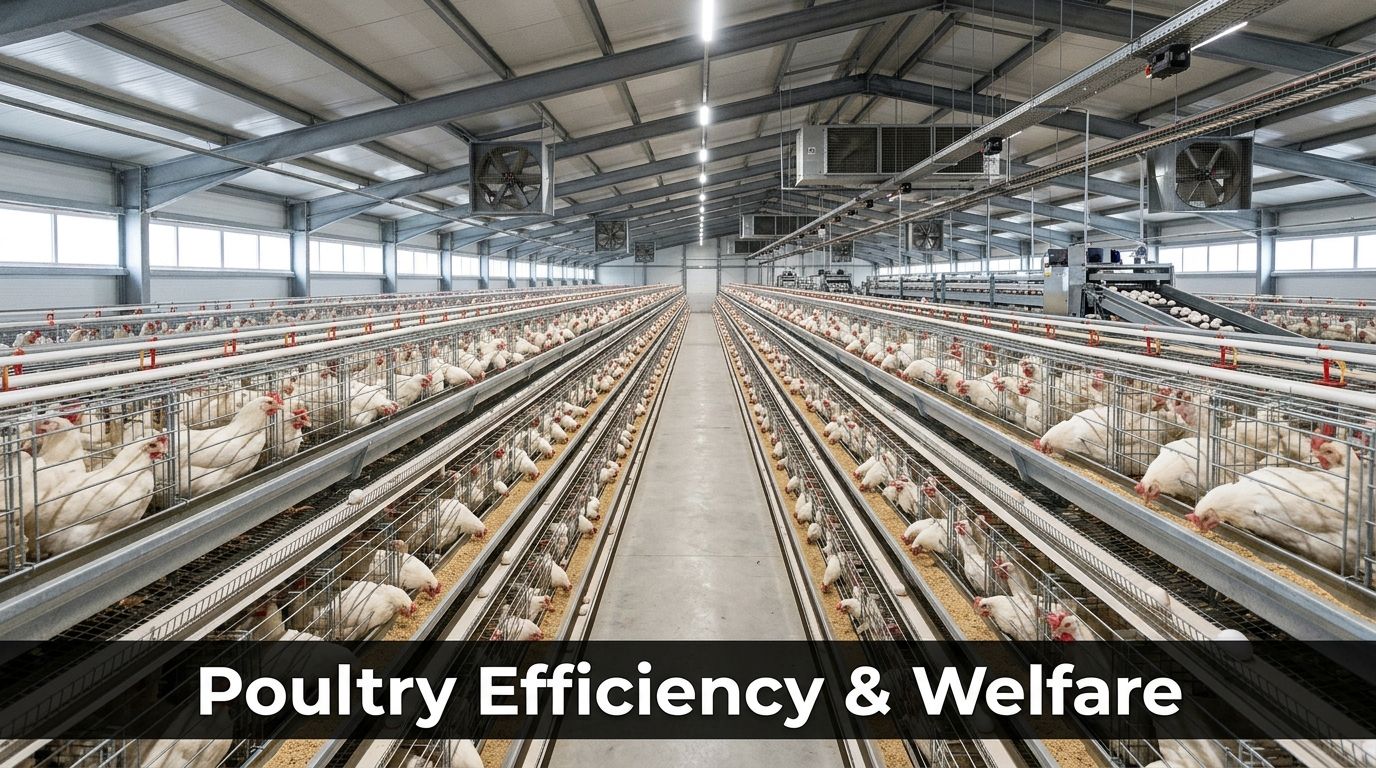
For open-sided sheds, strategic natural cross-ventilation, enhanced by roof ventilators and adjustable side curtains, is essential. For EC sheds, tunnel ventilation systems are considered the industry standard. These systems efficiently draw fresh air through evaporative cooling pads at one end of the shed, subsequently expelling warmer, humid air through high-capacity exhaust fans at the opposing end. This creates a uniform airflow and maintains consistent temperature gradients throughout the structure, critical for large-scale operations. (Source: FAO best practices for poultry housing)
Robust Roofing and Superior Insulation
The roofing system serves as the primary barrier against solar heat gain and thermal loss. Materials such as corrugated galvanized iron (CGI) sheets, when coupled with high-efficiency insulation materials like polyurethane foam (PUF) panels or fiberglass, are highly recommended. A minimum eave height of 8-10 feet (2.4-3.0 meters) facilitates better air circulation and heat dissipation. The judicious selection of roofing materials and insulation significantly contributes to energy efficiency, particularly in EC sheds, by reducing the load on cooling and heating systems.
Optimized Flooring and Drainage
Durable, impervious concrete floors are preferred for their ease of cleaning and disinfection. Crucially, floors must be constructed with an appropriate slope towards external drainage channels to prevent water stagnation, control humidity, and facilitate efficient waste removal. Effective drainage is a critical component of maintaining optimal litter quality, preventing the growth of pathogens, and upholding stringent biosecurity protocols.
Integrated Biosecurity Protocols
Shed design plays an indispensable role in establishing and maintaining robust biosecurity. Integrating features such as clearly demarcated entry/exit points, dedicated disinfection stations (e.g., foot dips, vehicle sprays), shower-in/shower-out facilities for personnel, secure perimeter fencing, and pest-proof construction are non-negotiable. These measures are vital for preventing the ingress and spread of disease agents, thereby ensuring healthier flocks, minimizing economic losses, and guaranteeing a reliable supply for the market. Compliance with national biosecurity guidelines issued by provincial Livestock and Dairy Development Departments is highly recommended. (Source: Livestock & Dairy Development Department, Punjab - Biosecurity guidelines)
Achieving Cost-Effectiveness and Environmental Sustainability
While the initial capital outlay for optimally designed poultry sheds, especially EC systems, may appear substantial, the long-term returns on investment are compelling. Improved feed conversion ratios, reduced medication expenditures, lower mortality rates, and enhanced bird welfare translate directly into superior profitability. Furthermore, incorporating sustainable design elements—such as energy-efficient ventilation, passive cooling strategies, and responsible waste management—aligns with global best practices and contributes to the environmental stewardship of the Pakistani poultry sector. Such designs often qualify for potential government incentives or financing schemes promoting agricultural sustainability.
Conclusion: The Imperative of Strategic Poultry Infrastructure in Pakistan
Strategic investment in modern, resilient poultry shed design is not merely an operational enhancement; it is a fundamental imperative for the sustained growth and profitability of Pakistan's poultry industry. By embracing designs that intelligently respond to the country's unique climatic challenges and market demands, farmers can cultivate healthier, more productive flocks, significantly reduce operational costs, and deliver a consistent supply of high-quality products to the consumer market. This commitment to advanced infrastructure is vital for strengthening the entire poultry supply chain, from farm to mandi, and ultimately reinforcing national food security.