
The poultry industry stands as a cornerstone of global food security, providing an accessible and affordable source of protein to billions. With a projected global market size to reach nearly USD 500 billion by 2027, according to various industry reports, the opportunities for new entrants are significant. However, success in poultry farming is not merely about raising chickens; it demands meticulous planning, strategic investment, scientific management, and a deep understanding of market dynamics. This comprehensive guide, enriched with data and expert insights, outlines the critical steps to starting and operating a successful poultry farm business from a global perspective.
1. Foundation First: Comprehensive Business Planning & Market Research
Before any significant investment, a detailed business plan is paramount. This document serves as a roadmap, outlining your goals, strategies, and financial projections. Market research is the bedrock of this plan, helping you understand demand, competition, and potential profit margins.
1.1 Identifying Your Niche and Market Demand
The poultry market is diverse. Will you focus on broiler production (meat), layer farming (eggs), or perhaps a niche market like organic, free-range, or heritage breeds? Global demand for poultry meat and eggs continues to climb. The Food and Agriculture Organization of the United Nations (FAO) consistently highlights poultry as the fastest-growing livestock sector, driven by population growth, urbanization, and rising incomes in developing economies. Research local and regional consumption patterns, pricing trends, and supply gaps.
1.2 Crafting a Robust Business Plan
Your business plan should cover:
- Executive Summary: Overview of your farm, mission, and vision.
- Company Description: Legal structure, location, and farm specifics.
- Market Analysis: Target market, competition, and industry outlook.
- Organization & Management: Team, expertise, and operational structure.
- Service or Product Line: Type of poultry, products (eggs, meat, chicks), and value-added services.
- Marketing & Sales Strategy: How you will reach customers and sell products.
- Financial Projections: Startup costs, operational expenses, revenue forecasts, cash flow, and break-even analysis.
2. Legal & Regulatory Compliance: Navigating the Global Landscape
Poultry farming is subject to various regulations concerning animal welfare, environmental protection, and food safety. Compliance is crucial for sustainable operation and market access.
2.1 Permits, Licenses, and Zoning
Requirements vary significantly by country and local jurisdiction. Typically, you'll need:
- Business registration.
- Environmental permits (waste management, water usage).
- Building permits for poultry housing.
- Animal welfare licenses (if applicable).
- Food safety certifications (especially for processing and direct sales).
2.2 Animal Welfare Standards
International organizations like the World Organisation for Animal Health (WOAH) provide guidelines on animal welfare, health, and biosecurity. Adhering to these standards not only ensures ethical practices but can also open doors to premium markets demanding certified humane products.
3. Strategic Breed Selection: Matching Birds to Business Goals
The choice of poultry breed directly impacts your farm's efficiency and profitability.
3.1 Broiler Breeds (Meat Production)
These breeds are genetically selected for rapid growth and efficient feed conversion. Common global strains include Cobb 500, Ross 308, and Arbor Acres. They typically reach market weight in 5-9 weeks.
3.2 Layer Breeds (Egg Production)
Known for high egg production rates. Popular breeds include White Leghorn (white eggs), Rhode Island Red, and Lohmann Brown (brown eggs). A good layer can produce 250-320 eggs per year.
3.3 Dual-Purpose Breeds
These provide both meat and eggs, though typically less efficiently than specialized breeds. Examples include Plymouth Rock and Sussex. Ideal for smaller, diversified farms or those targeting niche markets.
Table 1: Comparative Overview of Poultry Breed Types
| Characteristic | Broiler (Meat) | Layer (Egg) | Dual-Purpose |
|---|---|---|---|
| Primary Product | Meat | Eggs | Meat & Eggs |
| Growth Rate/Maturity | Fast (5-9 weeks) | Moderate (18-22 weeks to lay) | Moderate to Slow |
| Feed Conversion Ratio (FCR) | Excellent (low feed per kg gain) | Good (low feed per egg) | Average |
| Housing Density | Higher | Moderate | Lower (often free-range) |
| Market Focus | Commercial Meat Production | Commercial Egg Production | Small-scale, diversified, niche |
4. Housing & Infrastructure: Creating an Optimal Environment
Proper housing is crucial for bird health, productivity, and biosecurity. Design should consider climate, flock size, and management style.
4.1 Types of Housing Systems
- Open-Sided Houses: Common in tropical climates, relying on natural ventilation.
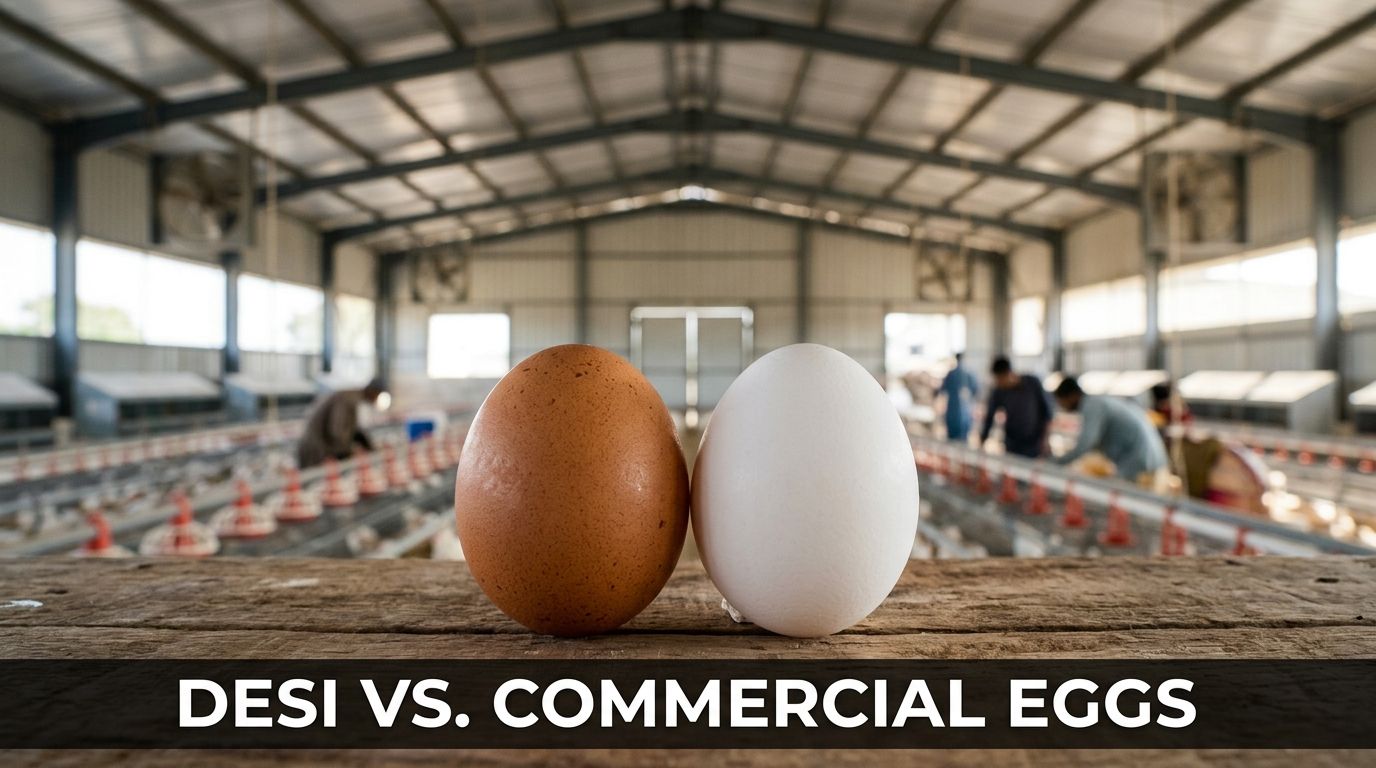
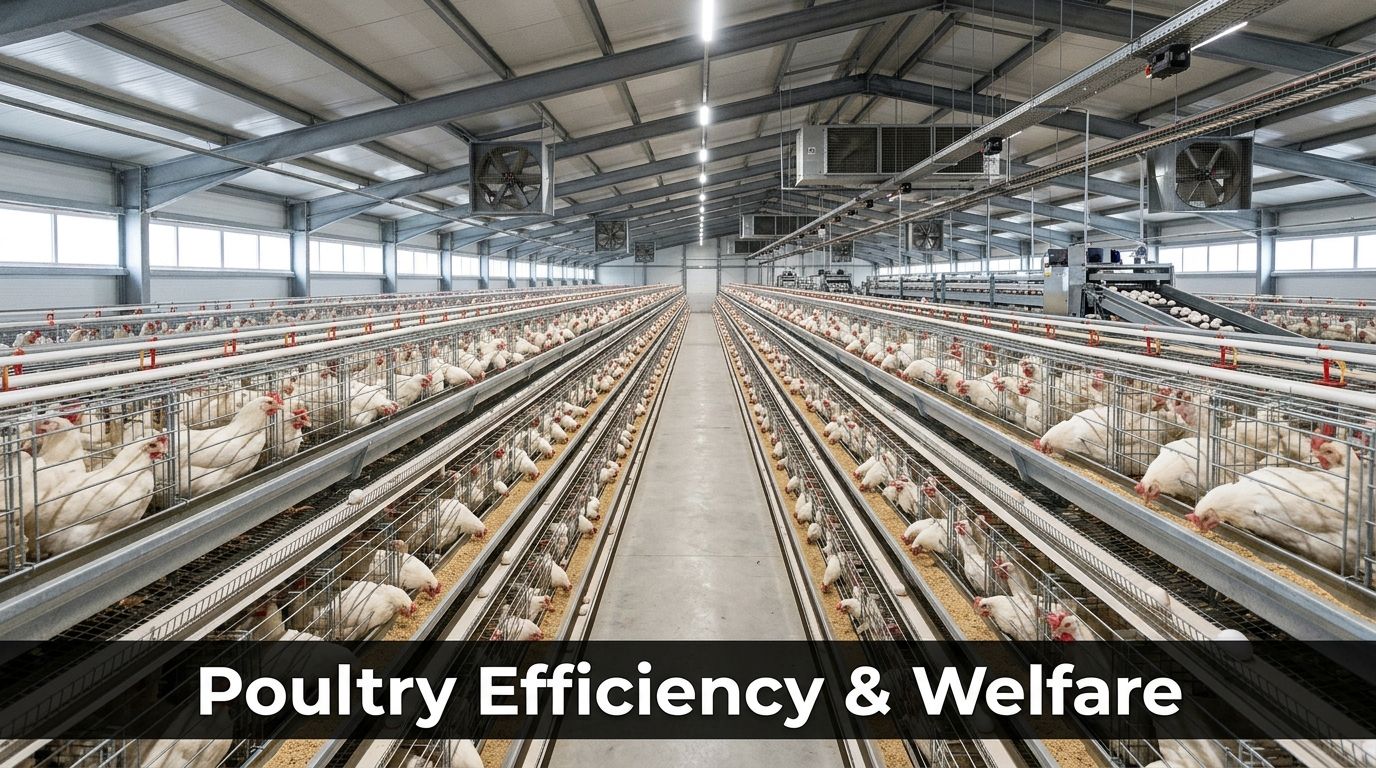
- Environmentally Controlled Houses (EC Houses): Provide precise control over temperature, humidity, and ventilation. Essential for large-scale commercial operations and harsh climates.
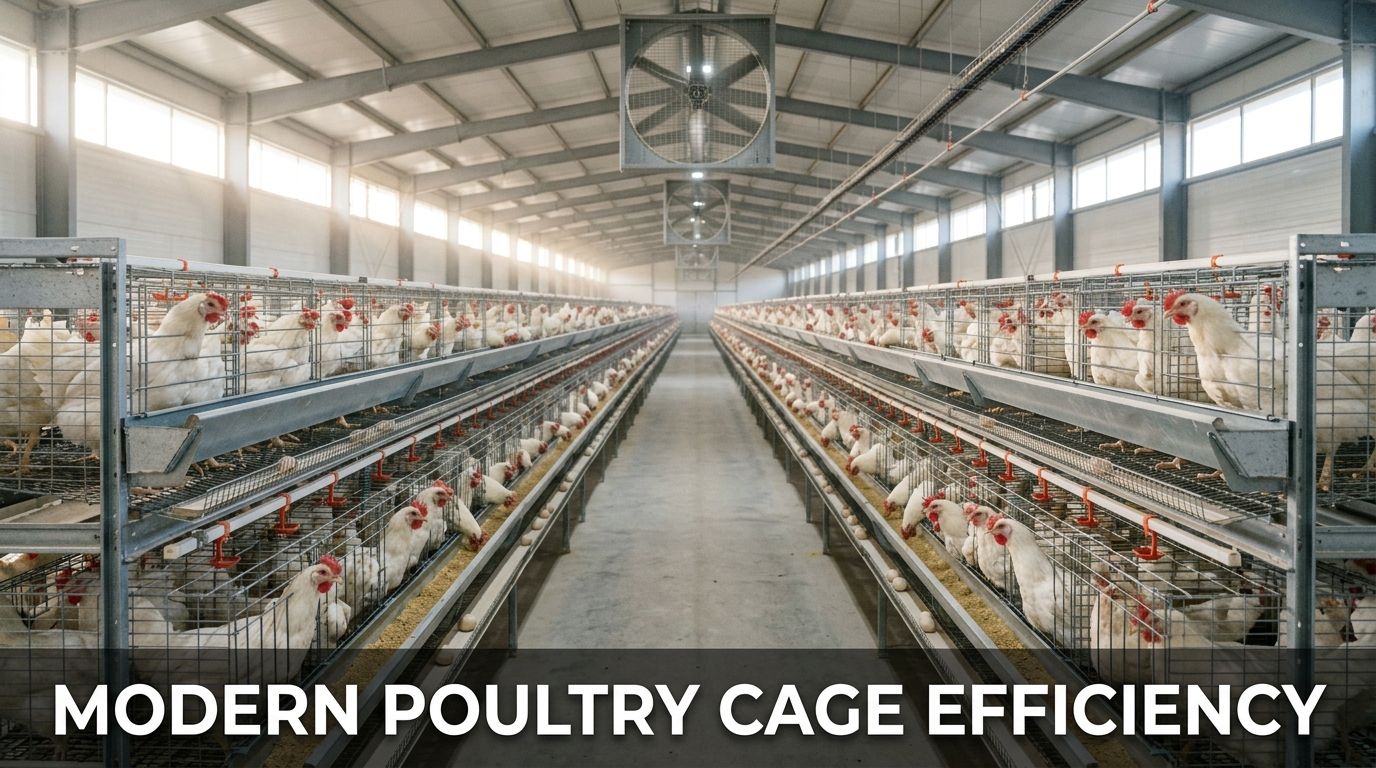
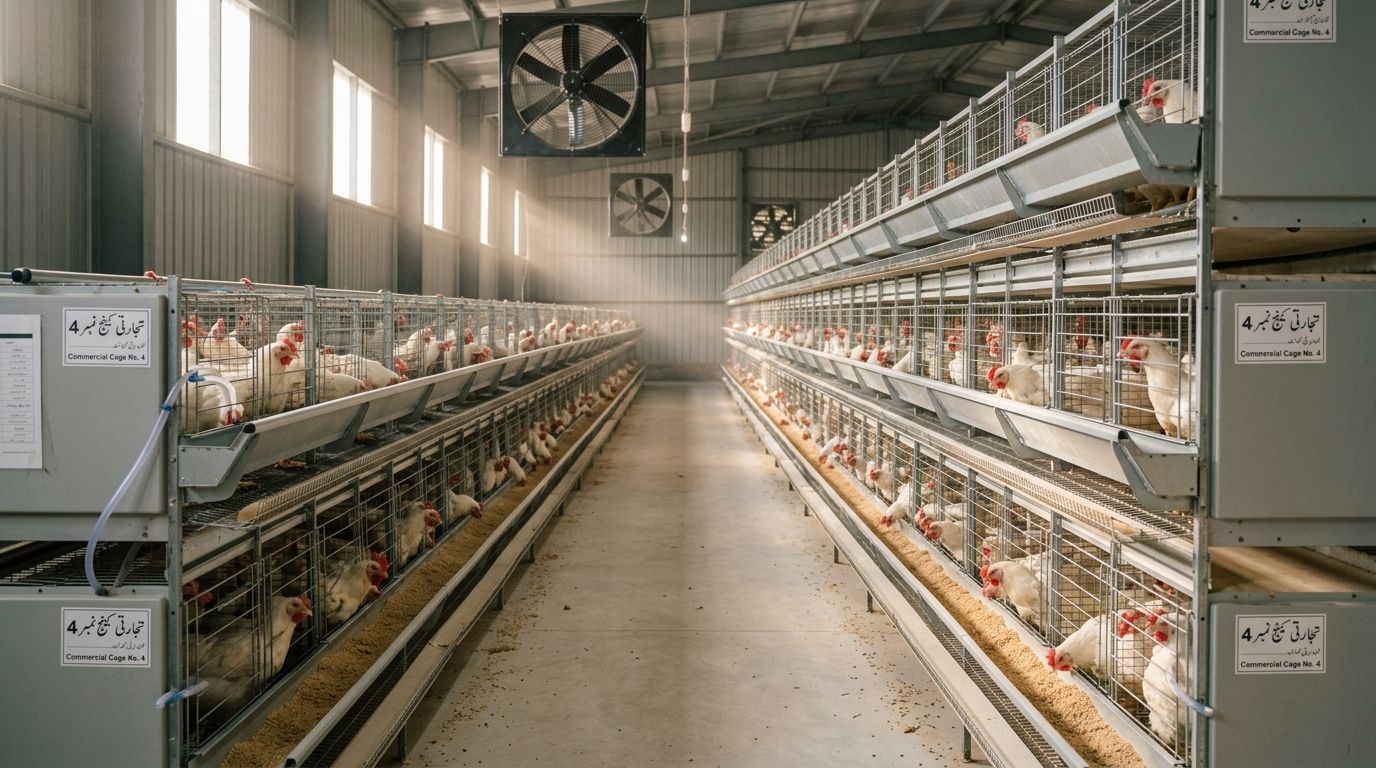
- Cages/Battery Cages: For layers, maximizing space and hygiene (though controversial for welfare reasons in some regions).
- Deep Litter System: Birds roam on a floor covered with absorbent material (wood shavings, rice hulls). Versatile for broilers and layers.
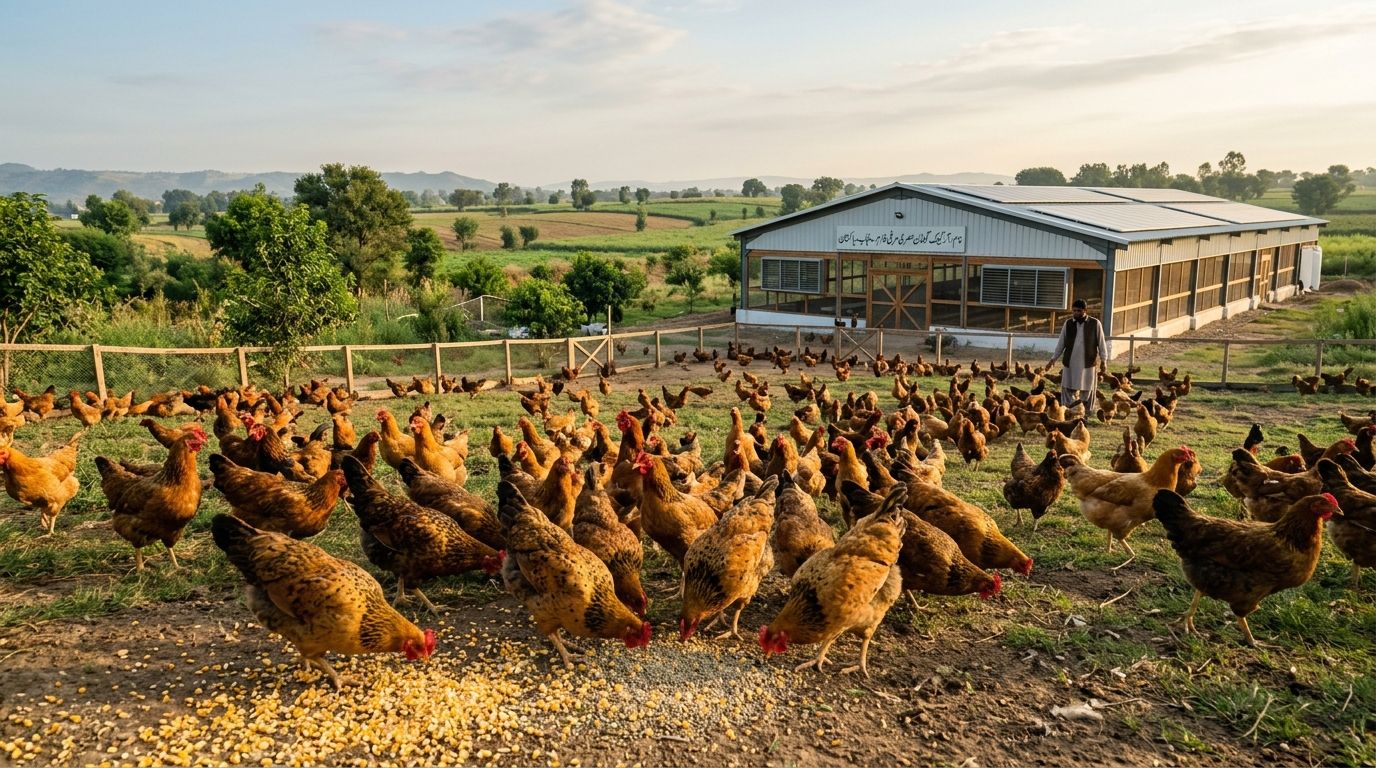
- Free-Range/Pasture-Raised: Birds have access to outdoor areas. Higher welfare, but lower stocking density and higher land requirements.
4.2 Essential Equipment
- Feeders and Waterers (manual or automated).
- Ventilation systems (fans, curtains, cooling pads).
- Heating systems (brooders for chicks).
- Lighting (programmable systems for layers).
- Nesting boxes (for layers).
- Waste management systems.
5. Nutrition & Feeding: Fueling Productivity
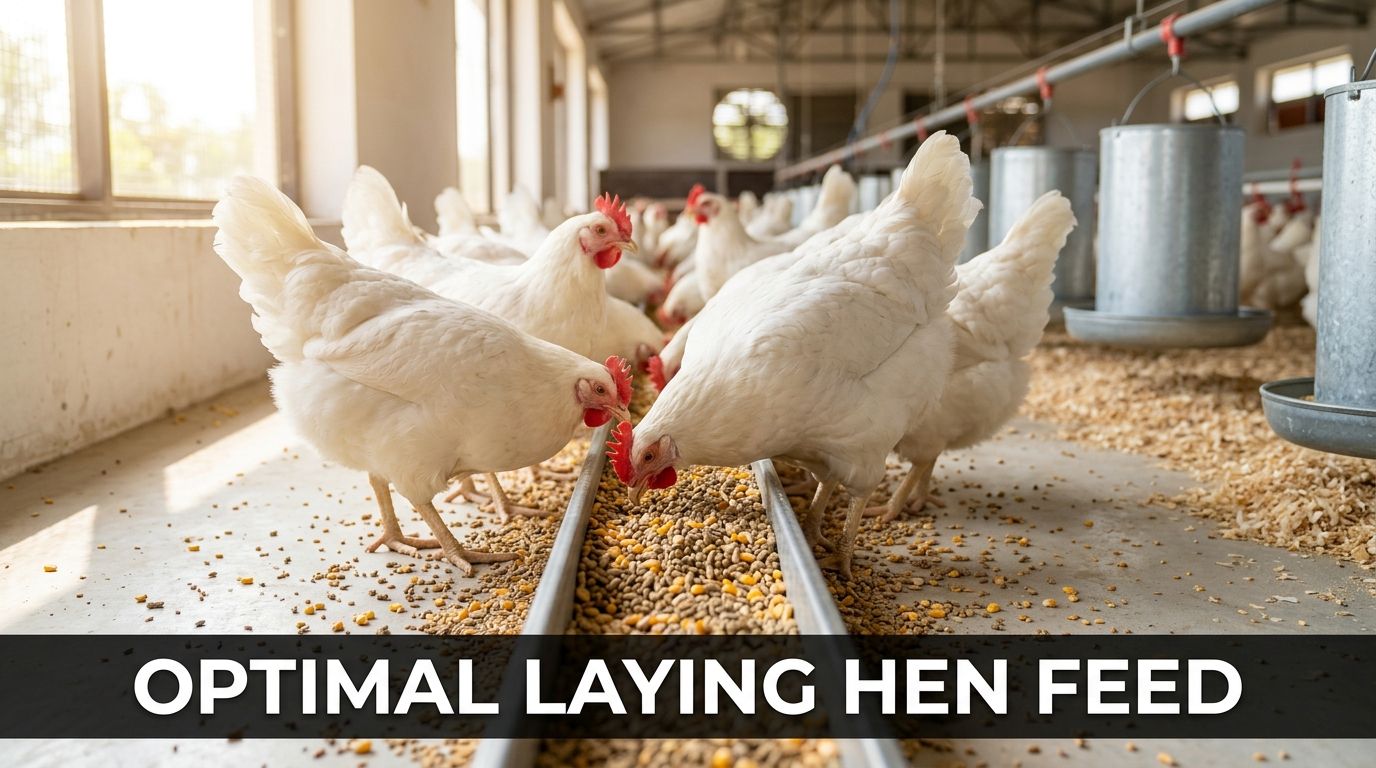
Feed represents the largest operational cost in poultry farming. High-quality, balanced nutrition is vital for growth, egg production, and overall health.
5.1 Feed Composition
Poultry feed typically consists of grains (corn, wheat), protein sources (soybean meal, fishmeal), vitamins, minerals, and amino acids. Specific formulations vary by age, breed, and production stage (starter, grower, finisher for broilers; pullet, layer for hens).
5.2 Feed Management
- Quality Sourcing: Purchase feed from reputable suppliers.
- Storage: Store feed in dry, rodent-proof areas to prevent spoilage and contamination.
- Feeding Schedule: Maintain consistent feeding times.
- Water Access: Constant access to fresh, clean water is as important as feed.
6. Health Management & Biosecurity: Protecting Your Flock
Disease outbreaks can devastate a farm. A robust biosecurity program is your first line of defense.
6.1 Biosecurity Protocols
The USDA Animal and Plant Health Inspection Service (APHIS) and WOAH emphasize the following core principles:
- Isolation: Restrict access to your farm.
- Traffic Control: Manage the movement of people, vehicles, and equipment.
- Sanitation: Regular cleaning and disinfection of housing and equipment.
- Flock Monitoring: Daily observation for signs of disease.
- Rodent & Pest Control: Implement effective measures.
6.2 Vaccination & Veterinary Care
Work with a poultry veterinarian to develop a tailored vaccination program for common diseases (e.g., Marek's, Newcastle, Gumboro) prevalent in your region. Regular veterinary checks are crucial for early disease detection and treatment.
7. Financial Planning & Investment: Realistic Projections
Understanding your startup and operational costs, alongside potential revenue, is critical for financial viability.
7.1 Startup Costs (Examples, Highly Variable by Region and Scale)
These can range from a few thousand to hundreds of thousands of dollars, depending on scale and level of automation.
Table 2: Estimated Startup Cost Breakdown for a Small to Medium-Scale Poultry Farm (Global Averages in USD)
| Cost Category | Estimated Range (USD) | Notes |
|---|---|---|
| Land Acquisition/Lease | Variable ($5,000 - $50,000+) | Depends on location and size. |
| Poultry Housing (Construction/Renovation) | $10,000 - $100,000+ | Basic shed vs. environmentally controlled. |
| Equipment (Feeders, Waterers, Brooders, Fans, etc.) | $2,000 - $20,000 | Manual vs. automated systems. |
| Initial Stock (Chicks/Pullets) | $500 - $5,000 | Price per chick/pullet varies. |
| Initial Feed Supply (1-2 months) | $1,000 - $8,000 | Depends on flock size and feed type. |
| Vaccines & Medications | $200 - $1,500 | Essential health costs. |
| Utilities & Permits (Initial) | $300 - $2,000 | Varies by local regulations. |
| Contingency Fund (10-15% of total) | $1,000 - $15,000+ | Crucial for unforeseen expenses. |
| Total Estimated Startup Cost | $20,000 - $200,000+ | Highly dependent on scale, location, and desired technology. |
7.2 Operational Costs
Recurring costs include feed, labor, utilities (electricity, water), veterinary services, medication, litter material, and marketing.
7.3 Revenue Streams
Revenue comes from selling eggs, meat, live birds, or even manure. Diversification can enhance stability.
8. Marketing & Sales Strategies: Reaching Your Customers
A great product needs effective distribution and marketing.
8.1 Direct Sales
Selling directly to consumers at farm gates, farmers' markets, or through community-supported agriculture (CSA) models can yield higher prices and build customer loyalty.
8.2 Wholesalers & Retailers
Supplying to local grocery stores, restaurants, hotels, or meat processors provides consistent large-volume sales.
8.3 Online Presence
Utilize social media and a simple website to showcase your farm, practices, and products. Online ordering and delivery can expand your reach.
9. Challenges & Risk Mitigation: Planning for the Unexpected
Poultry farming, like any agricultural venture, comes with inherent risks.
- Disease Outbreaks: Mitigate with strict biosecurity, vaccination, and quick veterinary response.
- Market Price Volatility: Diversify products, secure contracts with buyers, and monitor market trends.
- Feed Price Fluctuations: Bulk purchasing, forward contracts, or considering on-farm feed mixing (if feasible) can help.
- Environmental Factors: Implement robust housing designs to cope with extreme weather.
10. Sustainability & Future Trends: Building a Resilient Farm
The future of poultry farming leans heavily towards sustainability and ethical practices.
10.1 Environmental Stewardship
Focus on efficient waste management (e.g., composting manure), water conservation, and energy efficiency (solar power). Sustainable practices can lead to certifications and access to premium markets.
10.2 Automation & Technology
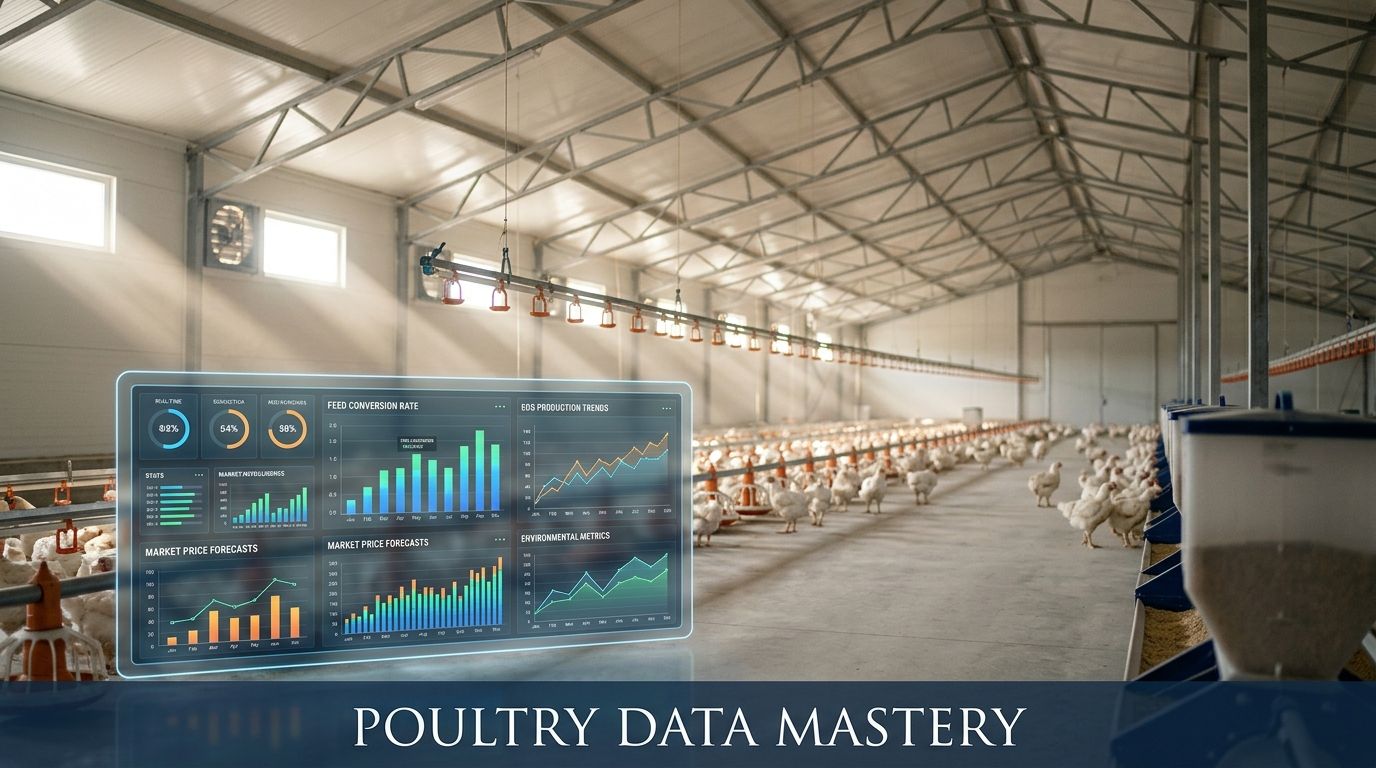
Automated feeding, watering, environmental control systems, and data analytics can improve efficiency, reduce labor costs, and optimize production. Precision poultry farming is an emerging trend.
10.3 Organic & Free-Range Production
Growing consumer demand for ethically produced, antibiotic-free, and organic poultry products offers higher profit margins, though typically with higher production costs and lower stocking densities.
Conclusion
Starting a successful poultry farm business is a rewarding endeavor that contributes significantly to global food security and economic development. While requiring substantial initial investment and diligent management, the long-term prospects remain strong. By prioritizing thorough planning, adhering to best practices in animal health and welfare, embracing sustainable technologies, and effectively marketing your products, entrepreneurs can establish profitable and resilient poultry operations that thrive in the dynamic global market.