
7 Best Types of Poultry Feeders (2026 Guide): Reduce Feed Waste by 30% & Improve Flock Efficiency
Feed accounts for 60–70% of total poultry production costs.
Choosing the wrong feeder can increase feed waste by 15–30% annually.
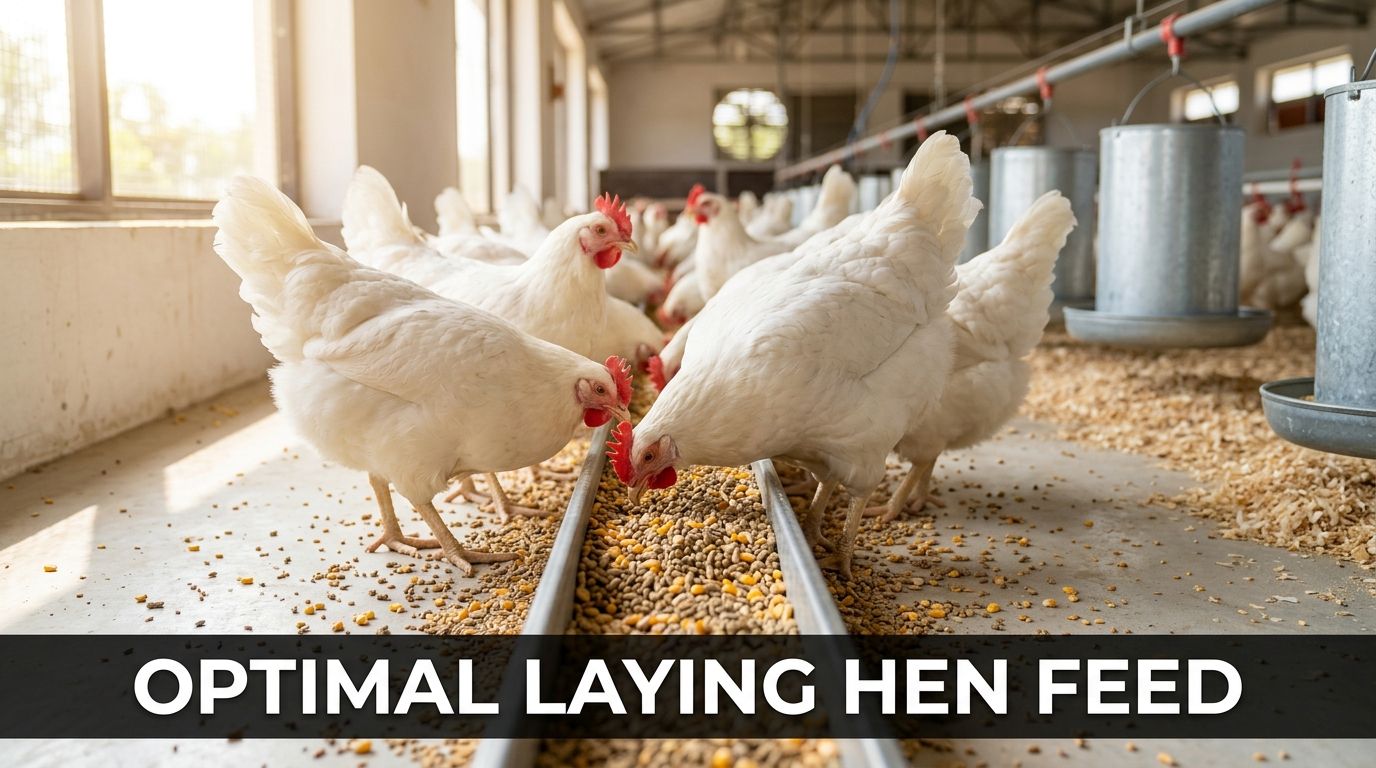
A poultry feeder is a feed delivery system designed to provide controlled access to feed while minimizing waste, contamination, and rodent access.
The right poultry feeder is not convenience.
It is cost control.
This data-driven guide explains every major poultry feeder type, their efficiency impact, pest resistance, and which is best for your flock size.
What Is a Poultry Feeder?
A poultry feeder is a feed delivery system designed to provide consistent, controlled access to feed while minimizing waste, contamination, and pest access.
Its primary goals:
- Improve feed conversion ratio (FCR)
- Reduce wastage
- Protect feed from rodents and rain
- Maintain flock uniformity
Why Feeder Type Directly Impacts Profit
According to the Food and Agriculture Organization, feed efficiency is the single largest variable affecting poultry profitability.
Poor feeder design causes:
- Feed spillage
- Rodent contamination
- Uneven bird growth
- Higher mortality risk
Comparison Table: Poultry Feeder Types
1️⃣ Treadle Poultry Feeder (Best for Pest Control)
Mechanism:
- Step-on plate opens lid
- Feed protected when birds not feeding
Benefits:
- Blocks rodents
- Reduces feed loss by up to 25%
- Weather resistant
Best for:
Backyard poultry keepers.
ROI Example:
If 20 hens waste 100g/day each = 2kg/day loss
At $0.50/kg → $365/year loss
Treadle feeder prevents majority of that waste.
2️⃣ Hopper Poultry Feeder (High Capacity Standard)
Features:
- Adjustable feed flow
- Freestanding design
- Easy refill
Best for:
50–200 birds.
3️⃣ Tank Stand Poultry Feeder (Commercial Style)
Raised platform:
- Reduces rodent access
- Keeps feed dry
- Fewer refills
Recommended for:
Large backyard + semi-commercial units.
4️⃣ Flip-Top Trough Feeder (Budget Option)
Advantages:
- Simple
- Easy clean
- Cage-style anti-scatter lid
Limitations:
- Higher spillage
- No rodent defense
Best for:
Small flocks (<10 birds).
5️⃣ Galvanized Gravity-Fed Feeder (Durable Classic)
Why metal matters:
- Longer lifespan (5–10 years)
- UV resistant
- Stronger than plastic
According to United States Department of Agriculture sanitation guidelines, durable materials reduce contamination risk.
6️⃣ Tubular Feeder & Drinker Set
Best feature:
- External refill
- Clear body visibility
Ideal for:
Urban backyard chicken owners.
Technical Benchmark Table
Feeder Selection by Flock Size
Which poultry feeder reduces feed waste most?
Treadle feeders provide the best waste and rodent control for backyard flocks.
What feeder is best for large flocks?
Tank stand feeders offer higher capacity and reduced refill frequency.
Growth & Profit Impact
If feed cost per bird = $15/year
100 birds = $1,500/year feed cost
10% waste = $150 lost annually
Upgrading feeder = $80–$200 investment
Payback period = 6–12 months
FAQ Section
1. Which poultry feeder is best for rodents?
Treadle feeders offer the highest rodent resistance.
2. How much feeder space per chicken?
2–4 inches per bird.
3. Should feeders be raised?
Yes, at back height to reduce spillage.
4. Are metal feeders better than plastic?
Yes for durability and longevity.
5. How often should feeders be cleaned?
Weekly minimum.
6. Can feeder design affect FCR?
Yes, indirectly through waste and uniform access.
7. What feeder is best for rain protection?
Treadle or tank stand.
8. How do I reduce feed flinging?
Use grill inserts or anti-scatter lids.
Summary Recap
- Feed = largest poultry expense.
- Wrong feeder = hidden cost.
- Treadle = best pest control.
- Tank stand = best for scale.
- Proper height reduces waste.
- ROI positive within one production cycle.
Your feeder is not equipment.
It is a cost-control system.