


Pakistan’s First Digital Marketplace for Poultry Industry! ⚡
Poultry Baba — live poultry rates and trading in Pakistan
Poultry RatesPakistanPunjab

White vs. Brown Eggs in Pakistan: An Authoritative Industry Insight | Poultry Baba

white vs. brown eggs in Pakistan. Discover about nutritional equivalence, debunk taste myths, and understand the intricate market dynamics shaping pricing.

AuthorDr. Wahan Naveed
Published
Updated
White vs. Brown Eggs in Pakistan: An Authoritative Industry Insight | Poultry Baba
Poultry PlazaMurghi Mandi
Quick Answer

Across Pakistan's diverse egg markets, pricing dynamics are shaped by intricate supply-demand matrices and regional consumer preferences. While brown eggs may occasionally command a premium due to market perceptions of superior quality or 'desi' origins, white eggs consistently serve as a cornerstone of accessible protein. Both varieties deliver equivalent nutritional value, with price differentials primarily reflecting production economics, logistical considerations, and market-specific demand trends across all provinces.

How the results are ordered

Key Takeaways

  • Shell color is genetically determined and bears no correlation with an egg's nutritional composition.
  • Brown eggs are typically laid by specific breeds of hens, characterized by brown feathers and distinct genetic traits.
  • White eggs are predominantly produced by breeds with white plumage, known for their efficient laying cycles.
  • Nutritional profile and egg characteristics are primarily influenced by the hen's diet, overall health, and breed genetics.
  • Perceived taste variations between white and brown eggs are largely subjective and not attributable to inherent differences in the egg itself.
  • Pricing discrepancies across Pakistani markets are driven by regional supply-demand dynamics, production costs, and prevailing consumer preferences.

Within Pakistan's expansive and dynamic poultry sector, the discourse surrounding white versus brown eggs is a persistent topic of interest for consumers and industry stakeholders alike. At Poultry Baba, our commitment is to furnish the industry with precise, evidence-based insights. This analysis aims to definitively address prevailing misconceptions, providing clarity on the intrinsic value of these two fundamental dietary components across all Pakistani provinces.

The Determinants of Egg Shell Pigmentation: An Industry Perspective

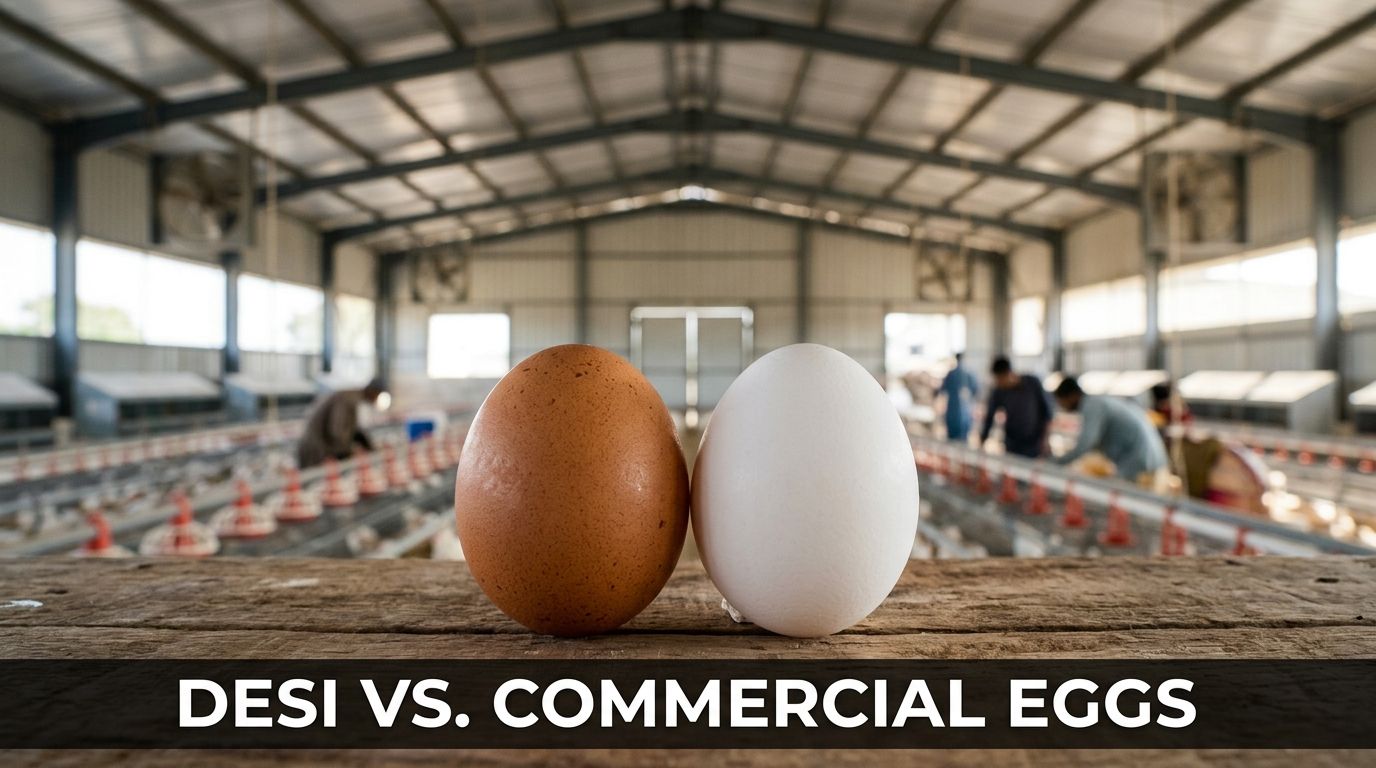
The most significant factor influencing an egg's shell color is its genetic lineage. Hens with white plumage and earlobes are genetically predisposed to lay white eggs, whereas brown-feathered hens with red earlobes typically produce brown eggs. It is a fundamental biological attribute. For instance, commercial layer breeds such as White Leghorns are predominantly utilized for their high yield of white-shelled eggs, while breeds like Rhode Island Reds or certain local strains contribute to brown egg production.

Industry Insight: The pigmentation of an egg's shell is exclusively a genetic characteristic of the hen and bears no correlation with the egg's internal quality or nutritional profile. Prioritizing freshness and robust handling practices is paramount.

Nutritional Equivalence: Debunking the 'Healthier Brown Egg' Myth

A pervasive misconception within Pakistani consumer segments posits that brown eggs inherently offer superior nutritional benefits, often conflated with 'organic' or 'natural' attributes. Scientific consensus unequivocally refutes this claim.

Extensive scientific research consistently demonstrates that there is no significant nutritional difference between white and brown eggs. Both varieties are excellent sources of:

  • High-quality protein
  • Essential Vitamins (A, D, E, B12)
  • Key Minerals (iron, selenium, phosphorus)
  • Choline (vital for cognitive health)
  • Omega-3 fatty acids (if the hens' diet is appropriately supplemented)

Any discernible variations in nutrient profiles are predominantly attributable to the hen's dietary regimen, welfare standards, and overall physiological health, rather than the phenotypic trait of shell coloration.

Sensory Perception vs. Reality: The Taste Profile of White and Brown Eggs

Empirical sensory evaluations consistently demonstrate that the majority of consumers are unable to reliably differentiate between white and brown eggs based solely on taste. Any perceived differences are largely subjective and commonly influenced by:

  • Freshness: A fresher egg, irrespective of shell color, will invariably exhibit superior flavor characteristics.
  • Hen's Diet: The hen's feed composition can subtly impact yolk pigmentation and flavor. For example, a diet enriched with alfalfa or marigold extracts can result in a deeper, more vibrant yolk hue.
  • Cooking Method: The preparation technique exerts a far greater influence on an egg's ultimate taste profile.

Ultimately, the notion that brown eggs possess a 'richer' or 'more natural' flavor compared to white eggs is predominantly a psychological construct, often perpetuated by marketing narratives or entrenched traditional beliefs within various communities.

Market Caution: Stakeholders are advised to critically evaluate market premiums attributed to brown eggs that are solely predicated on unsubstantiated health or taste claims. The primary criteria for procurement should remain verifiable freshness and supply chain integrity.

Market Dynamics and Pricing in Pakistan: An Analysis of Egg Valuations

Given the established nutritional and sensory equivalence, understanding the factors contributing to price disparities for brown eggs in Pakistani markets and mandis requires a comprehensive analysis.

The price discrepancy primarily stems from a combination of the following factors:

  1. Breeding Economics & Feed Conversion Ratio: Brown egg-laying breeds typically exhibit larger body mass and higher feed conversion ratios compared to white egg layers. This increased input cost per unit of egg mass contributes to a marginally elevated production cost for farmers.
  2. Consumer Perception & Market Demand: A robust consumer perception, often associating brown eggs with superior health attributes or 'desi' (indigenous/natural) origins, fuels higher demand within specific market segments. This elevated demand, juxtaposed against potentially lower large-scale commercial supply (as white egg layers often demonstrate superior efficiency in industrial settings), can exert upward pressure on brown egg prices.
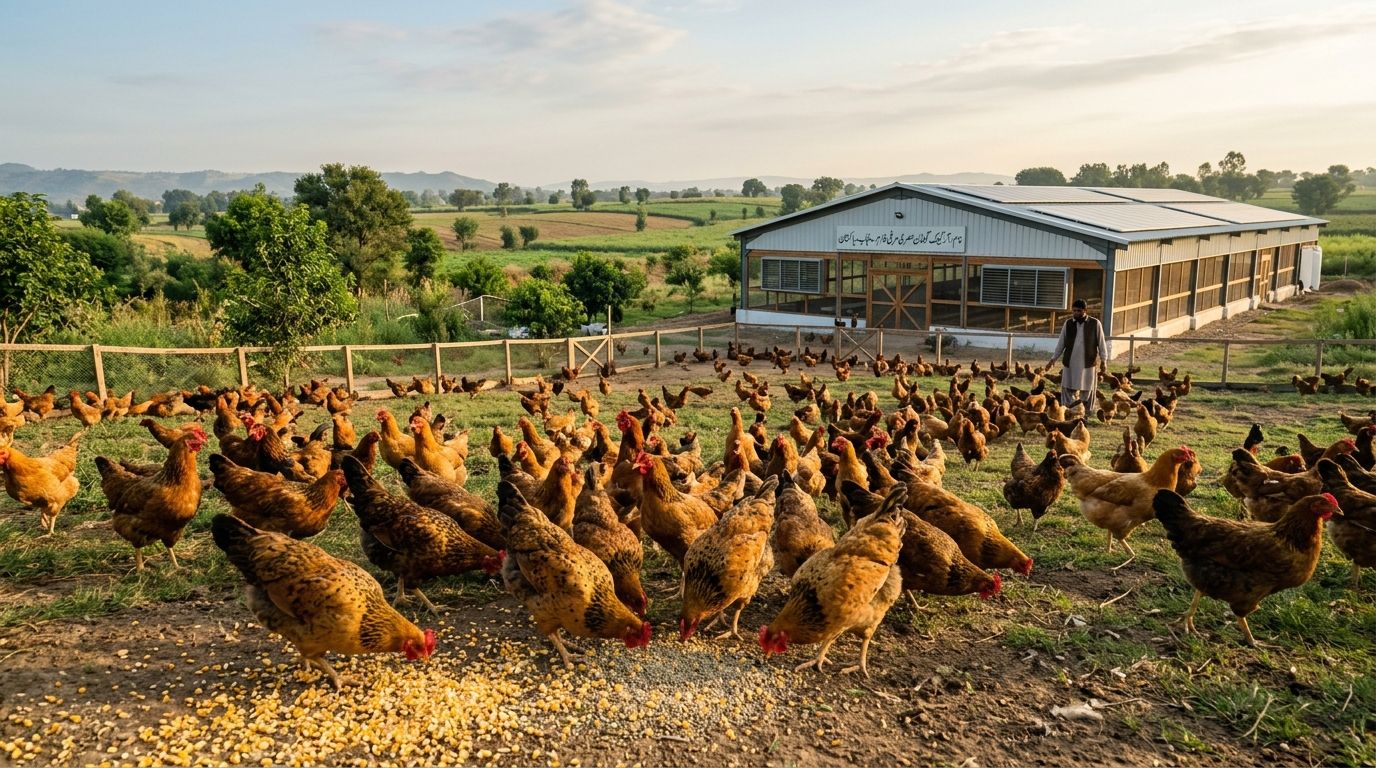
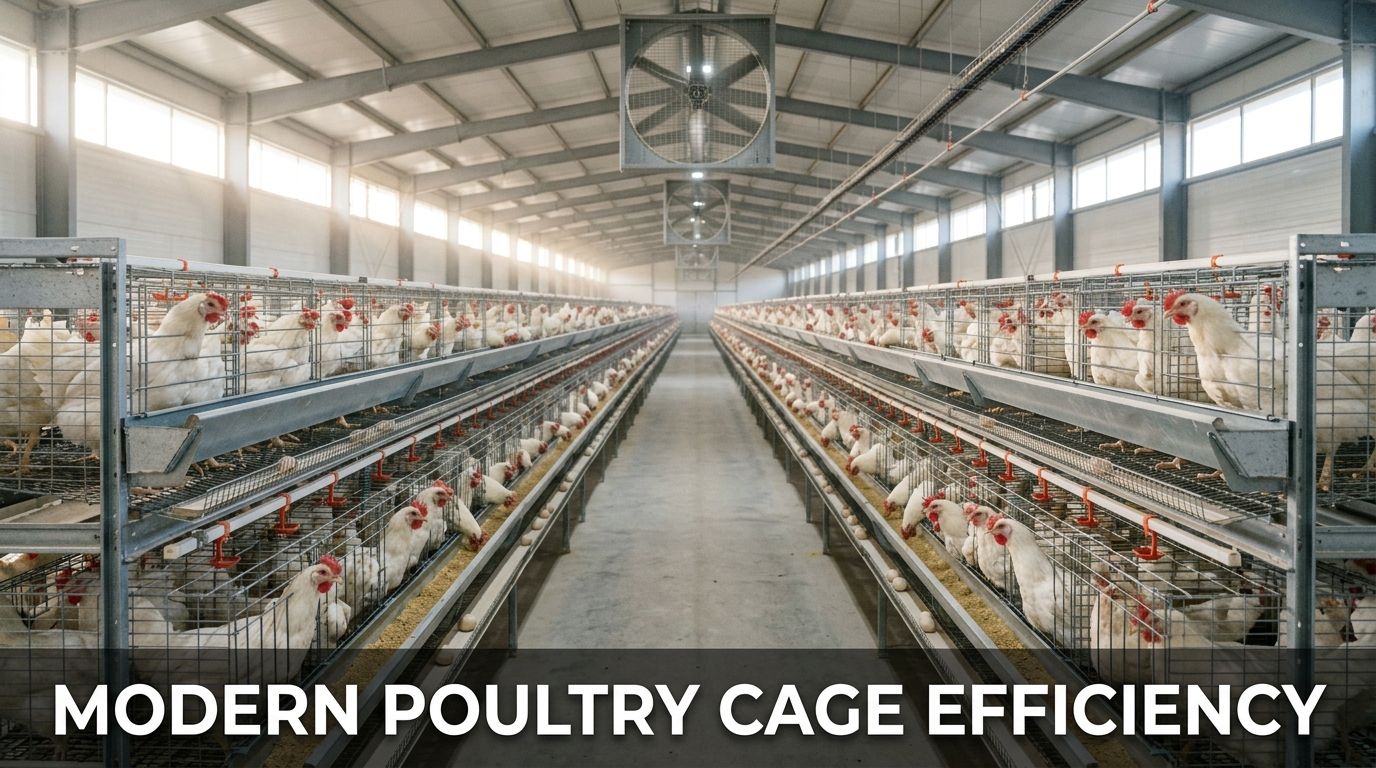
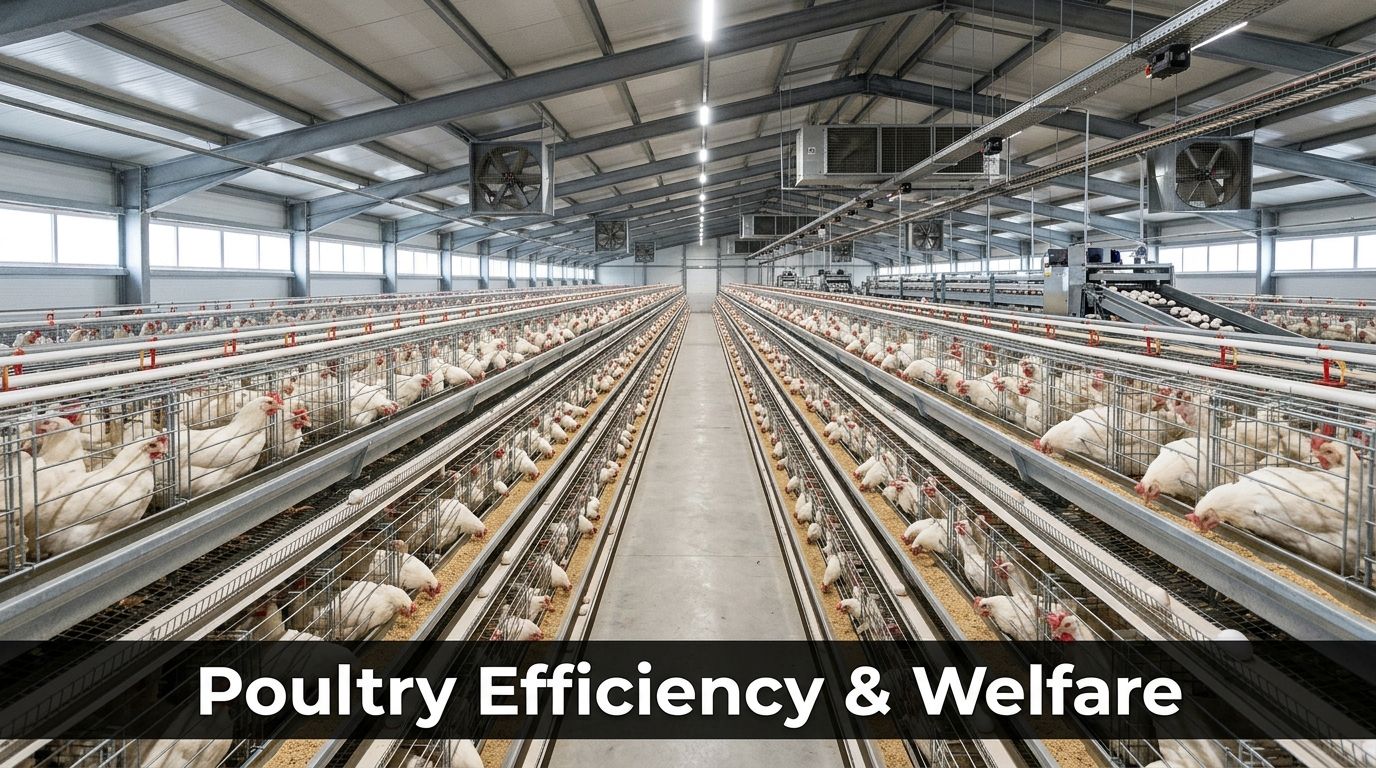
  3. Production Scale & Supply Chain Structure: Large-scale commercial poultry operations across Pakistan frequently optimize for white egg-laying breeds due to their production efficiency and economies of scale. Conversely, brown eggs are often procured from smaller, more traditional or niche farms, which may operate with higher per-unit production costs.

Poultry Baba Market Insight: Our continuous analysis of egg prices across Pakistani markets consistently indicates that while brown eggs may periodically achieve a marginal premium, this differential is subject to notable fluctuation. Strategic procurement mandates a focus on verifiable freshness and overall value, irrespective of shell pigmentation.

Strategic Egg Procurement in Pakistan: Best Practices

Whether opting for white or brown eggs, ensuring the acquisition of fresh, quality produce is paramount. Here's what Poultry Baba recommends for industry stakeholders and consumers alike:

  • Freshness Verification: Prioritize eggs with clean, intact shells. In local procurement hubs, inquire about the packing or laying date. For domestic assessment, the float test remains a reliable indicator (fresh eggs submerge; older eggs exhibit buoyancy).
  • Vendor Credibility: Engage with established suppliers or direct farm sources renowned for adherence to robust production and hygiene protocols.
  • Optimal Storage: Refrigeration is critical for prolonging shelf life and mitigating microbial proliferation.

Poultry Baba's Definitive Stance

At Poultry Baba, our mandate is to foster transparency and informed decision-making within the poultry industry. The evidence regarding white versus brown eggs is unambiguous: both varieties are nutritionally equivalent and possess comparable culinary utility. Procurement decisions should therefore be predicated on considerations of availability, economic viability, and specific market requirements, rather than on unsubstantiated health or quality claims.

By prioritizing fresh eggs from verifiable, reputable sources, the industry can consistently deliver a healthy, versatile, and economically viable protein solution to the Pakistani populace, irrespective of shell coloration!

1. Current Egg Rates

Egg prices in Punjab change daily due to feed cost, demand, supply, transportation and weather. Below is the latest update from major poultry markets.

2. City-Wise Egg Rate Table (Punjab)

All rates are in PKR | Per Dozen

CityFarm PriceWholesale PriceRetail PriceUnitUpdatedChange
LahorePKR 238PKR 252PKR 282DozenMay 24, 2026↓ -2%
KahnaN/AN/AN/ADozenAug 06, 20260%
RaiwindN/AN/AN/ADozenAug 06, 20260%
Lahore CanttN/AN/AN/ADozenAug 06, 20260%
BarkiN/AN/AN/ADozenAug 06, 20260%
ShalimarN/AN/AN/ADozenAug 06, 20260%
BaghbanpuraN/AN/AN/ADozenAug 06, 20260%
Model TownN/AN/AN/ADozenAug 06, 20260%
Kot LakhpatN/AN/AN/ADozenAug 06, 20260%
Raiwind TownN/AN/AN/ADozenAug 06, 20260%
...
Prices may vary slightly in your area. Always check mandi rates before final purchases.

3. Poultry Market Relevance for SAARC, MENA, Asia & Europe

Punjab is one of the largest poultry production hubs in South Asia. Its egg prices impact markets in Pakistan, India, Bangladesh, UAE, Saudi Arabia and other importing countries.

SAARCWithin the SAARC region, encompassing nations such as Pakistan, India, Bangladesh, and Sri Lanka, egg consumption is exceptionally high, positioning eggs as a critical and affordable protein source. The distinction between white and brown eggs is a common topic of consumer discussion, with brown eggs frequently garnering a perception of superior 'desi' or natural quality. This perception, often prevalent despite the absence of nutritional differentiation, significantly influences market pricing and consumer preferences across the subcontinent.
MENAThe MENA region, particularly the Gulf Cooperation Council (GCC) states, relies heavily on food imports, including substantial quantities of eggs. While domestic egg production capacities are developing, regional preferences for white versus brown eggs exhibit cultural and demographic variations. While the nutritional value of eggs is universally acknowledged, consumer perceptions regarding shell color can demonstrably influence procurement and market demand patterns within these diverse economies.
AsiaAcross the broader Asian continent, from Southeast to East Asia, eggs constitute a fundamental dietary component. While the discourse surrounding white versus brown eggs exists, it is often less pronounced compared to South Asian markets. Large-scale commercial poultry operations frequently favor white egg-laying breeds due to their superior production efficiency, resulting in their widespread availability and generally more competitive pricing.
EuropeEuropean markets exhibit varied preferences for egg shell color, with notable distinctions such as the strong preference for brown eggs in the United Kingdom versus the prevalence of white eggs in France. Crucially, stringent regulatory frameworks governing free-range and organic designations, alongside animal welfare standards, are the primary determinants influencing consumer purchasing decisions and market premiums, overshadowing shell coloration as a key driver.

4. Frequently Asked Questions (FAQs)

Find immediate answers to the most common questions regarding this topic.

1. Are brown eggs inherently organic or more natural than white eggs?
No, the shell color of an egg bears no intrinsic relationship to its organic status, free-range classification, or natural attributes. These qualities are exclusively determined by the hen's dietary regimen, living conditions, and farming practices, entirely independent of its breed or egg coloration.
2. Why do brown eggs often command a higher price in Pakistani markets?
Brown eggs can be pricier due to several converging factors: the breeds laying brown eggs are often larger and require more feed (leading to elevated production costs); furthermore, a strong consumer perception across Pakistan associates brown eggs with superior health or 'desi' origins, driving increased demand in specific market segments.
3. Does the yolk color signify an egg's nutritional value?
While a darker yolk may indicate that a hen's diet was rich in certain pigments (e.g., from alfalfa or marigolds), yolk coloration itself does not necessarily denote a superior nutritional profile. All yolks are inherently nutrient-dense, irrespective of their hue.

Poultry Baba Expert Analysis: Deconstructing Egg Color Perceptions in Pakistani Markets

Our comprehensive expert analysis dissects prevalent misconceptions regarding white and brown eggs, elucidating how deep-seated consumer perceptions and nuanced market dynamics, rather than intrinsic nutritional disparities, dictate pricing trends across Pakistan's diverse poultry landscape. We provide strategic insights for informed procurement.

Read Full Analysis

5. Sources & Methodology

Official Mandi Price Indices: How rates are collected

View Data Source

6. Frequently Asked Questions

Get immediate answers to 3 major questions about this update.

Poultrybaba, Punjab Pakistan

poultry baba
poultry baba
poultry baba

Today's Top Rates

Live Broiler (Farm)Rs. 265 / kg
Broiler Meat (Retail)Rs. 440 / kg
Day Old Broiler ChickRs. 45 / Piece
Broiler FeedRs. 5,000 / 40kg
View All Rates

Popular Tags

White vs Brown Eggs PakistanEgg nutritionegg shell colorpoultry rates Pakistanbrown egg pricewhite egg pricePoultry Baba eggsdesi eggsegg mythspoultry industry Pakistanegg market analysis Pakistan

Follow Us

Download Our App

GET IT ONGoogle Play
Healthy Chicks Advertisement👆 CLICK NOW!Buy Poultry Feed Advertisement👆 CLICK NOW!

Related Articles

Get Daily Poultry Rates & Market Updates

Download the official Poultry Baba Android App now to track live mandi rates, historic charts, feed prices, and expert poultry farm guidelines instantly on your phone!

Get it on Google Play

Give us a shout

PoultryBaba Logo

Pakistan's premier B2B poultry stock exchange and live market intelligence platform, connecting farmers, traders, and businesses nationwide.

Official Android AppGet it on Google Play

CONTACT US

support@poultrybaba.com
Nawab house, Nawab city, Gojra road, Samundri, Faisalabad, Punjab, Pakistan

STAY CONNECTED

Subscribe to our YouTube channel and join our social media communities to stay updated on poultry market trends.

FacebookTwitterTikTokWhatsAppLinkedInYouTube

Copyright © 2026 PoultryBaba. All Rights Reserved.