

Understanding the Enduring Appeal of the Rhode Island Red Chicken
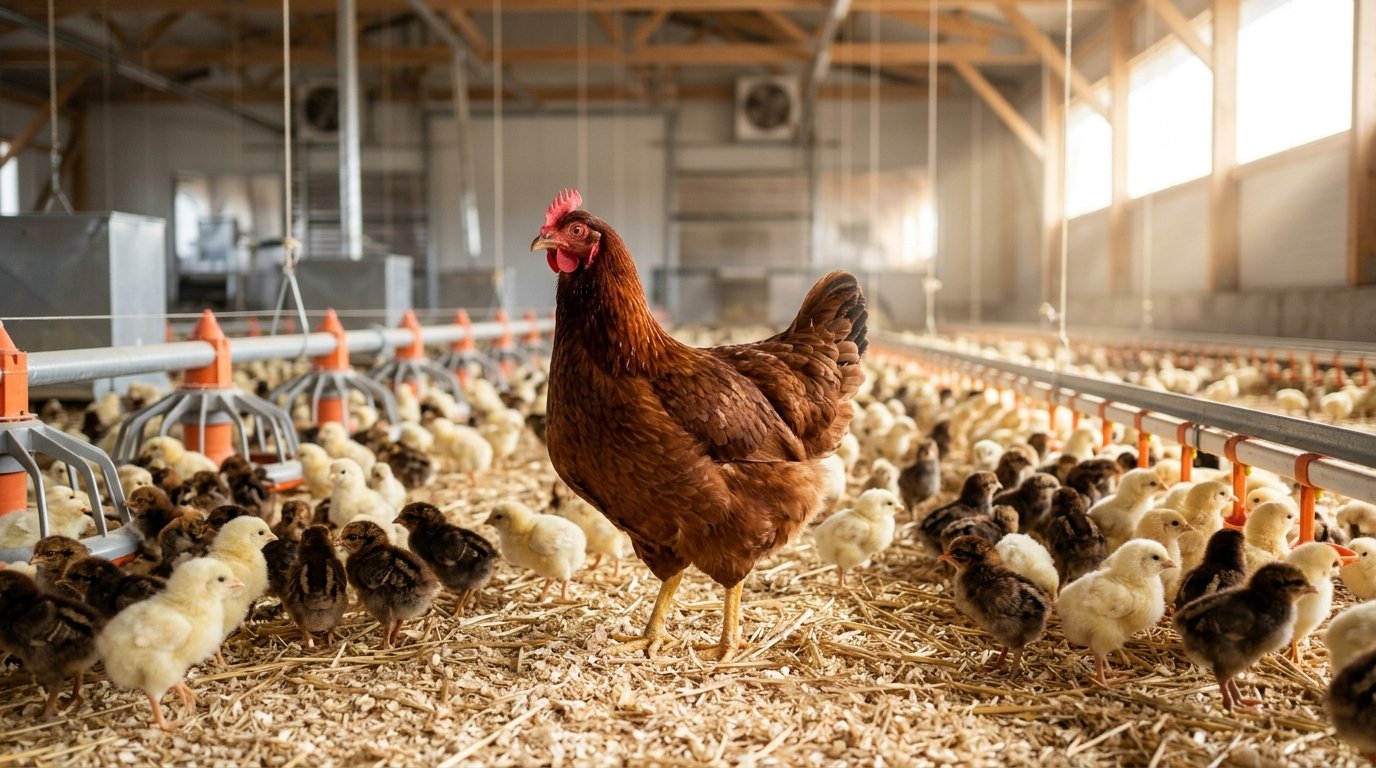
In the vast and dynamic world of poultry farming, selecting the right breed is paramount to success. Among the myriad choices, one breed consistently stands out for its versatility, hardiness, and productivity: the Rhode Island Red. Renowned globally as a superior dual-purpose chicken, the Rhode Island Red (RIR) offers an compelling blend of prolific egg-laying capabilities and respectable meat production, making it a cornerstone for both commercial enterprises and backyard enthusiasts worldwide. This comprehensive guide delves into the multifaceted reasons behind the enduring popularity of the Rhode Island Red, exploring its historical roots, genetic advantages, economic contributions, and adaptability across diverse global poultry landscapes.
A Legacy of Excellence: Origin and Evolution
The Rhode Island Red's story began in the late 19th century in Rhode Island, USA. Developed from a cross of Malay, Shanghai (Cochin), and Java chickens, its breeders sought to create a robust fowl capable of thriving in harsh New England winters while providing both abundant eggs and flavorful meat. This selective breeding resulted in a bird that quickly gained recognition for its resilience and productivity. By the early 20th century, the RIR had not only cemented its status in North America but began its global expansion, becoming a foundational breed for poultry development in numerous countries across Europe, Asia, and Africa. Its genetic contributions are evident in many modern hybrid layers and broilers, a testament to its superior traits.
Defining Characteristics: Why RIRs Excel
The success of the Rhode Island Red can be attributed to a combination of distinct characteristics that make it an exceptional choice for various poultry operations:
1. Dual-Purpose Superiority
The RIR truly embodies the 'dual-purpose' ideal. Hens are celebrated for their prodigious egg production, while roosters and spent hens provide a good quality carcass for meat. This balanced utility significantly enhances the economic viability for small farmers and large-scale producers alike, allowing for diversified income streams.
2. Prolific Egg Production
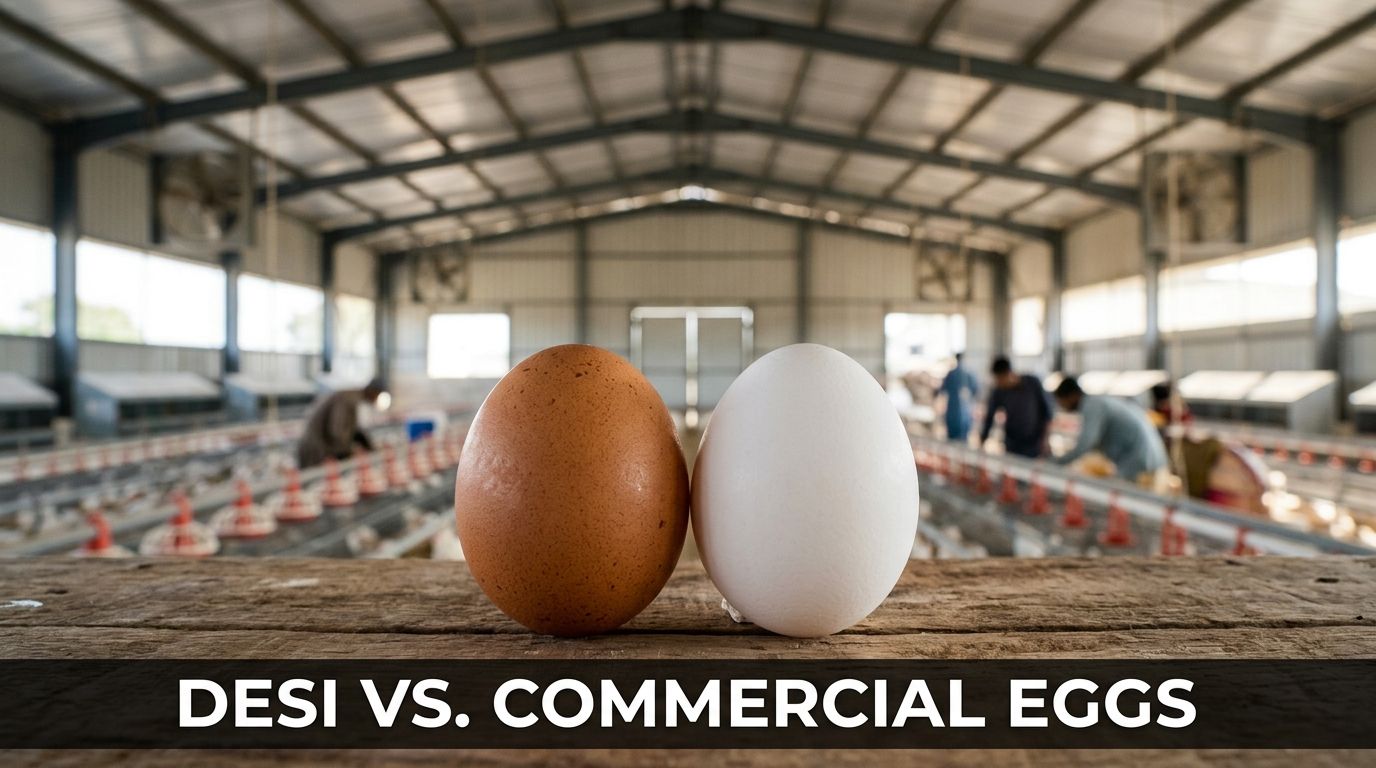
One of the primary reasons for choosing Rhode Island Reds is their outstanding egg-laying performance. On average, a healthy Rhode Island Red hen can lay between 250 to 300 large, brown eggs per year, often continuing productive laying for 3-5 years. This consistent output is a critical factor for profitability in egg production. According to the FAO (Food and Agriculture Organization), consistent layer breeds like the RIR play a crucial role in global food security, especially in regions where access to protein sources is vital.
3. Robust Meat Quality
While not as fast-growing as specialized broiler breeds like Cornish Cross, RIRs offer a respectable meat yield with excellent flavor and texture. Roosters typically reach a market weight of 7-8 pounds (3.2-3.6 kg), and hens 6.5-7.5 pounds (2.9-3.4 kg), making them a suitable option for homesteaders or niche markets seeking slower-grown, higher-quality poultry meat. The USDA (United States Department of Agriculture) recognizes heritage breeds like the RIR for their contribution to diverse and sustainable food systems.
4. Exceptional Hardiness and Adaptability
Rhode Island Reds are notoriously hardy birds. They tolerate a wide range of climates, from the cold winters of temperate zones to the warmer conditions of tropical regions, provided adequate shade and water are available. Their robust constitution makes them less susceptible to common poultry ailments compared to more fragile breeds, contributing to lower mortality rates and reduced veterinary costs. This adaptability is particularly valuable for smallholder farmers in developing regions, as noted by the WOAH (World Organisation for Animal Health) in their recommendations for resilient livestock breeds.
5. Docile Temperament and Active Foragers
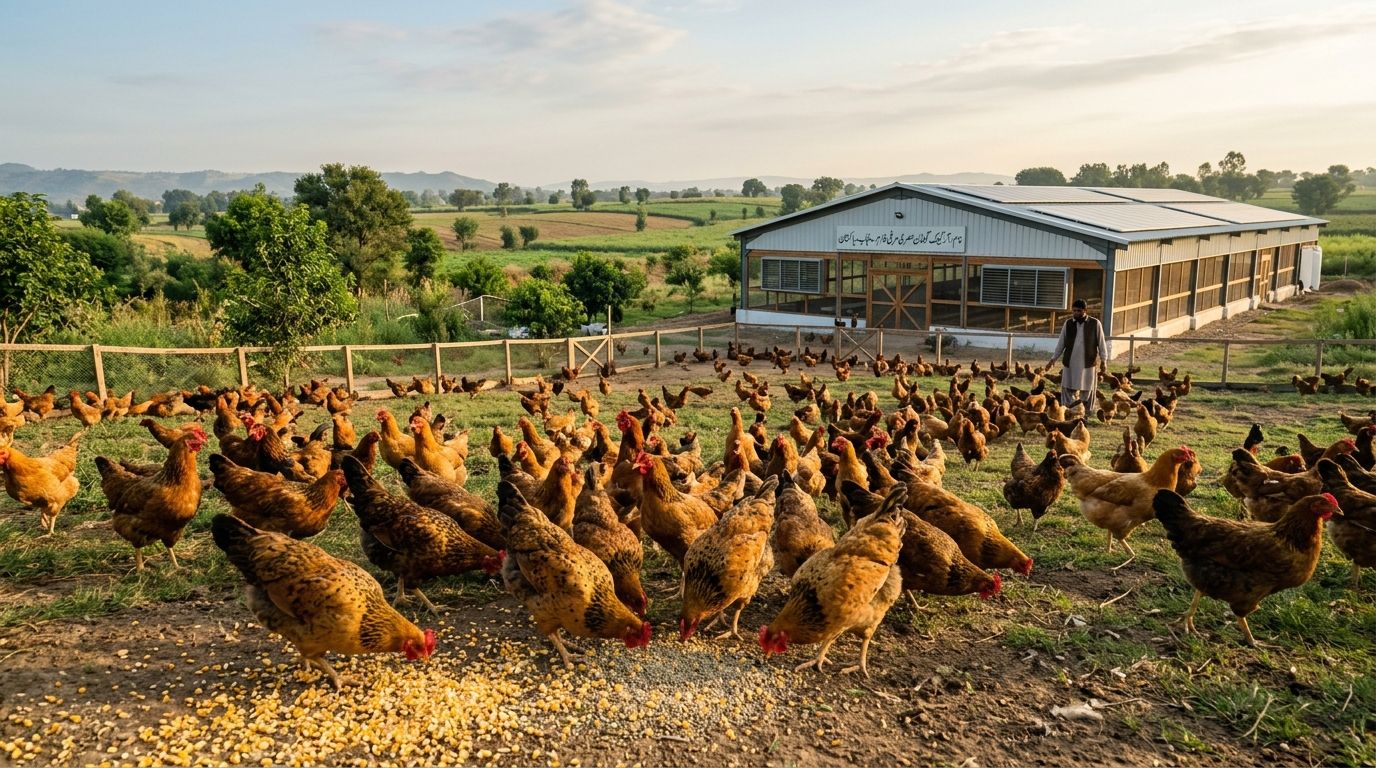
Generally, RIRs possess a calm and docile temperament, making them easy to manage and suitable for mixed flocks. They are also active foragers, eager to scratch and peck for insects and greens if given the opportunity. This foraging behavior can reduce feed costs, especially for free-range or pasture-raised systems, improving overall economic efficiency. However, some roosters can exhibit territorial behavior, a common trait across many poultry breeds.
Economic Viability and Profitability Analysis
The economic benefits of raising Rhode Island Reds are multifaceted, extending beyond just egg and meat production:
- Feed Conversion Efficiency: While not the absolute best, RIRs have a respectable feed conversion ratio for a dual-purpose bird. Their ability to forage also supplements their diet, reducing reliance on expensive commercial feeds.
- Longevity of Production: Unlike some commercial layers that burn out after 1-2 years, RIRs maintain good egg production for several years, offering a longer return on initial investment.
- Disease Resistance: Their inherent hardiness often translates to lower veterinary expenses and a more resilient flock, a significant factor in profitability, particularly in regions with limited animal health infrastructure.
- Market Demand: Both their large brown eggs and flavorful meat are highly sought after in many markets, ensuring a consistent demand for RIR products.
Management Considerations for RIRs
To maximize the potential of Rhode Island Reds, consider the following management practices:
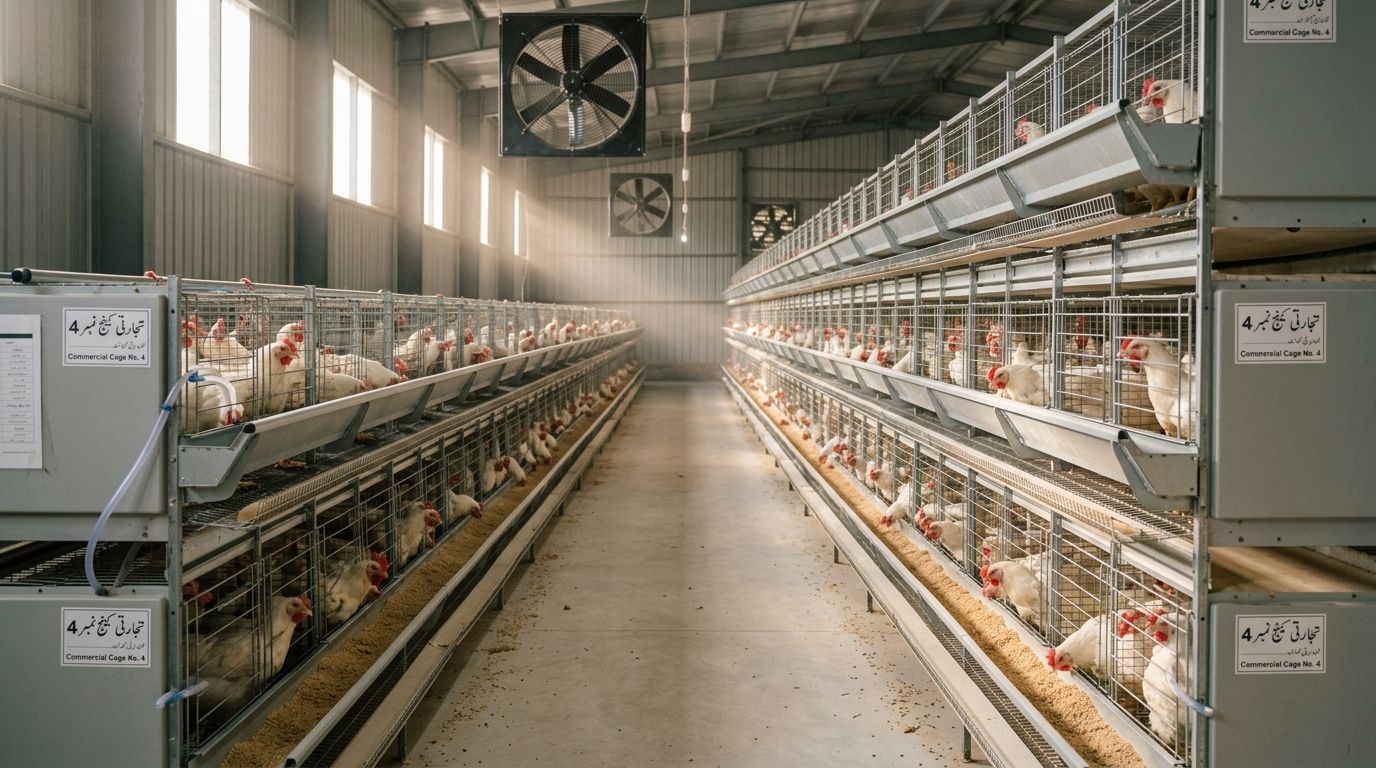
- Housing: Provide adequate space, ventilation, and protection from predators. A minimum of 3-4 square feet (0.28-0.37 sq meters) per bird inside the coop and 8-10 square feet (0.74-0.93 sq meters) per bird in an outdoor run is recommended.
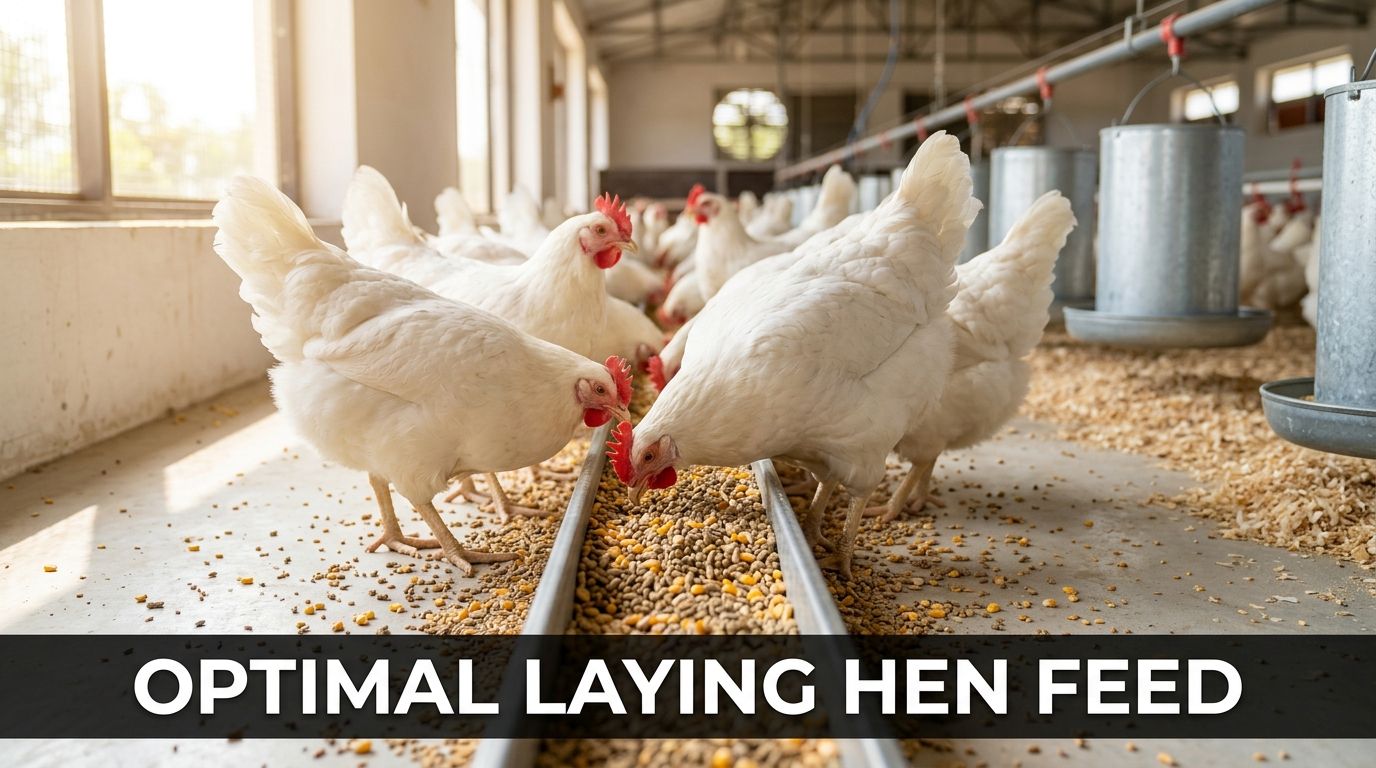
- Nutrition: A balanced diet appropriate for their age and production stage is vital. Layer feed (16-18% protein) for laying hens and grower feed for younger birds.
- Water: Constant access to fresh, clean water is essential for health and egg production.
- Nest Boxes: Provide one nest box for every 4-5 hens to encourage consistent laying.
Comparative Analysis: Rhode Island Red vs. Other Popular Breeds
To truly understand the RIR's standing, it's beneficial to compare it with other prominent chicken breeds used globally. This table highlights how RIRs stack up against specialized layers and other dual-purpose breeds.
| Feature | Rhode Island Red | White Leghorn (e.g., Hy-Line W-36) | Plymouth Rock (Barred) | Cornish Cross |
|---|---|---|---|---|
| Primary Use | Dual-Purpose (Eggs & Meat) | Egg Production | Dual-Purpose (Eggs & Meat) | Meat Production |
| Annual Egg Yield | 250-300+ | 300-320+ | 200-250 | Low (50-100) |
| Egg Color | Brown | White | Brown | Brown |
| Adult Hen Weight | 6.5-7.5 lbs (2.9-3.4 kg) | 4-5 lbs (1.8-2.3 kg) | 6-7.5 lbs (2.7-3.4 kg) | 8-12 lbs (3.6-5.4 kg) |
| Temperament | Docile, Active Forager | Flighty, Energetic | Calm, Friendly | Lethargic, Fast Growth |
| Hardiness | Excellent (cold & heat) | Good (especially heat) | Excellent (cold) | Moderate (prone to leg issues) |
| Feed Conversion | Good | Excellent | Good | Superior |
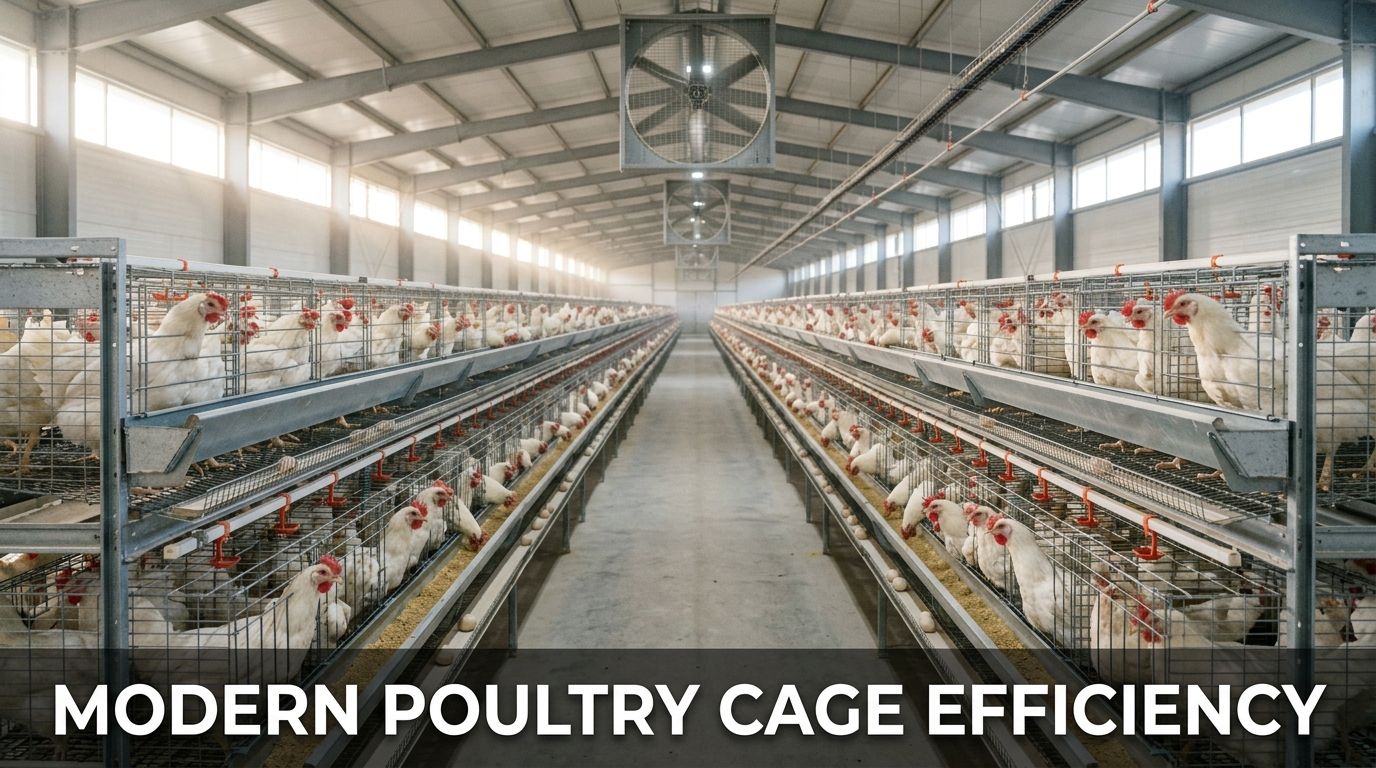
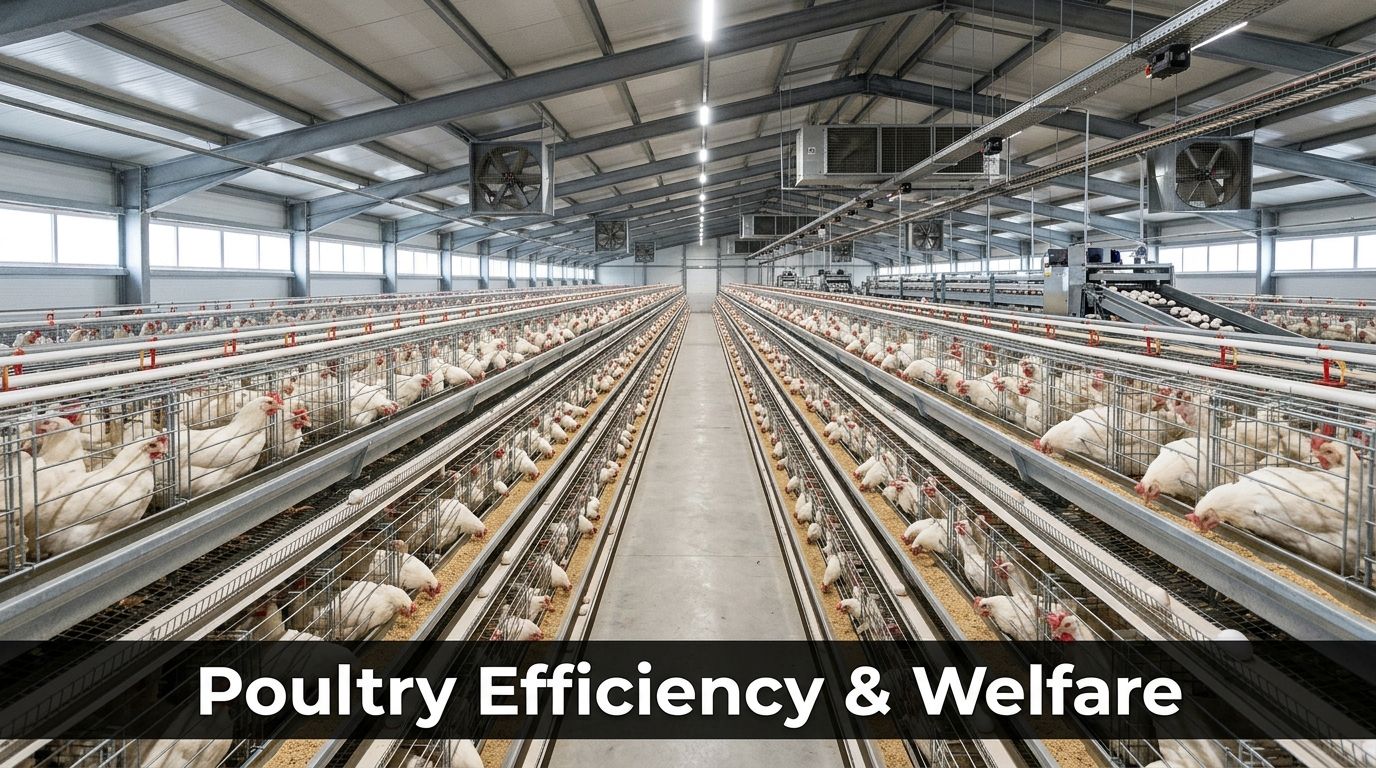
As the table illustrates, while specialized breeds might outperform RIRs in a single category (e.g., Leghorns for eggs, Cornish Cross for meat), the Rhode Island Red’s strength lies in its balanced performance across both. This versatility reduces risk and increases resilience for poultry operations, particularly those that need to adapt to fluctuating market demands for eggs and meat.
The Rhode Island Red's Global Footprint and Contribution to Sustainability
The global reach of the Rhode Island Red is significant. In many parts of the world, especially in developing nations, RIRs contribute substantially to household food security and income generation. Their adaptability to diverse local conditions, combined with their dual-purpose nature, makes them ideal for small-scale and backyard farming systems, which are crucial components of the global food chain. Organizations like the FAO consistently advocate for resilient, multi-purpose livestock breeds to support sustainable agriculture and rural livelihoods. The RIR fits this description perfectly, offering a sustainable model for protein production with relatively low input requirements compared to industrial-scale farming of single-purpose breeds.
Furthermore, the genetic diversity offered by heritage breeds like the Rhode Island Red is vital for long-term sustainability in poultry farming. Relying solely on a few commercial hybrid strains can lead to vulnerability to new diseases or environmental changes. Maintaining breeds like the RIR ensures a valuable gene pool for future breeding programs aimed at developing even more resilient and productive chickens.
Conclusion: A Timeless Choice for Modern Poultry Farming
The Rhode Island Red’s status as a premier chicken breed is well-deserved and deeply rooted in its proven performance. From its exceptional egg-laying capacity and robust meat quality to its remarkable hardiness and docile temperament, the RIR offers a compelling package for poultry farmers worldwide. Its economic viability, adaptability to various environments, and contribution to sustainable food systems solidify its position as a wise and enduring choice. Whether you are a commercial producer seeking reliable returns or a backyard enthusiast aiming for self-sufficiency, choosing the Rhode Island Red means investing in a breed that consistently delivers excellence, proving why it remains a global favorite in the poultry industry.