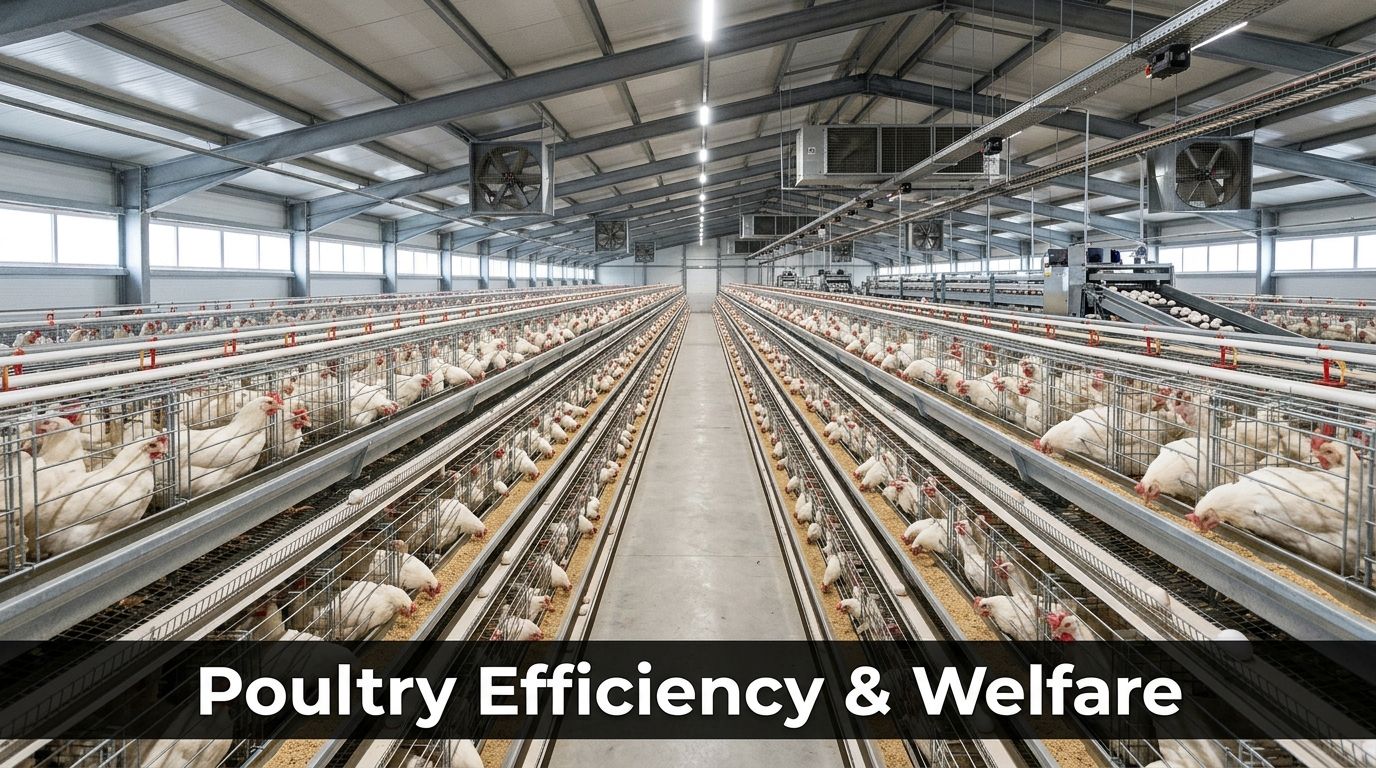
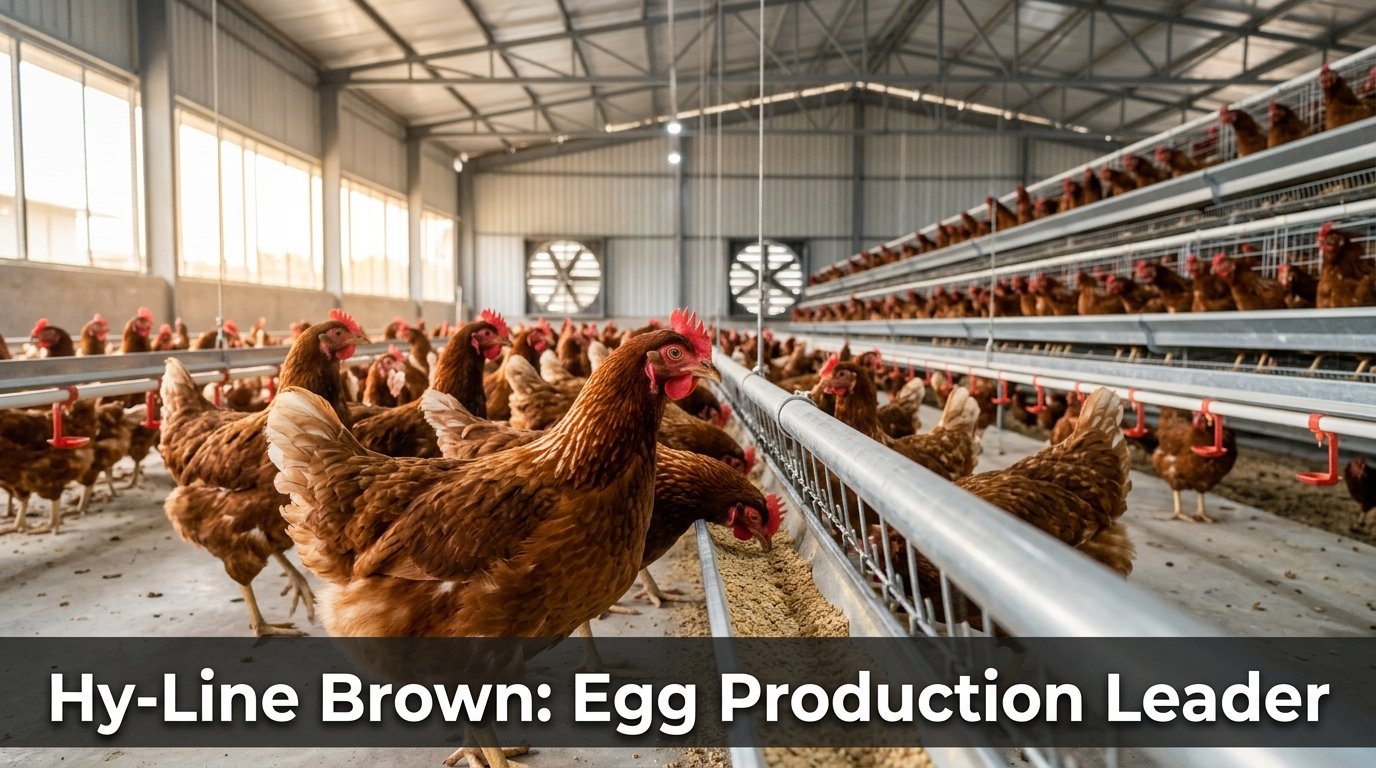


In the vast and ever-evolving landscape of global poultry farming, the choice of a layer breed is paramount to the success and profitability of any egg production enterprise. Amidst numerous contenders, one name consistently rises to the forefront: the Hy-Line Brown. This breed has not merely achieved widespread acceptance; it has established a dominant presence, becoming the benchmark for efficiency, productivity, and economic viability for commercial egg producers across the globe. Understanding why Hy-Line Brown holds such a prestigious position requires a comprehensive exploration of its genetic superiority, performance metrics, economic advantages, and adaptability.
The Genetic Edge: A Legacy of Precision Breeding
The Hy-Line Brown's success is rooted in decades of sophisticated genetic selection and breeding programs. Hy-Line International, a global leader in poultry layer genetics, has meticulously developed this strain to excel in key performance areas critical to commercial egg production. Unlike generic crossbreeds, the Hy-Line Brown is the product of continuous research and development, focusing on traits that directly translate into producer profitability and consumer satisfaction.
This genetic advantage manifests in a bird that is specifically engineered for high volume, consistent quality, and efficient resource utilization. The breeding program emphasizes traits such as early maturity, extended peak production, excellent livability, superior feed conversion, and robust eggshell quality. This holistic approach ensures that every Hy-Line Brown chick carries the genetic blueprint for maximum performance.
Key Performance Indicators: Unpacking Hy-Line Brown's Superiority
The reputation of the Hy-Line Brown is built on its outstanding performance across critical key performance indicators (KPIs). These metrics are meticulously tracked by poultry experts globally and consistently demonstrate the breed's leadership.
1. Unmatched Egg Production and Persistency
One of the most compelling reasons producers choose Hy-Line Brown is its prolific egg-laying capability. These birds are known for producing a high number of brown eggs over an extended laying cycle. Typically, a Hy-Line Brown hen can lay upwards of 350-370 eggs in a 70-80 week production cycle, and even more with extended cycles up to 100 weeks. This high cumulative egg number per housed hen significantly boosts overall farm output and revenue.
Furthermore, their persistency of lay is exceptional, meaning they maintain a high rate of lay well into the latter stages of their production cycle, avoiding sharp drops in egg numbers that can plague less genetically refined breeds. According to Hy-Line International's own performance standards, peak production can reach 93-95%, maintained for several weeks, which is a testament to their genetic efficiency.
2. Superior Feed Conversion Ratio (FCR)
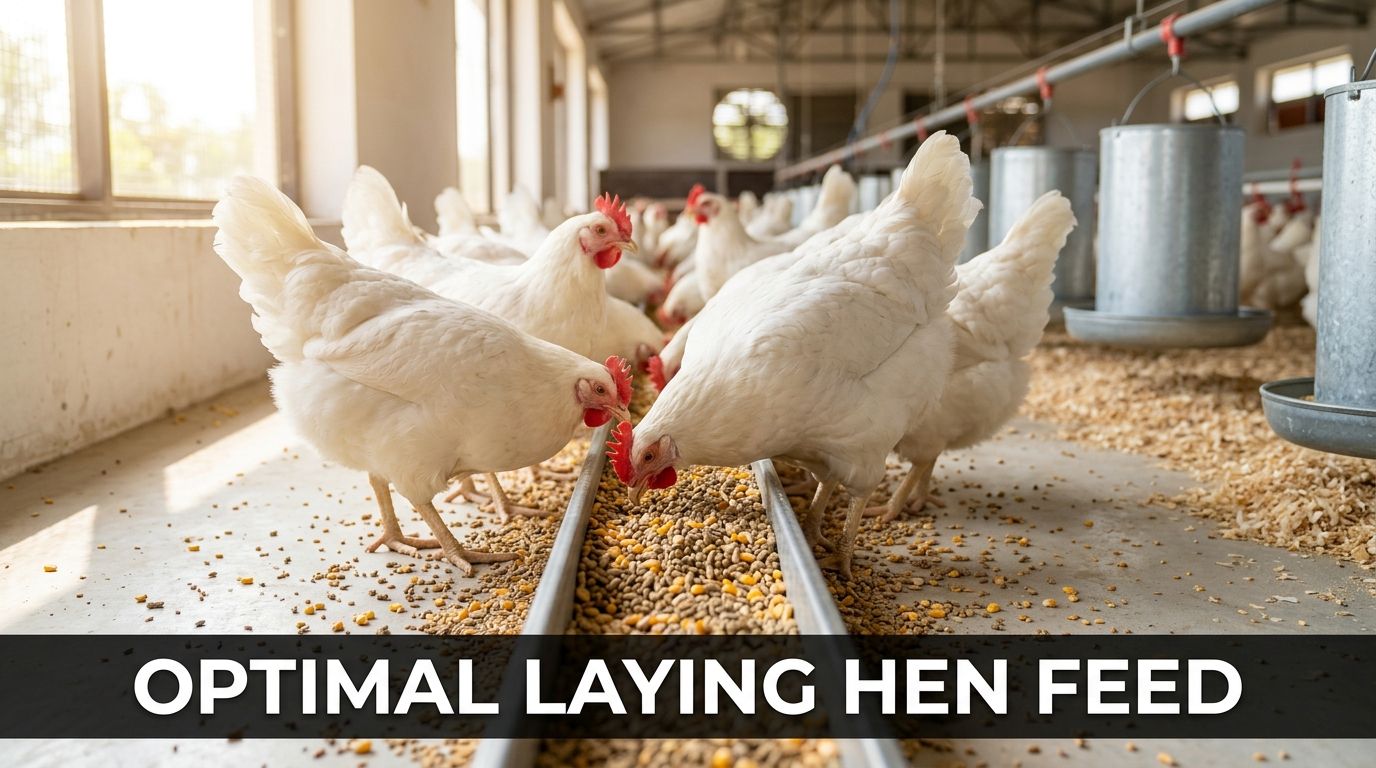
Feed is the single largest cost in egg production, often accounting for 60-70% of total operational expenses. The Hy-Line Brown excels in feed conversion, meaning it requires less feed to produce a dozen eggs compared to many other breeds. This efficiency translates directly into substantial cost savings for producers.
A typical Hy-Line Brown can achieve an FCR of 2.0-2.2 kg of feed per dozen eggs, depending on management and environmental factors. This efficiency is critical for profitability, especially in an era of volatile global feed ingredient prices. The FAO (Food and Agriculture Organization of the United Nations) consistently highlights feed efficiency as a key factor in sustainable poultry production, a criterion where Hy-Line Brown demonstrably performs well (FAO, 2021, 'The Poultry Sector').
3. Exceptional Egg Quality: Shell Strength and Internal Integrity
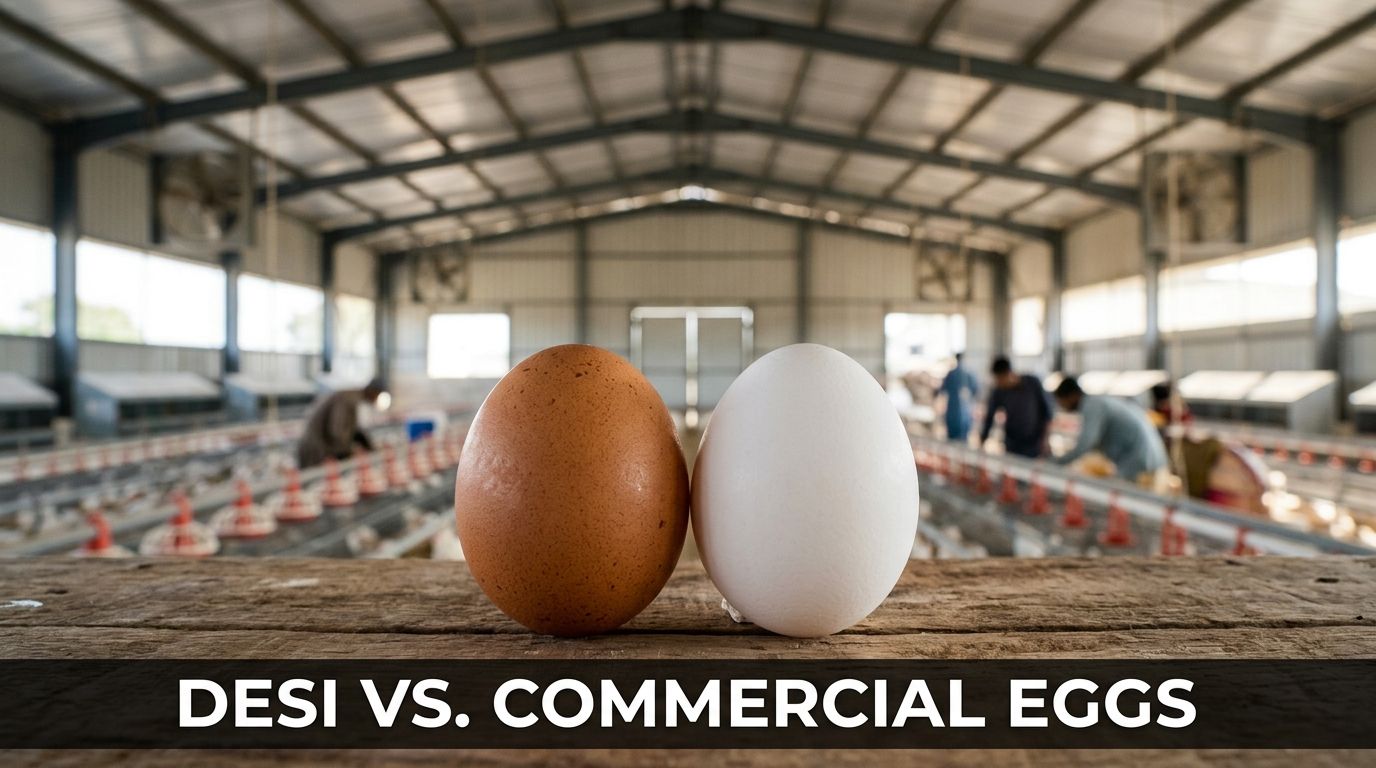
Marketability and consumer preference heavily rely on egg quality. Hy-Line Brown eggs are celebrated for their rich brown shell color, excellent shell strength, and consistent internal quality. Strong shells reduce breakage during collection, processing, and transport, minimizing losses for producers.
The breed consistently produces eggs with strong, uniform shells, high albumen quality, and a desirable yolk color, meeting stringent quality standards in various markets, from Europe to Asia. The USDA and EFSA (European Food Safety Authority) emphasize egg quality parameters for consumer safety and satisfaction, areas where Hy-Line Brown consistently performs well above average.
4. Robust Livability and Disease Resistance
A healthy flock is a productive flock. The Hy-Line Brown is known for its excellent livability and inherent robustness. This breed exhibits good resistance to common poultry diseases, a crucial factor in reducing mortality rates and veterinary costs. High livability means more hens remain productive throughout the laying cycle, maximizing the return on investment in pullets.
The WOAH (World Organisation for Animal Health) stresses the importance of biosecurity and genetic resistance in maintaining animal health. The inherent vigor of the Hy-Line Brown contributes significantly to flock health management, reducing the impact of environmental stressors and pathogens.
5. Desirable Temperament and Adaptability
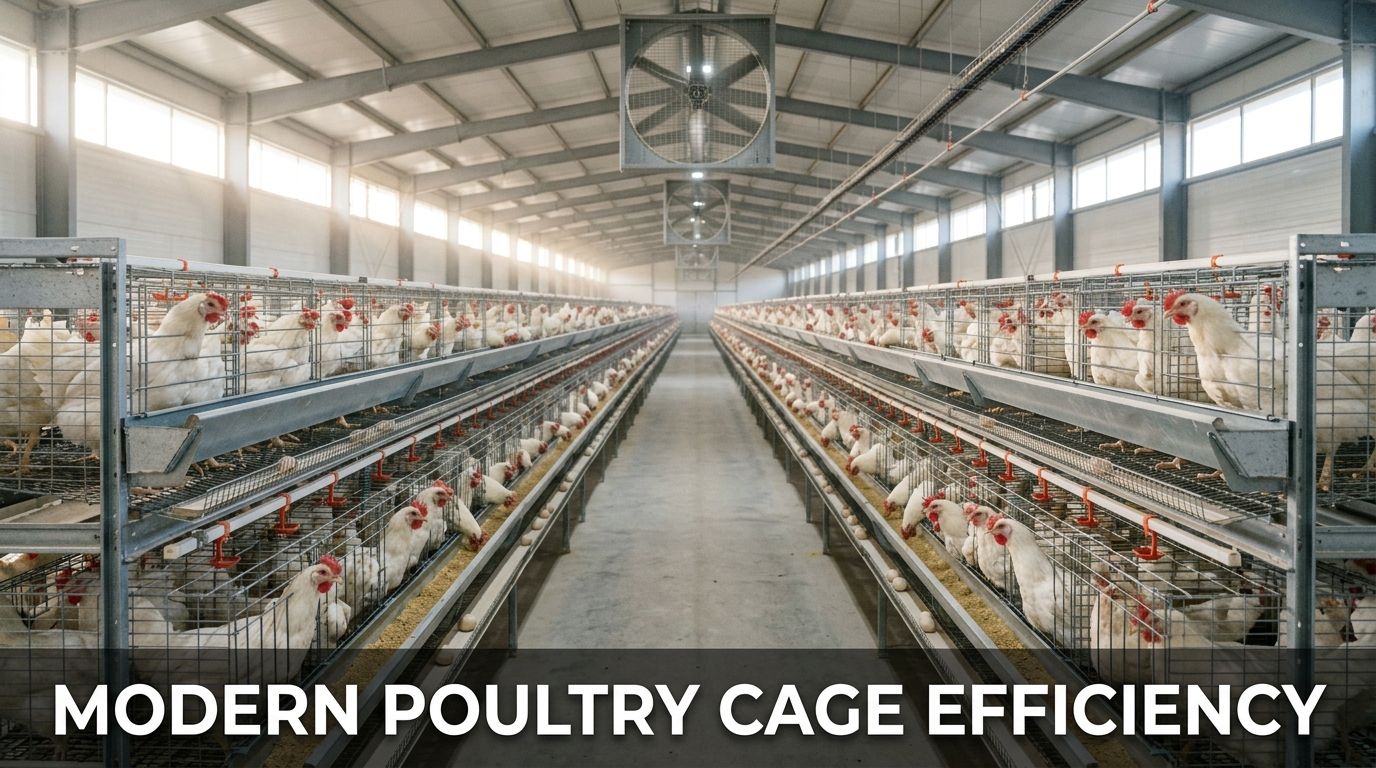
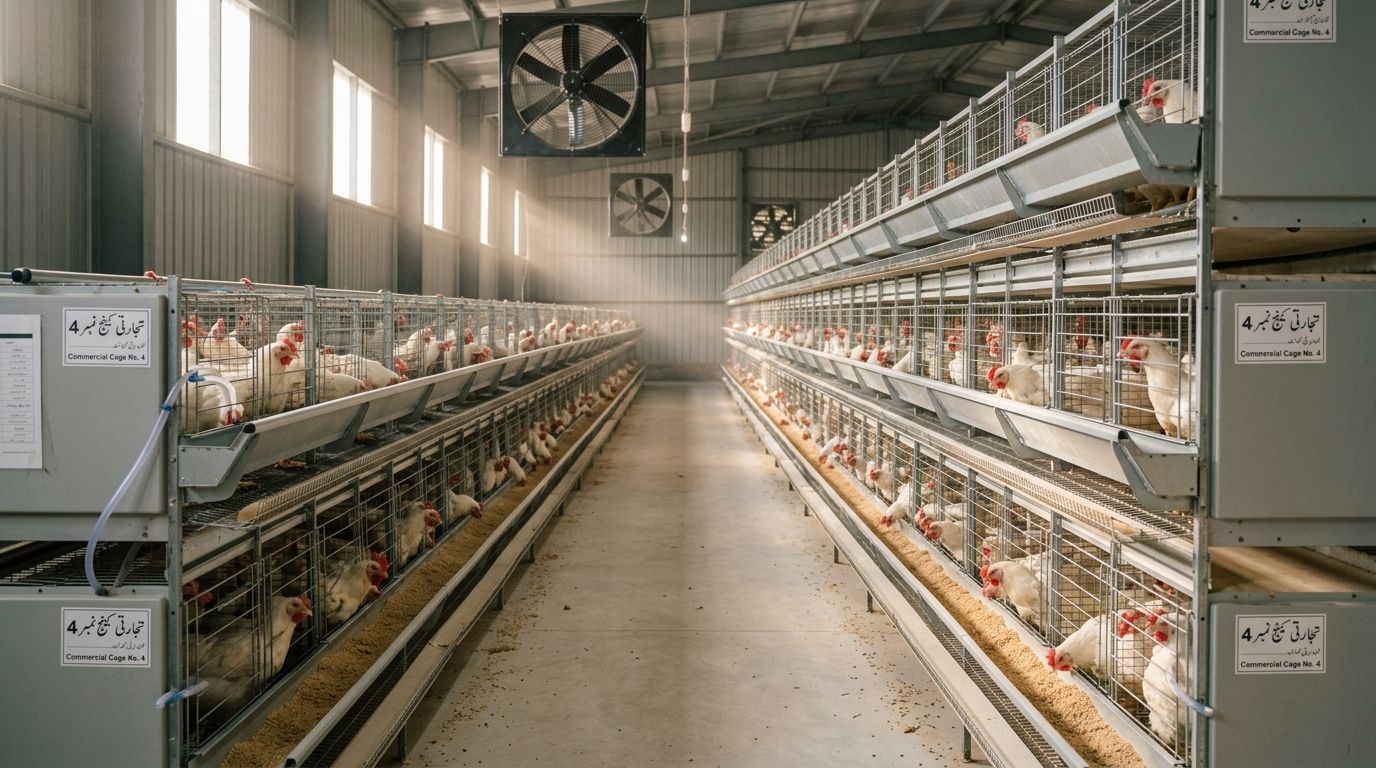
Hy-Line Brown hens are typically calm and easy to manage, which is beneficial for both the birds' welfare and farm operations. Their docile nature reduces stress-related issues, such as feather pecking or hysteria, which can negatively impact production. Moreover, their adaptability to various housing systems – from conventional cages to cage-free, aviary, and free-range environments – makes them a versatile choice for producers worldwide who must comply with diverse animal welfare regulations and market demands.
Economic Advantages for Global Producers
The sum of Hy-Line Brown's superior performance metrics translates into significant economic benefits for egg producers, making it a highly profitable choice globally.
- Increased Revenue: Higher egg numbers and extended lay cycles mean more product to sell.
- Reduced Costs: Lower feed consumption per egg and better livability directly cut operational expenses.
- Market Premium: Consistent, high-quality brown eggs often fetch better prices in many consumer markets.
- Lower Risk: Robust health and adaptability reduce the risks associated with disease outbreaks and environmental challenges.
Comparative Performance: Hy-Line Brown vs. Industry Averages
To illustrate the tangible benefits, consider the following indicative comparison of Hy-Line Brown performance against general industry averages for commercial brown egg layers. These figures are based on typical performance under good management conditions and serve as a general guide.
| Performance Metric | Hy-Line Brown (Typical) | Industry Average (Typical Commercial Brown Layer) | Advantage of Hy-Line Brown |
|---|---|---|---|
| Eggs per Housed Hen (to 70-80 weeks) | 350-370+ | 320-340 | +10-15% more eggs |
| Feed Conversion Ratio (kg feed/dozen eggs) | 2.00 - 2.20 | 2.25 - 2.45 | ~10% less feed per dozen eggs |
| Peak Production (%) | 93-95% | 90-92% | Higher and sustained peak |
| Livability (%) (to 70-80 weeks) | 93-96% | 90-93% | Lower mortality rates |
| Average Egg Weight (g) (at 70-80 weeks) | 62.0 - 64.5 | 60.0 - 63.0 | Consistent, marketable egg size |
| Shell Strength | Excellent | Good | Reduced breakage, higher market value |
(Source: Hy-Line International Performance Standards (indicative figures based on global averages), and general poultry industry benchmarks. Actual results may vary based on specific farm management, nutrition, and environmental conditions.)
Global Adoption and Contribution to Food Security
The Hy-Line Brown is found in nearly every major egg-producing region, from the Americas and Europe to Asia, Africa, and Oceania. Its global distribution underscores its adaptability and universal appeal to producers seeking reliable performance. This widespread adoption has significant implications for global food security. By providing an efficient means of producing affordable, high-quality protein, the Hy-Line Brown contributes directly to feeding a growing world population.
Organisations like the FAO continually stress the importance of efficient and sustainable animal agriculture. The Hy-Line Brown's genetic ability to convert feed into protein-rich eggs with minimal resource wastage aligns perfectly with global sustainability goals. Its resilience and high output make it an ideal choice for both large-scale industrial farms and smaller, integrated operations in developing regions.
Challenges and Future Outlook
While the Hy-Line Brown offers numerous advantages, producers must remain vigilant about management practices. Like all high-producing layers, they require precise nutritional programs to support their intense laying cycle. Moreover, maintaining excellent biosecurity and welfare standards is crucial to leverage their full genetic potential.
Looking ahead, Hy-Line International continues to invest in genetic research, aiming to further enhance feed efficiency, disease resistance, and adaptability to evolving market demands, including those for cage-free systems and alternative production methods. The commitment to innovation ensures that the Hy-Line Brown will likely remain a dominant force in global egg production for years to come, consistently delivering economic value to producers and nutritious food to consumers worldwide.
Conclusion: The Undeniable Choice for Egg Producers
In summary, the question of "why Hy-Line Brown" is answered definitively by its unparalleled combination of genetic superiority, high egg production, exceptional feed efficiency, robust health, and adaptability. These attributes converge to offer a compelling economic advantage, making it the preferred choice for commercial egg producers committed to profitability and sustainable operations. As the global demand for affordable and high-quality protein continues to rise, the Hy-Line Brown stands as a testament to the power of advanced poultry genetics in meeting this critical need.