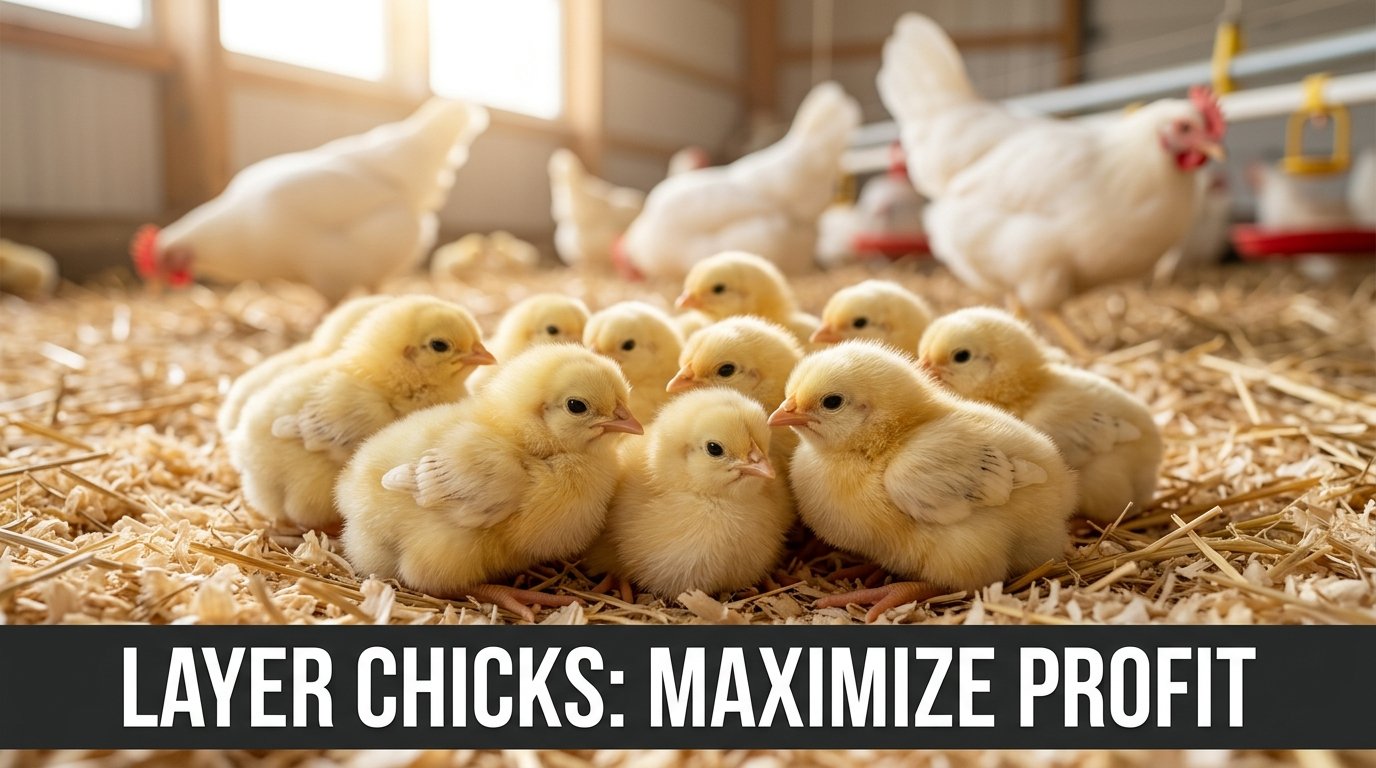


Choosing the Best Layer Breed in Pakistan: A Comprehensive Guide for Farmers
Pakistan’s poultry industry is a vibrant and essential component of its agricultural economy, providing affordable protein to millions. Within this sector, layer farming holds significant importance, contributing substantially to the national food security through egg production. With a burgeoning population and rising demand for protein, selecting the best layer breed is paramount for Pakistani farmers aiming for profitability and sustainability. This comprehensive guide delves into the most suitable layer breeds for the diverse climatic conditions and market demands of Pakistan, offering insights backed by research and practical experience.
The Economic Significance of Layer Farming in Pakistan
The poultry sector in Pakistan contributes approximately 1.4% to the national GDP and nearly 10.2% to the agricultural value addition, according to the Economic Survey of Pakistan (2022-23). Egg production plays a crucial role, with millions of eggs consumed daily across all provinces, from Karachi to Lahore, Peshawar to Quetta. This sustained demand makes layer farming an attractive venture, but its success hinges on several factors, primarily the choice of an appropriate breed that can thrive in local conditions and convert feed efficiently into eggs.
Key Factors for Selecting a Layer Breed in Pakistan
Before diving into specific breeds, it's essential to understand the criteria that make a layer breed 'best' for the Pakistani context:
- Climate Adaptability: Pakistan experiences extreme temperatures, from scorching summers to chilly winters. Breeds that can withstand these fluctuations without a significant drop in production are preferred.
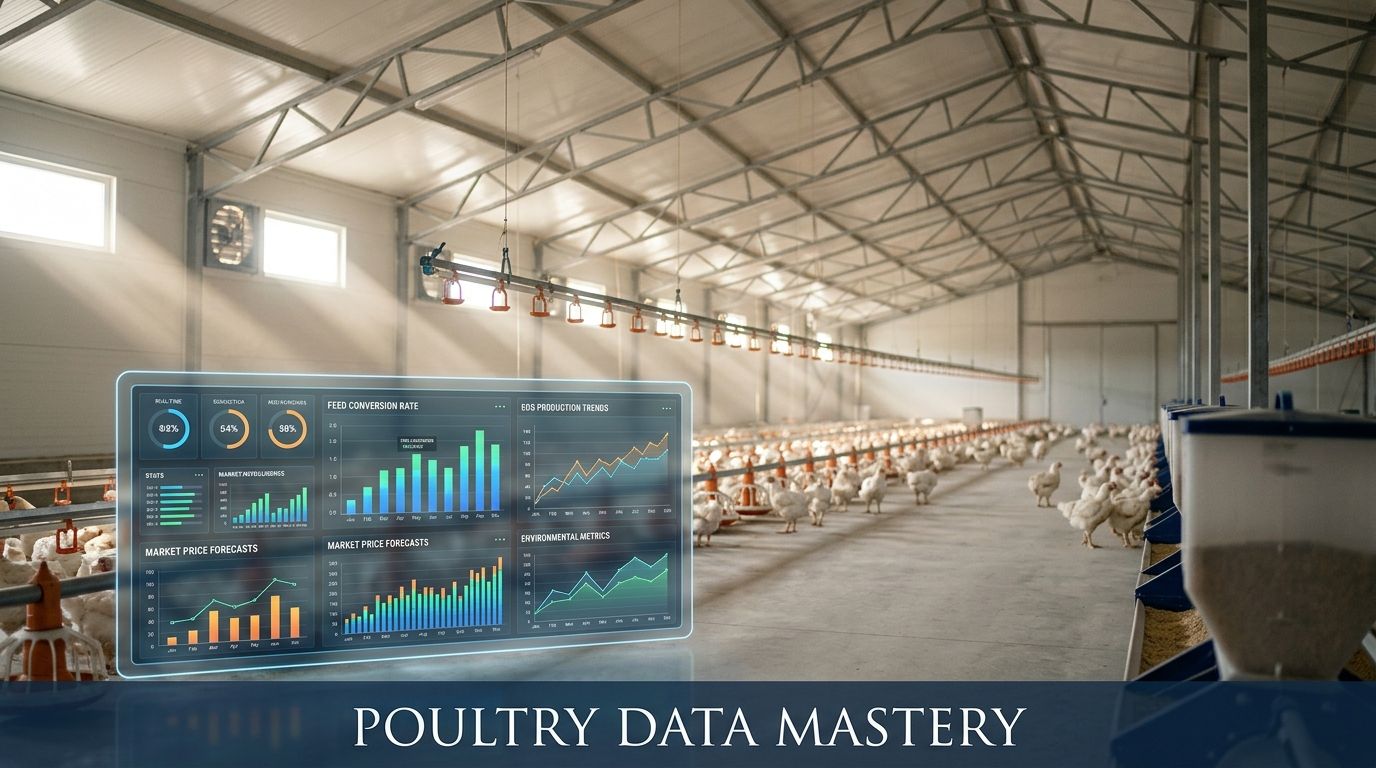
- Feed Conversion Ratio (FCR): With fluctuating feed prices, a breed that efficiently converts feed into eggs is economically viable. Low FCR means more eggs per unit of feed.
- Disease Resistance: Biosecurity is crucial, but breeds with natural resistance to common poultry diseases prevalent in Pakistan can significantly reduce mortality and medication costs.
- Egg Production & Quality: High egg numbers, good shell quality, and desirable egg size (medium to large) are critical for market acceptance and profitability.
- Temperament: Docile birds are easier to manage in various housing systems.
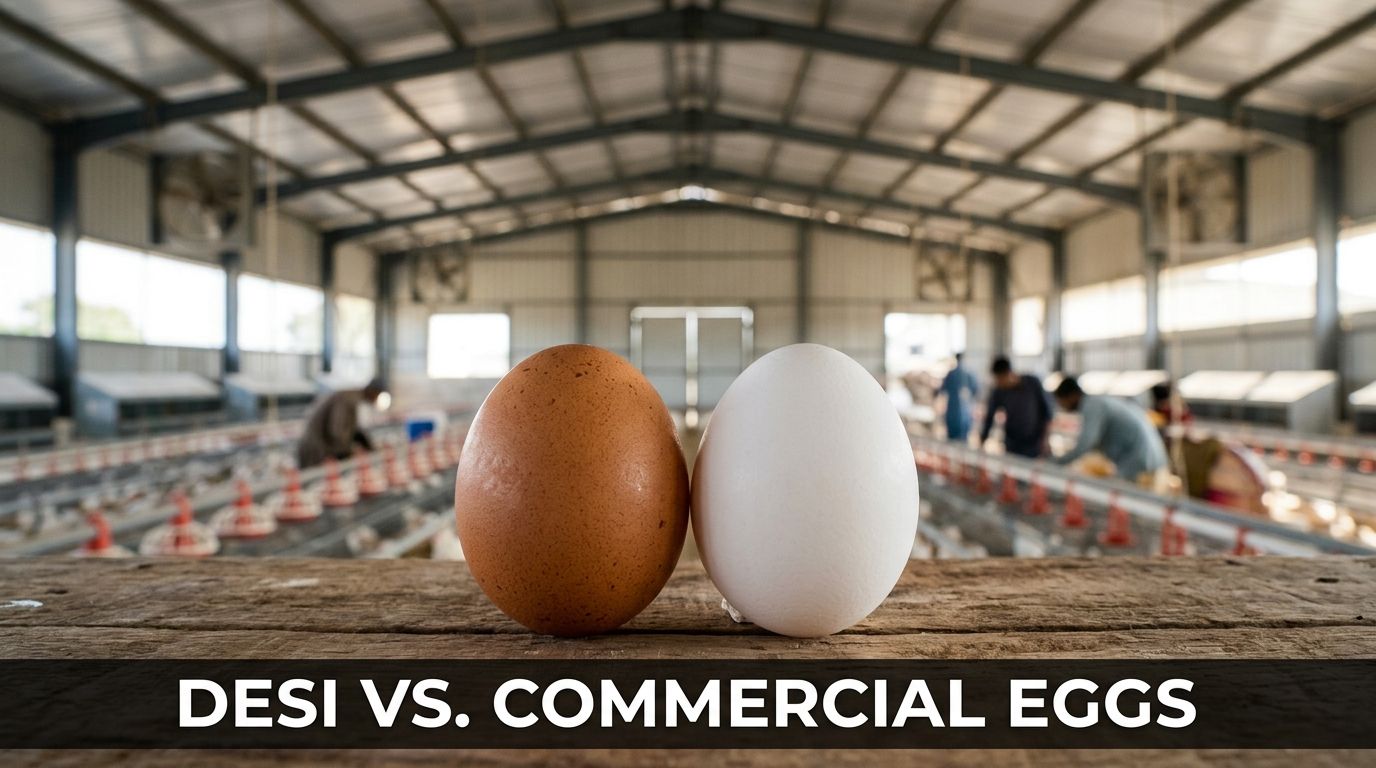
- Market Demand: While brown eggs generally fetch a slightly higher price in certain markets in Pakistan, white eggs are also widely accepted.
- Availability & Cost of Chicks: Access to reliable hatcheries and the initial cost of day-old chicks (DOCs) impact startup capital.
Top Layer Breeds Thriving in Pakistan
Several layer breeds have proven successful in Pakistani commercial and backyard settings. These can broadly be categorized into commercial hybrids and traditional/dual-purpose breeds.
1. Commercial Hybrid Layers
Commercial hybrids are specifically bred for high egg production, excellent feed conversion, and uniformity. They dominate the commercial layer industry in Pakistan.
-
Lohmann Brown:
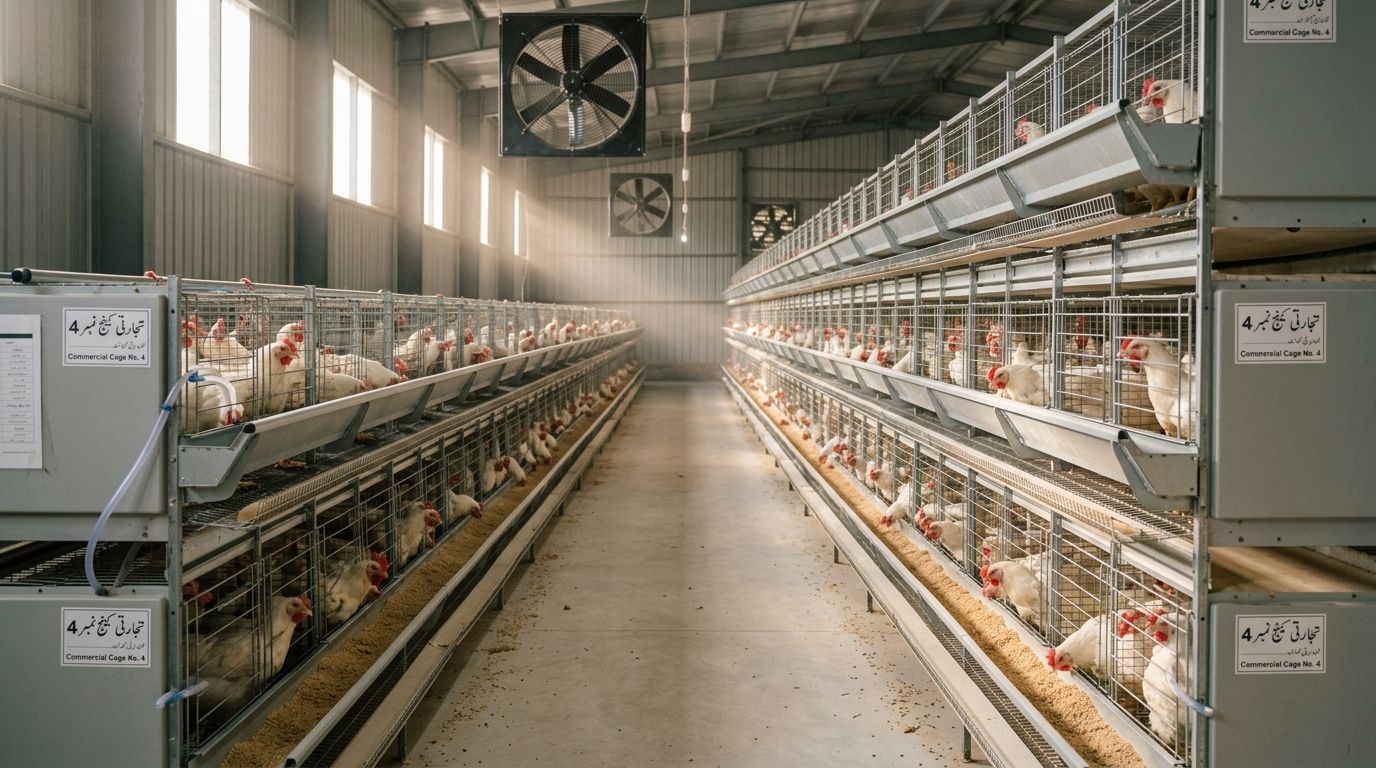
The Lohmann Brown is arguably one of the most popular and widely adopted layer breeds in Pakistan. Originating from Germany, these birds are renowned for their exceptional laying performance, producing a high number of brown-shelled eggs. They adapt well to various management systems, including cage and deep litter, making them versatile for Pakistani farmers. According to data compiled by the National Agricultural Research Centre (NARC) and local poultry associations, Lohmann Browns consistently yield 300-320 eggs per hen per year under optimal conditions, with peak production often reaching over 90%. Their feed conversion ratio is highly efficient, and they possess good livability and disease resistance, critical traits for the demanding Pakistani environment. Lohmann Brown pullets typically reach sexual maturity around 18-20 weeks of age.
-
Hy-Line Brown:
Another strong contender, the Hy-Line Brown, is celebrated globally for its robust performance and excellent egg quality. In Pakistan, Hy-Line Browns are highly valued for their consistent production of strong-shelled brown eggs. They exhibit strong adaptability to hot climates, a significant advantage for regions like Sindh and Southern Punjab during summer months. Farmers report annual egg production ranging from 310-330 eggs per hen, with excellent persistency. Hy-Line Browns are also known for their calm temperament, which reduces stress and improves overall flock health. Their strong immune system helps them cope with common poultry challenges in the region, a factor highlighted in reports by the Pakistan Agricultural Research Council (PARC) on poultry health management.
-
Isa Brown:
The Isa Brown is another high-performing brown egg layer that has found its place in Pakistani poultry farms. Similar to Lohmann and Hy-Line Browns, Isa Browns are bred for high egg numbers (around 300-320 eggs/year) and efficient feed utilization. They are known for their early maturity and sustained lay, making them a profitable choice for commercial operations. While popular, their specific adaptation might slightly vary compared to Lohmann and Hy-Line in extreme Pakistani conditions, but overall, they remain a strong commercial option.
-
White Leghorn (Hy-Line W-36, Lohmann LSL, etc.):
For those targeting the white egg market, the White Leghorn strains remain the gold standard. Breeds like Hy-Line W-36 and Lohmann LSL are highly specialized for producing a large number of white eggs, often exceeding 320-330 eggs per hen per year. They are typically smaller birds, which means lower feed intake compared to brown egg layers, leading to a superior feed conversion ratio. However, White Leghorns can be more flighty and may require more stringent environmental control to perform optimally in Pakistan’s diverse climate, especially during peak summer heat. Despite this, their unparalleled production capabilities make them a viable choice for large-scale commercial setups with climate-controlled housing.
2. Traditional and Dual-Purpose Breeds (for Backyard & Small Scale)
While commercial hybrids dominate large-scale farming, traditional and dual-purpose breeds offer advantages for small-scale farmers and backyard poultry in Pakistan, particularly for their hardiness and ability to thrive on minimal inputs.
-
Rhode Island Red (RIR):
The Rhode Island Red is a renowned dual-purpose breed, meaning it's good for both meat and egg production. In Pakistan, RIRs are favored by backyard farmers due to their hardiness, foraging ability, and decent egg production (around 200-250 large brown eggs per year). They are known for their adaptability to varied climates and relatively good disease resistance. Their calm disposition also makes them easy to manage for smallholders. While their production doesn't match commercial hybrids, their lower input requirements and robustness make them an excellent choice for rural households and those seeking sustainable, less intensive farming methods.
-
Desi (Local) Breeds:
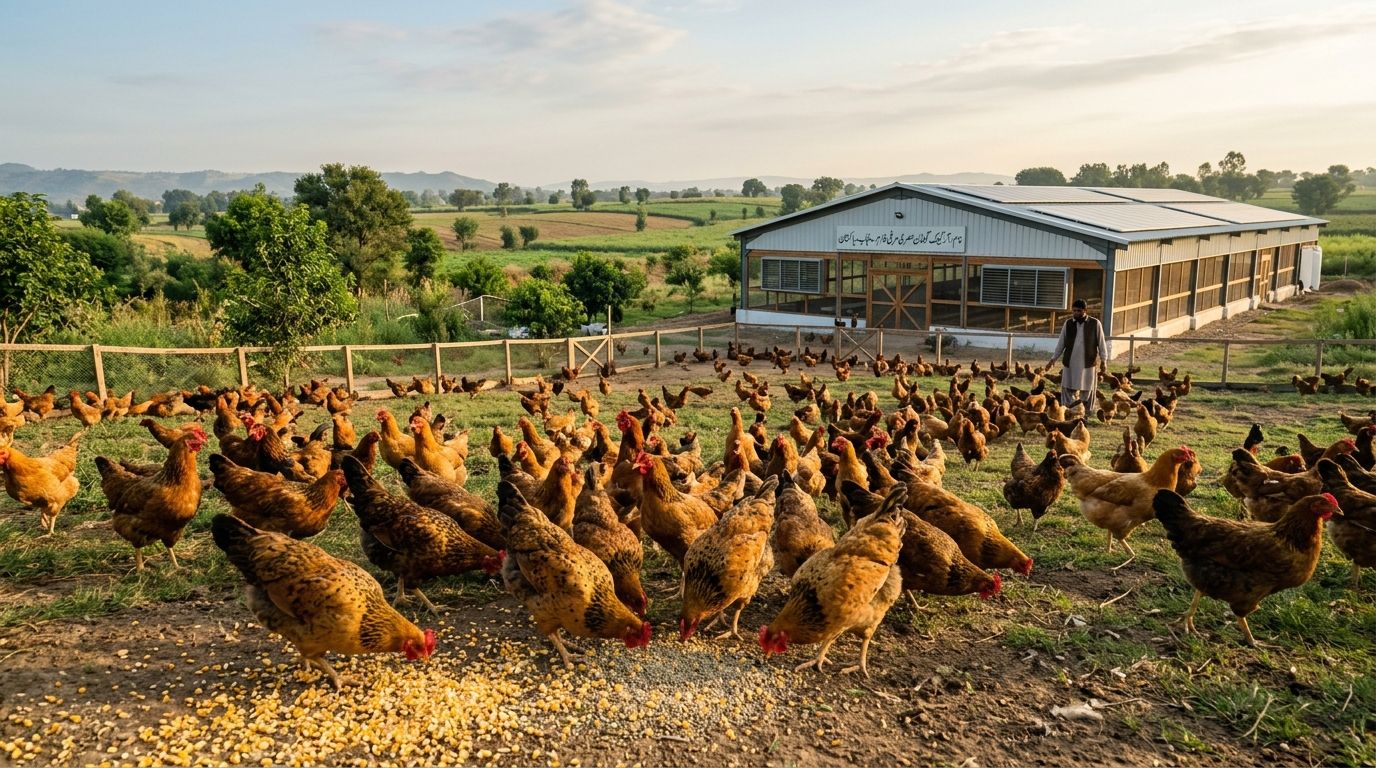
Pakistan boasts a variety of indigenous poultry breeds, often collectively referred to as 'Desi' chickens. These breeds, such as Aseel, Naked Neck, and others, are invaluable for their genetic diversity, extreme heat tolerance, and natural resistance to many local diseases. While their egg production (typically 80-150 eggs per year) is significantly lower than commercial layers, Desi chickens require minimal input, can forage for a large part of their diet, and their eggs and meat often command a premium in local markets due to their organic perception and unique flavor. The Food and Agriculture Organization (FAO) consistently emphasizes the importance of conserving indigenous livestock breeds for genetic diversity and their resilience in challenging environments, a point highly relevant to Pakistan’s Desi poultry.
Comparative Analysis of Popular Layer Breeds in Pakistan
To aid in decision-making, here's a comparative table outlining key metrics for the most popular layer breeds in Pakistan:
| Breed | Annual Egg Production (per hen) | Average Egg Weight (g) | Feed Conversion Ratio (kg feed/kg egg) | Disease Resistance | Adaptability to Pakistani Climate | Estimated Day-Old Chick Price (PKR)* |
|---|---|---|---|---|---|---|
| Lohmann Brown | 300-320 | 60-65 | 2.0-2.2 | Good | Very Good | 70-90 |
| Hy-Line Brown | 310-330 | 60-65 | 2.0-2.1 | Excellent | Excellent | 75-95 |
| White Leghorn (Commercial Strains) | 320-340 | 55-60 | 1.9-2.0 | Good | Moderate (needs controlled environment) | 65-85 |
| Rhode Island Red | 200-250 | 55-60 | 2.8-3.2 | Very Good | Excellent (hardy) | 40-60 |
| Desi (Local) | 80-150 | 45-55 | Variable (often forage-based) | Excellent | Exceptional | 15-30 |
| *Prices are approximate and subject to market fluctuations and hatchery. | ||||||
Economic Considerations and Market Dynamics in Pakistan
Beyond breed selection, several economic factors influence the success of layer farming in Pakistan:
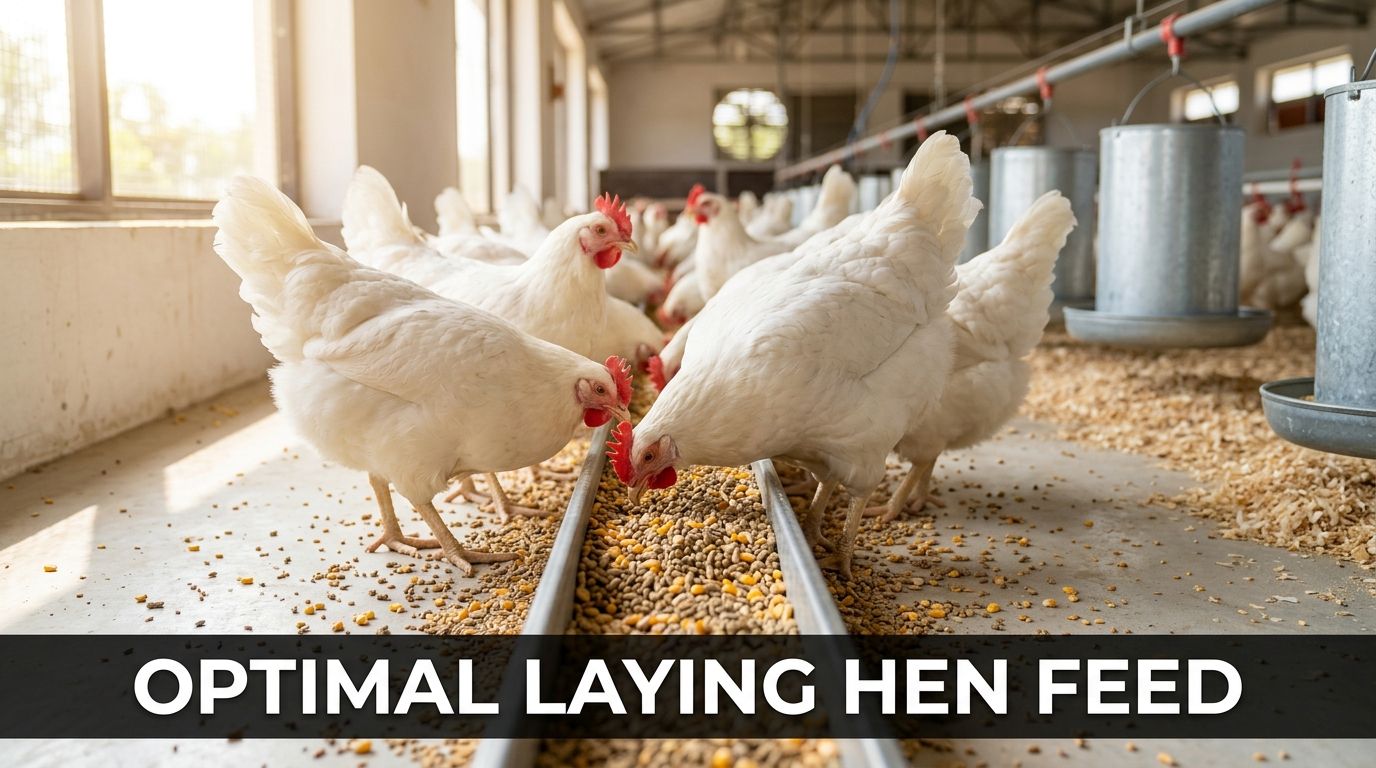
- Feed Costs: This is the single largest expense, typically accounting for 60-70% of total production costs. Fluctuations in raw material prices (corn, soybean meal) directly impact profitability. Farmers must constantly monitor feed prices and consider local formulations that might be more cost-effective. Research by institutions like PARC continuously explores alternative feed ingredients to mitigate cost impacts.
- Egg Prices: Egg prices in Pakistan are dynamic, influenced by seasonal demand (e.g., higher in winter), religious holidays, and supply-demand imbalances. Major cities like Lahore, Karachi, and Islamabad often set the pricing trends that ripple across smaller markets.
- Disease Management: Outbreaks of diseases like Newcastle Disease, Infectious Bronchitis, and Avian Influenza can devastate flocks. Robust vaccination programs, strict biosecurity measures, and prompt veterinary care are non-negotiable. The World Organisation for Animal Health (WOAH) guidelines are critical for disease prevention and control, and are often adapted by Pakistan's livestock departments.
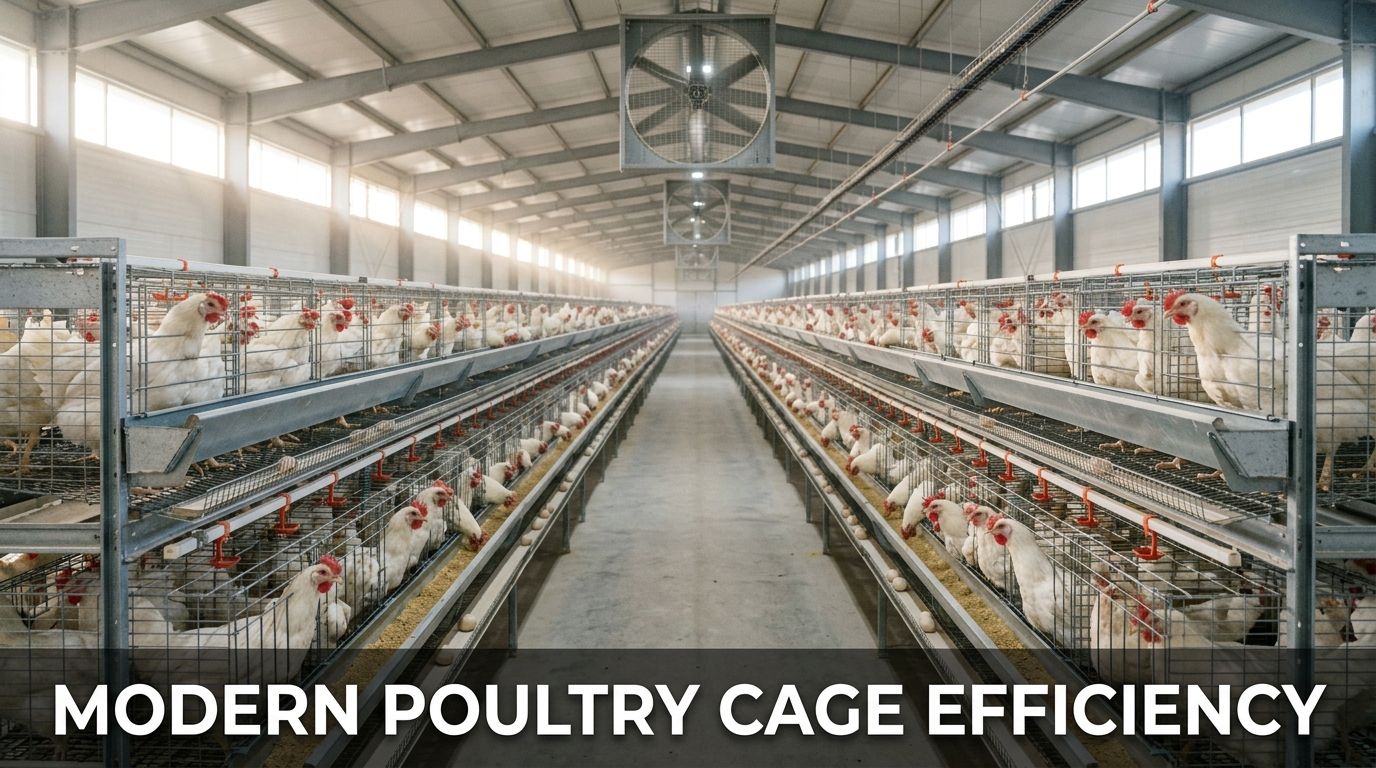
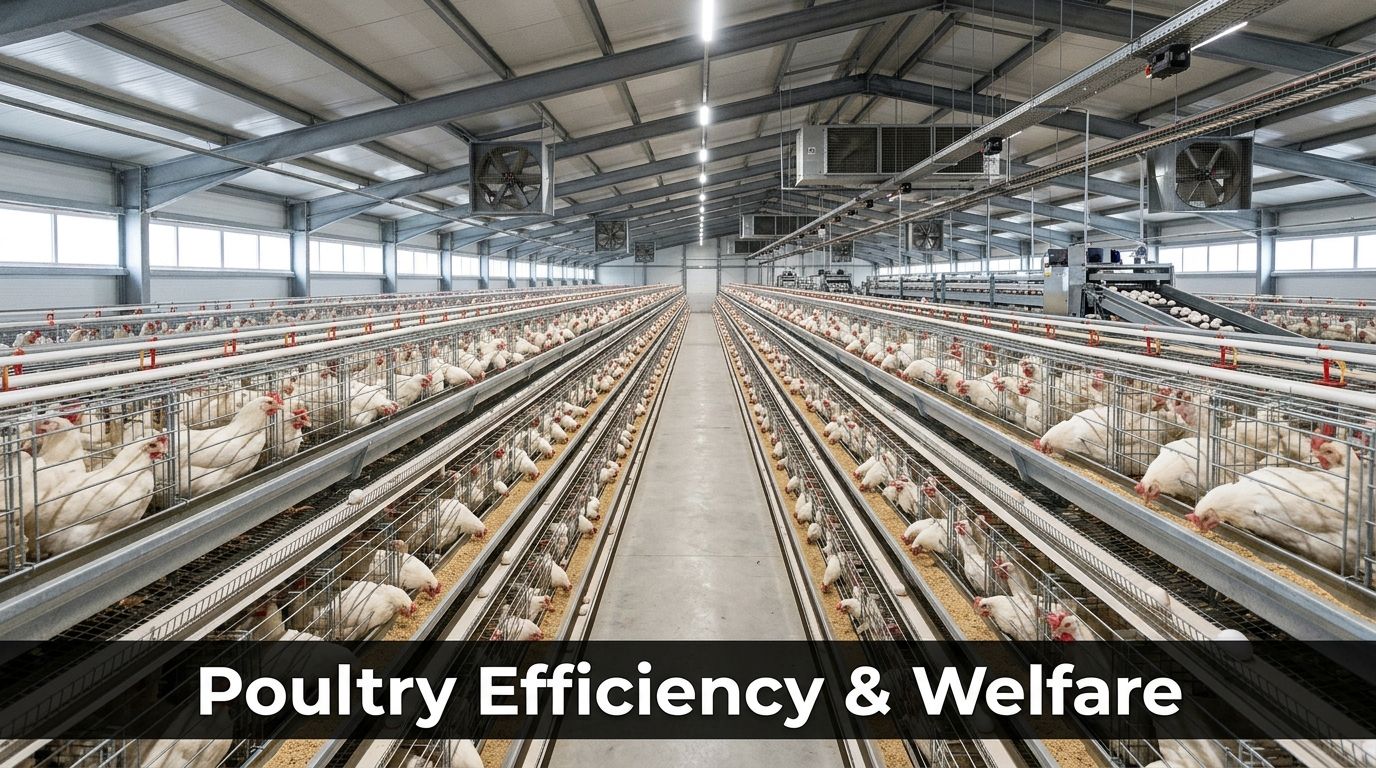
- Housing and Management: While commercial farms opt for environmental control systems, many small to medium-sized farms utilize open-sided or semi-controlled housing. Proper ventilation, temperature regulation (especially during extreme summer heat waves exceeding 40°C), and lighting programs are vital for optimal production. Overcrowding can lead to stress, disease, and reduced egg lay.
Government Initiatives and Research Support
The Government of Pakistan, through its Ministry of National Food Security and Research, actively supports the poultry sector. Institutions like the National Agricultural Research Centre (NARC) and Pakistan Agricultural Research Council (PARC) conduct research on breed improvement, disease control, and feed formulations relevant to local conditions. For instance, PARC’s livestock division has ongoing projects aimed at developing heat-tolerant poultry strains and improving feed efficiency, directly benefiting layer farmers.
Future Outlook for Layer Farming in Pakistan
The future of layer farming in Pakistan remains promising due to consistent demand. However, challenges such as climate change impacts, feed price volatility, and disease outbreaks necessitate continuous adaptation and improvement. Investment in modern farming techniques, improved biosecurity, and a focus on genetically superior, locally adapted breeds will be key to sustained growth and profitability. Moreover, promoting contract farming and integrating small-scale farmers into value chains can further stabilize the market and ensure fair returns.
Choosing the best layer breed is a strategic decision that lays the foundation for a successful poultry enterprise in Pakistan. By carefully considering climate, market demands, economic factors, and leveraging insights from local and international research bodies, farmers can make informed choices that lead to high productivity and sustainable profits. Whether it's the high-yielding commercial hybrids or the resilient Desi breeds, each has a role in meeting Pakistan's growing demand for eggs.