

In the dynamic and highly competitive global poultry industry, the choice of layer breed is paramount to the success and profitability of any egg production enterprise. Among the myriad options available, the Lohmann Brown Classic hen consistently emerges as a frontrunner, lauded by producers across continents for its exceptional performance characteristics. The question, 'Why choose Lohmann Brown?' is answered comprehensively by its proven genetic superiority, economic efficiency, and adaptability, solidifying its position as a global standard for brown egg production.
The Unmatched Prolificacy of Lohmann Brown
At the heart of the Lohmann Brown's appeal is its extraordinary laying performance. These hens are genetically selected for high egg numbers over an extended laying period, typically producing a significant quantity of eggs per hen housed. This genetic predisposition for prolificacy translates directly into higher output and greater revenue for farmers.
According to data from Lohmann Tierzucht, a world-leading poultry breeding company, Lohmann Brown Classic hens can achieve peak production rates exceeding 95% and maintain high persistency throughout the laying cycle. Over a 70-week production period, it is not uncommon for a Lohmann Brown hen to lay upwards of 320-330 eggs, with some lines pushing towards 340-350 eggs per hen housed. This remarkable performance is a key driver for its global adoption, contributing significantly to food security worldwide.
Superior Egg Quality: A Consumer Favorite
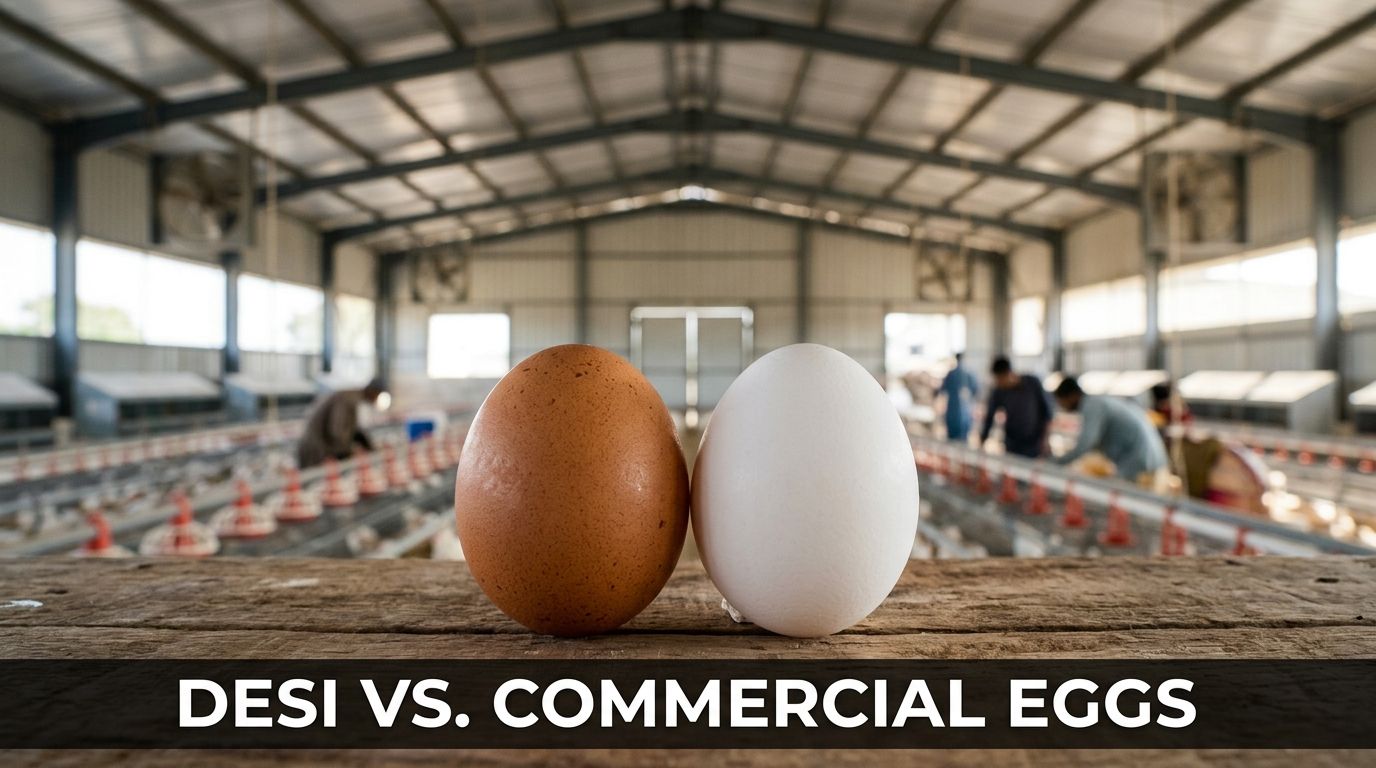
Beyond quantity, the quality of eggs produced by Lohmann Brown hens is another critical factor. Consumers globally prefer brown eggs for various reasons, including perceived naturalness or specific market preferences. Lohmann Brown excels in producing eggs with strong, uniformly brown shells, which are less prone to breakage during handling, transport, and packaging. This reduces losses and enhances marketability. Furthermore, the internal quality – characterized by a firm albumen and a rich, vibrant yolk – meets the high standards demanded by both fresh egg markets and processing industries.
The Food and Agriculture Organization (FAO) consistently highlights the importance of egg quality in global food systems, not just for consumer acceptance but also for nutritional value and food safety. Lohmann Brown's robust shell quality is a significant advantage in reducing microbial contamination risks, aligning with international food safety standards.
Exceptional Feed Conversion Ratio: Economic Efficiency Defined
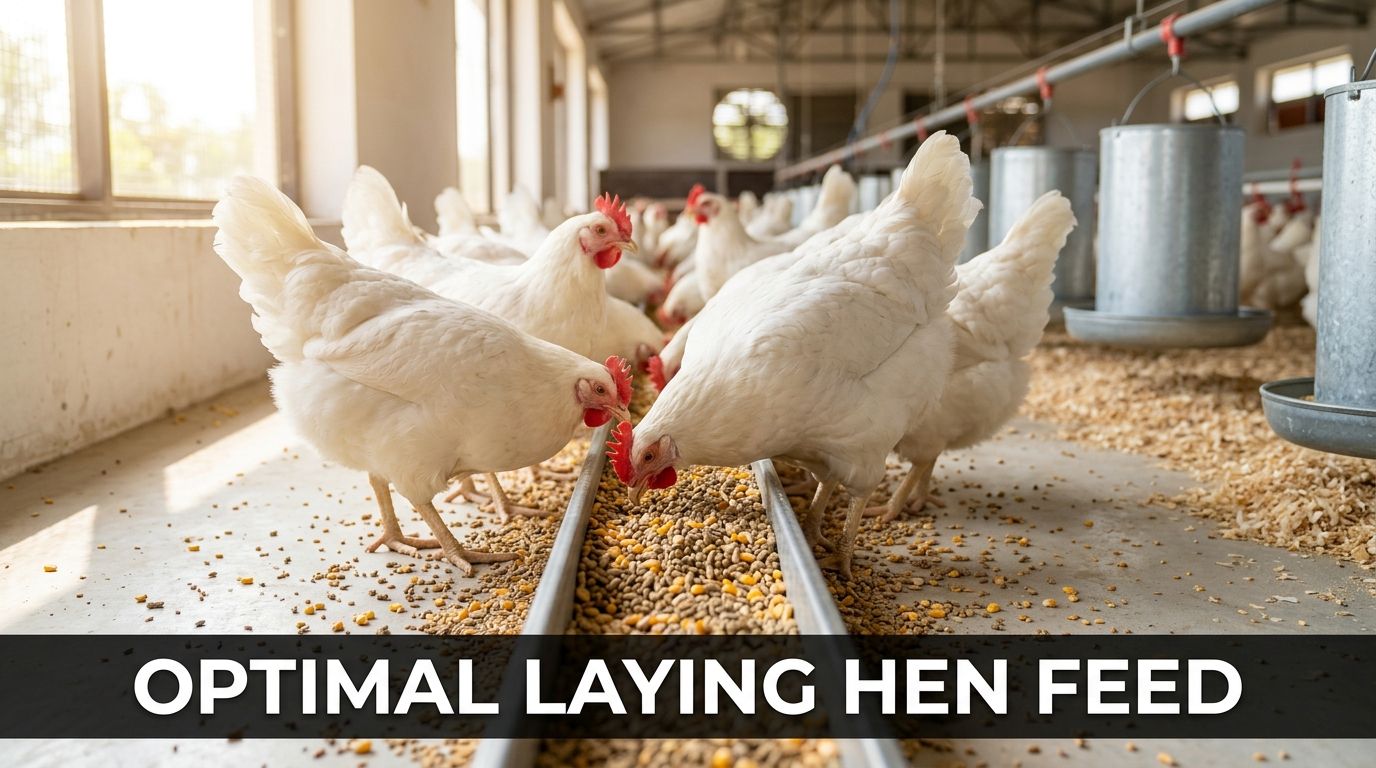
In any livestock operation, feed costs represent the largest single expense, often accounting for 60-70% of total production costs. This is where Lohmann Brown hens truly shine with their outstanding Feed Conversion Ratio (FCR). They efficiently convert feed into egg mass, meaning fewer kilograms of feed are required to produce one dozen eggs or one kilogram of egg mass.
This efficiency is a direct result of decades of genetic selection by Lohmann Tierzucht, focusing on metabolic efficiency without compromising productivity or health. A lower FCR significantly reduces operational costs, thereby boosting profitability for producers. For instance, while some breeds might require 2.2 kg of feed per dozen eggs, Lohmann Brown often achieves this with 1.9-2.0 kg, or even less under optimal conditions, translating into substantial savings over a flock's lifetime.
Comparative Performance Metrics: Lohmann Brown vs. Industry Average
To illustrate the advantages, let's compare typical performance metrics for Lohmann Brown Classic with a general industry average for brown egg layers (figures are indicative and can vary based on management, nutrition, and environment):
| Metric (up to 70 weeks) | Lohmann Brown Classic | Industry Average (Brown Layers) |
|---|---|---|
| Eggs per Hen Housed | 325 - 335 | 300 - 310 |
| Feed Conversion (kg feed/kg egg mass) | 1.95 - 2.05 | 2.10 - 2.25 |
| Livability (%) | 93 - 95 | 90 - 92 |
| Egg Weight at Peak (g) | 62 - 64 | 60 - 62 |
| Shell Strength (kg/cm²) | 3.8 - 4.0 | 3.6 - 3.8 |
Robust Health and High Livability: Resilience in Diverse Environments
Another crucial attribute that underscores the superiority of Lohmann Brown is its inherent robustness and excellent livability. These birds are known for their strong immune systems and ability to withstand various environmental stressors, common diseases, and challenging conditions often encountered in commercial poultry farming. This genetic resilience translates into lower mortality rates, reduced veterinary costs, and a more stable flock performance over the entire laying cycle.
The World Organisation for Animal Health (WOAH) emphasizes the critical role of robust genetics in animal welfare and sustainable livestock production. Lohmann Brown's genetic profile aligns with these principles, promoting healthier birds that are less reliant on interventions, contributing to more sustainable farming practices globally.
Adaptability to Global Climates and Production Systems
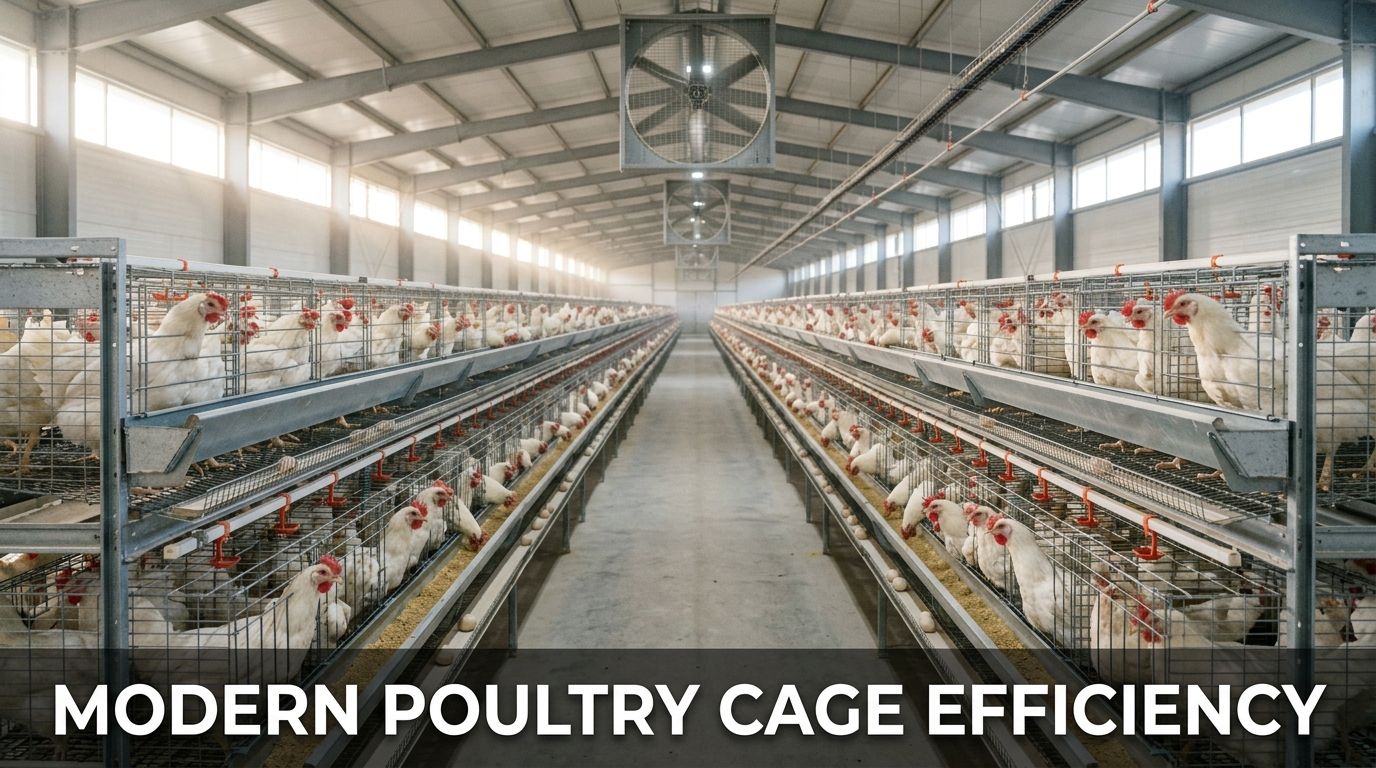
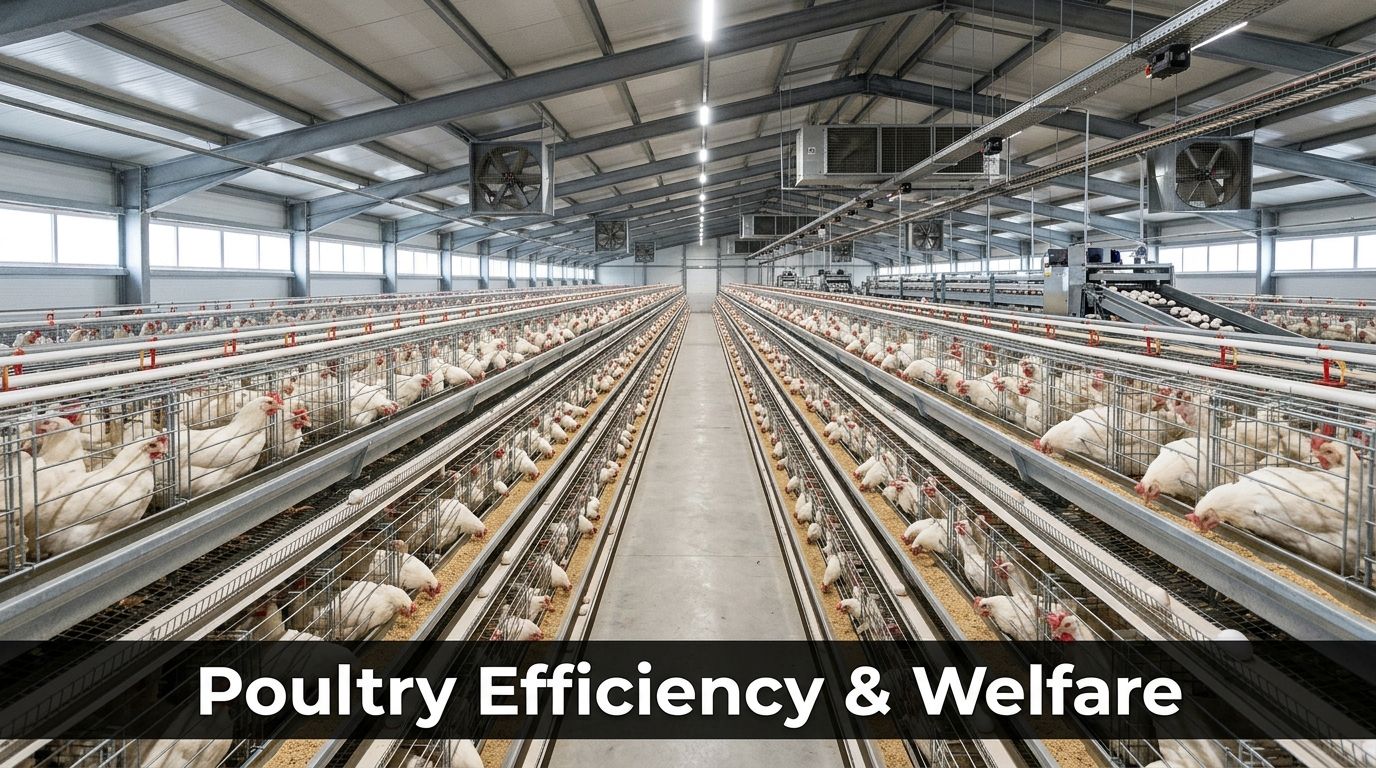
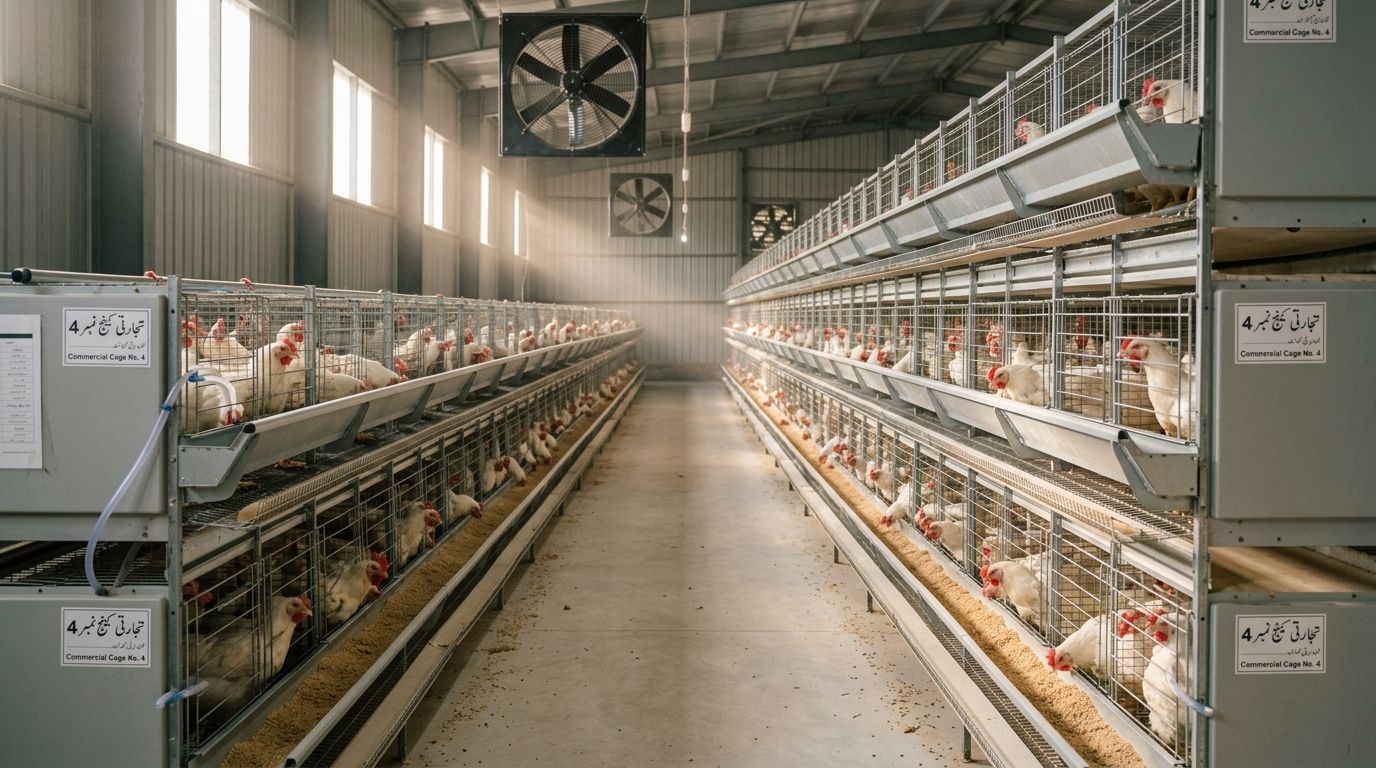
Lohmann Brown hens demonstrate remarkable adaptability, performing consistently well across a wide spectrum of climatic zones – from temperate regions to hot and humid environments. This versatility makes them suitable for diverse production systems, including conventional cage systems, enriched colony cages, barn systems, and free-range operations. Their calm temperament and ease of management further contribute to their global acceptance, simplifying flock handling for farmers.
This adaptability is a significant advantage for global producers, as it reduces the need for highly specialized environmental controls beyond standard poultry housing requirements, making the breed accessible and profitable in various socio-economic contexts. Data from the United States Department of Agriculture (USDA) and European Food Safety Authority (EFSA) studies on poultry production often highlight breed adaptability as a key factor in economic viability and animal welfare across different production scales.
The Role of Genetic Research and Development
The consistent performance of Lohmann Brown is not accidental; it is the culmination of rigorous, science-based genetic selection and breeding programs by Lohmann Tierzucht. For decades, the company has invested heavily in research and development, utilizing advanced genetic tools and techniques to continuously improve traits such as egg production, feed efficiency, egg quality, disease resistance, and temperament. This ongoing commitment to genetic advancement ensures that Lohmann Brown remains at the cutting edge of layer genetics.
Regular updates and new genetic lines are introduced to further enhance specific traits, responding to evolving market demands and environmental challenges. This commitment to innovation means that choosing Lohmann Brown is an investment in a breed that is continually being optimized for future poultry farming success.
Economic Impact and Sustainability
From an economic standpoint, the cumulative benefits of Lohmann Brown – high egg numbers, excellent FCR, superior egg quality, and strong livability – lead to higher overall profitability for egg producers. Lower feed costs, reduced mortality, and higher marketable egg yields directly improve the bottom line. Furthermore, the efficiency of these birds contributes to environmental sustainability by reducing the carbon footprint per unit of egg produced, aligning with global efforts towards more sustainable food systems.
The high productivity means fewer birds are needed to produce the same volume of eggs compared to less efficient breeds, potentially reducing resource consumption (feed, water) and waste output per egg, a concept frequently discussed by organizations like the FAO when addressing livestock sustainability.
| Economic Benefit Category | Lohmann Brown Advantage | Impact on Producer Profitability |
|---|---|---|
| Increased Egg Yield | ~10-15% more eggs per hen | Higher revenue per flock cycle |
| Reduced Feed Costs | ~5-10% better FCR | Significant savings on the largest input cost |
| Lower Mortality Rates | ~2-3% higher livability | Fewer replacement costs, more productive hens |
| Superior Egg Quality | Stronger shells, better internal quality | Reduced breakage, higher market value, less waste |
| Ease of Management | Calm temperament, adaptable | Reduced labor stress, efficient operations |
Conclusion: A Global Standard of Excellence
In conclusion, the preference for Lohmann Brown by commercial egg producers worldwide is not merely a trend but a testament to its consistent, superior performance across multiple critical metrics. From prolific egg production and unmatched feed efficiency to robust health, excellent egg quality, and broad adaptability, Lohmann Brown hens offer a compelling package for sustainable and profitable egg farming. The continuous genetic improvements backed by Lohmann Tierzucht's extensive R&D ensure that this breed will continue to be a cornerstone of the global egg industry, supporting food security and economic prosperity for farmers around the globe. Choosing Lohmann Brown is choosing a legacy of excellence and a future of sustainable, high-yield egg production.