

In the vast and dynamic world of commercial poultry, few breeds command as much respect and widespread adoption as the White Leghorn. This iconic chicken breed has, for over a century, been the undeniable workhorse of the global egg industry. But what exactly is it about the White Leghorn that has cemented its position as the preferred choice for producers worldwide? This comprehensive article delves into the multifaceted reasons behind the White Leghorn's enduring dominance, exploring its historical lineage, unparalleled productive efficiency, economic advantages, and adaptability.
The Genesis of a Laying Legend: A Brief History
The White Leghorn chicken traces its origins back to Tuscany, Italy, specifically the port city of Livorno (Leghorn in English). Initially a smaller, more utilitarian bird, it was primarily valued for its eggs. However, it was its journey to North America in the mid-19th century that truly transformed its destiny. American breeders recognized its potential and, through meticulous selective breeding, enhanced its egg-laying traits, feed efficiency, and adaptability. This rigorous breeding program rapidly elevated the Leghorn from a regional specialty to an international sensation.
By the early 20th century, the White Leghorn had become the quintessential commercial layer, setting benchmarks for egg production that other breeds struggled to match. Its genetic purity and consistent performance made it a cornerstone for developing modern hybrid layers, further solidifying its genetic legacy across the globe. Today, while many commercial layers are hybrids, their genetic foundation often traces back to pure Leghorn lines, a testament to the breed's superior genetics for egg production.
Unparalleled Productive Efficiency: The Leghorn's Edge
The primary reason for the White Leghorn's widespread adoption is its extraordinary productive efficiency. This encompasses several key metrics:
Exceptional Egg Laying Capacity
White Leghorns are prolific layers, known for their high annual egg production. A healthy, well-managed White Leghorn hen can lay an average of 280-320 eggs per year, with some strains exceeding 320 eggs. This impressive rate far surpasses that of many heritage or dual-purpose breeds. The Food and Agriculture Organization (FAO) often highlights the importance of highly productive breeds in meeting global food demand, and the White Leghorn consistently features in discussions about sustainable egg production (FAO, 2021).
Superior Feed Conversion Ratio (FCR)
One of the most critical factors in commercial poultry farming is the feed conversion ratio (FCR), which measures the amount of feed required to produce a unit of output (in this case, an egg). White Leghorns boast an excellent FCR, meaning they convert feed into eggs very efficiently. Their smaller body size (typically 3-4 pounds for hens) means they require less feed for maintenance compared to larger breeds, allowing a greater proportion of their feed intake to be directed towards egg production. This translates directly into lower production costs per egg.
Consistent Egg Quality and Size
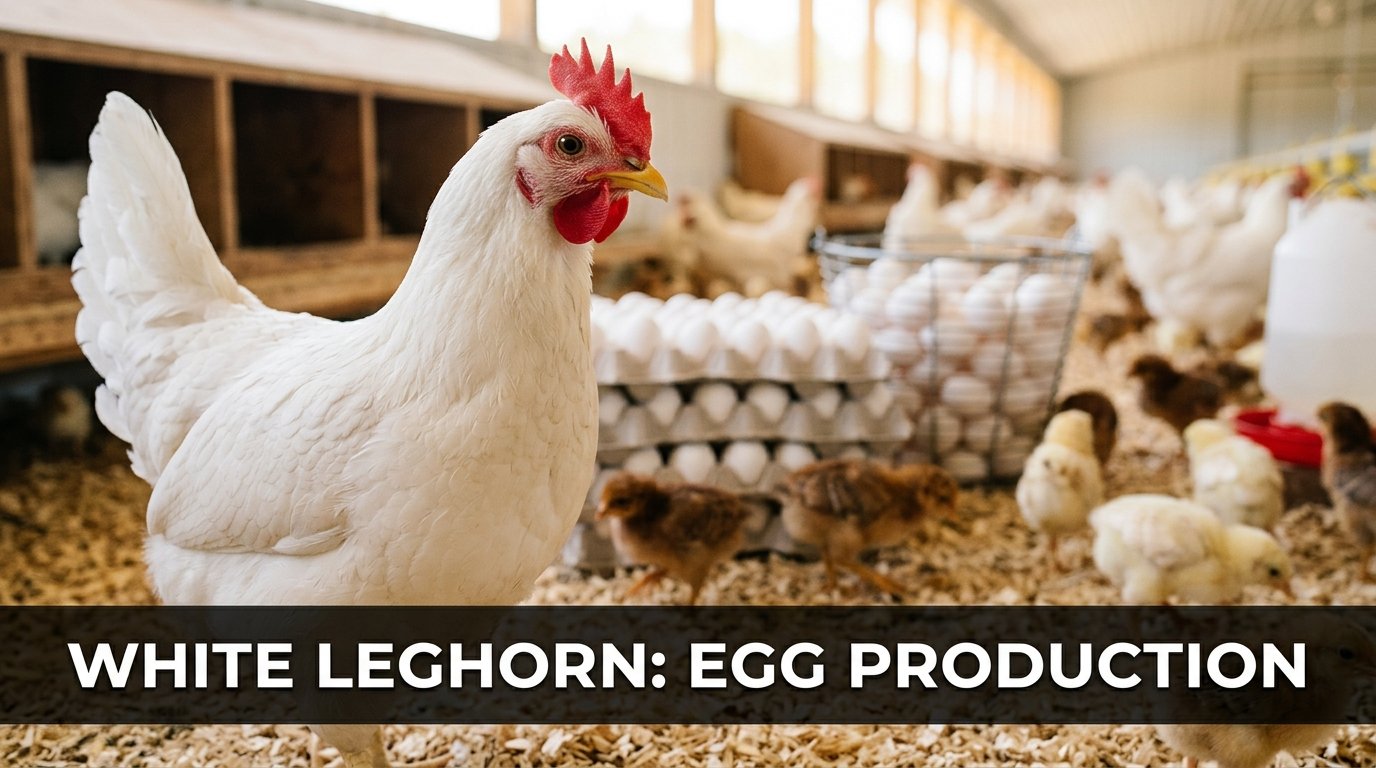
White Leghorns are renowned for producing large, perfectly white-shelled eggs. The consistency in egg size, shape, and shell quality is highly valued by consumers and essential for automated grading and packaging in commercial operations. Strong shell quality reduces breakage during handling, transportation, and processing, minimizing losses for producers and ensuring a higher percentage of marketable eggs. The USDA's grading standards, for instance, heavily rely on these consistent quality parameters, which Leghorns reliably meet (USDA, 2023).
Economic Advantages for Commercial Producers
Beyond sheer productivity, the White Leghorn offers significant economic benefits that solidify its position as the industry standard.
Lower Production Costs
The combination of high egg yield and low feed intake directly translates into lower production costs per dozen eggs. This economic efficiency is crucial in a highly competitive global market where even marginal cost savings can significantly impact profitability.
Adaptability and Hardiness
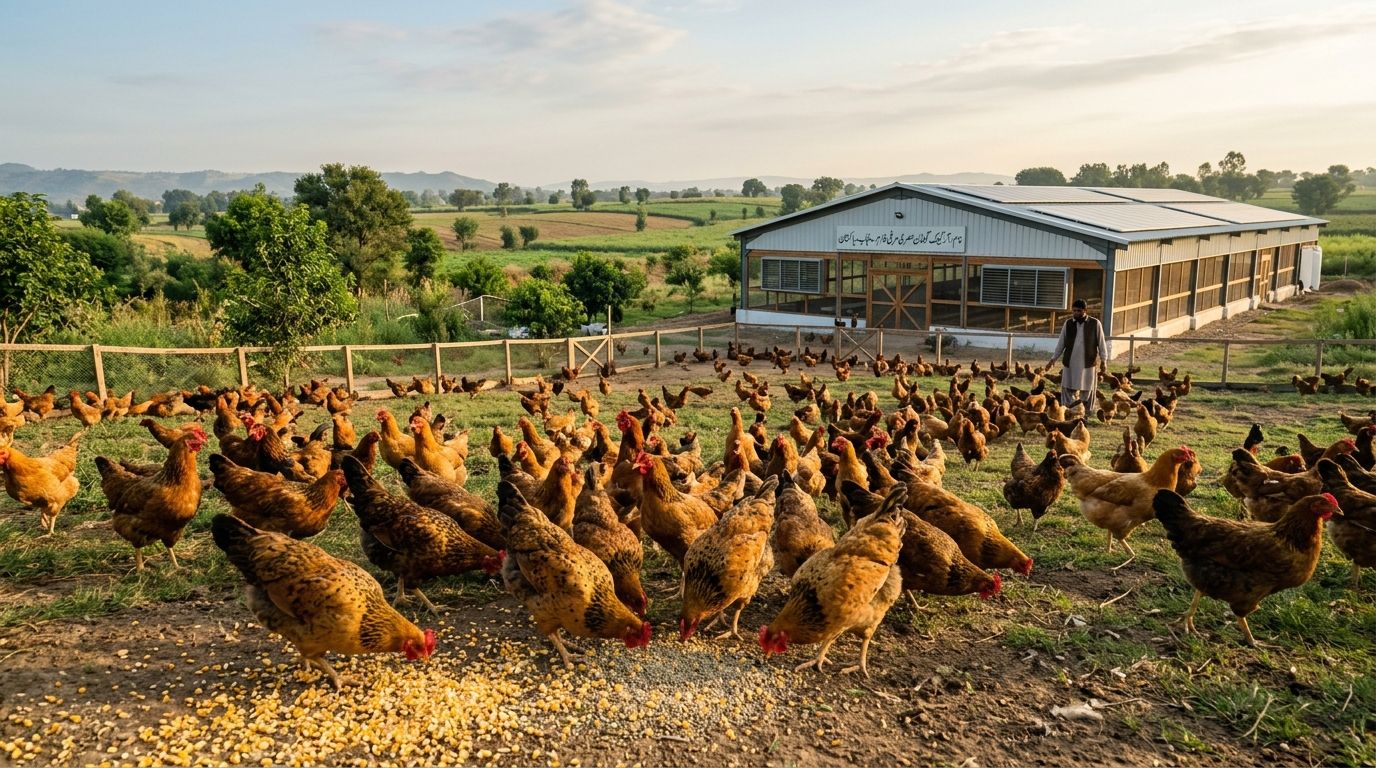
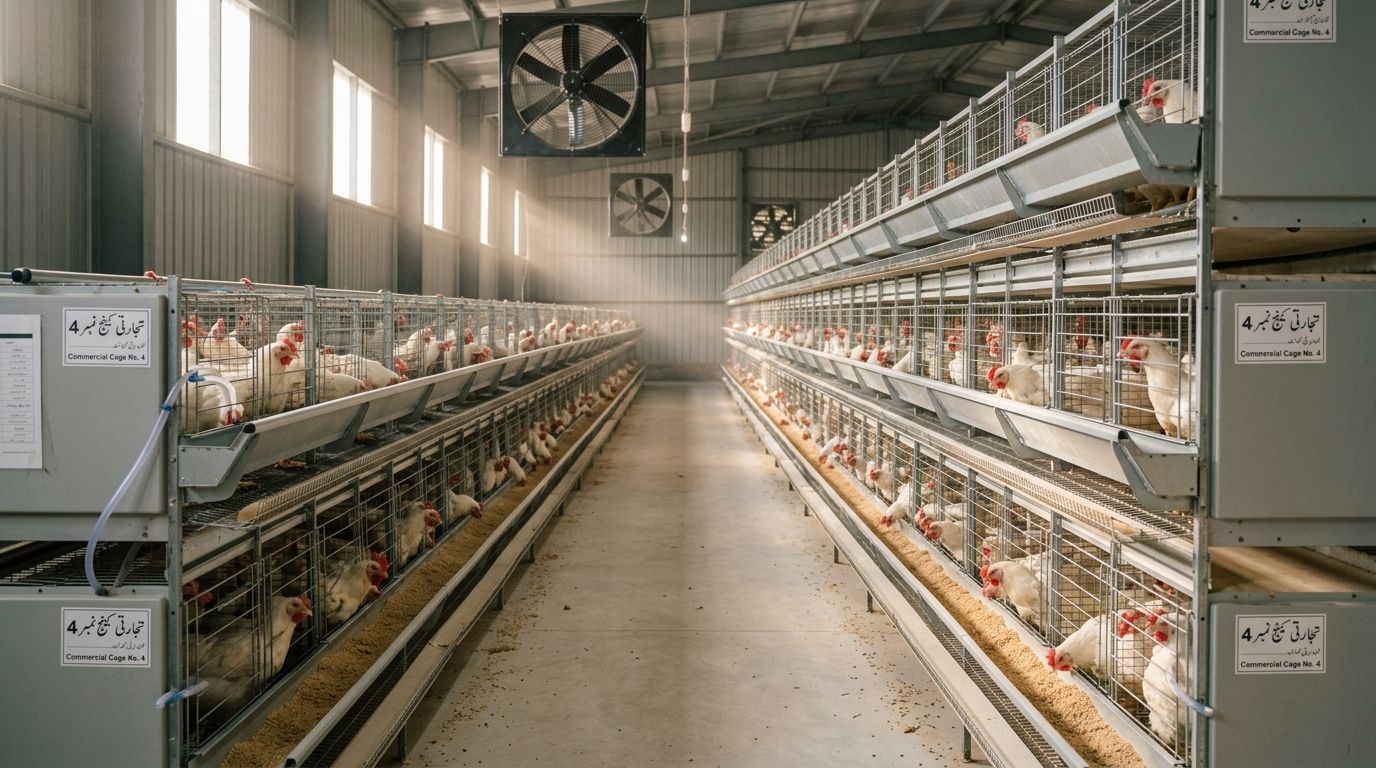
White Leghorns are remarkably adaptable to various climates and management systems, including intensive battery cage systems (though increasingly transitioning to cage-free), aviary, and free-range setups. While they prefer moderate temperatures, they can tolerate a range of environmental conditions. Their robust immune systems, while not entirely immune to disease, generally make them resilient under commercial farming conditions when proper biosecurity and vaccination protocols are followed. The World Organisation for Animal Health (WOAH) emphasizes the importance of breed resilience in global animal health strategies, a trait often observed in well-managed Leghorn flocks (WOAH, 2022).
Uniformity in Flock Management
The genetic uniformity achieved through years of selective breeding means that White Leghorn flocks tend to mature, lay, and perform in a highly predictable manner. This uniformity simplifies flock management, vaccination schedules, and feeding programs, allowing for greater automation and efficiency in large-scale operations.
Comparative Analysis: White Leghorn vs. Other Layers
To fully appreciate the White Leghorn's advantages, it's beneficial to compare its key characteristics with other popular laying breeds or hybrids.
| Characteristic | White Leghorn | Rhode Island Red (Hybrid) | Plymouth Rock (Hybrid) |
|---|---|---|---|
| Annual Egg Production | 280-320+ eggs | 250-300 eggs | 200-250 eggs |
| Egg Color | White | Brown | Brown |
| Egg Size | Large to Extra Large | Large | Medium to Large |
| Mature Hen Weight | 3-4 lbs (1.4-1.8 kg) | 6.5-7.5 lbs (2.9-3.4 kg) | 7-8 lbs (3.2-3.6 kg) |
| Feed Conversion (kg feed/dozen eggs) | ~1.5 - 1.7 kg | ~1.8 - 2.0 kg | ~2.0 - 2.2 kg |
| Temperament | Active, sometimes flighty | Docile, hardy | Calm, friendly |
As evident from the table, the White Leghorn consistently outperforms other breeds in terms of annual egg production and feed conversion efficiency, crucial metrics for commercial viability. While brown egg layers have their market niche, the economic advantages of White Leghorns for mass production remain clear.
Challenges and Modern Adaptations
Despite its many advantages, the White Leghorn is not without its challenges. Its active and sometimes flighty temperament requires careful management. Additionally, intensive breeding for egg production has, in some cases, led to reduced genetic diversity, making some strains potentially vulnerable to specific diseases if biosecurity is compromised. However, ongoing genetic research and breeding programs continuously work to enhance disease resistance, improve welfare traits, and adapt Leghorn lines for evolving production systems, such as cage-free environments (European Food Safety Authority - EFSA, 2018).
Modern commercial Leghorn strains, often referred to as 'White Leghorn type' hybrids (e.g., Hy-Line W-36, Lohmann LSL, Shaver White), build upon the pure Leghorn genetics to offer even greater uniformity, specific disease resistance profiles, and tailored performance for various global markets. These hybrids combine the Leghorn's laying prowess with enhanced robustness and adaptability, ensuring its genetic legacy continues to drive the egg industry.
The Global Impact and Future Outlook
The White Leghorn's influence on global egg production is undeniable. It has played a pivotal role in making eggs an affordable and accessible protein source for billions worldwide. Its efficiency contributes to food security and economic stability in numerous countries by enabling high-volume, cost-effective egg production.
As consumer preferences evolve and demand for sustainable and ethically produced food grows, the White Leghorn will continue to adapt. Geneticists and poultry scientists are working on traits that improve robustness in outdoor or enriched environments, further enhance disease resistance, and optimize nutrient utilization to reduce environmental footprints. The enduring legacy of the White Leghorn is not just in its past achievements but also in its ongoing evolution to meet the future demands of a growing global population.
In conclusion, the White Leghorn's dominance in commercial egg production is a result of a perfect storm of genetic superiority, unparalleled productive efficiency, robust adaptability, and significant economic advantages. It is a testament to focused selective breeding and the continuous innovation within the poultry industry to provide a vital and affordable food source to the world.